
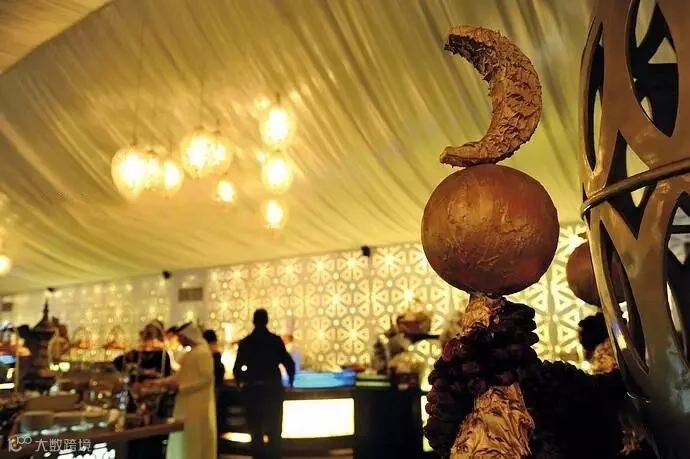
Ramadan, the Muslim holy month, has been generating business opportunities for Chinese suppliers and exporters, as a large quantity of goods such as festival items, fabric and garments are shipped every year to the areas with large Muslim populations in the months before the holy month.

Ramadan’s Rewards
In many cities with large Muslim populations, people decorate streets and alleys with festival lights of different shapes to prepare for the holy month.
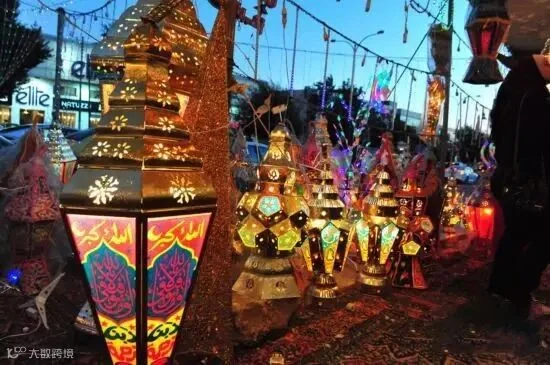
Because of the growing demand for decorative lights during Ramadan, many Chinese companies seize the business opportunities to export lights to the Middle East. Also, they work with e-commerce platforms such as Amazon and eBay.

Countries and regions with the largest Muslim populations have close trade ties with China. Business representatives come to China to source products and ship them back home.
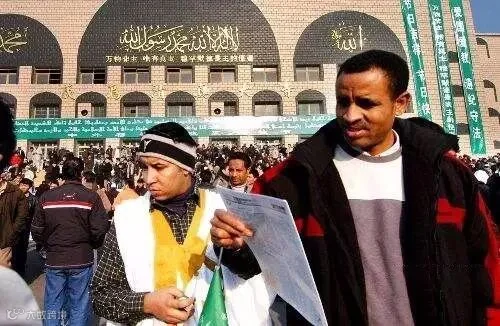
For instance, in Yiwu, home of the world's largest small commodities wholesale market, businessmen from different Muslim countries purchase large quantities of goods ranging from decorations to household items.

Since it's customary that all Muslims wear new clothing and new shoes on Eid al-Fitr, a large proportion of those items are garments and shoes.
Trade with Muslims
Chinese exporters need to arrange their shipment planning in advance because some services including custom clearance and logistics may be delayed during Ramadan.
22 Arab countries and 26 other countries in Central Asia, Southeast Asia, Africa and the Middle East may be affected by changes during Ramadan.
Exporters ship their goods to Muslim regions two months ahead of Ramadan, because the shipping route usually takes 50 days, and those products can arrive in those regions when Ramadan ends since people go shopping a lot then.
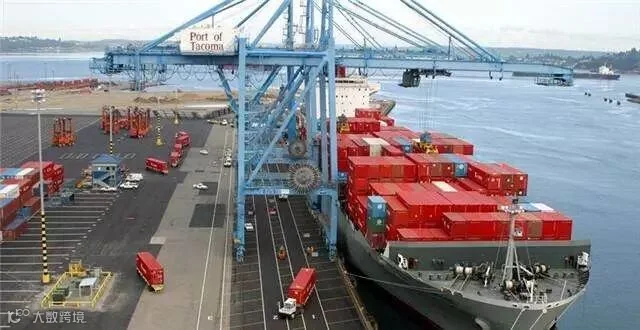
The cargo shipping plan must be calculated well because productivity declines in the second half of Ramadan due to the physical stress of fasting, so services like transportation and logistics may be affected.
B&R opportunities
Countries with Muslim majorities such as Afghanistan, Saudi Arabia and Iran have signed cooperative agreements with China under the B&R framework. The initiative has helped create a dynamic business environment that has made Ramadan sales better in 2017 than in previous years.

In 2017, more foreign merchants have come to China since the application for business visas in China is now more convenient thanks to the Belt and Road.
What’s more, they are more confident about doing business with countries(regions) along the route, especially now that they have more choices for transportation.

Some of the cargo transported by CR express can be further transferred to Muslim regions. Exporters now can choose to transport goods by railway instead of by sea, which saves them about 15 days.
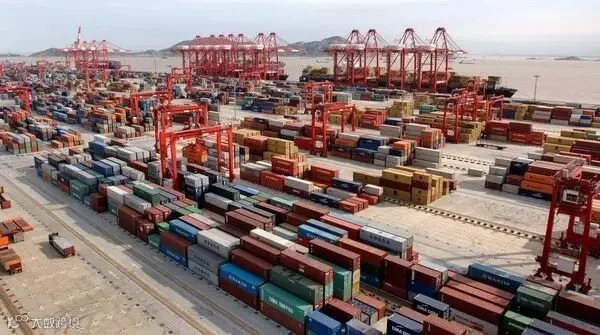
And when freight trains traverse Central Asia, some goods can be transferred to the Middle East. Noting that ties with Muslim countries are expected to grow stronger!

Source: GlobalTimes



HACOS,Business Services Solutions Master