

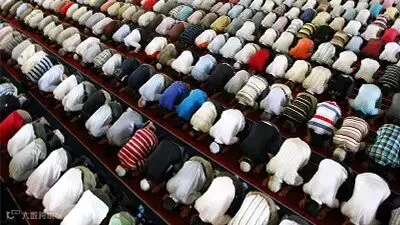
Faith appears to be the birthright of Chinese minorities, of which Islam is no exception. Today, China is home to some 23 million Muslims. The Huis and Uighurs are most readily associated with Islam.
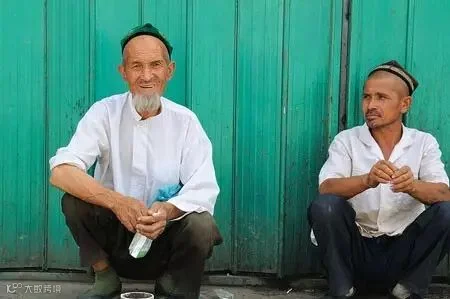
Who are China's Muslims?
Hui (回族)
Virtually indistinguishable from the Han majority, the Hui are quietly the largest minority group that gives the religion one of its Chinese names – the religion of the Huis. While the Uighurs exist constantly under the media spotlight, the Huis appear to co-exist peacefully alongside the Han majority.
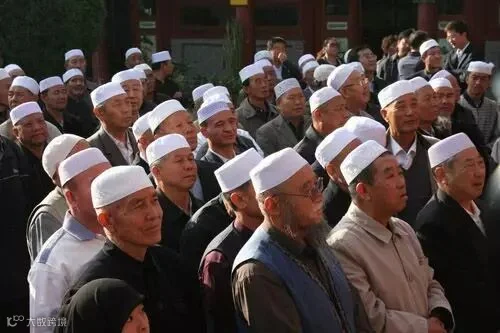
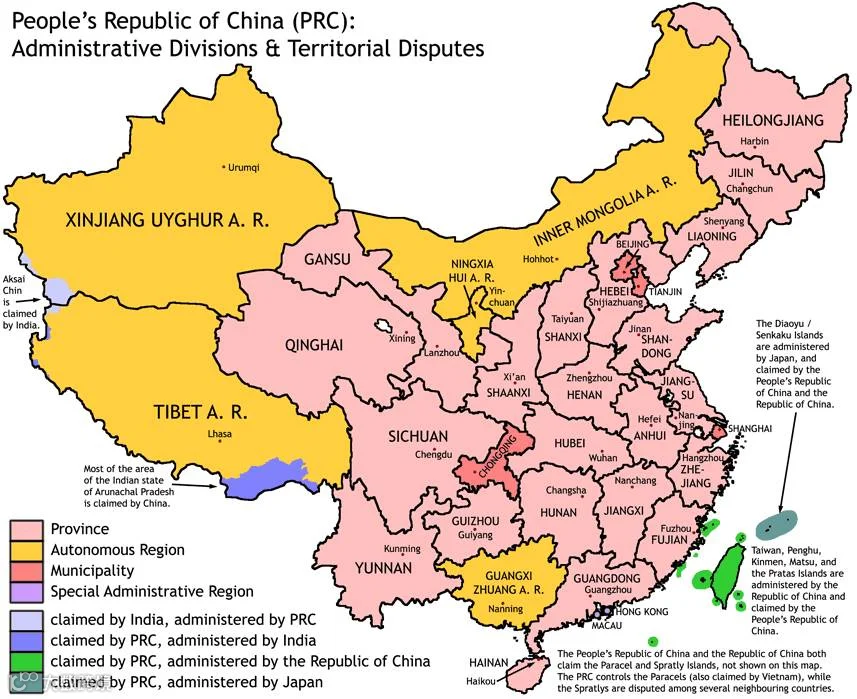
Though direct descendants of the original Silk Route traders, Huis largely look like Han Chinese and speak the same language and dialects, with the odd Arabic word thrown in. Scattered throughout the mainland, the area in China with the largest concentration of Hui Muslims can be found in the Ningxia Hui Autonomous Region.
They have been viewed to be less genuine in their faith by authorities, although recent revival has seen more outward manifestations of faith like headscarves and increasing numbers performing the Haj.
Uighurs (维吾尔族)
The second largest Muslim community is most closely associated with the religion by the average Han Chinese. Distinctive in appearance – taller and olive-skinned – and speaking a Turkic-based language written in Arabic script, the Uighurs are concentrated in Xinjiang, conquered by China since the 1800s.
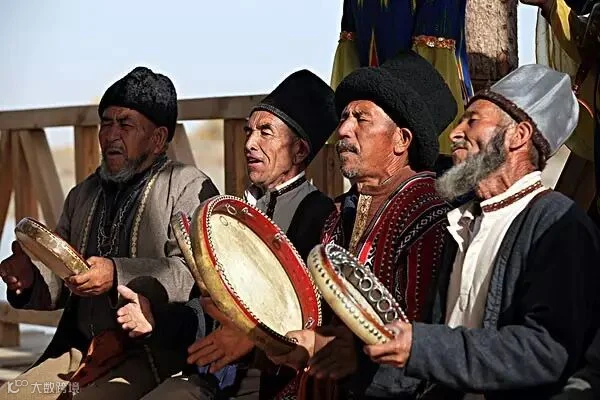
As moderate Sunni Muslims practicing a form of Islam heavily influenced by Sufi brotherhoods, Buddhism, and East Asian ideologies, the majority simply desire greater autonomy. Unlike the Huis, the Uighurs face travel restrictions, ostensibly to curb the import of extremism.
The rest of the ten ethnic groups that are predominantly Muslim are the Kazakh, Kirgiz, Bao’an, Tatar, Salar, Dongxiang, Uzbek and Tajik.
The Chinese Brand of Islam
Unlike Buddhism, China does not have its own version of Islam. However, the practice of Islam in China does have its own unique characteristics. Among the Huis, Islam is combined with Confucian ideals and older mosques feature elements of Chinese architecture.
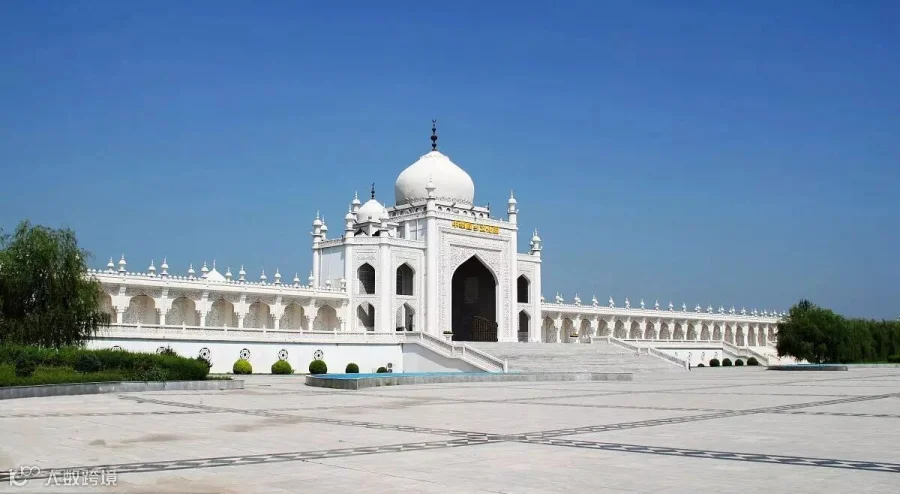
However, recent increased exposure to social media and opportunities for travel and overseas study have led to the developments of Middle Eastern-styled architecture in Muslim strongholds like Linxia.
Islam exists against a secular background in China, a contrast from countries in the Middle East. Religion is therefore not expected to be the focal point of one’s life. Observance of Ramadan is largely viewed as flexible, frowned upon in the civil service and in universities.
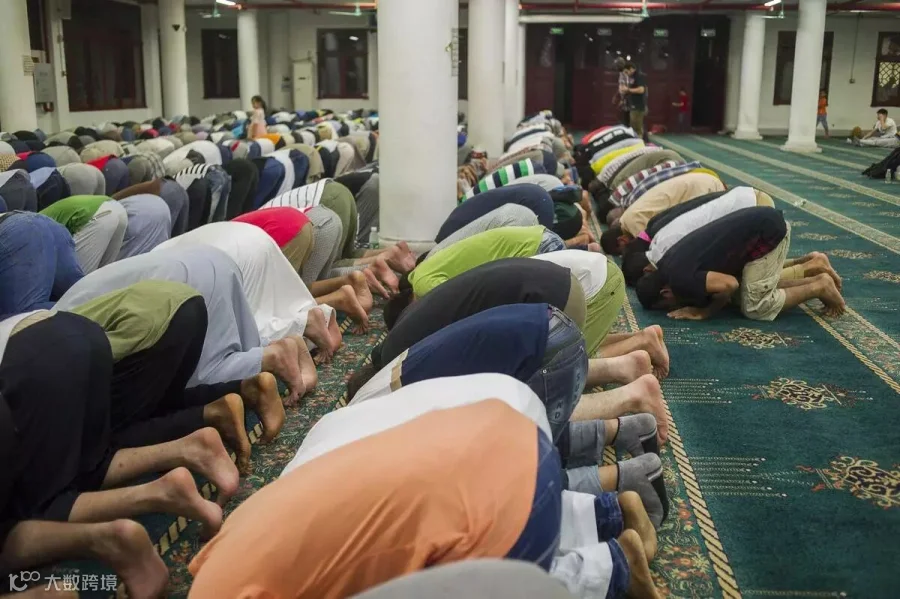
In places like Beijing, the scorching summers and physical demands of certain professions like chefs are exempt from judgement when they do not fast. Forbearance is also exercised towards the consumption of alcohol or tobacco.
Female Imams
A deviation from Islam’s patriarchal leanings, China is home to a number of female Imams, mostly in Henan Province. They lead prayers in mosques built for women.
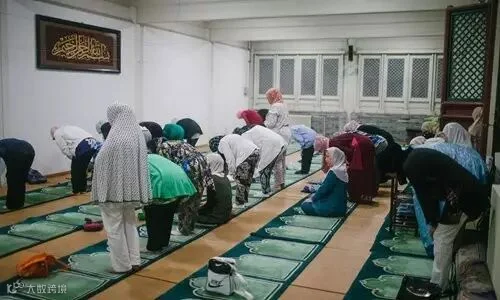
●Female-only Mosque In China Now Becomes Popular!
This unusual phenomenon dating back to the 17th century was borne out of necessity, rather than doctrinal interpretation, as women stepped in to fill the leadership void in landlocked areas.
Source: echinacity



HACOS,Business Services Solutions Master