
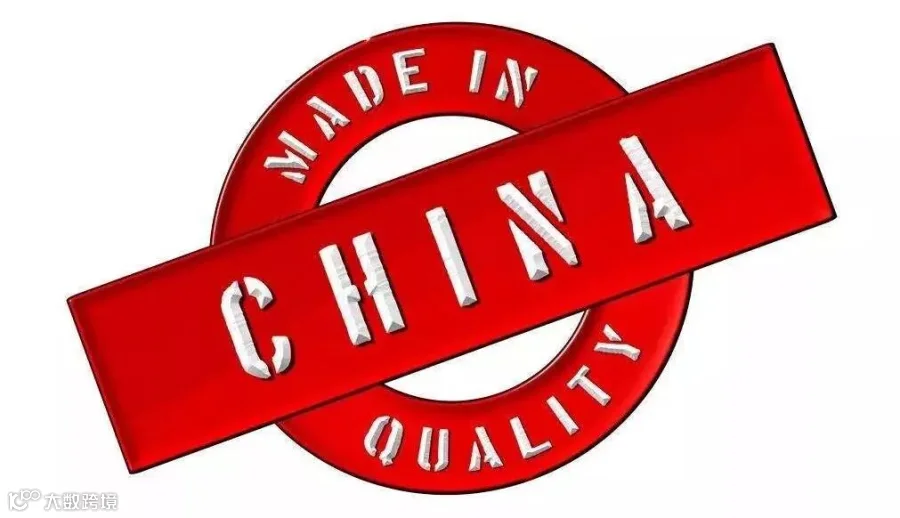
Made-in-China goods are always looked down upon by many foreigners, or even by Chinese themselves, because in their opinions, “Made-in-China” always refers to something bad, shoddy and poor-quality.

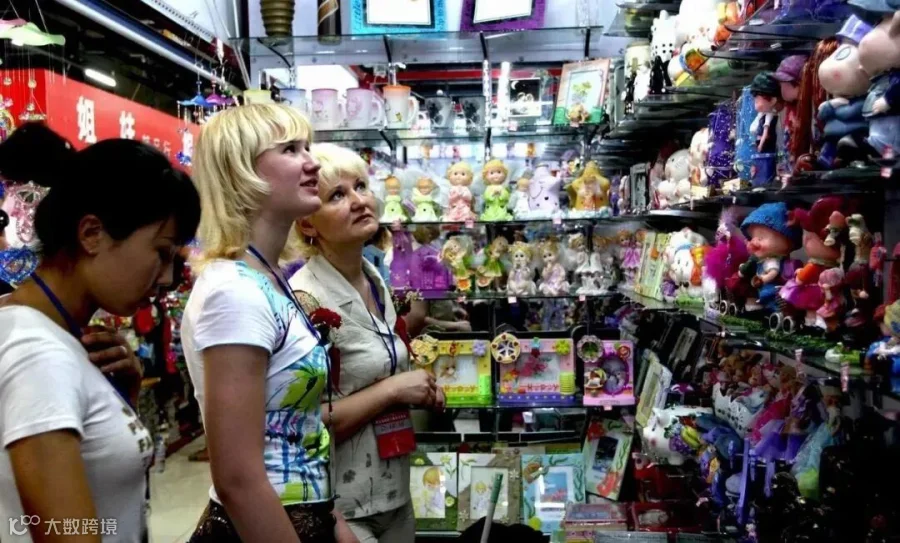
Yiwu, which is considered to be one of the most booming places in China. Especially for people from Asia Africa & Americas, they can buy all kinds of petty commodities in Yiwu.
Recently, a Japanese TV show conducts a research on “Made-in-China”, surprising those local Japanese who dismiss Chinese products.
Japan
Almost without exception, each interviewee disdained Chinese products, saying:


“Counterfeit.”

“Not an option.”

“Dislike.”
But let’s see the clothing labels.
Guess what?
All are marked with “Made-in-China”!


Wait, does it mean Japanese cannot live without made-in-China products?
Yes, it really does. More than that, they also cannot “die” without “Made-in-China” -- more than 90% of coffins sold in Japan come from China.
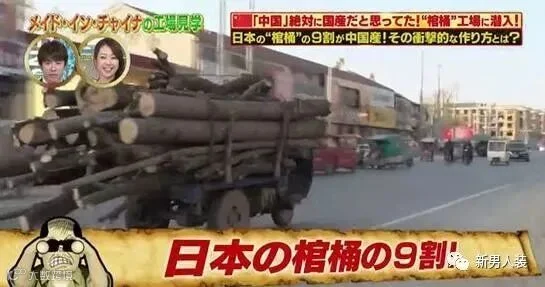
 Here is an experiment conducted by the show:
What if all Chinese products are removed from a Japanese home?
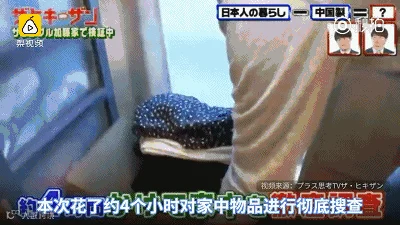
Now they are removing all made-in-China products from the house.
619 made-in-China things are found in total after the 4-hour clean-up work.
Thereinto:
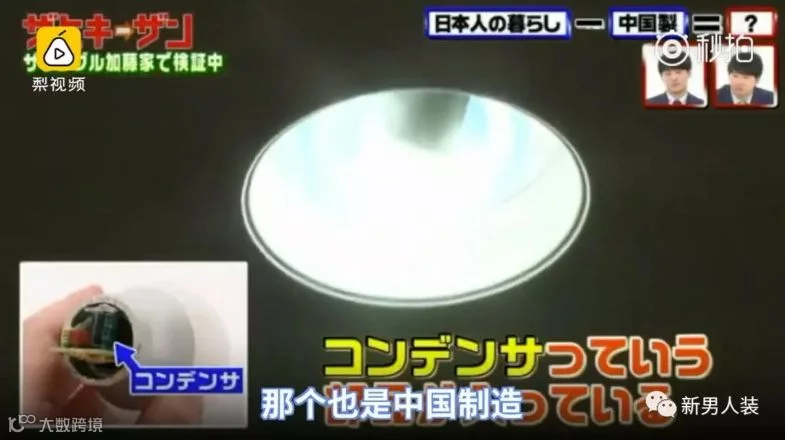
All household appliances, even a little bulb.
More than 80% of clothes, ranging from expensive suits to bed sheets and socks.
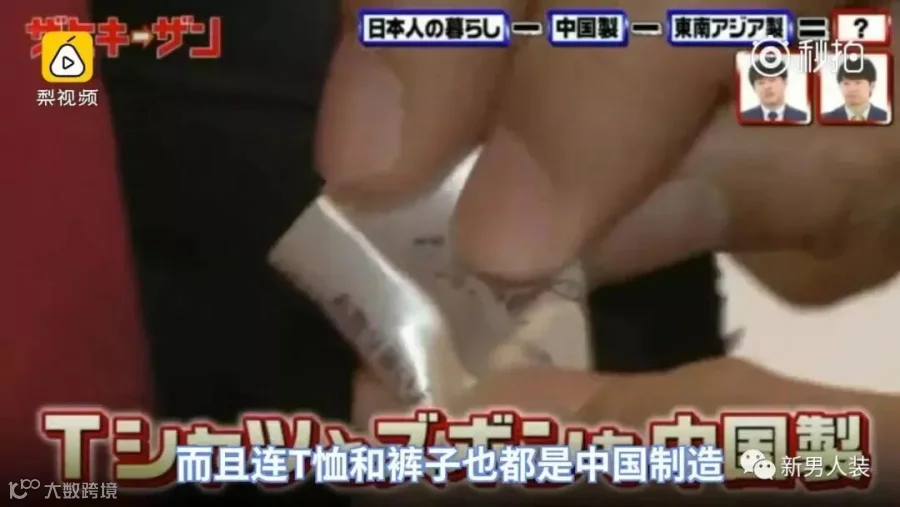
As we can see, the house turns out to be empty without Chinese things. And the house owner, becomes almost naked after being taken off all his made-in-China clothes, yelling: “This is humiliating!”

America
Ten years ago, Sara Bongiorn, an American writer, had published a book named A Year Without MADE IN CHINA.
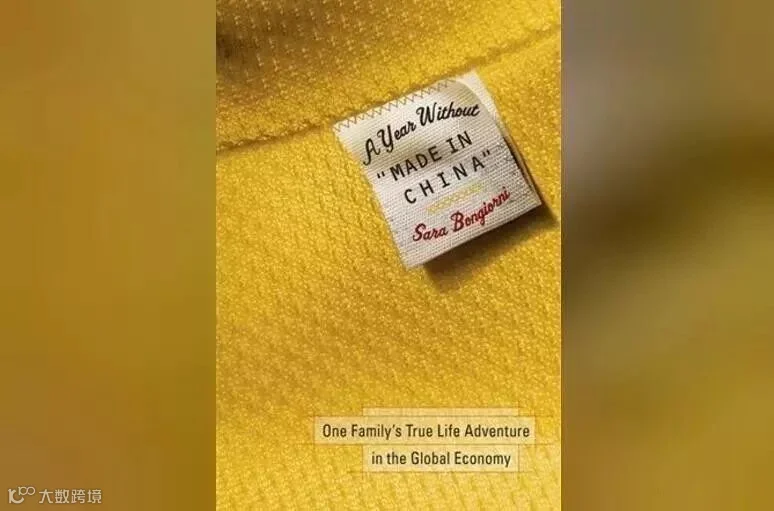
 Here is an experiment by Sara Bongiorn:
She wondered how economic globalization affected an American’s life, so she and her families decided not to buy or use any Chinese goods within a year.
Sara thought it would be okay without Chinese things because there were still many products made by other countries.

Yet her life seemed to be not okay as she thought. But actually, buying new shoes, choosing a gift or even doing repair work on household appliances, all become nightmares to Sara and her families.
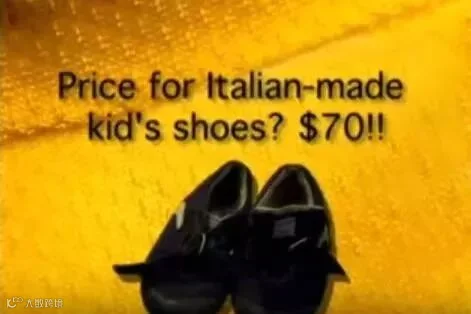
● Sara had to cost 68 dollars to buy only a pair of sneakers made in Italy to her son, nearly 58 dollars more than the one made in China!
● It took more money to buy a box of LEGO as her son’s birthday present than other made-in-China toys.
● There is no way to repair household appliances because not only components of the appliances but also the repair tools are from China.
● The filter element of cleaner is made in China, without which, it got harder to clean up the house.
● No mousetrap to catch mouse any more.
● On the birthday of Sara’s husband, Sara could not even find a birthday candle that was not made in China at 6 grocery stores.

Sara and her families had led a more expensive life in this whole year without Chinese products. Worse still, they appeared to be exhausted after keeping searching such substitutes for made-in-China goods.
We can draw an inspiration from the book that American can’t afford to live without Chinese things, or they have to suffer from high living costs and huge inconvenience.
MADE IN CHINA Today
Enhancing brand awareness and increasing requirements promote continuously development of Chinese products. MADE IN CHINA are gradually getting rid of its past label image -- bad, shoddy and poor-quality, and trying to win reputation from the world.
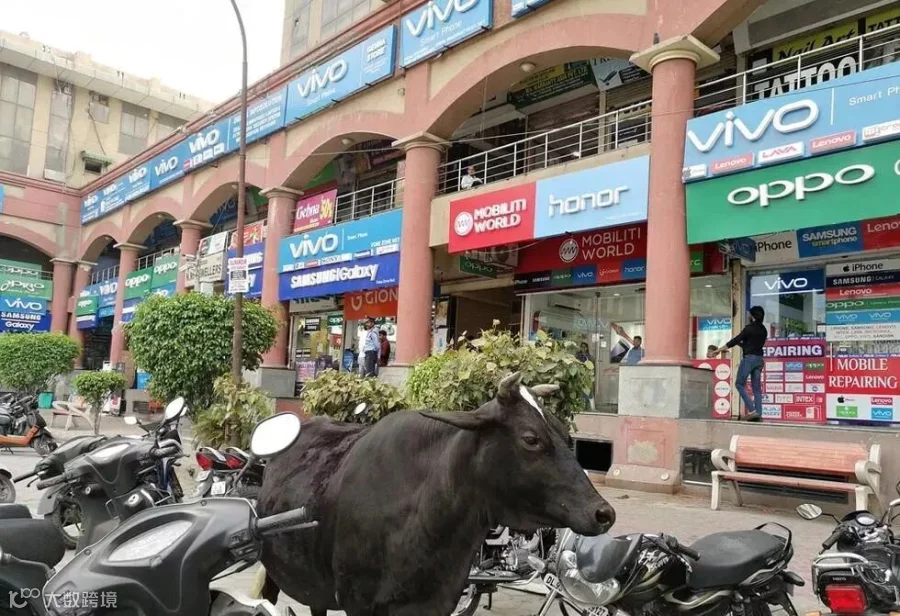
Made-in-China mobiles have already occupied Indian phone market.

Not just about petty commodities, but technical products including American military uniform, body armor and unmanned aerial vehicle are made in China!
So don’t look down upon MADE IN CHINA any more, under the economic globalization, none of us can live without MADE IN CHINA.
Share to let your friends know.
Ref:
newfhm/People'sdaily





HACOS,Business Services Solutions Master