

It is well-known that learning Chinese is not a easy case. Although Chinese is not so common as English, it never means that foreigners could get away from studying Chinese in their daily lives.

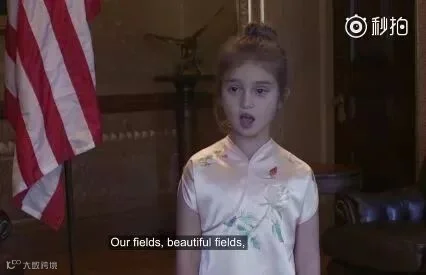
Actually, even though Arabella, the granddaughter of Donald Trump, also sang a Chinese song via social media that won great popularity.
↓↓↓
And recently, an official report released by China International Publishing Group (CIPG) shows ”the most recognized top-100 Chinese words overseas” .
So, here is question: Rather than words like “Nihao”, which Chinese words do foreigners recognize the most?
Most recognized Chinese words
Interviewing people from 8 countries including America, Britain, Philippines, South Africa, Canada, Singapore and India, the suprising answer of the problem from the report is:
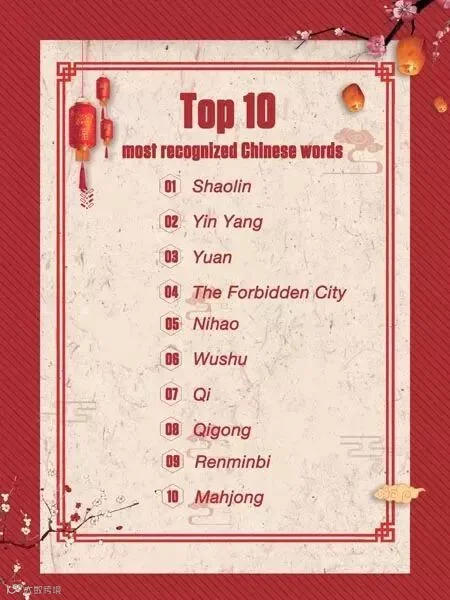
According to the report, “Shaolin”, from the Shaolin Temple -- the most well-known Buddhist Temple internationally for its martial arts training -- tops the list of the 100 most recognized Chinese words.

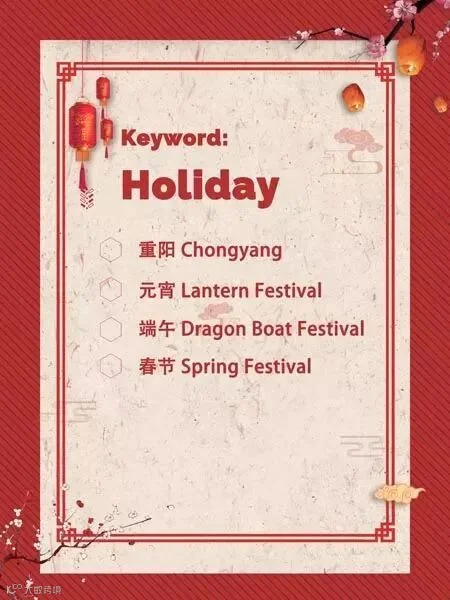
As we can see, there are totally 5 words related to “Chinese Kungfu” in the top-10 words. We wonder how much our foreign friends like Chinese Kungfu! Additionally, there are another 3 keywords that are commonly known by foreigners:
If you search keywords -- “Spring Festival travel rush”, the most common result you will see is “Chunyun”:
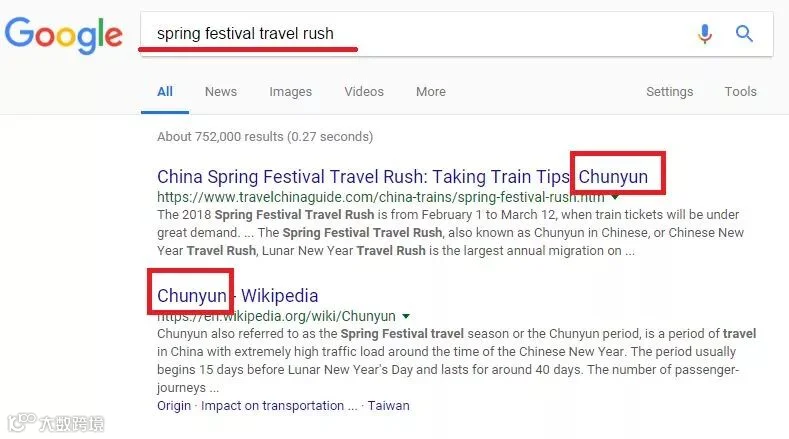
In such case, some foreign medias quote “Chunyun” into the news headline:


One time, a young man from overseas country asked me some places of interest in Shanghai, so I told him “The Bund”. However, after getting confused for a while, he finally had some ideas: “You mean... Wai Tan?”


Fresh from China, “Jianbing” came ashore in the San Francisco Bay Area. They stormed Seattle. They descended on Portland, Ore.
Now, they are sweeping across Manhattan, with sightings near Washington Square Park, Midtown and Columbia University.
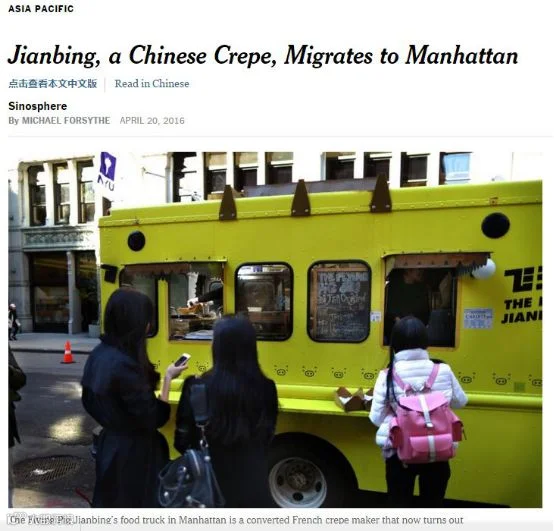
Besides from words mentioned above, foreign people are gradually familiar with many other words related to development of modern China, concerning:
● One Belt & Initiative
● Silk Roads
● Chinese Dream
● Community of Common Destiny
● RMB
● Central Bank of China
● Alipay
● Online Shopping
● Innovation
● High Speed Railway
● Sun Wukong
● Chang’e
● ...

Surge in English Dictionaries!
From expats’ perspectives, Chinese characters appear to be something mysterious and elusive. This is a question from Quora:
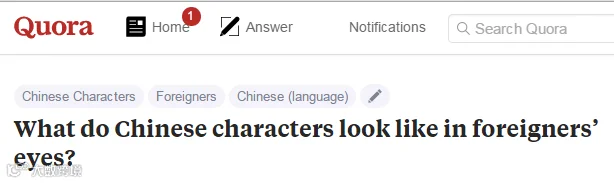
A comment belowed gives the most incisive answer with merely a picture.
↓↓↓

"At first they looked like this, some kind of code."
"It made me think 'OK, this is Chinese. I’m in China.'"
Just in recent years, Chinese Internet buzzwords are drawing global attention, and even some of them have been included into authoritative English dictionaries like the American Urban Dictionary and Oxford English Dictionary.
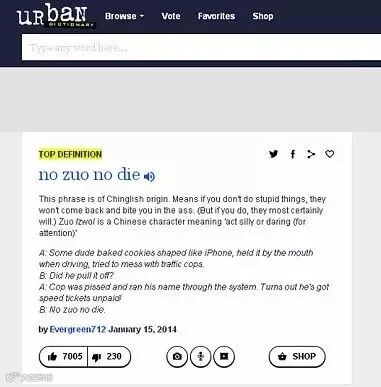
For example:
“No zuo no die”
● English meaning: if you don't do stupid things, they won't come back and bite you in the back.
"You can you up, no can no BB"
● English meaning: if you can do it you should go on and do it, instead of criticising others' work.
“Tuhao”
● English meaning: rich rednecks.
“dama”
● English meaning: elderly women.

Nowadays, as China continues to enjoy fast economic growth and extensive contact with the rest of the world, there has been ever greater demand for mandarin learning in many countries, and more words of “Chinese origin” surge in English dictionaries.
We are proud of it indeed!
Pics. from: CGTN & Globaltimes

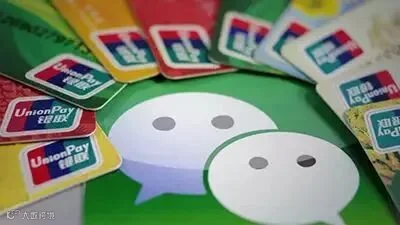




HACOS,Business Services Solutions Master