
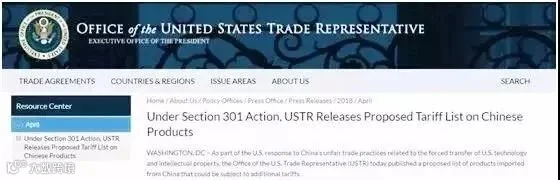
According to the latest news reported on April 4th, theUnited States Trade Representative (USTR) identified products to be subject to increased tariffs following the USTR section 301 investigation into China’s trade practices.
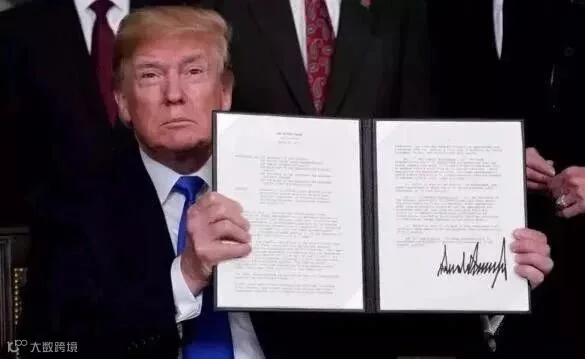
In such case, you should pay more attention if you have any commodity exported to America.
Involved industries & commodities
The list of products to be subject to the additional 25% duty is extensive and covers goods in a number of different industries. Some of the covered products include:
Organic chemicals, many of which appear to be active pharmaceutical ingredients
Pharmaceutical products
Iron, steel, and aluminum
Turbines, engines, motors, and aerospace products
Pumps, compressors, and various types of production machinery and equipment
Scales
Construction and agricultural equipment
Printing machinery
Textile-related machinery
Various types of machine and hand tools
Computer-related equipment and accessories
Electrical equipment, including transformers
Measuring and checking instruments
All products that are classified in the 8-digit subheadings of the Harmonized Tariff Schedule of the United States (HTSUS) that are listed in the Annex are covered by the proposed action. And the first six numbers are the same as HS Code.
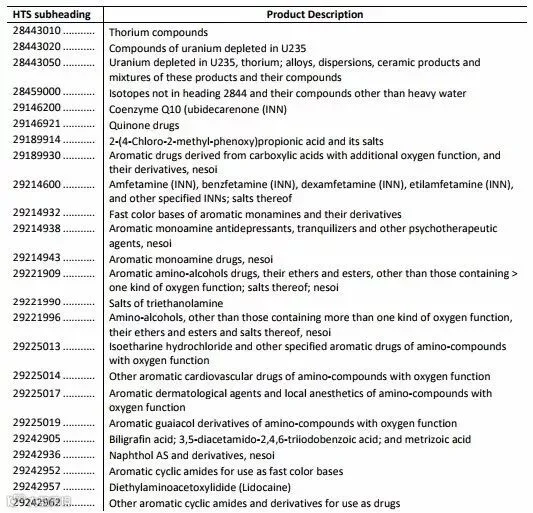
Taxable commodities imported from China
For detailed taxable commodities mentioned in the Annex, please refer to:
https://ustr.gov/sites/default/files/files/Press/Releases/301FRN.pdf
China’s Respond
China has already announced that it will respond proportionately by imposing an additional 25% duty on 106 US products, to include soybeans, whiskey, and automobiles.
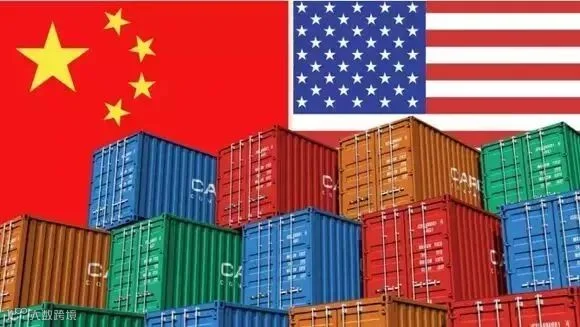
A complete list, with tariff numbers, prepared by the US-China Business Council, of the US products subject to the additional 25% duty is available here:
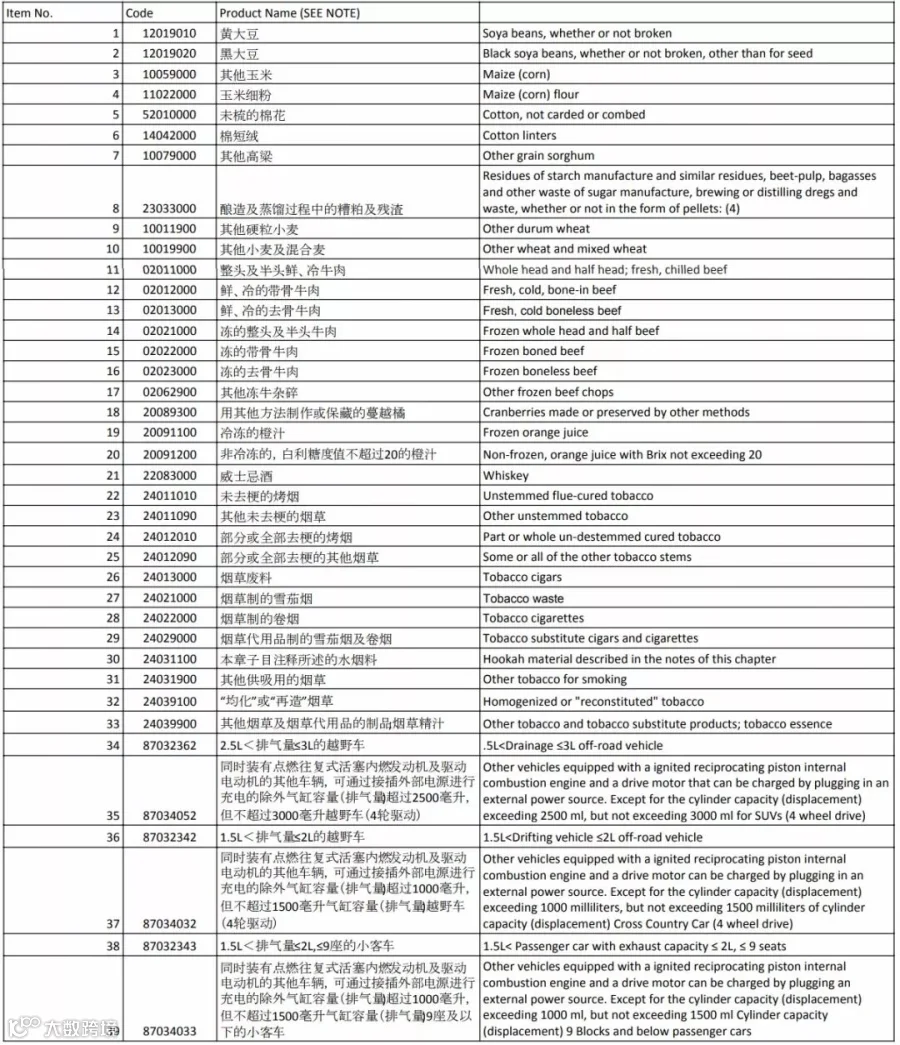
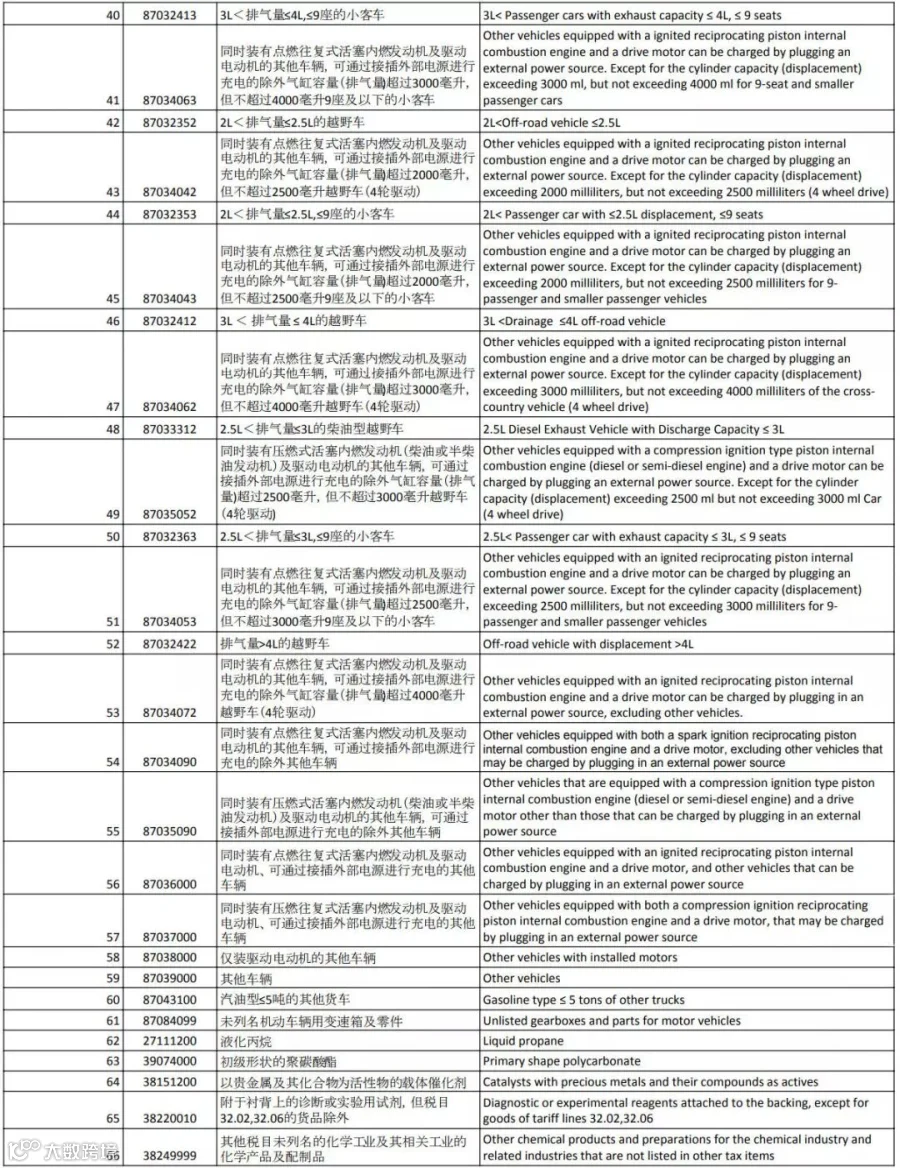
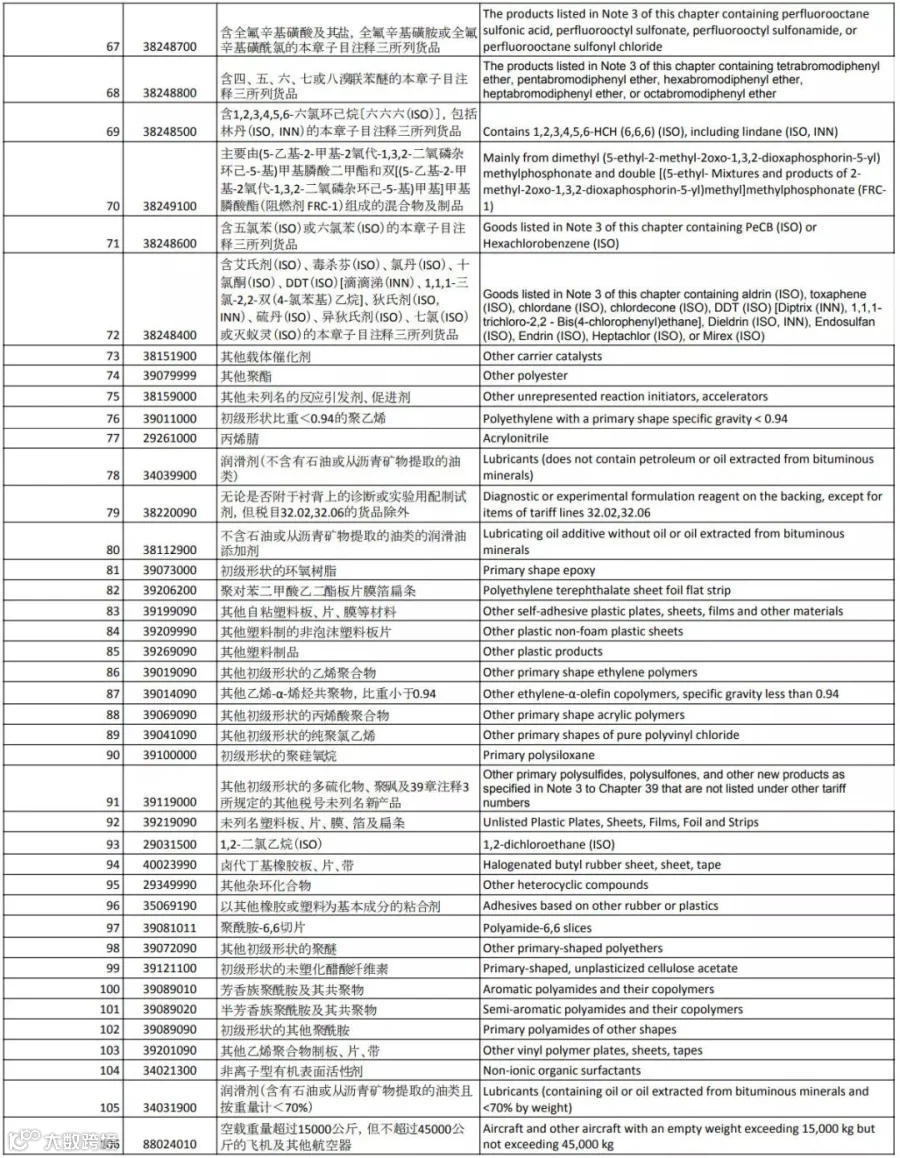
 Tap to slide
These duties will be in addition to China’s recently implemented retaliatory tariffs on over $600 million in imports of a number of US-origin products.
Developing markets in
Middle-East & African regions
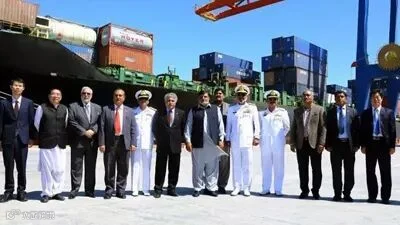
Trading ties between China and Middle-East and African regions have been promoting along with the Belt & Road Initiative.
China imports energy, mineral and agricultural products mainly from Middle-East and African regions. Correspondently, they introduce high technologies from China. This will be a win-win situation.
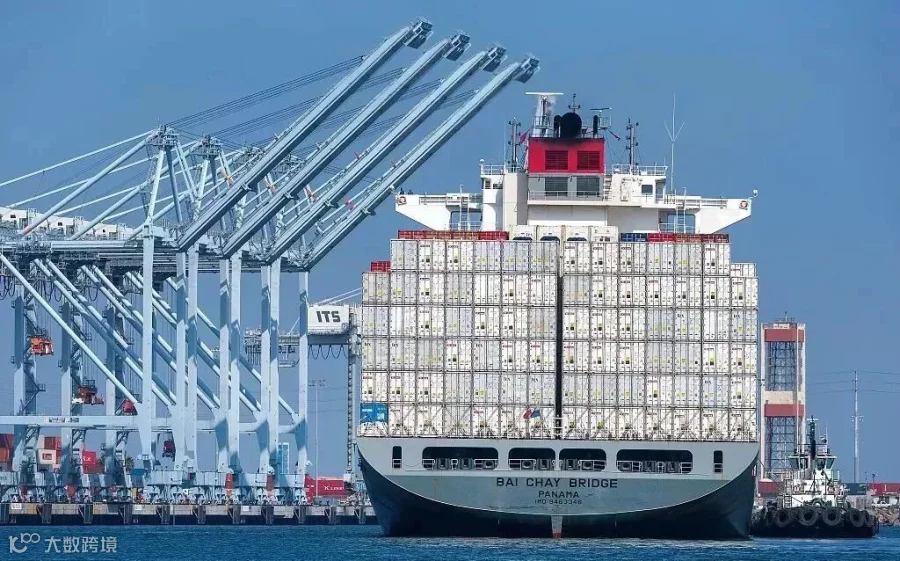
Under preferential policies and favorable economic environment, Chinese exporting companies value markets in Middle-East and African regions.

For now, there are ten more industry parks built in Africa. In the future, more goods made in China will get into more markets in Middle-East and African regions.
Notice
There are 60 days given to adapt the new policy, that means, Chinese commodities exported to America still free from higher tariffs before June this year.

For more shipping and logistics information, welcome to follow HACOSLogistics! Thanks for your support!


HACOS,Business Services Solutions Master