
Starting from April 1, a series of new rules and policies will take into effect across China. Here are a few policies which have major impacts on you. Let's see how everyday life will be changed.
Limite on QR Code Payment
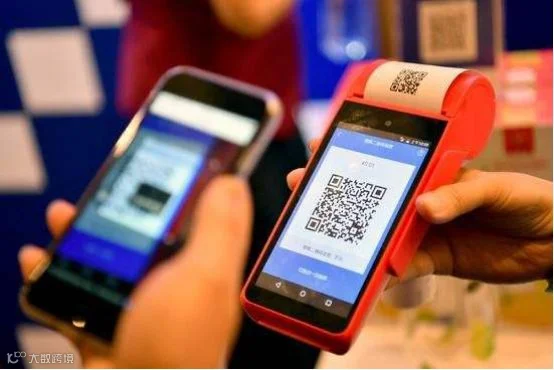
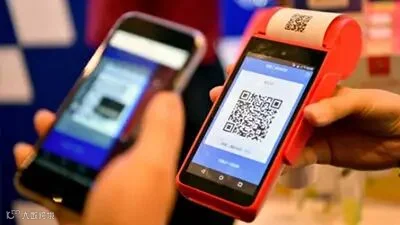
A maximum 500-yuan ($79) daily limit will apply to static QR code payments(the QR code cut-outs found in many stores and F&B outlets that you scan to pay), according to a regulation set to take effect on April 1.
© Image | sina
The new regulation released by the People's Bank of China, the central bank, at the end of last year, aims to strengthen mobile payment security and protect customers' personal finances.
The 500-yuan transaction limit, the lowest of new limits, was set for static code payments. Compared to dynamic codes, payments made by scanning a static printed code were highly risky and ranked level D in the central bank's risk rating system.
But what if you have to make a payment exceeding RMB500?
Dong Ximao, executive president of the Hengfeng Bank Institue explains that the regulation is directed specifically for vendors, and will have little impact on consumers."If you spend more than RMB500 on dinner, just ask the cashier to scan the dynamic QR code on your phone, which is much safer."
Enviroment Tax
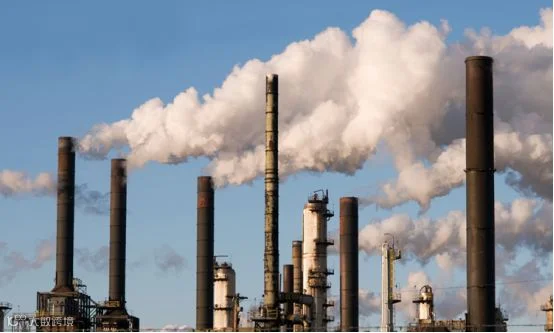
More than 260,000 companies and other entities in China that discharge pollutants will have to start paying an environment tax as of April.
© Image | rewireme
The Environmental Protection Tax Law was implemented on January 1, 2018, with the first payment period beginning on April 1. It also requires those liable to file quarterly. Chinese enterprises will have to pay the tax if they produce noise, air and water pollutants or solid waste.
Under the Environmental Protection Tax Law, which targets enterprises and public institutions that discharge listed pollutants directly into the environment, companies will pay taxes for producing noise, air and water pollutants, as well as solid waste.
Guangzhou-Shenzhen-Hong Kong Express Rail Link
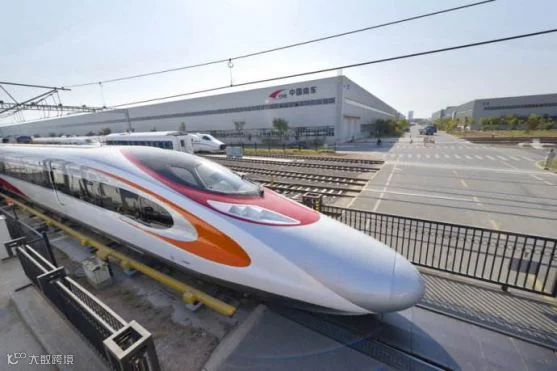
Guangzhou-Shenzhen-Hong Kong Express Rail Link started the trial operation on April 1, which facilitates the traffice between HK and Chinese Mailand, and saves much more time to each other.
© Image | xueqiu
If you want to learn more information about Guangzhou-Shenzhen-Hong Kong Express Rail, such as journy time,train fare and railsites, etc. Please refer to our article on March 30.
Driving License
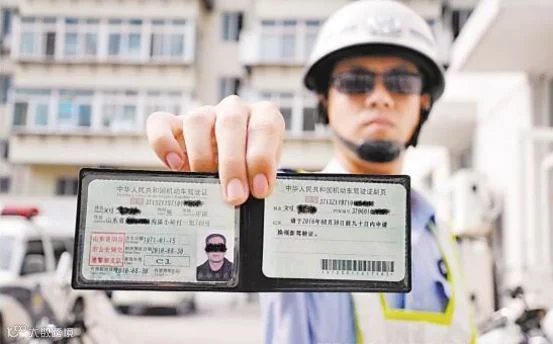
If you have signed up for the Driving License Examination and successfully passed the Subject 1 before April 1 this year, you have no need to“clock in”at practice.
© Image | proadive
After April 1, you can choose another way, internet, to learn. It means you can learn and must“clock in”on the internet for Subject 1. And the computer for teaching must possesses real time monitoring.
Now you have three options of Subject 1, included offline learning, online learning and both.
Toll-Free Highway In Guangdong During Tomb-sweeping Day
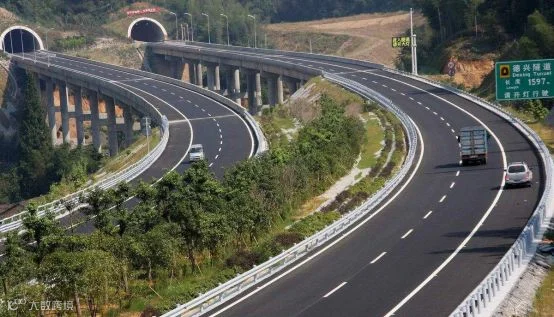
According to state regulations, from April 5 to 7, all small-sized car, with no more than seven seats, are free of charge in Guangdong province.
© Image | huitu
If you want to have a short trip, it is suggested to make it on April 6, due to a serious traffic jam on the first day and the last day.
High-Speed Rail Tickets Discounts
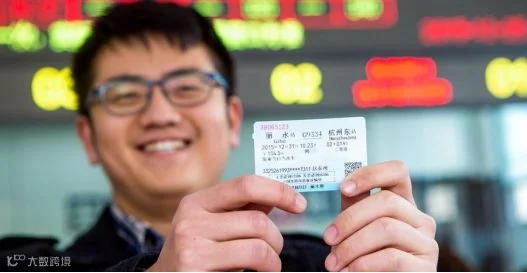
More discounts on China's high-speed train tickets will be offered, according to China Railway Corp.
© Image | zjol
Starting this week, tickets of 28 intercity high-speed railway lines, will be cut as much as 20 percent from the original price for a second class seat, Thursday's China Daily reported.
The discounted lines include:
Guangzhou to Zhuhai in south China's Guangdong Province;
Nanjing in east China's Jiangsu Province to Anqing in east China's Anhui Province;
and the island circle line in south China's Hainan Province.
Floating rates started last year on 14 routes. As much as 10 percent discounts were offered for some bullet trains running at 200 to 250 kilometers per hour.
Share to let your friends know!
Source | City weekend, Ecns, xinhua
HACOS,Business Services Solutions Master