


Hong Kong audit refers to the process of auditing the financial statements of a company by a licensed accountant in Hong Kong to ensure their authenticity and compliance.
Since the audit of Hong Kong comapny has attracted more and more people's attention, today we gonna mainly discuss the cost of audit.

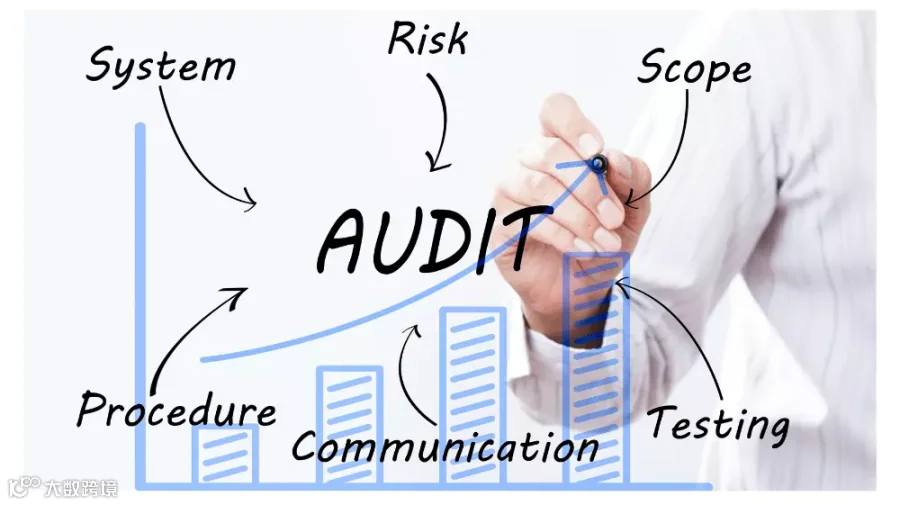
Factors such as the company's turnover, the number of transactions, the ease of accounting and the complexity of the company's structure are all key factors in determining audit fees.


1. Turnover and Business Size
Hong Kong certified public accountants sign off on an audit report, meaning that they are responsible for the report. Therefore, the greater the turnover of the company, the greater the audit responsibility of the auditor, and the corresponding audit costs will naturally rise. For example, the audit costs of a small company with a turnover of only HK $100,000 and a large company with a turnover of HK $100 million are obviously not the same.
2.The Number of BusinessTransactions
The number of bank transactions, and the frequency of bank transactions are also important factors affecting audit fees. The more documents there are, the more work the accountant has to process accounting statements and audits, and the cost naturally increases. As a result, audit fees tend to be higher for companies with heavy operations and frequent transactions.
3. Complexity of Corporate Structure
The complexity of corporate structure cannot be ignored. Enterprises that adopt a multi-tier structure or have multiple affiliated companies have significantly increased the difficulty of accounting audit, requiring more time and energy to sort out and review, so the audit cost will also increase accordingly.
In addition to the main factors mentioned above, there are a number of other factors that may also have an impact on audit costs. For example, the experience and qualifications of the auditor, the characteristics of the industry, and the complexity and risk level of the company's financial position. Experienced and highly qualified auditors will naturally charge more; Audit standards and processes in different industries may vary, resulting in different costs; The more complex the financial situation of the company, the higher the risk, and the corresponding increase in audit costs.
Faced with potentially high audit fees, companies are not only passive acceptance. Through some reasonable measures, audit costs can be controlled to a certain extent.
For example, prepare all required financial and business documents in advance to reduce the auditor's work on document preparation; Choose cost-effective auditors and audit institutions; Optimize company structure and management processes to reduce unnecessary complexity and risk; And actively cooperate with auditors in the audit process.
If you have other questions in the audit of the Hong Kong company, or are looking for related services, feel free to contact us!
HACOS always strive to provide our clients with more high-quality, efficient and considerate services, covering China visas, tax-planning, incorporation, financial consulting, global shipping, intellectual property, foreign trade services, legal consultation, etc.