
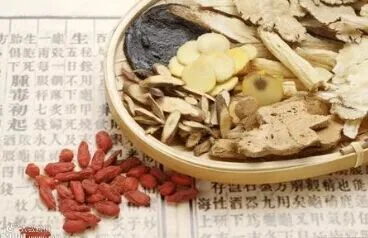
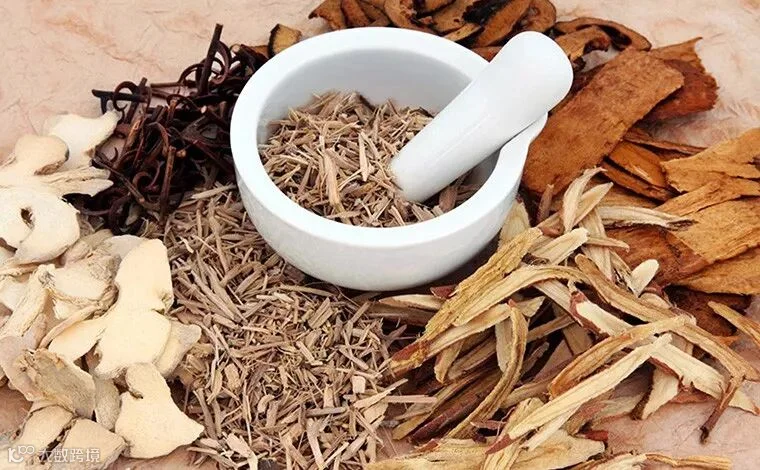
Chinese herb
Traditional Chinese medicine, is a style of traditional medicine built on a foundation of more than 2,500 years of Chinese medical practice that includes various forms of herbal medicine, acupuncture, massage, exercise, and dietary therapy.
The Capital of
Traditional Chinese Medicine
If we talk about Traditional Chinese medicine, we talk about Bozhou.
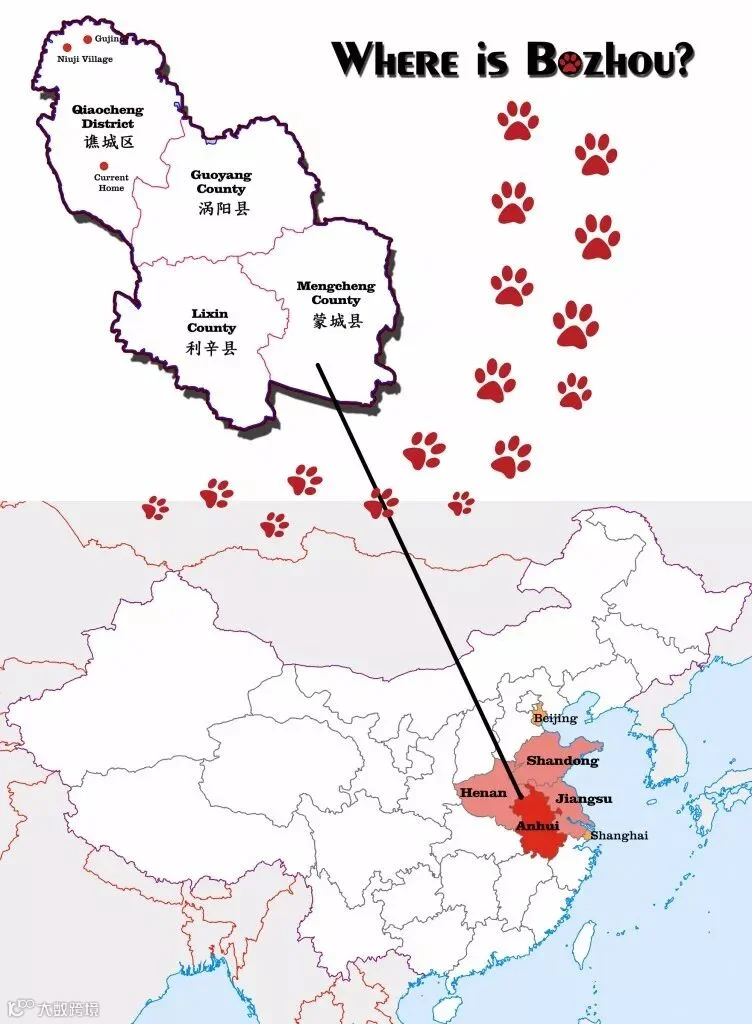
Bozhou, a prefecture-level city in northwestern Anhui, China, is currently the capital of Traditional Chinese medicine (TCM) in mainland China, with one of the largest TCM industries in the country.
It borders Huaibei to the northeast, Bengbu to the southeast, Huainan to the south, Fuyang to the southwest, and Henan to the north.
© Image | lost panda
Bozhou is rich in agricultural products and resources. Most families rely solely on farming for their income making Bozhou one of the major grain producing areas in China, with an annual production output of nearly 5 billion kilogram, accounting for one seventh of the whole of Anhui province.
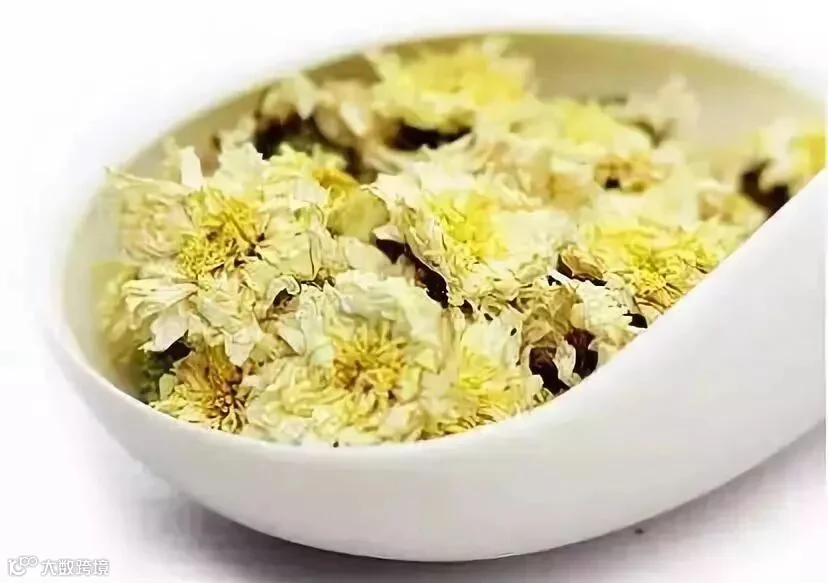
However, the focus lies on traditional Chinese medicinal herbs, corn, peanuts, cotton and vegetables. In fact, Bozhou’s farmers grow over 500 different variations of Chinese medical herbs on a cultivation area of over 1 million mu 亩 (about 165000 acre). This has led to many Chinese medicinal herbs carrying the name Bozhou in it.
For example, herbs such as “Bozhou Peony”, “Bozhou Chrysanthemum” , or “Bozhou Mulberry Cortex”have been included in the traditional Chinese medicinal materials recorded in the Pharmacopoeia of the People’s Republic of China.
© Image | google
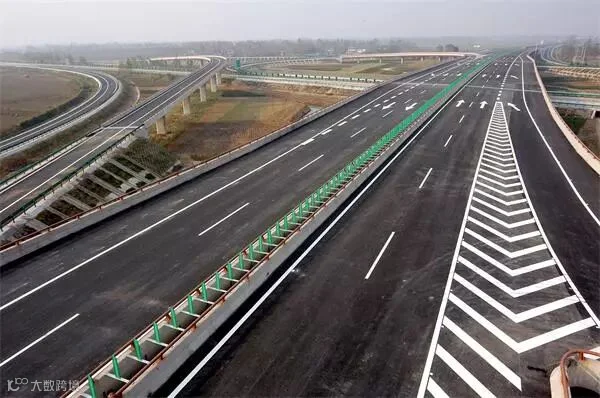
As a central region of East China, Bozhou is a hub city located at the intersection of four provinces. It has advantageous geographic location and convenient transportation network.
With the construction of Shangqiu-Hangzhou High Speed Rail and Bozhou Airport, a convenient transportation system will be established, and it will take 1 hour to reach Hefei, 3 hours to Shanghai and Hangzhou and 3.5 hours to Beijing.
© Image | google
The Current Condition
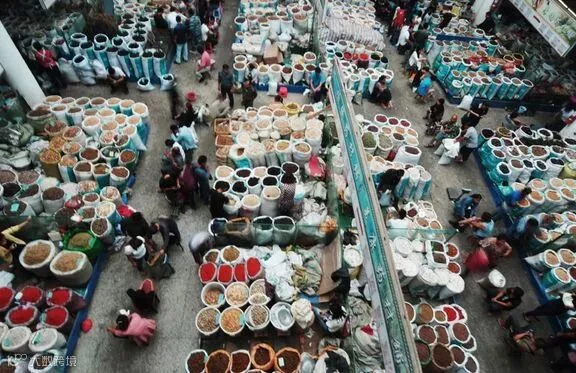
The city of approximately three million people is centered around a massive 85-acre market, where some 6,000 traders come from every corner of southeast Asia to ply the ingredients of traditional Chinese medicine. At the heart of the market is a multi-level structure holding seemingly endless aisles of vendors hawking curious, and aromatic.
 © Image | google
In 2017, companies based in Bozhou exported value over 30 billion!
In the modern Chinese medicine sector investors and advocates are working on new types of Chinese herbal slices, traditional Chinese medicine extraction, Chinese patent medicine manufacturing, traditional Chinese medicine health care products, traditional Chinese veterinary drugs, or traditional Chinese medicine additives.
Bozhou hosts the Annual Trade Fair of Traditional Chinese Medicine every year for 33 years.
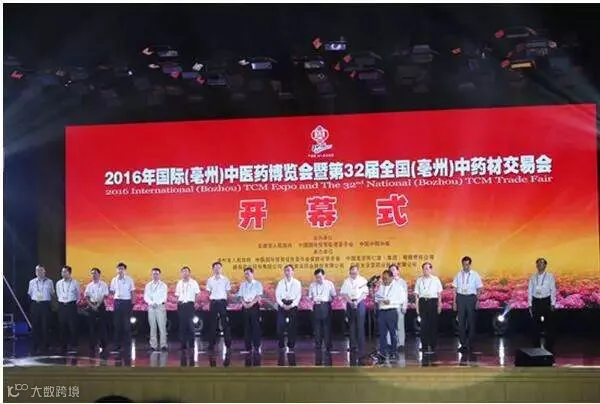 © Image | Haozhou govt
The fair is aimed to publicize the profound Chinese herbal and medicinal culture in Bozhou and strengthen the urban image and tourism brand here and thus push forward the development of Chinese herbal substances and herbal industry in Bozhou.
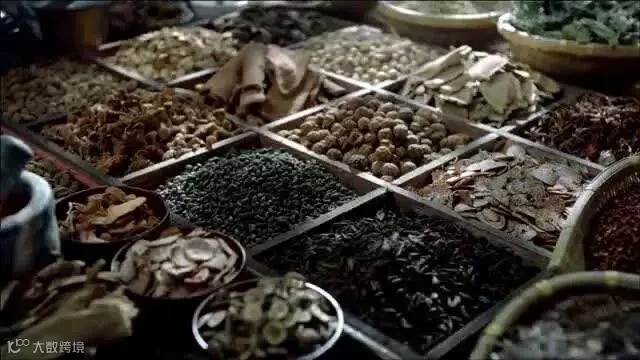
© Image | google
Though the Bozhou herb market feels timeless — and there has indeed been an herbal market on the site for centuries — the market has recently undergone a boom as Westerners have increasingly adopted elements of traditional Chinese medicine. Today, the downtown is ringed with pharmaceutical factories, and hotels for visiting traders.
Share to let your friends know.
Ref | Wikipedia, chinaslostpanda,Haozhou govt
HACOS,Business Services Solutions Master