

ASMR, autonomous sensory meridian response, refers to the sounds of people whispering, tapping or stroking a microphone, or eating foods to create a sense of relaxation for their audiences.
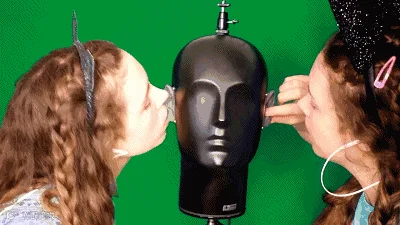
© Image | uc
In an announcement posted recently, China’s anti-pornography office cracked down on ASMR videos on video streaming platforms, telling services to “thoroughly clean up vulgar and pornographic ASMR content.”

© Image | jijidown
Since then, ASMR videos have disappeared from all major Chinese streaming platforms.
Some ASMR videos involve sexual content and dress by hosts, the community at large has often pushed back against that association.

© Image | sohu
In a 2015 paper that studied ASMR media consumers in the United States and Western Europe, researchers found that 82 percent of participants reported using ASMR as a sleep aid, 70 percent used them as a way to decrease stress, and only 5 percent reported using ASMR media for sexual stimulation.

© Image | huitu
Regardless, the anti-pornography office stated in its announcement that porn is being disseminated under the guise of ASMR on many websites.
It says that websites need to clean up and law enforcement agencies need to punish offenders. “A large part of ASMR audiences is young people,” reads the statement.
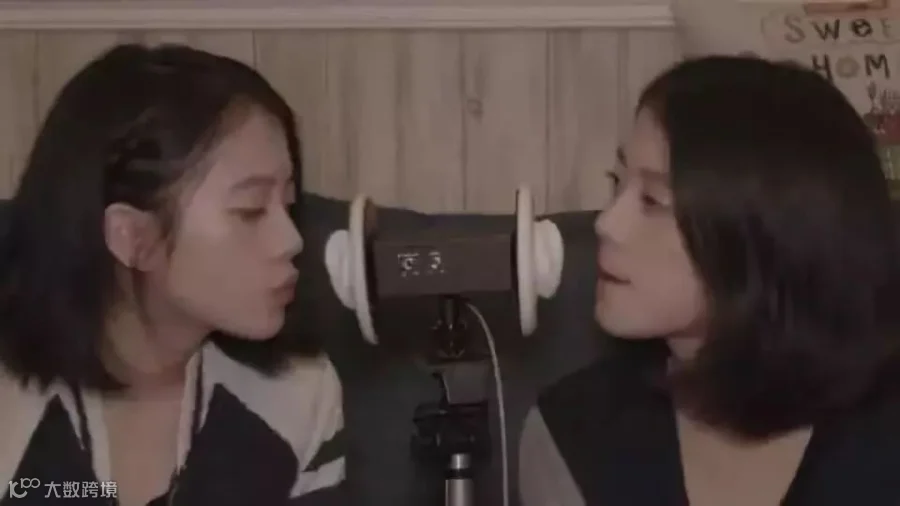
© Image | weibo
The office’s language and guidelines remain vague on what exactly constitutes pornographic content in this context, however. In response, many streaming platforms like Youku, Bilibili, and Douyu have since taken down all ASMR content.
Searching for the keyword “ASMR” on those streaming platforms rendered no results at the time of this article’s publication.
Share to let your friends know!

Source: the verge.com







HACOS,Business Services Solutions Master