

The yuan weakened to as much as 6.5160 per dollar in onshore trading on June 21st, before trading little changed as of 3:00 p.m. local time. That means, the devaluation almost fall to its lowest level on this year’s records.
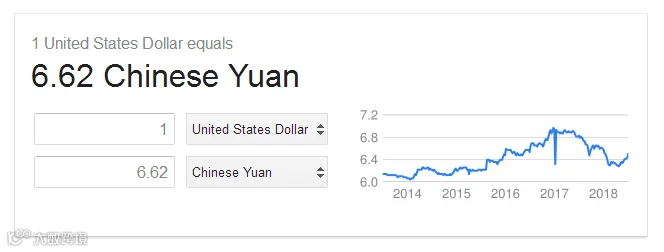
Onshore yuan spot (yuan per dollar)
So, what will be the influences especially on foreign business? Will it be negative or positive? Let’s see!
Depreciate
for a Reason?
China may let the yuan depreciate gradually as a tactical move in its trade war with the US, evaluating the economic impact of a weaker yuan as a countermeasure to US tariffs, although it doesn’t mean the currency’s devaluation.
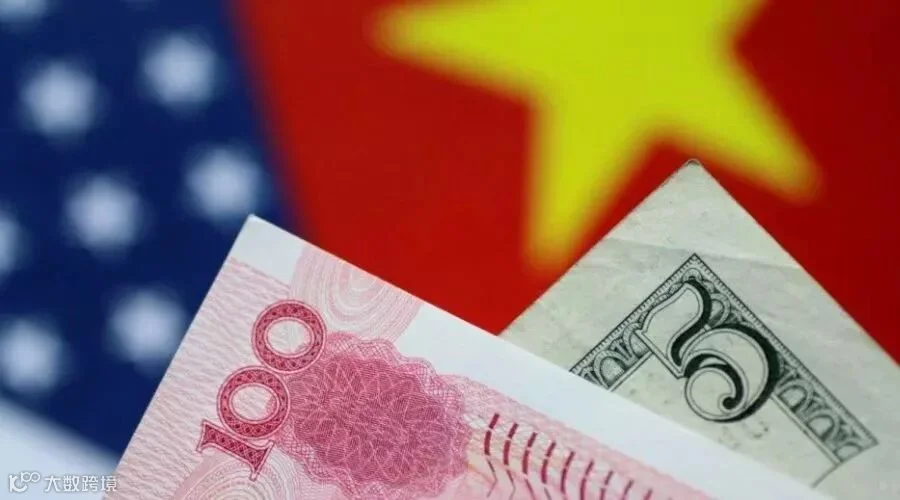
Senior Chinese officials are studying a two-pronged analysis of the yuan that was prepared by the government.
One part looks at the effect of using the currency as a tool in trade negotiations with the U.S., while a second part examines what would happen if China devalues the yuan to offset the impact of any trade deal that curbs exports.
Yuan
in Play?
Early in April this year, the S&P 500 Index slumped more than 9 percent from this year’s peak in January, while the Shanghai Composite Index lost 12 percent on concern that tensions between America and China could devolve into a full-blown trade war.
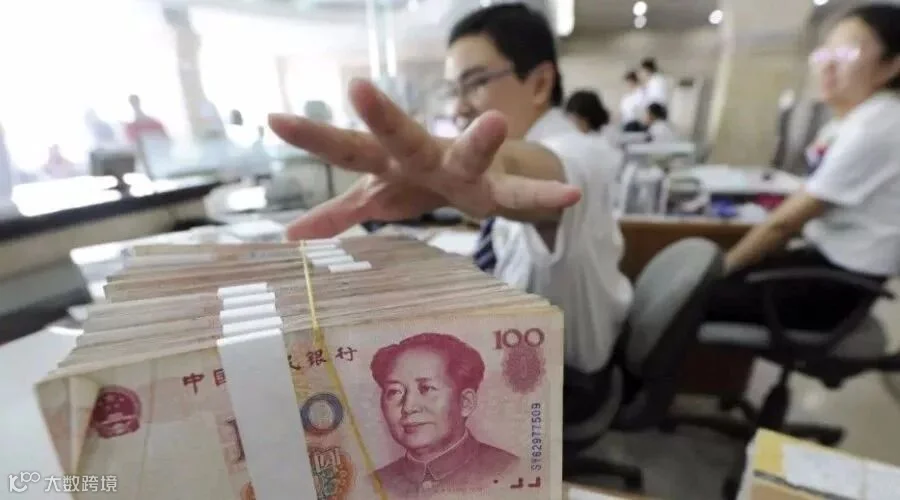
Although China limits daily fluctuations in the yuan to 2 percent on either side of a reference rate set by the central bank, however,
Will the rate touch as high as
7 percent before long?
Major
Influences
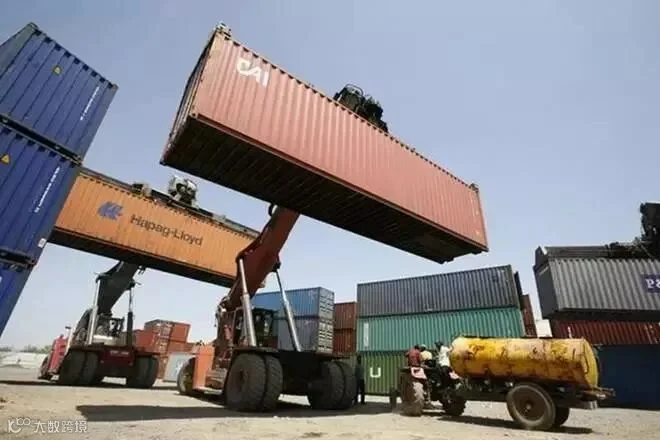
A weaker yuan could help shore up China’s export industries in the event of widespread tariffs in the U.S..
● Make it more difficult for Chinese companies to service their mountain of offshore debt.
● Undermine recent efforts by the government to move toward a more market-oriented exchange rate system.

Expose China to the risk of heightened financial-market volatility. When China unexpectedly devalued the yuan by about 2 percent in August 2015, the move fueled capital outflows and sent shock-waves through global markets.

For more shipping and logistics information, welcome to follow HACOSLogistics! Thanks for your support!



Ref | bloomberg
HACOS,Business Services Solutions Master