
The first half of 2018 has passed in a twinkle and July has come. Starting from 1st July, a series of new rules and policies take effect across China. Here are a few policies which have major impacts on you. Let's see how everyday life will be changed.
Data Roaming Charges
Has Been Canceled!
China's three largest telecom operators China Mobile, China Unicom and China Telecom announced last month that they would cancel data roaming data charges starting July 1.

© Image | Google
That means there will only be national data (can be used all around mainland China) without provincial data (can only be used within the province where you applied for the SIM card). No matter which Chinese city you are in, you can use your data without other extra service charges.
Can Buy Cheaper
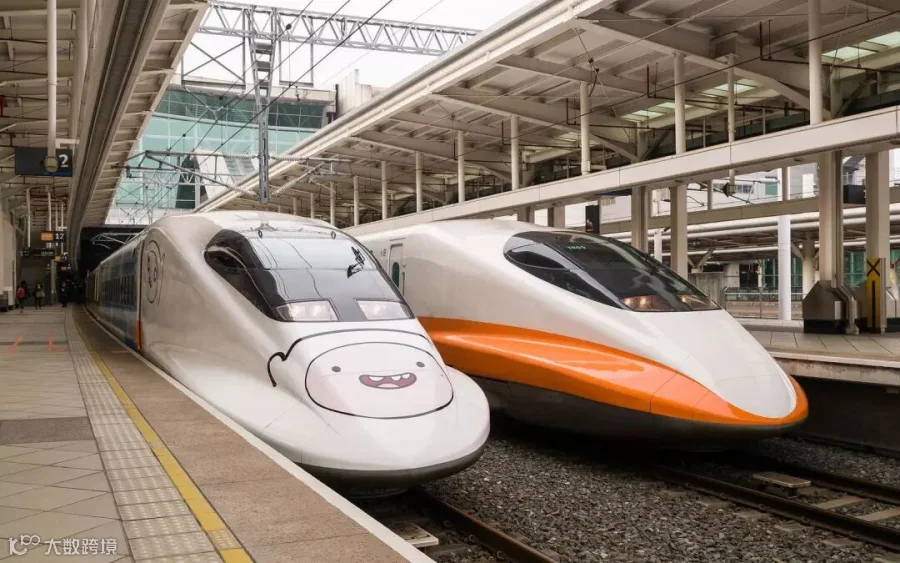
High-speed Rail Ticket Now!
According to CRC(China Railway Corporation), from 5th July, ticket prices of G and D trains with a speed of 200 to 250 km/h from
Hefei to Wuhan,
Wuhan to Yichang,
Guiyang to Guangzhou,
Liuzhou to Nanning,
Shanghai to Nanjing,
Nanjing to Hangzhou.
© Image | Google
All the lines above will be adjusted according to seasons, time buckets, classes of seats and sectors, with a highest discount of 35%.
The Import Tariffs on These
Products Are Greatly Reduced!
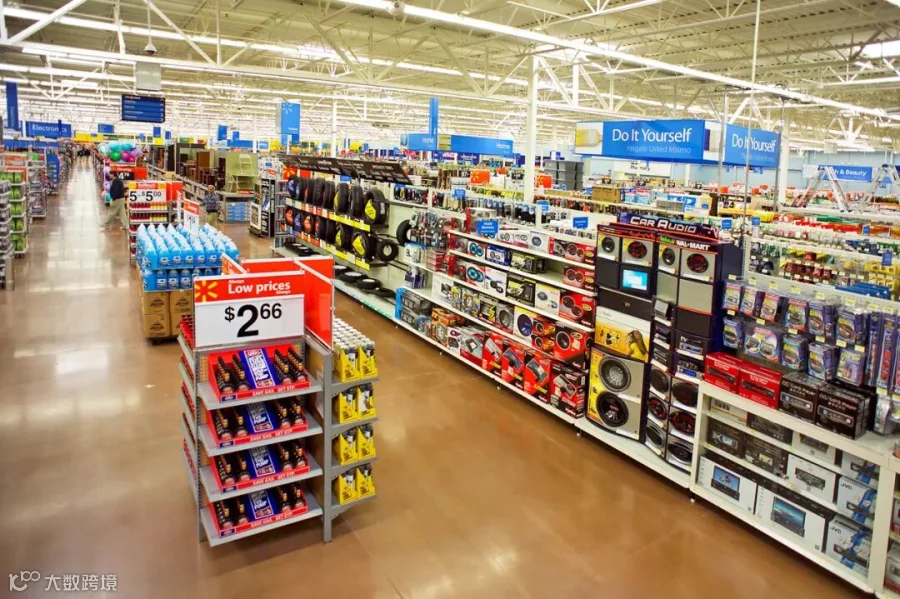
Starting from July 1, the import tariffs on daily consumer goods will be reduced on a larger scale to better meet the diverse consumer needs of domestic residents. The average tariff rate on import duties such as clothing, shoes, hats, kitchens and sports and fitness products fell from 15.9% to 7.1%.
© Image | Google
The average tariff rate for household appliances such as washing machines and refrigerators fell from 20.5% to 8%;
The average tariff rate on import tariffs for processed foods such as farmed or aquatic products and mineral waters fell from 15.2% to 6.9%;
The average tariff rate on toiletries and skin care products, hairdressing products, and some medical and health products fell from 8.4% to 2.9%.
The overall reduction of Import Tariffs will be more than 50%.
Hong Kong Immigration Department
Begins to Relax Cash Limit
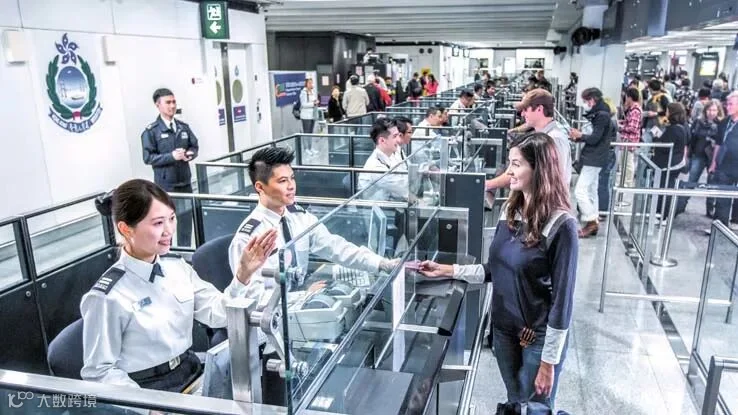
Since July 16th, the Hong Kong Immigration Department will relax the cash limit and the amount of cash required to be declared will be raised from $20,000 to $120,000.
© Image | Google
Under the new policy, passengers arriving at Hong Kong via the Control Point, who have a large amount of cash more than HK$120,000 must use the Red Channel to make a written declaration to the Customs. In addition, large amounts of cash items that are imported or exported for the same batch of goods must be reported to the customs in advance by electronic means.
Domestic Higher Education Degree
Certification Service Charges
Are Canceled Completely!
According to a notice issued jointly by the Ministry of Education and the Ministry of Finance, from July 1st, China completely cancel the charges for domestic higher education academic degree certification services.
After canceling the fee, the online degree certification have been implemented on the academic degree registered in the database system and degree information management system. Earlier, the Ministry of Education has connected the academic degree information database to the national data sharing exchange platform.

© Image | Google
In the next step, the Ministry of Education will vigorously promote electronic inquiry and certification services, further simplify the service process, improve the quality of service, and better meet the social needs of data inquiry for domestic higher education qualifications.
China Cuts Import Tariffs on Many
Countries in the Asia-Pacific Region
Since July 1, China cuts tariffs on imported goods from some Asia-Pacific countries such as Bangladesh, India, Laos, South Korea, and Sri Lanka.
Imported from India, South Korea, and other countries, the import tariff rates for seafood, flowers, fruits and vegetables, medical supplies, beverages, non-ferrous metals, chemicals, steel products, aluminum products, tires, engines, and etc will all be reduced with varying degrees.
© Image | ZEENews
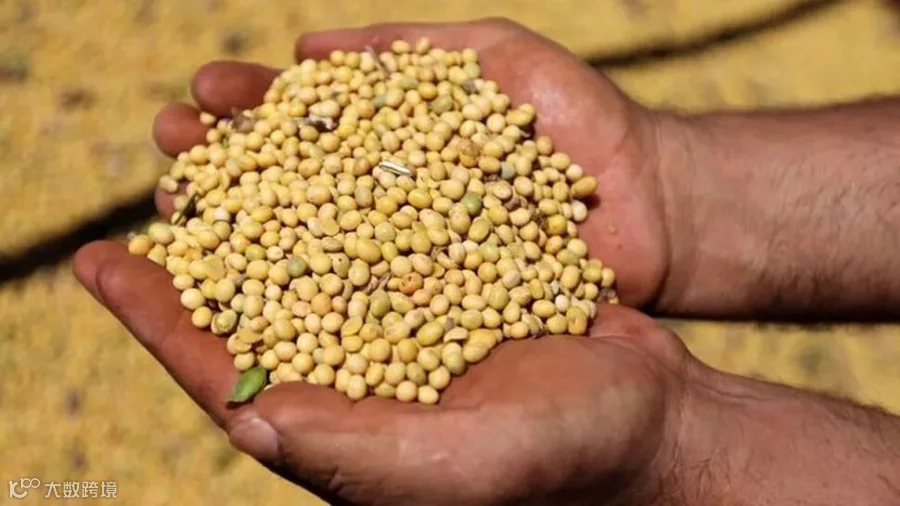
Particularly, China will adjust the tariff rates on soybeans from India, South Korea, Bangladesh, Laos, and Sri Lanka from 3% to zero!
GD’s Minimum Wages to Increase!
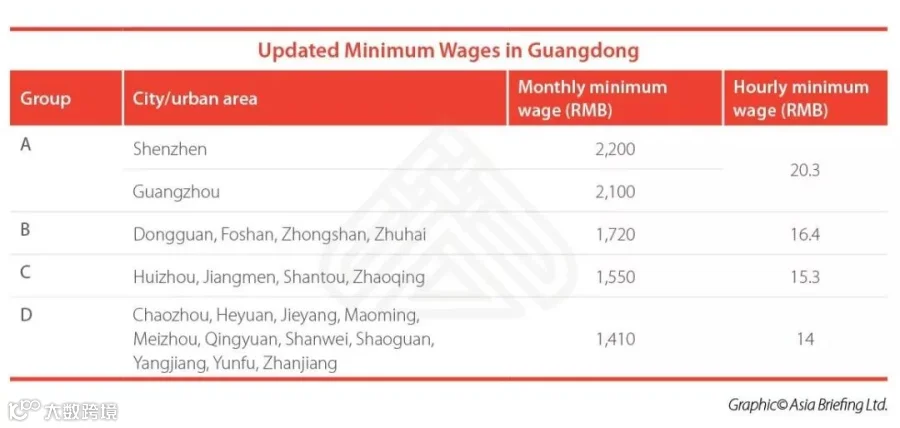
Like most regions in China, Guangdong sets different tiers of minimum wages according to the developmental status of the province’s urban clusters.
© Image | AsiaBriefingLtd
Group A: This is the tier for Guangdong’s most developed cities. In this category, Shenzhen increased the monthly minimum wage from RMB 2,130 (US$322.58) to RMB 2,200 (US$333.18), while Guangzhou will increase it from RMB 1,895 (US$286.99) to RMB 2,100 (US$318.03).
Group B: This tier boasts of cities like Dongguan, Foshan, Zhongshan, and Zhuhai. Here the monthly wage will increase from RMB 1,510 (US$228.68) to RMB 1,720 (US$260.49).
Group C: This tier includes the cities of Huizhou, Jiangmen, Shantou, and Zhaoqing, where the monthly wage will increase from RMB 1,350 (US$204.45) to RMB 1,550 (US$234.74).
Group D: This tier consists of smaller cities like Chaozhou, Maoming, and Qingyuan, where the monthly wage will increase from RMB 1,210 (US$183.25) to RMB 1,410 (US$213.54).
New Rules to Restrict
Non-local Vehicles
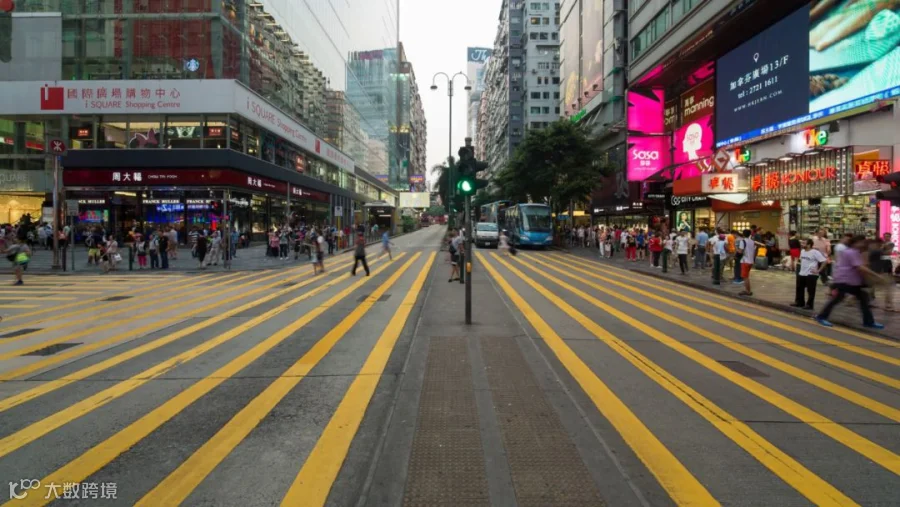
New rules to restrict non-local vehicles in Guangzhou will be officially implemented as of July.
© Image | VideoBlocks
According to the government announcement, non-local vehicles (referring to small and medium-sized passenger cars, including vehicles with provisional license plate) are only allowed on Guangzhou roads within a designated area for a maximum of four running days, and can only run on Guangzhou roads within the designated area again after a minimum interval of another four consecutive days. This policy is valid for 5 years.
Up to 50,000RMB To Be Fined
for Wrongly Classified or
Disposed of Garbage
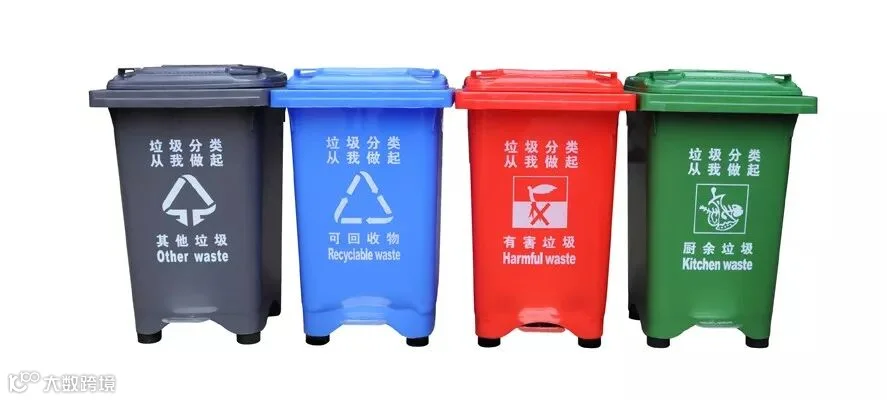
Individuals and organizations misclassifying and improperly disposing of household garbage will be fined strictly as of July 1, according to the new Guangzhou Household Garbage Classification Management Regulation.
© Image | LifeofGuangzhou
Individuals failing to classify household garbage according to the regulation will be fined not more than 200 yuan ($30.23).
Organizations that improperly treat household garbage will be fined between 5,000 yuan and 50,000 yuan.
Share to let your friends know!
Ref | NewsGD, China-briefing, Xinhua,

HACOS,Business Services Solutions Master