
According to Ministry of Commerce, up to January 11th, 15 Free Trade Agreements (FTA) have come into effect, covering 23 countries and regions, and more than 8,000 kinds of zero-tariff imported products.

In the previous article, we had introduced news about lowering tariffs. ↓↓↓
Good News! 0% Import Tariff On These Products From Now On!
What will it be in 2018?
90% of zero-tariff products mentioned last year will be imported with 0% tariff this year according to the FTA.
More than 8,000 imported
products are zero-tariff!
Food
Consumers can buy sorts of agricultural goods from different origins with more reasonable prices:
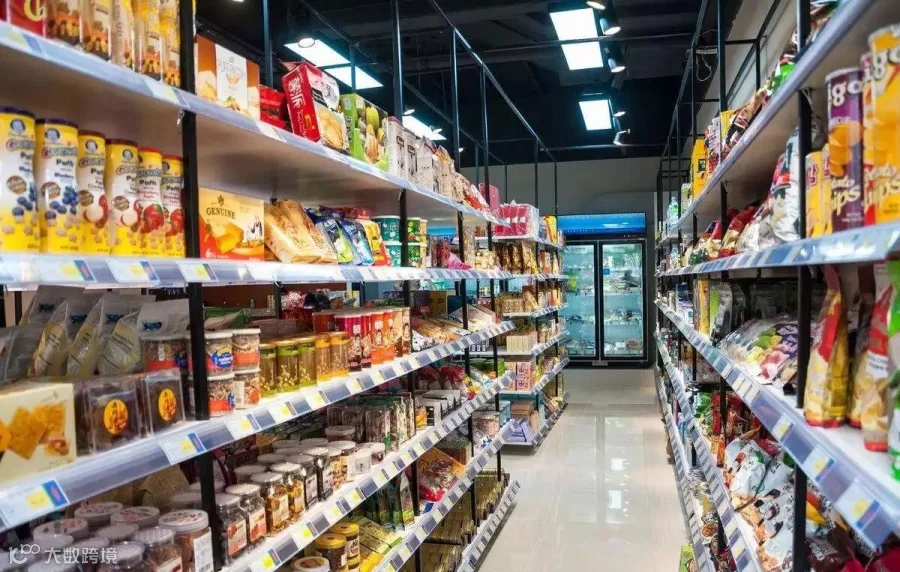
Tariffs of the following products are reduced to 0%:
Tropical fruit from ASEAN regions including durian, litchi and pitaya. (Original tariffs: 15%-30%.)
Salmon from Iceland. (Original tariffs: 10%-12%.)
Red wine from Georgia and Chile. (Original tariffs: 14%-30%.)
Specifically beef and milk powder from New Zealand enjoy significant discounts on tariff.
Industrial Products


Cosmetics imported from Switzerland enjoy 0% tariff from now on. And some watches from Switzerland will be also imported without paying tariff few years later.
Tariffs of refrigerator, electric cooker, massage device and beauty apparatus from Korea are 40% lower than before, which will be reduced by 0% in a few years.
Consumer electronics enjoy a significant tariff reduction.
Meanwhile, many intermediate goods and raw materials which are needed to produce products that are sold within mainland China will enjoy zero tariff as well. The zero-tariff policy under FTA promotes structural upgrade of mainland products.
Why lower tariff?
Viewing from data recorded by Ministry of Commerce, 1.2 trillion RMB were spent oversea by Chinese tourists in 2015. Specifically, luxury goods bought by Chinese account for 46% globally. In 2016, total outbound tourist spending of China was up to 261 billion dollars (or 1.67 trillion RMB), 12% more than 2015, and the number was higher than any country in the world.
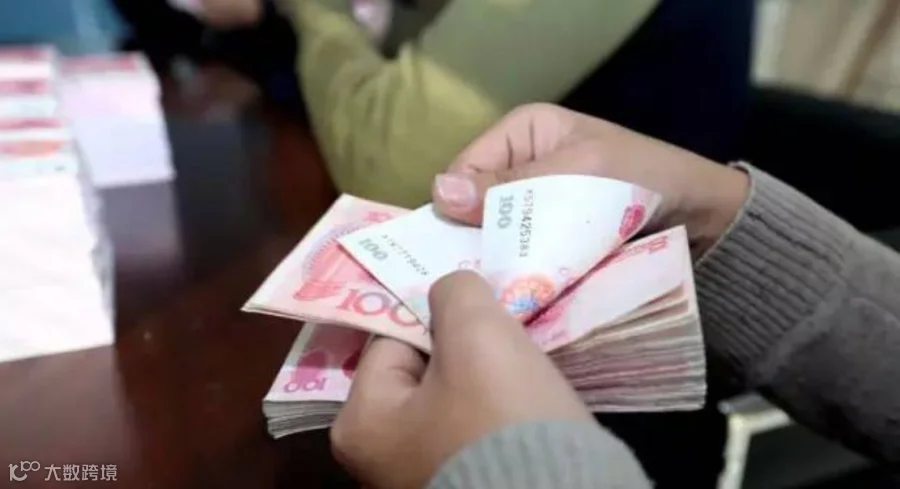
Prevent capital outflow
It is known that China has the highest commodity tax rate among other countries. Prices of imported goods are usually 2 times higher than their original prices after subjecting to VAT and Consumption Tax, going through lots of formalities, such as detection by Customs and selling company. Therefore, lower tariffs can prevent capital outflow.
Boost domestic demand
Tariff discount and deduction can not only promote import and reduce trade surplus, but also expand domestic consumption and boost development of high-end industry.
Rich choices for consumers
Under FTA, 1/3 of goods imported to our country enjoy tariff discounts, which gives richer choices for consumers in China. It means, we enjoy more benefits from this policy!






HACOS,Business Services Solutions Master