China has just introduced a host of policies to boost economic development, facilitating business operation and employment. Let's see how these policies and measures will affect your life, no matter you're running business or working in China.
First thing first, here's a brief of the current epidemic situation so far as of Wednesday afternoon according to DingXiangYiSheng:
Confirmed cases: 75,201 worldwide
Deaths: 2,012, mostly in Hubei
Recovered cases: 14,761
Incubation period: no more than 14 days
New confirmed cases on decline outside Hubei
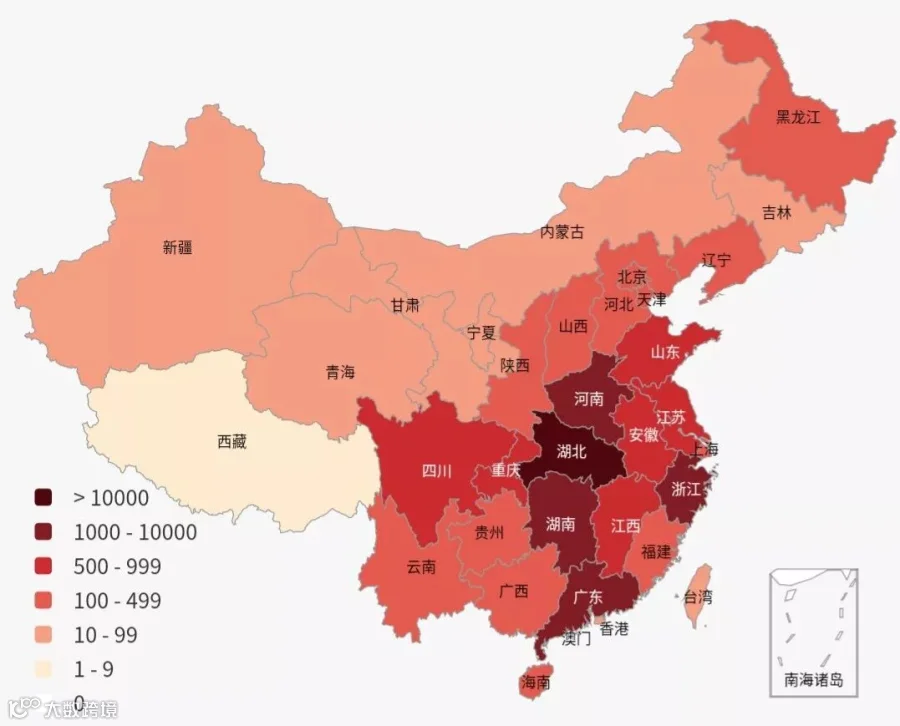
△ Epidemic map made by DingXiangYiSheng
Chinese government attaches great importance to agricultural production, employment and easing difficulties facing businesses while tackling the ongoing epidemic.
According to the State Council’s executive meeting on Tuesday, China will adopt a multi-pronged approach to facilitate business operation and employment with specific measures.
Meanwhile, provinces and cities begin to take measures to help local enterprises, factories, and other institutions to resume businesses operation.
RESUMPTION
-
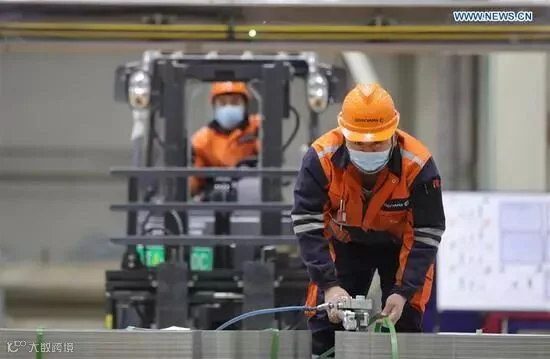
More and more companies and factories return to work
The meeting also urged local authorities to set reasonable criteria for the resumption of work and production in their jurisdictions.
We have posted an article about the return date of Chinese companies and factoreis, you can check here to read it.
The Ministry of Commerce issued 20 measures to help domestic exporters resume the production, improve the government service for foreign companies and stimulate domestic consumption to limit the impact of the coronavirus outbreak.
The government will support the orderly work resumption for export-oriented firms and global companies, goods distributors, retailers and e-commerce enterprises, and promote the joint development of major projects related to the Belt and Road Initiative.
-
China is resuming road traffic in regions outside of Hubei
As of Feb 16, 14 provinces such as Jiangsu, Zhejiang and Anhui have resumed inter-provincial and intra-provincial road passenger transport, while 13 provinces have resumed intra-provincial road passenger transport.
A total of 51 prefecture-level cities and 43 county-level cities in Hebei, Liaoning, Anhui and other provinces have resumed ground public transportation operation. Of the 41 cities that have opened urban rail transit, 34 have had their urban rail transit lines basically in normal operation.
When migrant workers are able to go back to the cities they work and live, and supplies can be transported, business operation and production will be resumed in an orderly manner.
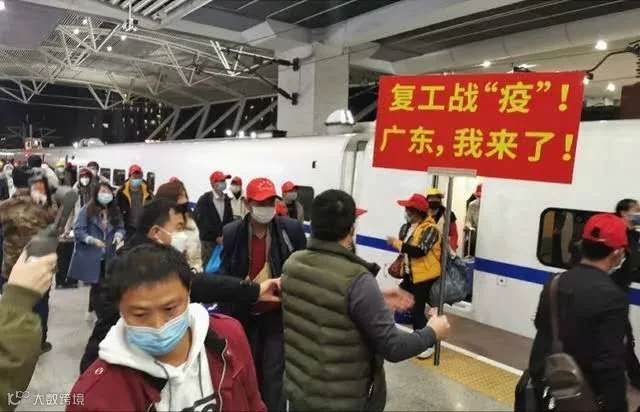
△ Workers returning to their jobs just arrived at Guangzhou South Railway Station by a special train
-
Lower or waive employers’ social insurance contributions
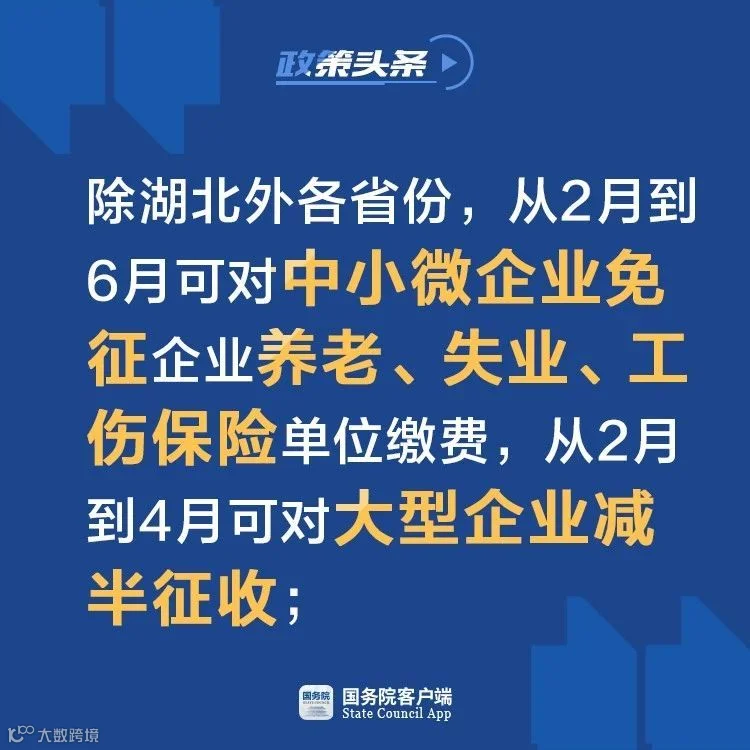
Employers’ contributions to the old-age pension, unemployment and workplace safety insurance plans will be lowered or waived to cushion the impact of the outbreak on enterprises, especially smaller firms, and allow them some respite following the resumption of normal production.
Specifically, in provinces other than Hubei, micro, small and medium-sized enterprises will be eligible for a waiver of the contributions from February to June. Large companies will see their contributions halved from February to April.
Companies of all types in Hubei that have participated in the insurance plans will be exempted from the contributions from February to June.
-
Defer employers' payments to the housing provident fund
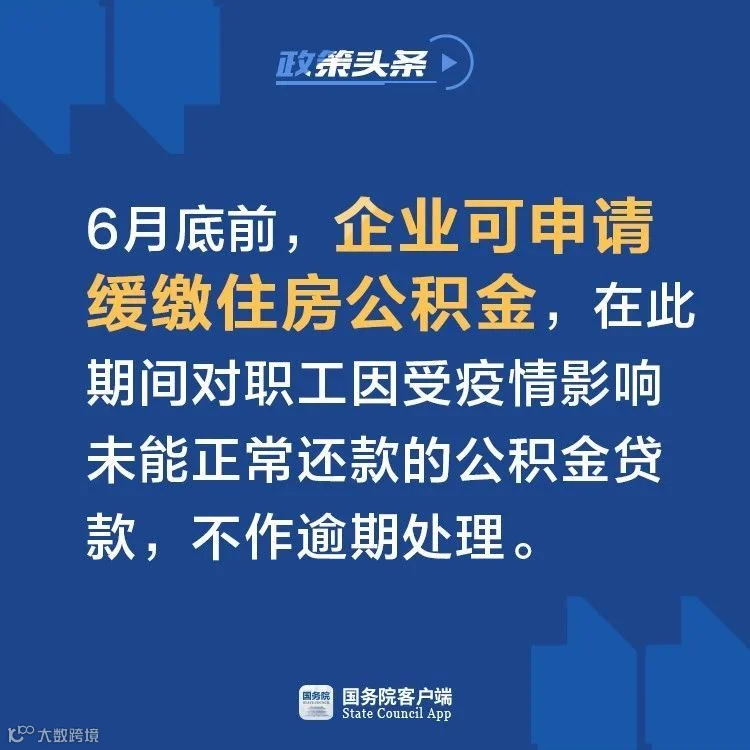
Before the end of June, companies may also apply to defer their payments to the housing provident fund.
Failure by employees to repay their housing provident fund loans due to the epidemic will not be treated as a default.
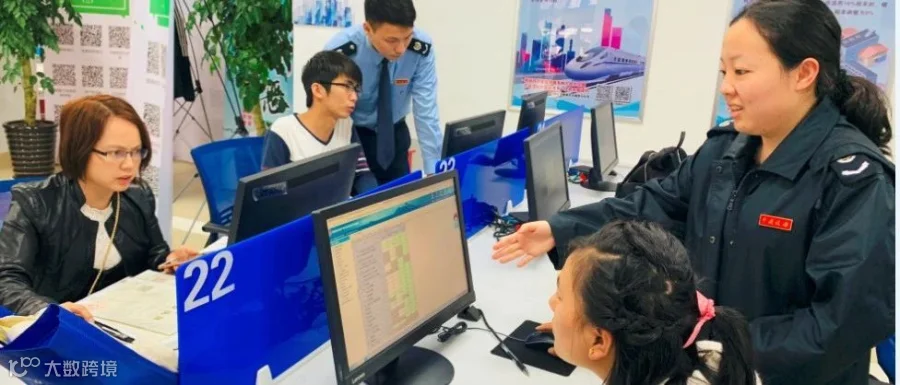
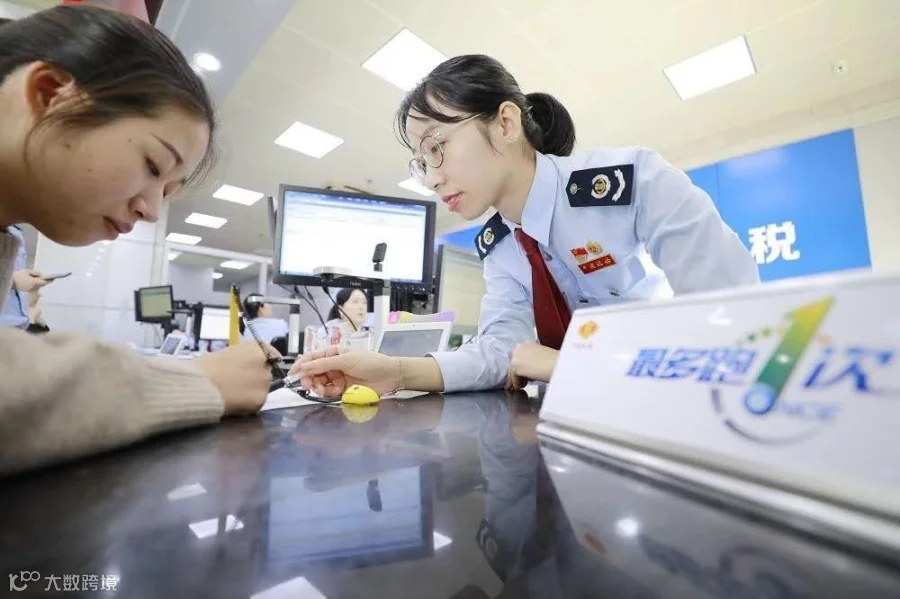
Tax authorities in China have published a document that outlines a set of policies to ease the tax burden on individuals and corporates during the novel coronavirus outbreak.
These policies include exemptions in individual income tax and value-added tax for certain taxpayers.
Individual income tax on temporarily received subsidies and bonus pertaining to epidemic prevention work will be exempted. In addition, the individual income tax on medical protective equipment that staff get from companies will be zero.
The STA also confirmed that tariffs on imported goods necessary for direct epidemic control will be exempted so as to expand the scale of tariff-free donations from abroad.
The STA has decided to extend the deadline for tax declaration in February to Feb 24 due to the epidemic. (Click here to read our previous article. )
In order to make the tax declaration more convenient according to the current situation, the deadline is now further extended to Feb 28, except Hubei province.
HACOS Business Services have returned to work. We'll stick to our posts, run for your business with our best services. Please feel free to come to our office and contact us if you have any question.
Lots of measures and policies have been adjusted and taken due to the epidemic situation. We will post a series of articles about latest policies and solutions. Stay tuned.
Share to let your friends know!
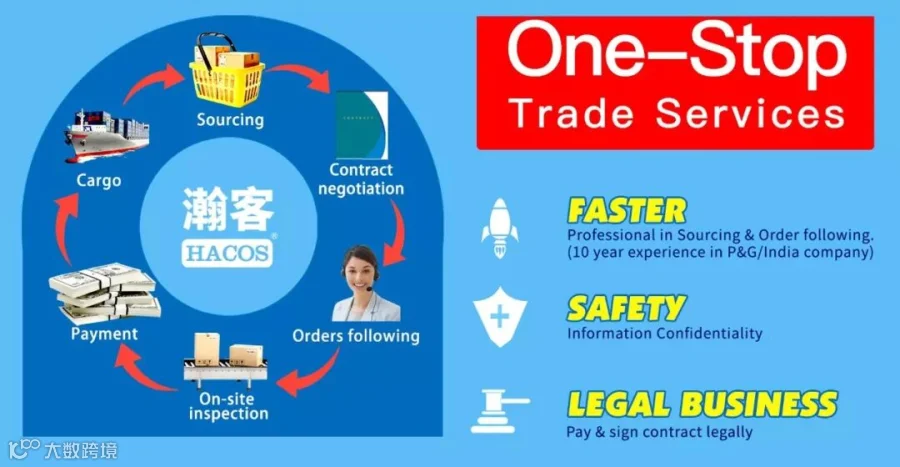
SOURCE | China Gov / ecns