
CURRENT SITUATION
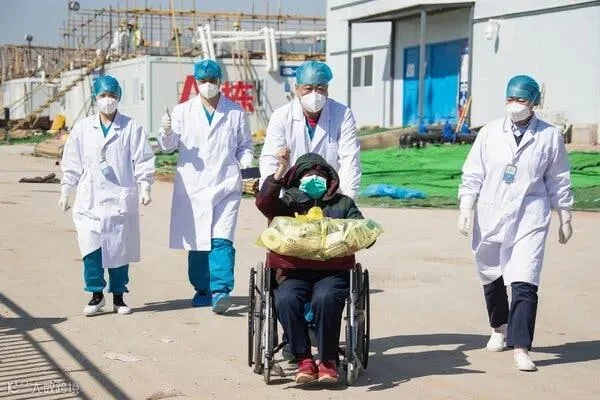
Central China's Hubei Province reported 13 new confirmed cases of the novel coronavirus disease (COVID-19) on Tuesday, all of which were in Wuhan, the provincial capital and epicenter of the outbreak, the provincial health commission said Wednesday.
As of Tuesday, Hubei had seen no new confirmed COVID-19 cases for six consecutive days in its 16 cities and prefectures outside Wuhan.
RESUMING WORK
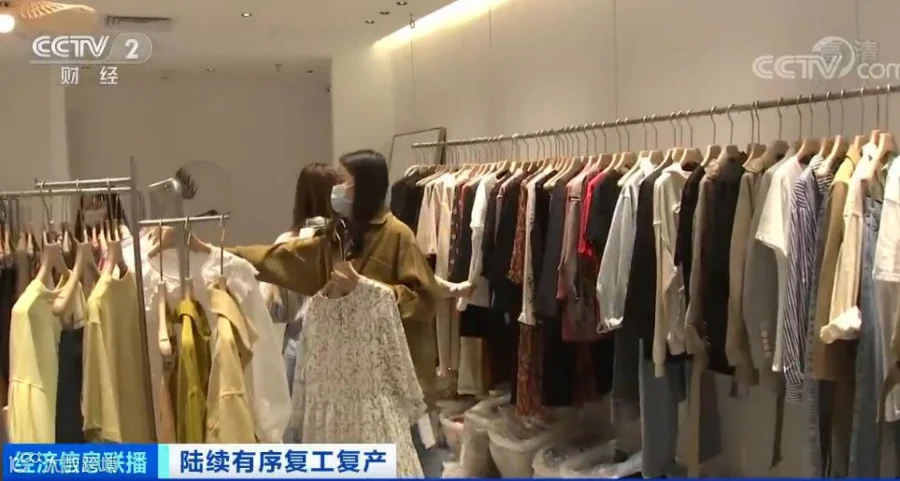
A statement released by the provincial command center for the prevention and control of the novel coronavirus said work shall resume in the province based on different situations.
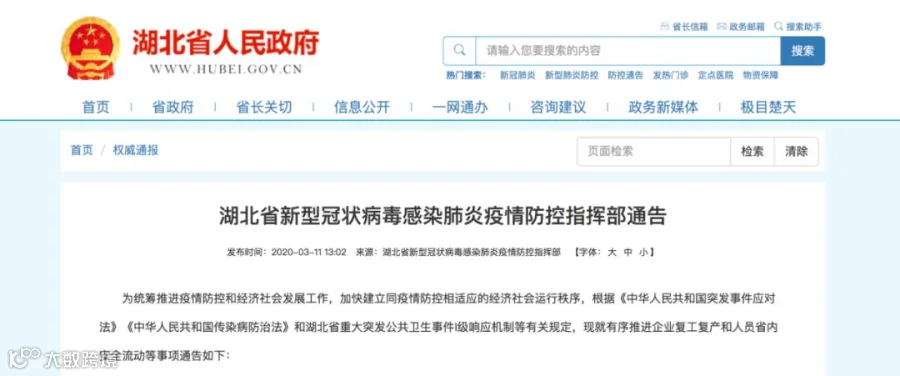
Following key industries and sectors in Wuhan will be allowed to return to work:
Producers of Medical supplies
Producers of agricultural products
Producers of daily necessities
Companies that deal with public services
Companies that play vital role in domestic or international trade
Other industries that impact national or global supply chains can also return to work with permission from relevant authorities.
It is notable that other companies in Wuhan shall not resume work and production until March 20, according to the statement.
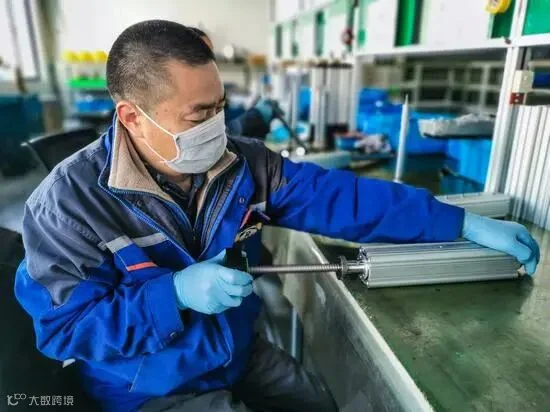
Hubei has previously classified its cities and counties based on the risks of the epidemic. The concrete measures of resuming work will be a bit different among these regions.
If you want to know factories and markets that have reopened elsewhere, please check here.
DIFFERENTIATED RISK REGIONS
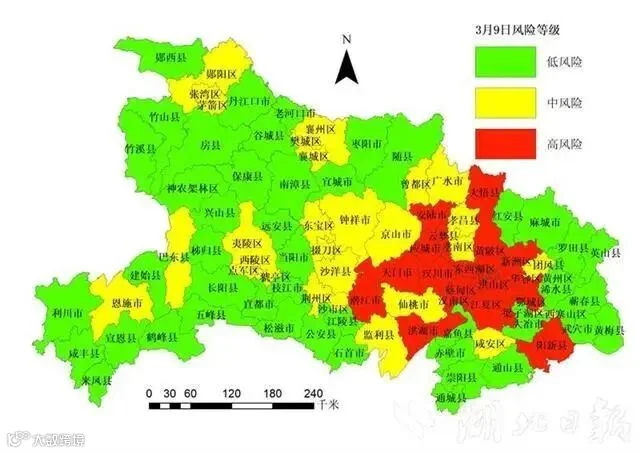
As we mentioned above, the province has classified its cities and counties based on the risks of the epidemic.
Low-risk regions: cities, counties and districts with no newly confirmed cases in the last 14 days.
Medium-risk regions: those with fewer than 50 cases or those with over 50 but without a concentrated outbreak.
High-risk regions: those with over 50 cases as well as a concentrated outbreak.
By the end of Monday, 12 cities and counties had been classified as high-risk, with 45 as low-risk and 19 as medium-risk. Qianjiang city, for example, is classified as high-risk so far. Please check the latest local news to get the updates.
PERSONNEL CONTROL POLICY
Hubei has announced Tuesday that it will adopt a differentiated personnel control policy, allowing healthy people from medium- and low-risk areas to travel within the province.
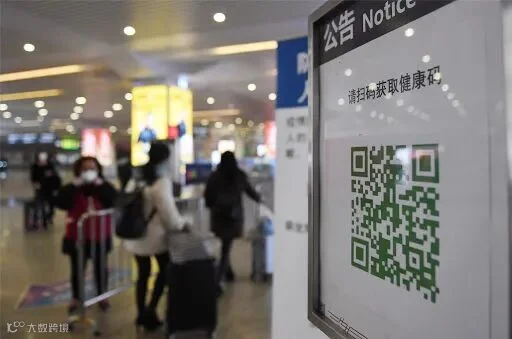
Via a mobile app, each resident of the province will be granted a colored QR health code. The colors of the health codes may switch based on the health conditions of the holders.
A red code indicates the holder is a confirmed or suspected COVID-19 case, a yellow one indicates a close contact, while a green one means the holder has no contact with any cases.
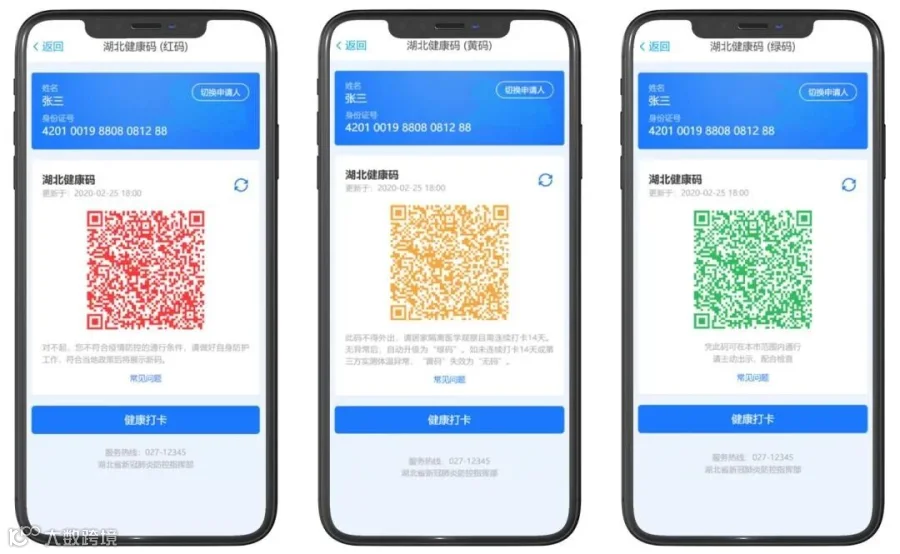
The green code holders from the medium- and low-risk areas will be given green light across the province to promote operation resumption of enterprises while ensuring the safety of the personnel.
The green code holders from high-risk areas should follow the specific travel rules of local authorities.
The yellow code holders will not be allowed to travel and those carrying red codes must be quarantined and treated, said the headquarters.
HACOS Business Services have returned to work. We'll stick to our posts, run for your business with our best services. Please feel free to come to our office and contact us if you have any question.
Lots of measures and policies have been adjusted and taken due to the epidemic situation. We will post a series of articles about latest policies and solutions. Stay tuned.
Share to let your friends know!

SOURCE | Hubei Gov / Xinhua / Reuters
 |
You'll Be Blacklisted for These Transactions! Strict Rule! |
 |
RMB With These Numbers Are All Fake! Pay Attention! |
 |
How Much Money Can I Bring When Entering China? |