





For travelers coming to China, being able to quickly and reliably connect to the internet after landing is a crucial first step for a smooth journey. Whether you're visiting for a short trip or a longer stay, there are several convenient and reliable options to get online.
This guide will walk you through the main methods for connecting to the internet upon arrival in China, helping you easily cross the "digital border" and explore with peace of mind.
Option 1:
Activate International
Data Roaming

This is one of the most straightforward and hassle-free methods. Before departure, contact your home mobile carrier to activate an international roaming plan that includes coverage in China. The main advantage is that it requires no additional setup – simply turn on your mobile data roaming after landing.
Points to Note:
Costs are typically high, so it's advisable to inquire about plan details and potential fees in advance to avoid unexpectedly high bills.
While you can access the global internet, please be aware that due to local network regulations, access to some foreign apps and websites may still be restricted
Option 2:
Purchase a Local Data
SIM Card or eSIM
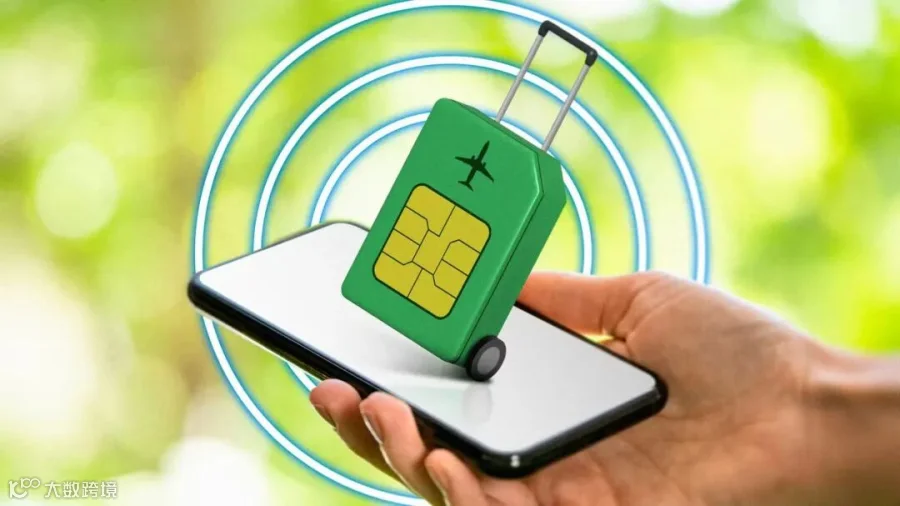
This is the most recommended and cost-effective choice for the majority of travelers. China's major telecom operators – China Mobile, China Unicom, and China Telecom – all offer short-term plans designed for overseas visitors.
How to Get One:
At the Airport: Major international airports usually have service counters for telecom operators in the arrival halls. You can purchase and activate a tourist SIM card or eSIM plan using your passport.
In the City: If you miss the airport counters, you can visit any official retail store of the operators in the city. Present your passport to purchase a plan, and staff will assist with the setup.
Advantages:
Affordable prices with generous data allowances and stable connections.
A local number is useful for making reservations, registering for, and using various local lifestyle and service apps (such as WeChat, Alipay, DiDi, and Dianping).
Option 3:
Rent a Portable Wi-Fi Device
(Mobile Hotspot)

If you are traveling in a group or need to connect multiple devices simultaneously, renting a portable Wi-Fi device is an ideal solution.
How to Rent One:
You can rent one on the spot at dedicated counters in airports, or pre-book through various travel platforms or specialized websites for pickup at designated airport counters upon arrival.
It's usually charged on a daily basis, and sharing the cost among a group makes it very economical.
Helpful Tips:
The device needs to be charged daily, so remember to carry it with you and its charger.
Ensure you return the device at the designated drop-off point before your departure.


Practical Advice and
Additional Information
Public Wi-Fi: Free public Wi-Fi is commonly available in major Chinese airports, hotels, restaurants, shopping malls, and tourist attractions. Registration often requires a verification code sent to a Chinese mobile number, so having a local SIM card makes access easier.
Prepare Essential Apps: It's recommended to download essential apps like WeChat and Alipay before your trip and complete basic registration steps. Activating them with a local network upon arrival will greatly facilitate your transportation, payments, and daily life.
The Internet Environment: China's internet ecosystem has its own characteristics. Some internationally common websites and services are not directly accessible from within the mainland. If you require access to specific sites, it's advisable to make necessary arrangements in advance.
Whichever option you choose, planning ahead will make your journey smoother. We hope this guide helps you get connected effortlessly and enjoy a seamless travel experience in China. Wishing you a wonderful trip filled with memorable experiences!

HACOS always strive to provide our clients with more high-quality, efficient and considerate services, covering China visas, tax-planning, incorporation, financial consulting, global shipping, intellectual property, foreign trade services, legal consultation, etc.