

Top 3 Laws Foreigners
in China Most Easily Violate
Whether you're here for work, study, or travel, understanding and complying with local laws is key to avoiding unnecessary trouble. Today, we’ll break down the top 3 laws that foreigners in China most easily overlook, helping you navigate life in China more smoothly!


Common Issues:
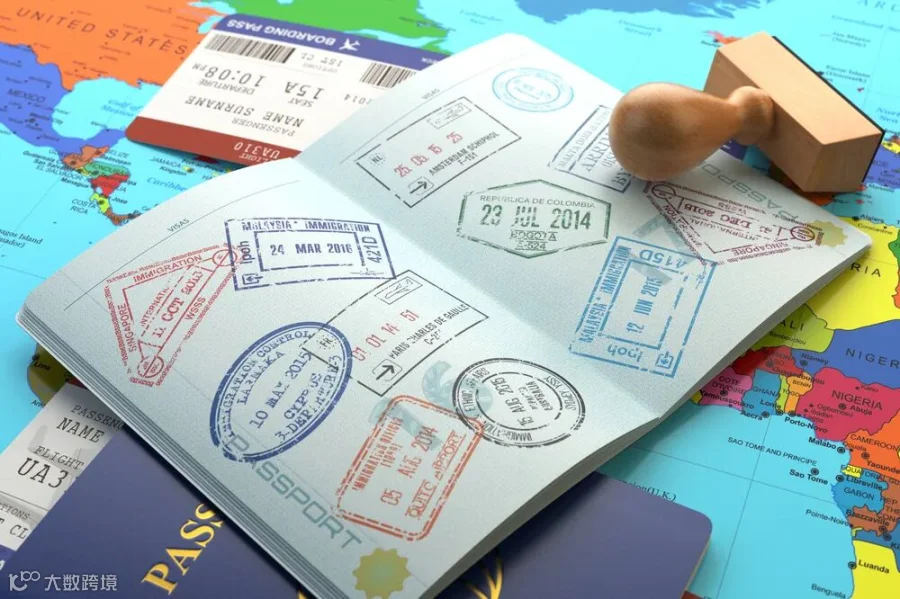
Many of us overlook visa expiration dates or forget to complete residence registration, resulting in overstaying or incomplete procedures.
Legal Requirements:
According to China’s Exit and Entry Administration Law, foreigners must hold valid visas and register their residence with local public security authorities within 24 hours of entry. Overstaying or failing to register may lead to fines or even deportation.
Our Advice:
Regularly check your visa’s validity and apply for extensions in advance.
Complete residence registration promptly after checking into a hotel or renting a property.
If you need assistance, contact professional visa service providers to ensure compliance.



Common Issues:
China’s traffic laws are very strict. Running red lights or drunk driving not only endangers safety but can also impact future visa applications.
Legal Requirements:
Under China’s Road Traffic Safety Law, drunk driving can result in fines, license revocation, or even detention. Additionally, serious traffic violations may be recorded and affect visa renewals or work permit applications.
Our Advice:
Strictly obey traffic signals and avoid running red lights.
Never drive under the influence of alcohol; opt for a designated driver or public transport.
In case of a traffic accident, report it immediately and cooperate with the investigation.
Case Study:
Every year, we encounter cases where individuals lose their driver’s licenses due to drunk driving, making them ineligible for work visas. This not only impacts their careers but also exposes them to legal consequences.



Common Issues:
When using social media, foreigners may unknowingly violate China’s cybersecurity laws by posting inappropriate content or using unauthorized VPNs.
Legal Requirements:
Under China’s Cybersecurity Law, spreading false information or using illegal VPNs can result in fines, detention, or even deportation.
Our Advice:
Ensure that all content posted on social media is truthful and lawful.
Avoid using unauthorized VPNs and opt for compliant network tools.
If you have questions about relevant laws, consult professionals.

Understanding and complying with China’s laws and regulations not only protects your rights but also shows respect for local culture. If you need assistance with visas, residence, or other legal matters, feel free to contact us—we’re here to provide professional advice!
HACOS always strive to provide our clients with more high-quality, efficient and considerate services, covering China visas, tax-planning, incorporation, financial consulting, global shipping, intellectual property, foreign trade services, legal consultation, etc.