



How to Open a
Restaurant in China


Many overseas restaurateurs ask us:
“I want to open an authentic Halal/French/Japanese... restaurant in China, and I’m bringing my own foreign head chef. What exactly is the process?”
The answer is three steps, let's find out!


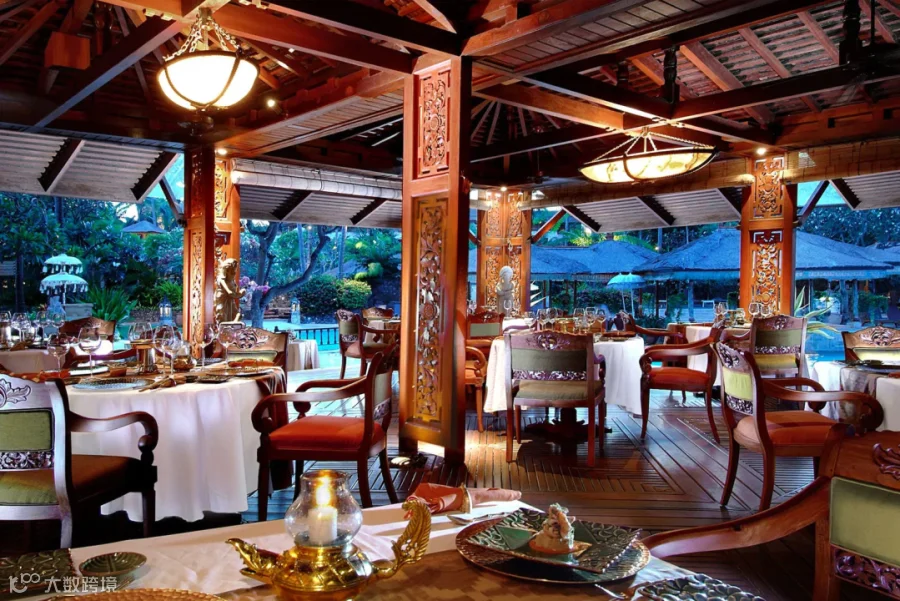
Key actions:
Choose entity type:
A Wholly Foreign‑Owned Enterprise (WFOE) is the most common option. It allows 100% foreign ownership and can include “catering services” in its business scope.
Get a business license:
Submit the lease agreement, property certificate, company charter, etc. to the Administration for Market Regulation. Critical requirement: The premises must be commercial (shop or office building ground floor). Residential or industrial buildings are almost always rejected.Apply for a Food Operation Permit:
After the business license is issued. The on‑site inspection is very strict – kitchen layout (raw/cooked separation, pest‑proof drains), sanitation facilities, storage temperature, food safety manager certificate – everything must be in place.

⚠️ Pitfall alert:
Don’t listen to some agents who say “you can soft‑open right after getting the business license”. Operating without a Food Operation Permit results in a fine starting at RMB 50,000.
⏱ Estimated time:
Business license ~15–20 working days; Food Permit on‑site inspection ~10–15 working days (longer if rectifications are needed).



Many restaurant owners have learned the hard way: they hire a Michelin‑starred chef from overseas, only to be fined for illegal employment – the chef is deported and the restaurant is ordered to close for rectification.
You must obtain both of these permits:
1. Foreigner’s Work Permit

Foreigner’s Work Permit – Issued by the Bureau of Foreign Experts Affairs.
Core requirements: Bachelor’s degree or above + 2 years of relevant work experience (chefs must provide professional qualification certificates).
2. Work‑class Residence Permit

Work‑class Residence Permit – Issued by the Exit‑Entry Administration.
Requires: Work Permit, health check report, passport, etc.
✅️Correct procedure:
Apply for a “Work Permit Notification” overseas → Apply for a Z visa with that notification → Enter China → Exchange for the Work Permit → Apply for the Work‑class Residence Permit.
❌️ Common mistakes:
Working on a business visa (M visa) or tourist visa (L visa) → illegal employment. The employer is fined RMB 10,000–50,000 per illegally employed person.
Skipping the “Work Permit Notification” and applying directly for a residence permit → 90% rejection rate.


Foreign‑funded restaurant taxes are not mysterious, but two main taxes are often overlooked:
Value‑Added Tax (VAT) – Payable regardless of profit
General taxpayer (catering service): 6%
Small‑scale taxpayer (annual revenue below RMB 5 million): 3% (reduced to 1% from 2023‑2027)
Most formal restaurants register as general taxpayers because they have many input credits (ingredients, rent, equipment).
Corporate Income Tax

Standard rate: 25%
Small‑low‑profit enterprise discount: if annual profit below RMB 3 million, effective rate can be as low as 5‑10% (subject to asset and employee count conditions).
Note: No special foreign‑invested enterprise discount (unless located in a high‑tech zone, which rarely applies to restaurants).

Other probably hidden costs:

Surcharges (urban maintenance, education, etc. – about 10‑12% of VAT)
Individual income tax (must withhold for foreign staff; housing allowance, children’s education may be tax‑exempt)
Social insurance (foreign employees must pay five insurances; some bilateral agreement countries like Germany, South Korea may be exempt from pension insurance)

If you are interested in opening a restaurant in China, feel free to DM HACOS at anytime~

HACOS always strive to provide our clients with more high-quality, efficient and considerate services, covering China visas, tax-planning, incorporation, financial consulting, global shipping, intellectual property, foreign trade services, legal consultation, etc.