


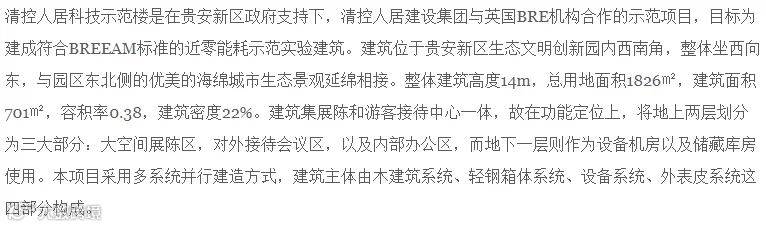
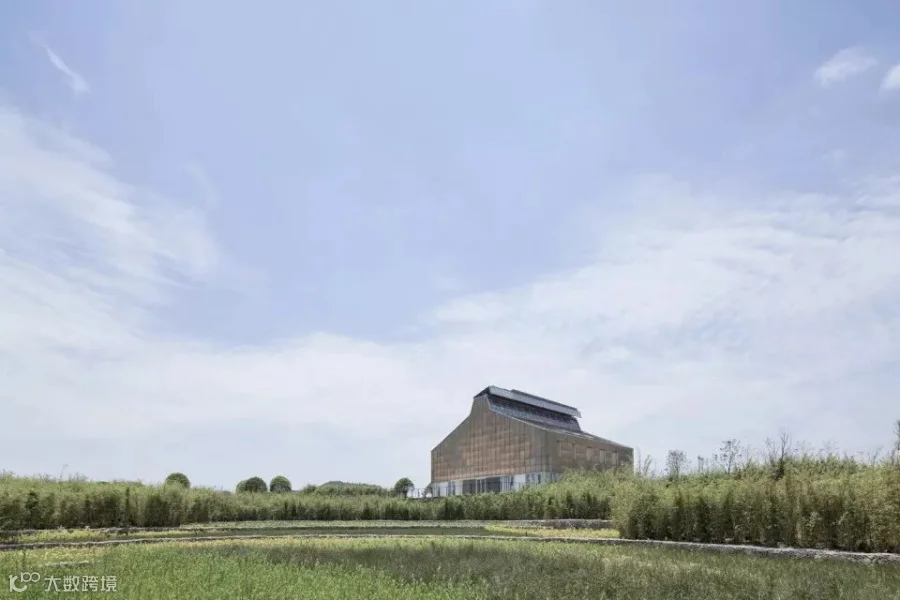
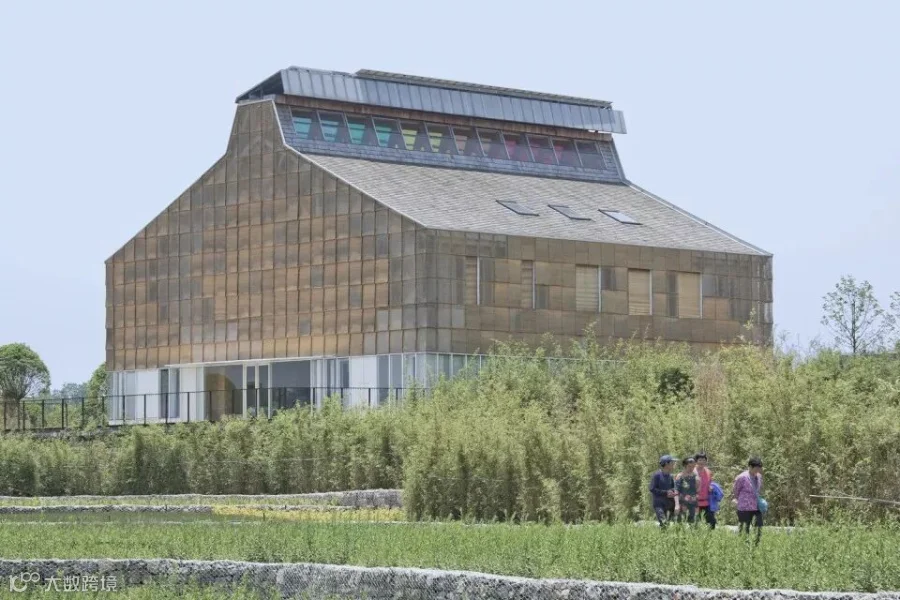
THE-Studio (Tsinghua Eco Studio) is the first demonstrating and experimental Nearly Zero Energy Building of the Gui’an Innovation Park in southwest China, which locates in the park’s entrance and connects with the constant ecological sponge city landscape, providing an extremely fascinating scenery for both users and visitors. Moreover, its two floors above ground can serve as large-space exhibition, VIP reception & conference and daily office, while one single underground floor can act as equipment and storage area.
▼建筑与园区东北侧的海绵城市生态景观,building and the ecological sponge city landscape
▼面向环境的整体设计,integrated design
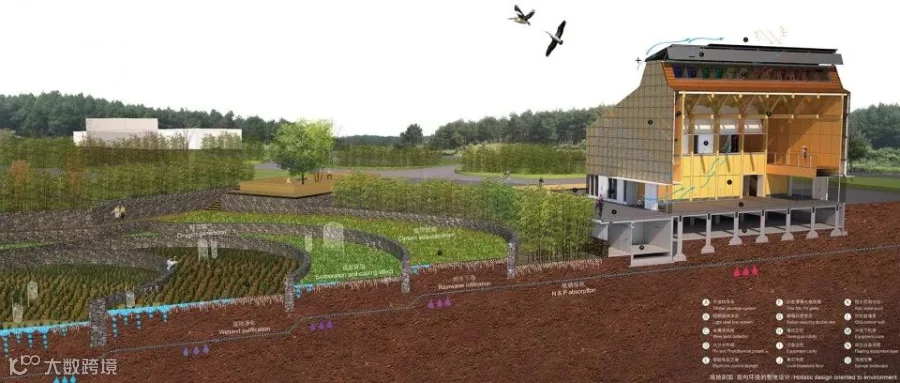
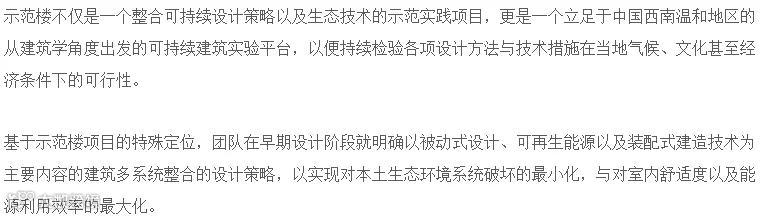
THE-Studio is both a practical demonstration case which deeply integrates sustainable design strategies with ecological technologies, and an experimental platform for sustainable architecture based on the Moderate Zone in southwest China, aiming to examine whether the detailed design methods and building technologies can truly suit to the local conditions of climate, culture and even economy.
Oriented to the specific project positioning, the design team has developed the multi-system integrated design strategy from the very early design phase to minimize the negative impacts to local ecological system while maximizing the indoor comfort and energy efficiency.
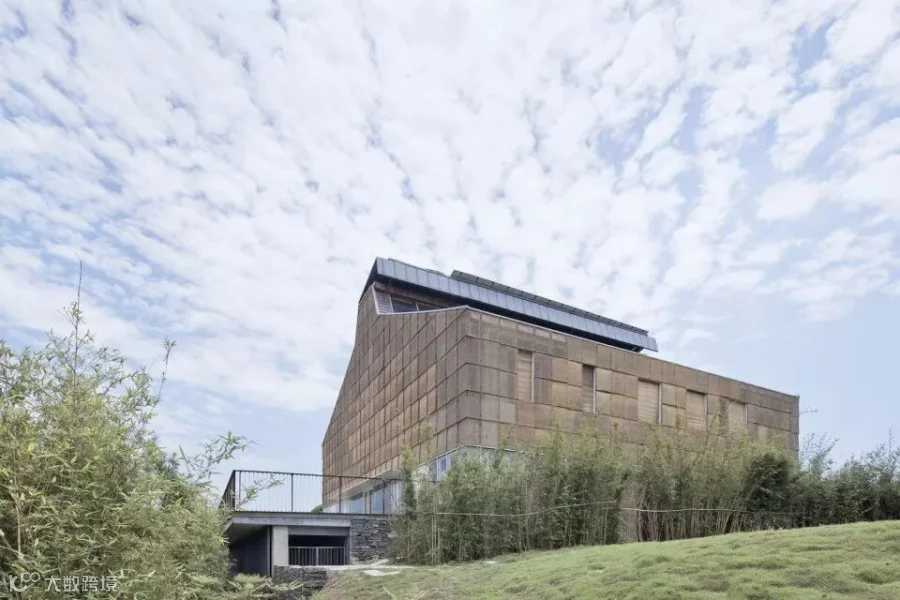
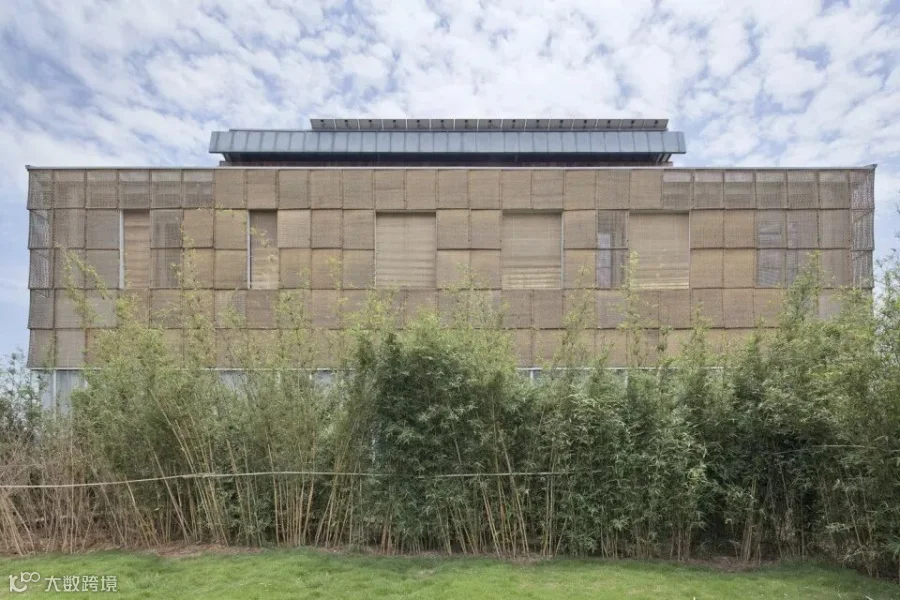
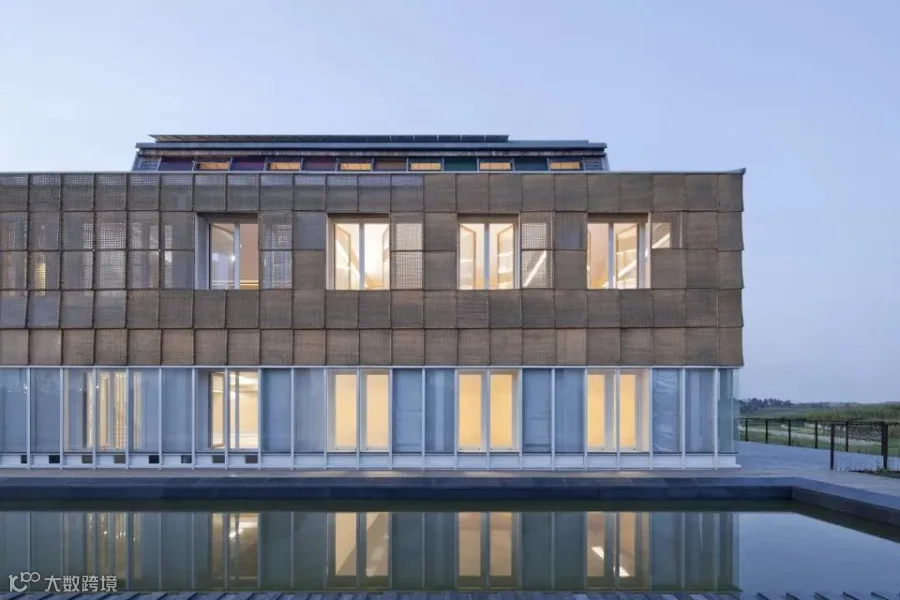
▼建筑外观,external view
建筑的多系统整合 / Multi-system integration
示范楼的建筑多系统整合策略的应用体现于三个层面:多系统并行建造、乡土文化与可持续技术的整合、以及应用BIM整合平台。
The multi-system integration includes three levels: the paralleled construction systems, the integration of vernacular culture with sustainable technology and the BIM platform.
▼建筑沿街视角,view from the street
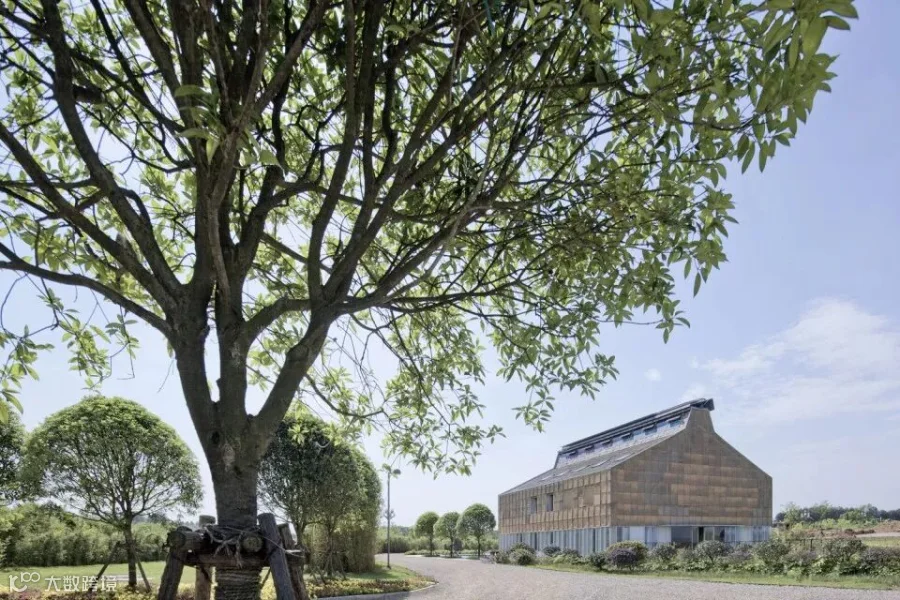
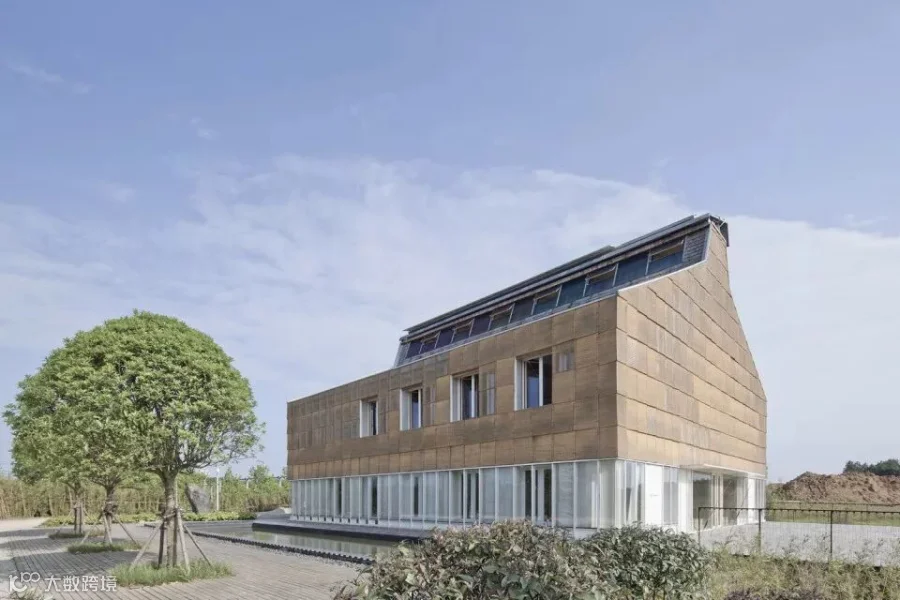
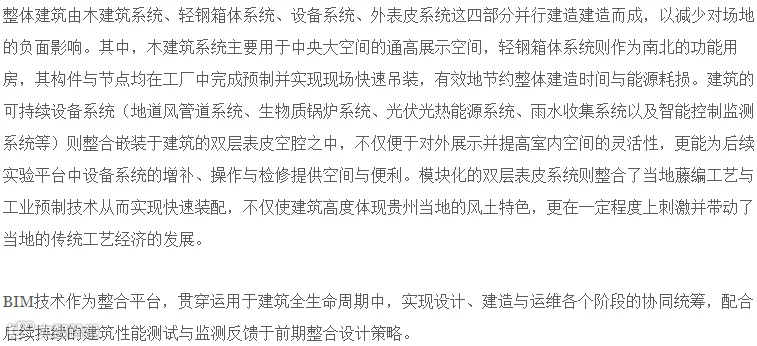
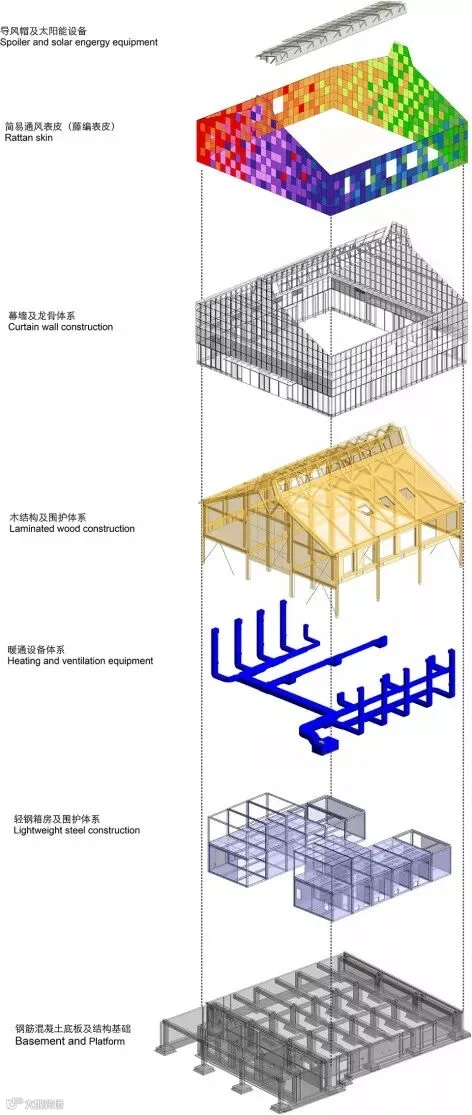
Four building systems are implemented in parallel to accelerate whole construction process thus reducing negative interference to the site. Timber frameworks are employed in the large-space exhibition hall, while the prefab light-steel modules are used to shape functional space at both sides. All these structural components and joints are produced off-site and swiftly assembled on site, leading to a significant saving of time and energy. Sustainable service systems (air through tunnel, biomass heating, PVT system, rainwater collecting, control and monitoring, etc.) are mostly plugged into the cavity of façades, which can save installation time, increase indoor flexibility and provide potential space for additional equipment in future experiments. The modular double-skin façade system is a unique integration of vernacular rattan-weaving craftsmanship with industrial prefabrication technology, highly expressing site-specific characteristics while promoting local traditional industry and economy. BIM is also adopted as integrating platform throughout building’s whole life span, especially for coordination of construction, operation and maintenance phases.
▼建筑拆解图,exploded diagram
被动设计方法 / Passive design methods
示范楼采用被动式设计方法以回应当地的气候因素,如自然通风、太阳辐射控制以及自然光利用等等并整合体现于建筑本体层面。
The passive design methods responding to local climatic factors of natural wind, solar radiation and daylight are further contrived by the design team.
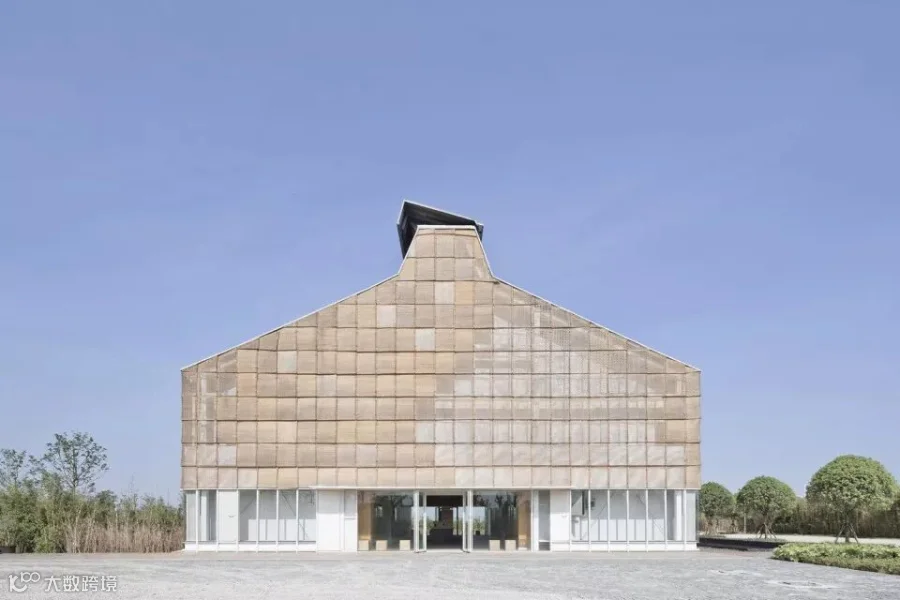
▼建筑入口,entrance
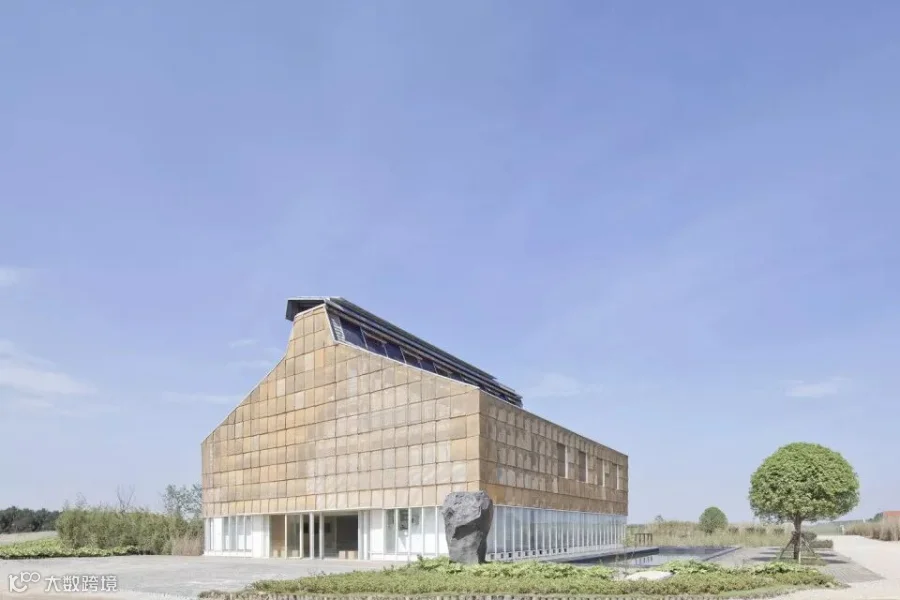
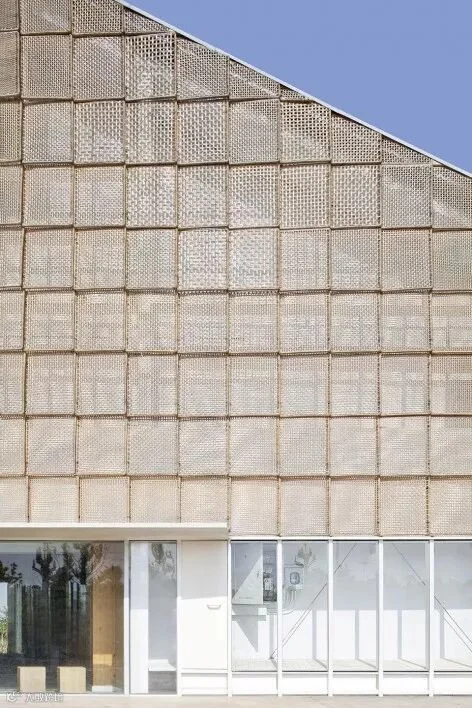
▼疏密不同的藤编幕墙,the rattan-weaving double skin with different patterns
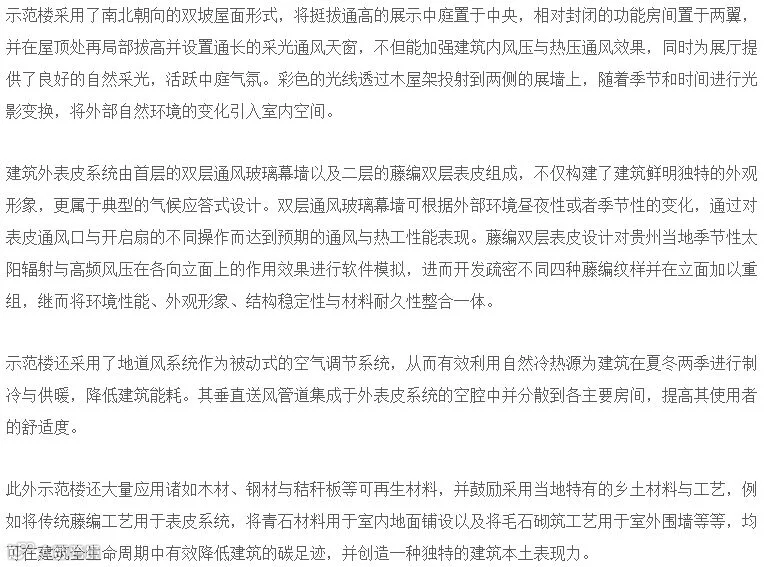
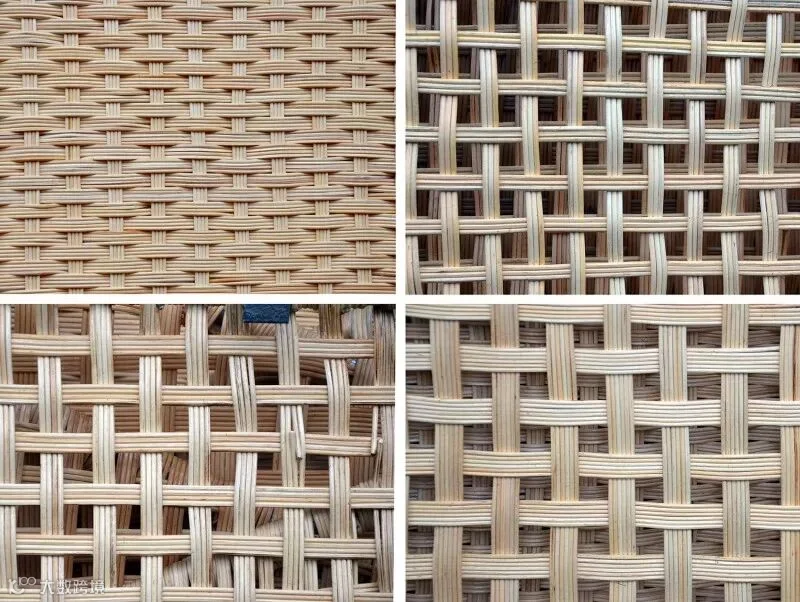
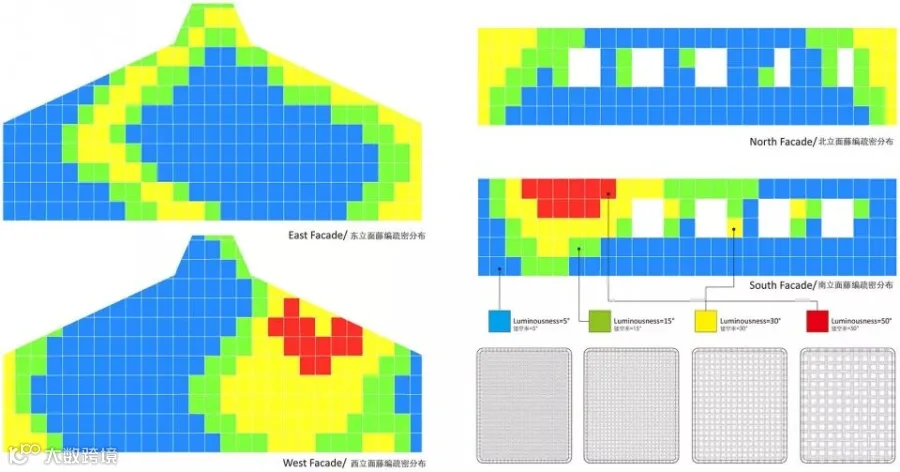
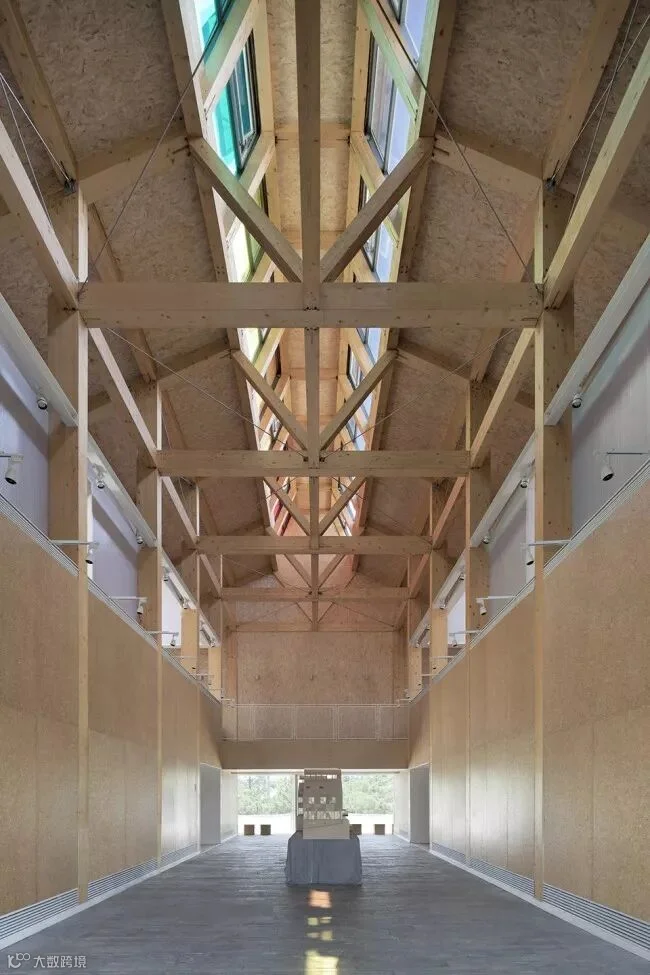
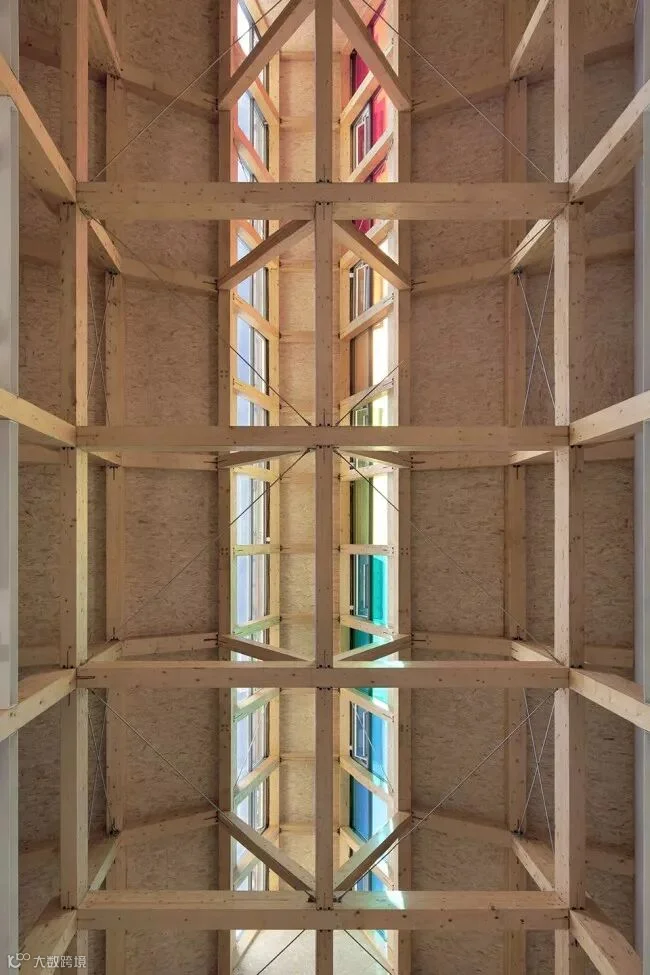
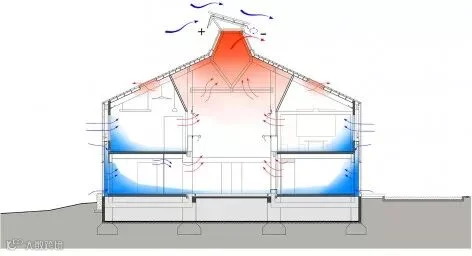
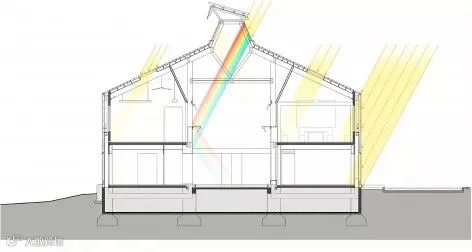
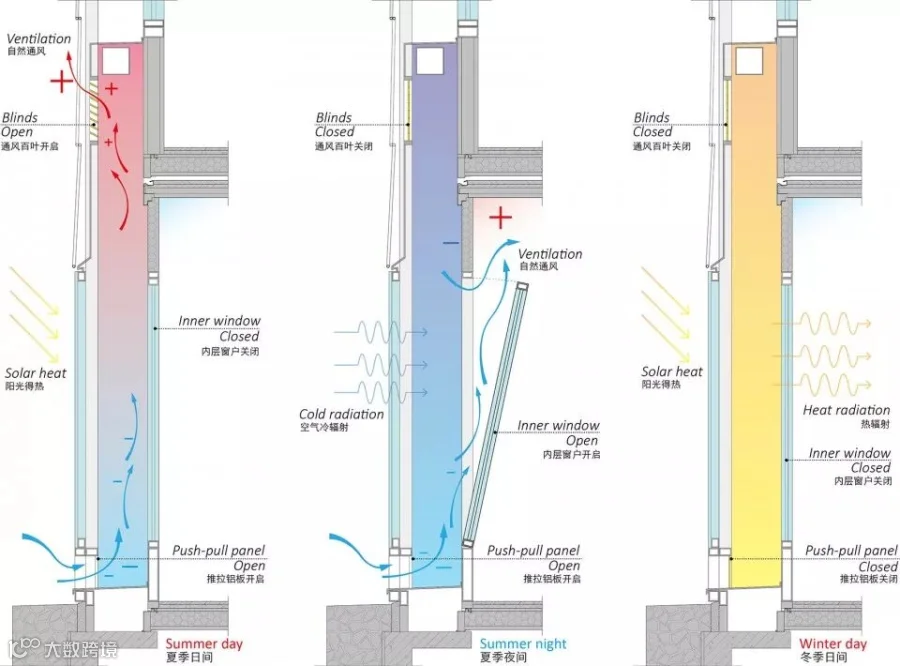
Firstly, the large-space central exhibition hall with extra-raised ventilating skylights can truly act as a venting chimney to promote both wind and thermal pressure ventilations while providing adequate and colorful light for the interior. Secondly, the double-skin façades consisting of double-glazed façade at the first floor and the rattan-weaving double skin at the second floor are typical climate responsive design. The double-glazed façade can adapt to the seasonal and daily changes of the outdoor environment, through different operative modes of vents and windows to reach the expected thermal and ventilation performance. Four module patterns for the rattan-weaving double skin are also developed and arranged according to local solar radiation and wind pressure on each façade through software simulation, aiming to comprehensively integrate environmental performance, structural stability and material durability together. Thirdly, the building also adopts the underground air through tunnel as the passive air-conditioning system, which can largely reduce the energy consumption particularly in summer and winter. Its vertical venting ducts are further integrated in the air cavity of double-skin façade and distributed into the major working places, providing fresh air while creating indoor comfort. Fourthly, the building highly encourages usage of renewable materials such as timber, steel and wheat-straw board and promote the employment of vernacular materials and craftsmanship such as traditional rattan-weaving, blue-stone floor pavage and rubble wall masonry, which can both decrease the carbon footprint during whole life span and create a unique architectural self-expression.
▼疏密不同四种藤编纹样,four module patterns for the rattan-weaving double skin
▼分布,distribution
After the building was completed, a series of field measuring and monitoring for thermal, humid, ventilation and luminous environments are carried out and further analyzed. The outcomes verify that detailed design methods and building technologies of THE-Studio at the early design phases were both effective and appropriate during the construction and operation processes, which can be the references to the similar sustainable buildings in the Moderate Zone of southwest China.
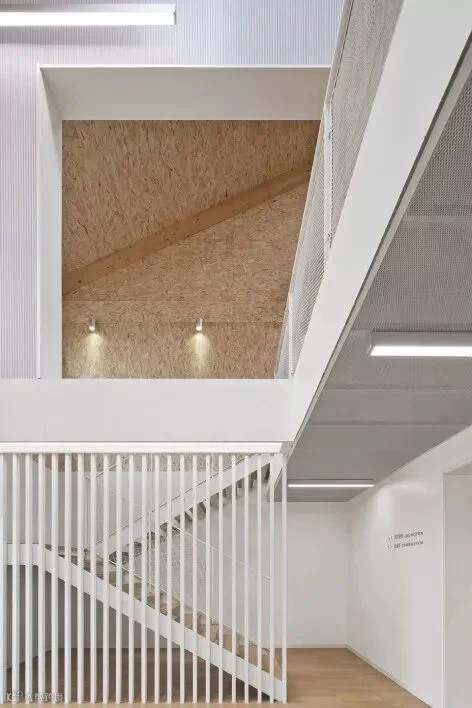
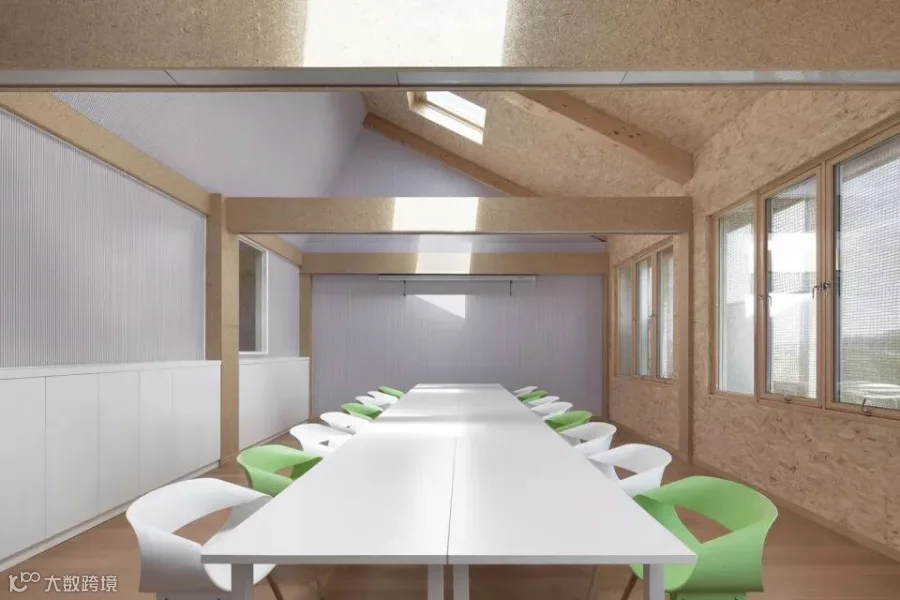
▼室内空间,interior space
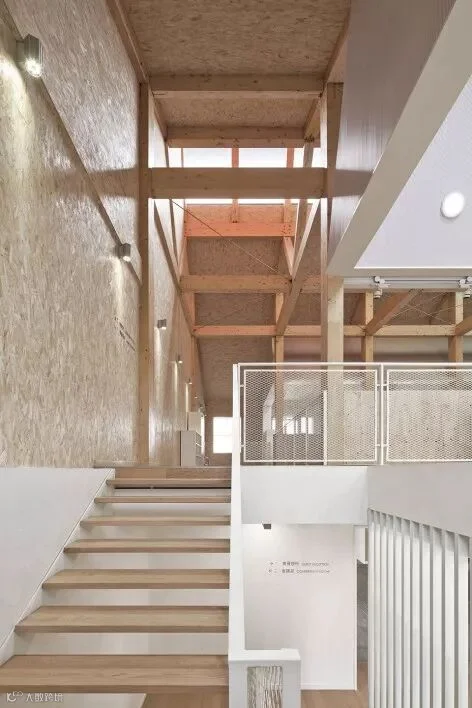
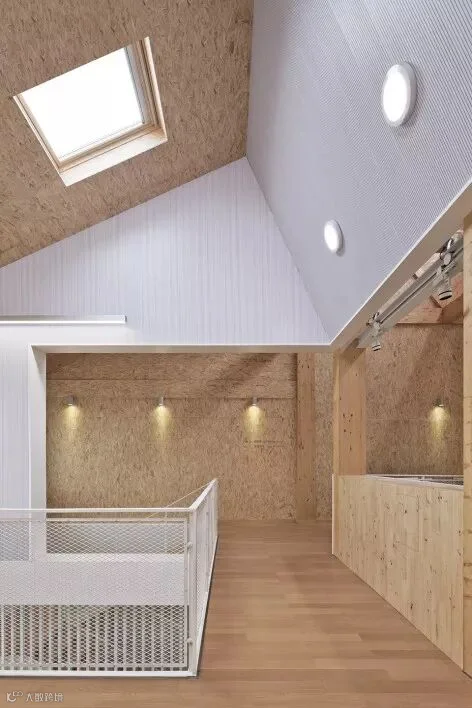
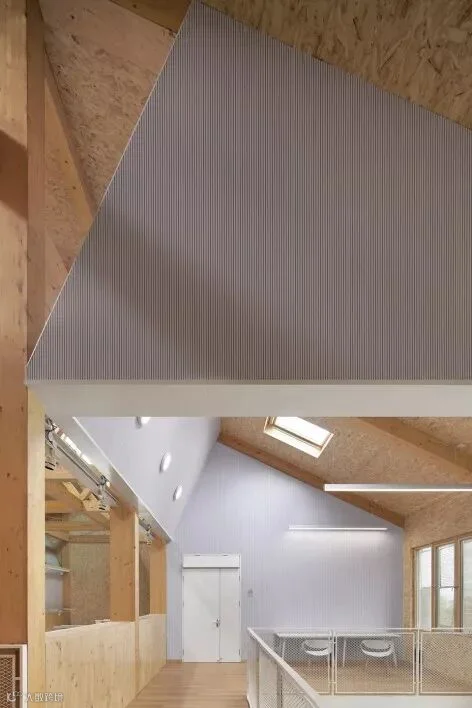
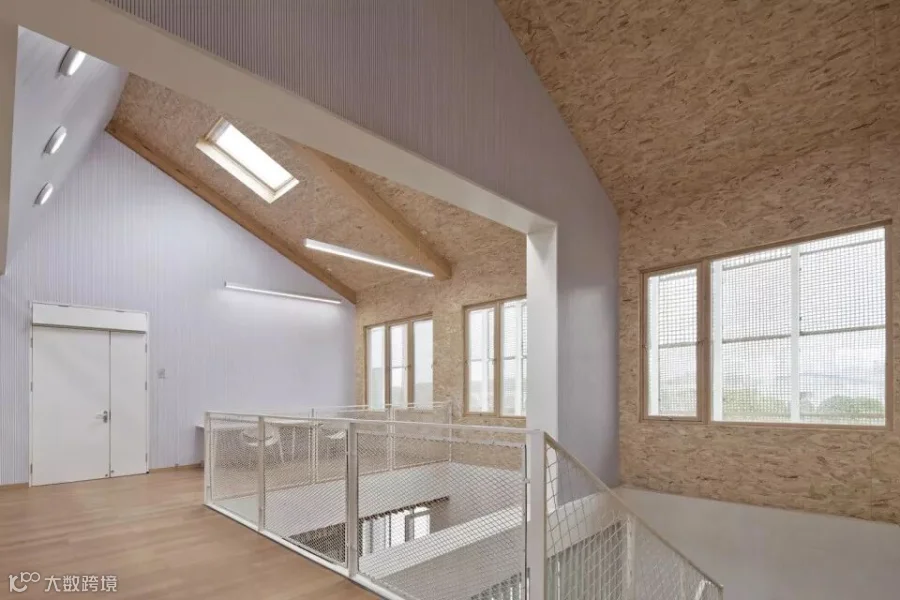
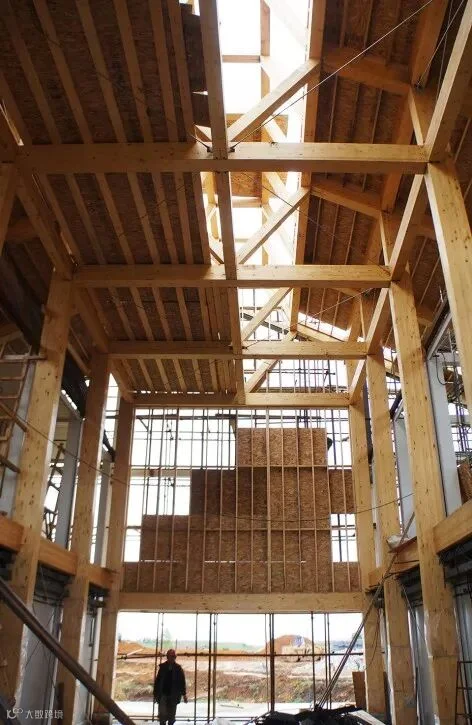
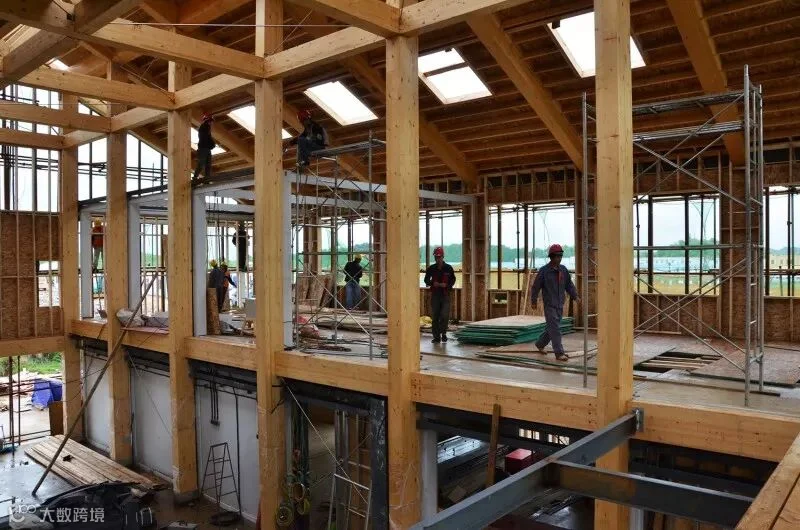
▼施工阶段,under construction
 |
 |
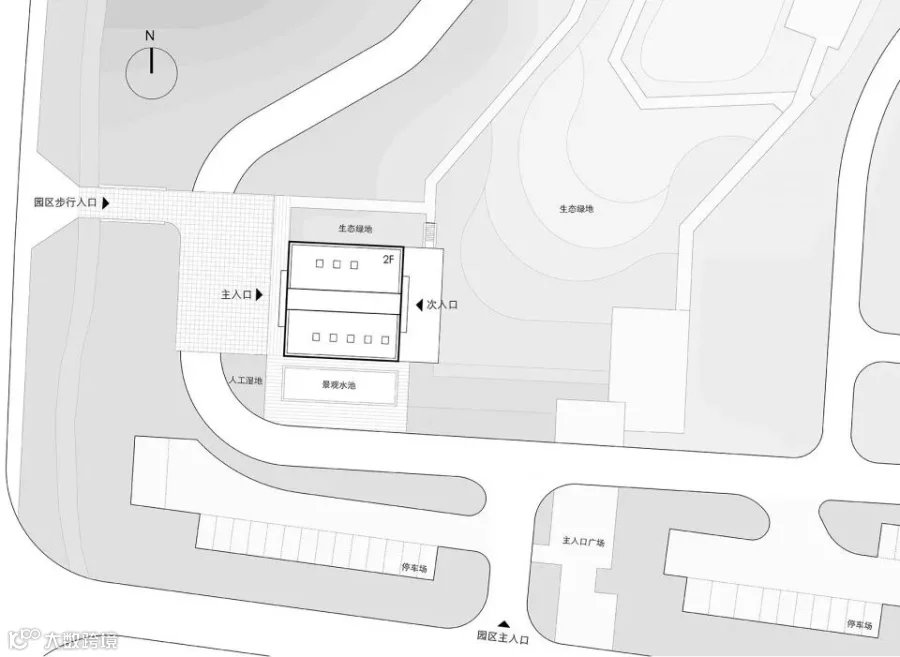
▼总平面图,site plan
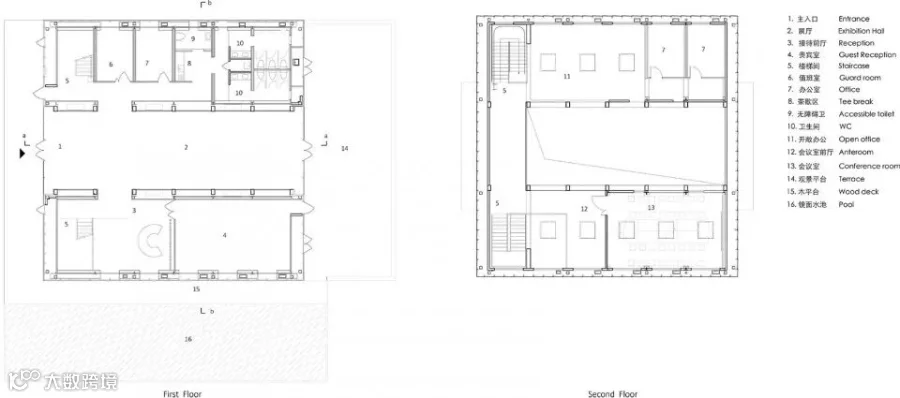
▼平面图,plan
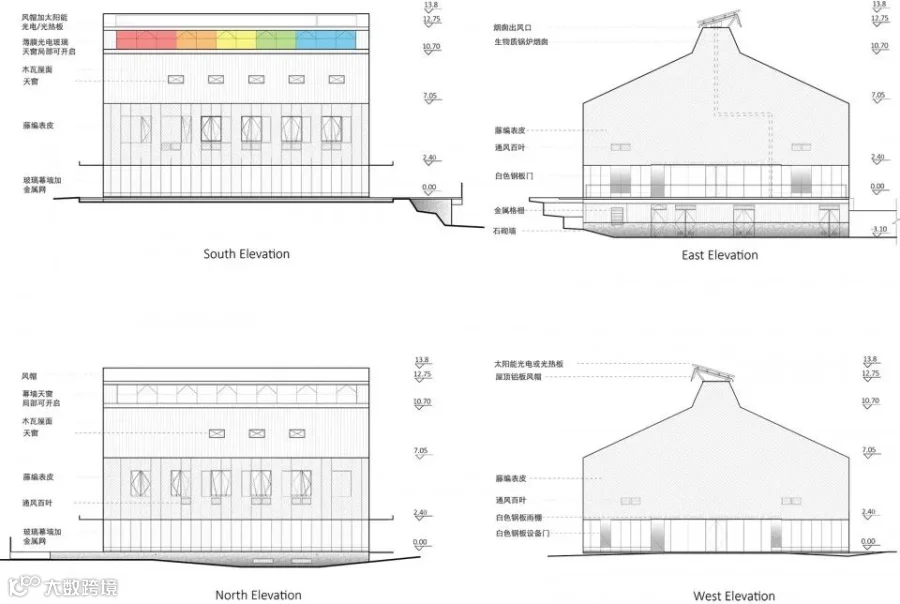
▼立面,elevation
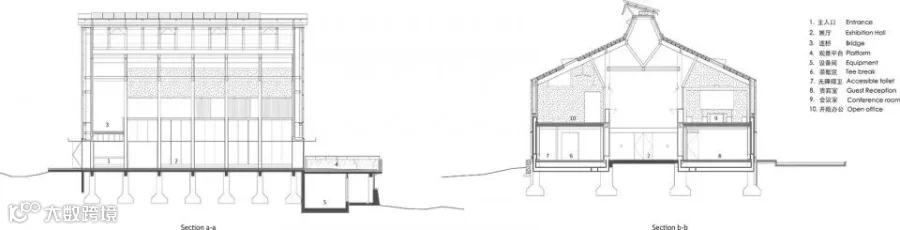
▼剖面,section
▼通风与采光,ventilation and natural lighting
▼双层呼吸幕墙气候应答设计,facade
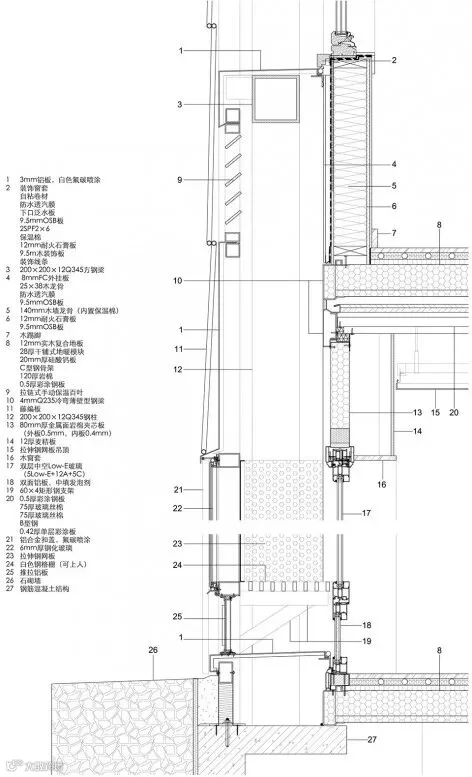
▼墙身详图,detail design
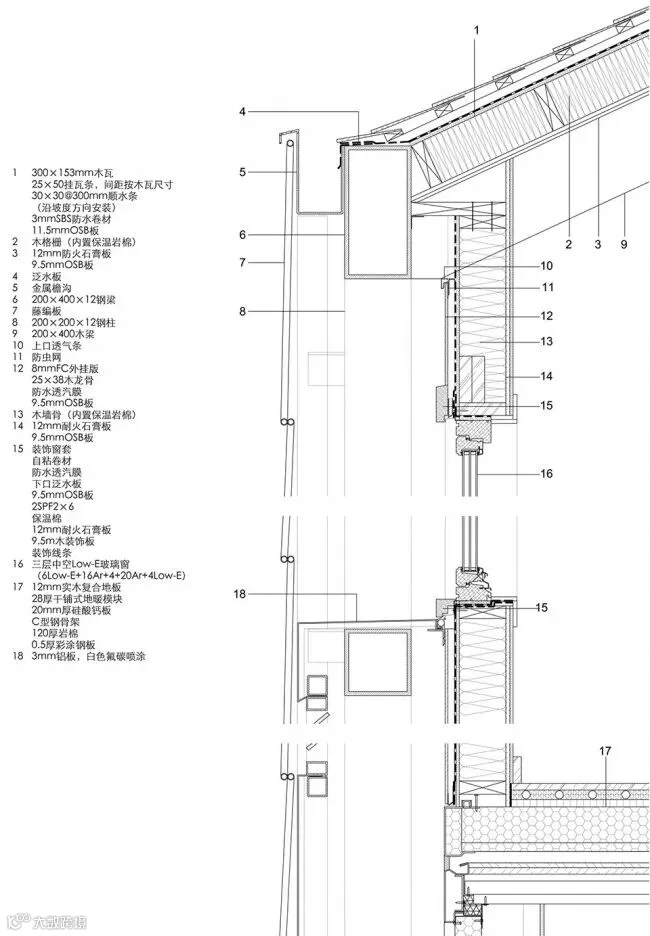
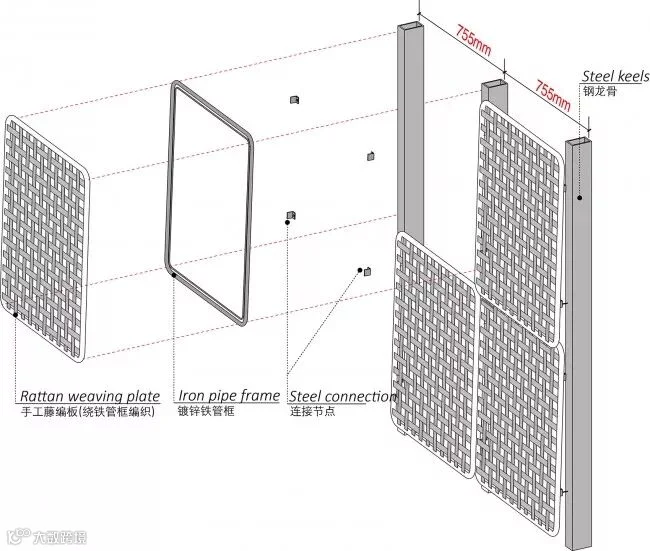
▼藤编挂板构造,detail design of the rattan-weaving double skin
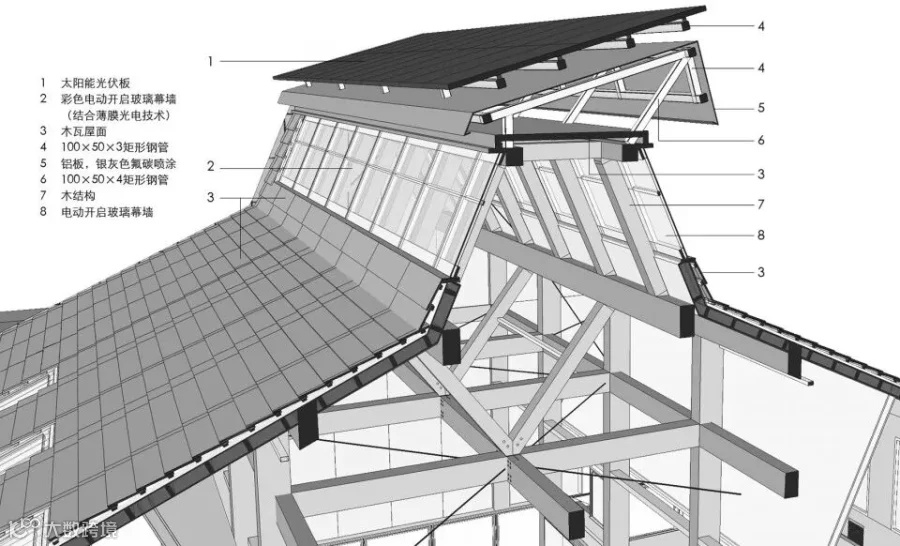
▼风帽示意图,roof design
项目名称:清控人居科技示范楼
项目地点:贵州省贵安新区
建成时间:2015年6月
建筑面积:701㎡