


在
肯尼亚,有这样一位了不起的女性在为了村民的生命健康与工厂污染做着斗争。尽管曾经被逮捕、被殴打,但她依然坚定地对抗着不公。本期Quriosity带您走进这位女性。
On a hot afternoon at a sprawling settlement on the outskirts of Mombasa, Phyllis Omido makes her rounds.
一个炎热的下午,菲利斯•欧米多在蒙巴萨城市郊区的一个杂乱村落里做着日常巡视工作。
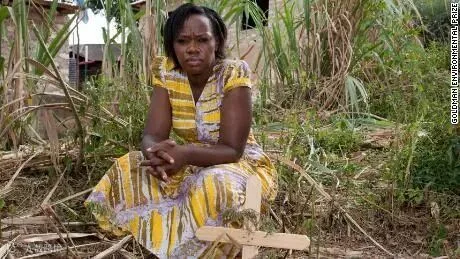
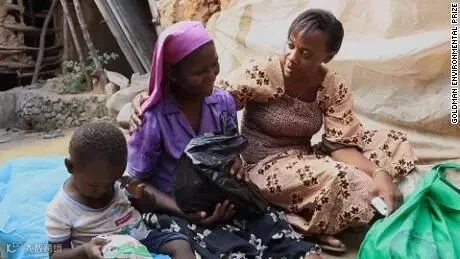
For close to a decade, Omido has been visiting the Owino Uhuru village, monitoring the various illnesses, deaths, and miscarriages that have occurred since a nearby smelter contaminated the village's air and water with lead.
近十年来,由于奥维诺乌鲁鲁村的空气和水源受到附近熔炼场的铅污染,奥米多一直在村中观察着疾病、死亡和流产现象。
She's taken refuge in a walled compound since November. She undoes the three locks on her front door and disarms the security system, setting down her purse, which houses a small black GPS tracker resembling a beeper; she carries it with her wherever she goes.
自从11月份以来,欧米多一直躲在四面围墙的院子里来确保自己的安全。她取下了大门的三个锁,关掉了安全系统,搁下了她的钱包,里面装着像黑色寻呼机一样的小型GPS;但是无论走到哪里,她都带着这个钱包。
"There's been a lot of security challenges," she would later say. "Any time we go to court, we come under attack."
“我们的工作存在很多安全上的挑战,”她接着说,“每一次我们去法庭,都会遭到攻击。”
"Life-or-death situation"
生死存亡之际
Omido is one of Kenya's most outspoken environmental activists, and her work has led to the shuttering of 10 toxic waste smelters in Kenya in the past three years.
欧米多是肯尼亚最直言不讳的环保主义者之一,通过她的努力,最近三年内已经有10家排放有毒废料的熔炼厂倒闭。
She received the 2015 Goldman Environmental Prize, awarded those taking "sustained and significant efforts to protect and enhance the natural environment, often at great personal risk."
她获得了2015年度的戈德曼环境奖,该奖是为了表彰那些为“保护自然环境而付出巨大努力,通常是冒着巨大个人危险的人”。
In 2016, after Omido and a team of lawyers filed a class action lawsuit alleging the government and the lead factory owners of violating Kenyan law and several international treaties, the threats intensified.
2016年,欧米多受到的威胁愈加强烈,因为她和一个律师团队提交了一个集体诉状,控诉政府和铅工厂老板们违反了肯尼亚的法律和几个国际条款。
The United Nations, issued a press release in April demanding the Kenyan government do more to protect Omido and her colleagues, who are "facing a life-or-death situation."
联合国四月份发布新闻稿,要求肯尼亚政府采取更多措施来保护处境凶险“面临生死危机”的欧米多和她的同事们。
Police in Mombasa began investigating the alleged threats in April, local media reported. Police chief for Mombasa County, Peter Omwana, told CNN "the matter had been dealt with," while declining to provide specifics.Public prosecutors contacted local police three times to ask for any findings but received nothing.
据当地媒体报道,蒙巴萨警方已于4月份开始调查声称的威胁。蒙巴萨县的警察局长,彼得•欧华纳告诉CNN“问题已经解决了”,然而他拒绝透露具体细节。检察官们曾三次联系当地警方征求调查结果,但是没有任何收获。
Thick fumes, bitter water
滚滚浓烟,苦涩污水
Omido never dreamed of becoming an activist, but the issue of lead poisoning became personal after her son was found with his blood positive for lead.
欧米多曾经从未想过成为一名环保主义者,但是自从她的儿子被检测出铅中毒,她开始觉得这个问题与自己息息相关。
She began to work at the lead-acid battery recycling plant, Metal Refinery EPZ, as a community relations manager in 2009.The smelter exported blocks of pure lead by taking used car batteries and extracting the lead from them using a special furnace. In violation of Kenyan environmental and human rights law, the factory's smelting process would emit fumes, dust, and effluent laden with lead particles, according to a 2015 report by the Ministry of Health.
2009年,她被一家名为“金属精炼加工出口区”的铅酸电池回收厂聘为社区关系顾问。这家熔炼厂使用特殊焚化炉来提取旧汽车电池里的铅,并用于出口。根据2015年健康部门的报告,该工厂在熔炼过程中其实排放了含有铅颗粒的浓烟,灰尘以及废水。
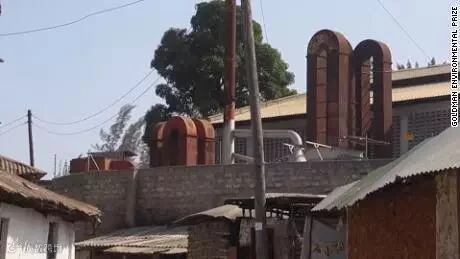
Tasked with assessing the smelter's environmental impact, Omido found the factory's location -- directly next to Owino Uhuru -- left the roughly 3,000 residents there vulnerable to lead exposure. She recommended to management the factory be relocated, and was dismissed from the project.
在完成评估该熔炼厂对环境的影响的任务过程中,欧米多发现由于该工厂直接与奥维诺乌鲁鲁村庄相邻,大约3000位居民承受着巨大的铅污染安全隐患。她建议工厂重新选址,却被该工厂直接踢出了这项调查这个项目。
Meanwhile, villagers were suffering the smelter's toxic effects. Abdominal pain, dizziness, diarrhea, coughing and fatigue became common complaints among Owino Uhuru residents. Children and adults began developing large, scaly skin rashes. Several women began to miscarry, sometimes repeatedly. Altogether, Omido's recorded 79 deaths in Owino Uhuru from lead-related ailments, including 46 children. She also recorded 124 miscarriages between 2010 and 2014, when the smelter was in operation.
与此同时,村民们遭受着冶炼厂的有毒物质的摧残。腹部疼痛、头晕、腹泻、咳嗽和疲劳成为奥维诺乌鲁鲁居民困扰的问题。儿童和成人身上都感染了大面积的鳞状皮疹。一些女性开始习惯性流产。在冶炼厂运作期间,欧米多共记录了79个在奥维诺乌鲁鲁与铅中毒有关的死亡案例,其中包括46个孩子。她同样也记录了在2010到2014年期间流产的124位女性的信息。
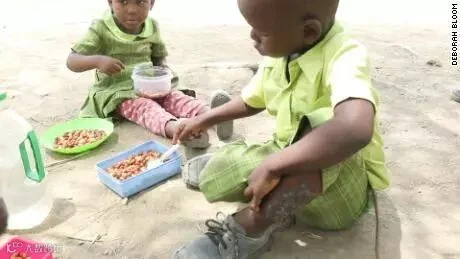
In 2015, the government conducted blood tests on 50 Owino Uhuru residents. All residents tested positive for the presence of lead, and half of them had blood lead levels deemed dangerous by the Center for Disease Control.
在2015年,政府对50位奥维诺乌鲁鲁居民进行了血液测试。所有被测试者血液样本中铅反应呈阳性,并且半数的被测试者的血铅含量被疾病控制中心判定为危险状态。
"Standing up to men"
勇敢地面对男人
After leaving the smelter as an employee, Omido began urging Owino Uhuru residents to write letters to public health officials which were met with no response. To better organize her efforts, she created the Center for Justice, Governance and Environmental Action.
在欧米多离开冶炼厂之后,她开始鼓励奥维诺乌鲁鲁居民写信给公共卫生官员,尽管迟迟没有收到回应。为了更好地组织安排后续的工作,她创建了司法管理环境保护中心。
In 2010, after a factory worker fainted and died, Omido organized a demonstration. After the first protest, the factory was shuttered temporarily, but quickly reopened after the Municipal Council of Mombasa decided the factory had complied with its requirements. The letter-writing campaign and demonstrations continued. She was later arrested five times. Each time, she was held overnight, never charged, and eventually released.
2010年,一名工人晕倒去世后,欧米多组织了一场游行。第一次抗议后,工厂暂时关闭了一阵子,但很快又重新开工了,因为蒙巴萨市议会认为工厂符合条件了。写信和示威活动仍然在继续。之后,她被逮捕了5次。每一次她被拘留了一夜之后,由于没有指控最终又被释放。
Later that year, while still living in Mombasa, she was beaten by two armed men after returning home one evening. She immediately fled Mombasa and relocated to a small coastal town, where she continued her advocacy work.
同年晚些时候,当她仍然住在蒙巴萨时,在傍晚回家的时候,她被两名全幅武装的男子殴打。她立即逃离蒙巴萨并迁移到沿海的一个小城,在那里,她继续她的宣传工作。
Following a third demonstration in 2013, NEMA again ordered the smelter to be closed. Three weeks after it shut down, smoke emissions again billowed from the factory's chimneys. Only in 2014, after Kenya made exporting scrap metal illegal did the factory permanently close.
在2013年第三次示威之后,NEMA*再一次喊停了这家冶炼厂。在其关闭的三周之后,烟雾再次从工厂的烟囱里袅袅升起。直到2014年,肯尼亚出台了有关废金属处理法案后,这家工厂才才被永久性关闭。
*NEMA:肯尼亚国家环境管理局 National Environmental Management Authority
In 2015, a government taskforce concluded Metal Refinery EPZ "failed to balance its economic interest against public health interest and environmental concerns."
2015年,政府工作组得出金属精炼厂出口加工区“未能平衡其经济利益对公共卫生和环境问题。”
The report recommends, among other things, cleaning up the environment of Owino Uhuru and providing medical treatment to those affected. None of those recommendations were implemented, Omido says. She felt the only option was to go to court.
这个报告同样建议,除此之外,要清理环境并且给被感染的居民提供医疗帮助。但是欧米多说,报告中的建议没有一项真正地被实施了。她认为唯一的途径是上法庭。
She wants the residents of Owino Uhuru to be compensated for their suffering. But she also wants to move on with her life.
她想要奥维诺乌鲁鲁居民为他们所受到的痛苦得到补偿。但同样,她也希望能继续自己的生活。

整理:苏娟 刘琳
翻译:余敏 姚灿
审稿:周雨旸
来源:
https://edition.cnn.com/2018/04/20/africa/cost-activism-kenya/index.html