

昨
天我们以英国为例,探讨了教育产业化的现状,今天我们接着谈谈这只“无形的手”给教育界、甚至整个社会带来了什么样的影响。请继续关注本期Quriosity。


高校为招生变身“王婆”,自卖自夸:
Now that education is a commodity, colleges are bound to exaggerate their standing.
既然教育已经变成了一种货品,大学必然会夸大他们的地位。
When something is turned into a commodity, should anyone be surprised when it starts to behave like one, even to the point of exaggeration in its marketing?
如果某物已经变成货品,那么当它开始表现出货品的样子,甚至采用夸张的营销手段时,我们是否应该为此感到惊讶?
Some British universities, to be named by the Advertising Standards Authority (ASA) in a clampdown this week, have been found to be in breach of advertising codes by making claims that weren’t wholly backed by evidence.
(英国)广告标准局(ASA)在本周的压制行动中点名了一些英国大学,这些大学发表了没有充分证据支持的言论,违反了广告规范。
These include the University of Reading, which was instructed to stop claiming online that it was in the top 1% of global institutions. This assertion was extrapolated from the Quacquarelli Symonds (QS) World University Rankings, which placed it among the top 200 institutions worldwide. Other universities, such as Exeter, Southampton and Leicester, have also been promoting themselves as being in the top 1% globally, based on various ranking systems.
这其中包括雷丁大学(University of Reading),该大学被要求停止在网上声称自己位列全球高校的前1%。这一论断是从QS世界大学排名中得出的——该排名将其列入全球前200名的高校。其他大学,如埃克塞特、南安普顿和莱斯特大学,也一直在引用各种排名体系,以“全球排名前1%”为噱头来宣传自己。
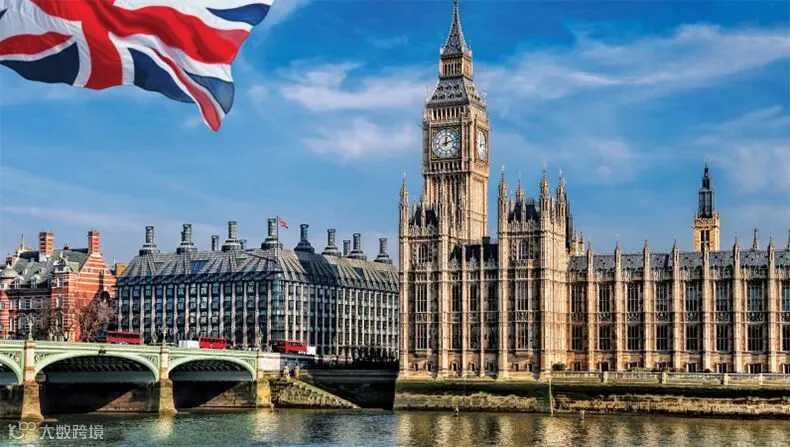
Then Liverpool John Moores University failed to make it clear that its “university of the year” claim was a regional northern title. The University of Bedfordshire claimed to provide gold standard teaching when its last rating was silver. ASA will also be asking for proof for claims made by universities about courses, which could lead to them being branded “misleading” and fined.
利物浦约翰摩尔斯大学没有明确表示,它的“年度大学”其实只是一个北部地区颁发的头衔。贝德福德大学称其提供了黄金标准教学,但其上次的评级为白银。ASA还将规定大学应对相关课程声明提供证明,不然他们将会被贴上“误导”的标签并处以罚款。
Of course, universities shouldn’t make false claims, especially as it costs so much to attend them these days. However, in some cases, it seems to be less about outright lying than an attempt to, lead with the positive and obscure the negative. Most of all, it seems to be about competing and not just for the sport of it either, rather, for survival.
当然,大学不应该做出虚假的声明,尤其是在现今大学学费如此昂贵的情况下。然而,在某些情况下,这似乎并不是彻底的谎言,更是一种为了展现学校积极的一面,掩盖消极的一面而做出的尝试。最重要的是,这似乎是为了竞争,而不仅仅是为了竞争,更多是为了生存而竞争。
In the old days the top-tier universities filled up first and the other ones filled up afterwards. But as there was a shortage of places, every university could be pretty certain of filling up. Now, with no student number controls at either an institutional or sector level, the competition for places has a touch of the wild west about it. Universities should be careful about their claims, which need to be robust, truthful and useful.
在过去,一流大学先招满学生,其他大学随后招生。但招生名额有限,所以每一所大学都肯定能招到学生。而现在,无论是在学校层面还是在行业层面,都没有限定招生数量。各大学之间招生竞争就如同蛮荒的美国西部一样激烈。大学应该谨慎对待他们的声明——这些声明必须是强有力的、真实的和有用的。
是物超所值,还是货次价高?
It’s no secret that universities have been placed under extreme pressure to attract students – their very futures depend on getting “bums on seats”. These days, young British people have to think seriously about whether it’s worth it, financially, to spend tens of thousands of pounds obtaining a degree. It’s also a time when overseas applications (a significant source of revenue for British universities) look set to be affected by the chaos of Brexit. And yet people wonder why beleaguered British universities resort to putting too much spin into their marketing.
毫无疑问,英国高校在招生方面面临着激烈的竞争,它们的未来取决于能否获得“招满学生”,近来,英国的年轻人必须考虑花费上万英镑获取学位是否值得。同时,海外留学申请(英国高校的一项重要收入来源)似乎也将受到英国脱欧的影响,然而,令人好奇的是为何陷入困境的英国高校仍费尽周折来做市场营销。
There appear to be two levels at work here. There’s the fact that certain universities have misled the public and this must stop. Then there’s less obvious stuff, such as the bizarre disconnect forming between how many people still perceive higher education – as rarefied arenas of studying excellence – and what higher education has become in recent times – a commodity to be bought, sampled, and, indeed, complained about, no different to any other.
这似乎有两个层面的原因。一方面,某些大学误导公众,而这必须停止。另一方面,还有一些不太明显的事情,比如,人们对高等教育的认知形成了奇特的脱节。一些人认为高等教育是研究卓越的精英领域而另一些认为高等教育现今已经变成一种货品,被人们购买、试用、抱怨,与其他货品没什么区别。
When the fee increases first hit, a key concern was how students might end up behaving – how they would view themselves primarily as clients who were entitled to demand their money’s worth; even to ask for assurances about potential career trajectories. How long before a student sues a university when a degree fails to lead to the sparkling career they envisaged? How long before TripAdvisor features degree courses?
当学费上涨时,一个关键的问题是学生们最终会如何表现。他们首先会认为自己作为客户有资格要求他们付出的金钱可以得到回报,甚至要求大学对潜在的职业发展做出保证。如果大学毕业后,学位证书未能成为设想中前途大好的职业生涯的敲门砖,那么距离学生控告大学还要多久?距离TripAdvisor点评学位课程还要多久?
(TripAdvisor:官方中文名为猫途鹰,是全球领先的旅游网站,主要提供来自全球旅行者的点评和建议,全面覆盖全球的酒店、景点、餐厅、航空公司,以及旅行规划和酒店、景点、餐厅预订功能。)

However, it’s becoming clear that there are also consequences to universities being forced to view themselves as products. Put into this context, any advertising hyperbole starts looking par for the course. Just as no one gets emotional about the claims of shampoos or face creams, perhaps they need to stop being surprised about universities promising their own versions of young, plump skin or thick, bouncy hair.
然而,大学被迫将自己视为产品的后果已经很清楚了。在这种情况下,任何广告的夸张都开始看起来很正常。就像没人会对洗发水和雪花膏的夸大其词感到愤怒,洗发水承诺人们浓密有弹性的头发,面霜承诺人们年轻丰满的皮肤,或许人们也要对大学类似的夸张承诺见怪不怪了。
Perhaps people need to accept that, these days, universities are just products scrabbling to survive in a crowded marketplace, with the ASA intervening when necessary. If this sounds sad, that’s because it is. It would appear, for the time being at least, that Britain has got the university prospectuses it deserves.
或许人们需要接受这个事实:如今,大学就像货品一样,在严峻的市场形势中跌跌撞撞地谋求生存,ASA在必要时才介入。虽然听上去令人悲伤,可事实确实如此。至少现在,英国已经收到了它应得的大学招生简介。
阶级固化加剧:
“Teaching is a profession that makes me feel guilty. As someone who comes from a working class background I’m painfully aware of the inequalities in our education system – and as a private tutor, I’m now part of the problem. I’m a fully paid up member of what the Sutton Trust calls “the hidden secret of British education” , but I hate that I’m contributing to the widening attainment gap in our schools. I know what it is like to be a vaguely academic child held back by an economically and socially disadvantaged background.”
“教师这个职业令我愧疚。作为一个来自工人阶级的教师,我痛苦地意识到我们教育体系的不平等。作为一个私人教师,我也导致了这种不平等。我正是萨顿信托(Sutton Trust)宣称的‘英国教育黑幕’中完全付费的一员。但是我痛恨自己助长了我们学校的教育差距。我很清楚一个学术规划含糊不清的孩子在经济和社会上处于不利地位的背景下是什么感觉。”

The industrialization of our schools by the elite money brokers of our time has made the development of great minds limited to the chosen few. Public schools are divided by real estate prices and controlled by a few people with vested interests.
由我们时代的货币经纪精英主导的学校工业化, 使培育良好思维的机会仅限于少数人。公立学校被房地产价格所分割,被少数特权阶级的人所控制。
In the poorest and most under-served neighborhoods public relation professionals are paid to spin over exaggerated graduate rates and course offerings. It may be true that a school offers advanced placement classes in a variety of subjects however these classes are marketing devices to buy students from surrounding areas in order to get government support and special interest grant money.
在最贫穷和公共服务最缺乏的社区, 公关专业人员被要求鼓吹过度夸张的毕业率和课程设置。或许事实上,一所学校提供了各种科目的高级班, 但这些课程是营销手段,用来拉拢周围地区的学生, 以获得政府的支持和特殊的利息赠款。
The reality for the poor kids living in these neighborhoods is they will never step foot into one of these classes. In some schools the poor kids were relegated to the basement. That’s where the vocational classes are kept. Out of sight from the well dressed administrators that spend their time with politicians and local corporations promising workers and selling our children’s futures.
生活在这些社区的穷孩子们要面对的现实是, 他们永远不会踏入这些高级班。在一些学校, 这些可怜的孩子被安置到地下室。这就是职业班所在地,在那些衣着光鲜的管理人员看不到的地方,他们把时间都花费在政客和当地企业身上,承诺给他们提供劳动力,同时,也出卖了孩子们的未来。

新闻来源:
Guardian/BBC