

Sophie Raworth是一位BBC新闻节目主持人。最近她与好友一起深入撒哈拉沙漠,只为一次挑战极限的「沙漠马拉松初体验」。她们遇到了哪些困难?又收获了怎样的新奇体验?请关注本期Quriosity。
On Sunday, runners combated temperatures of 24.1C during the London marathon - the hottest on record. But for BBC News presenter Sophie Raworth, the unseasonable heat was nothing in comparison with the Marathon des Sables (MDS), a 150-mile ultra-marathon in the Sahara desert.
周日的伦敦马拉松比赛期间,气温达到史上最高值24.1摄氏度。但是,对于BBC新闻主持人索菲·拉沃斯来说,这样不合季节的高温与撒哈拉沙漠150英里的超级马拉松赛(MDS)相比,简直不值一提。

It's known as the toughest foot race on earth. It's six marathons in five days, carrying everything you need to survive for the week. I signed up with some friends 18 months ago and trained hard for it.
超级马拉松赛(MDS)是世界上难度最大的徒步比赛。比赛在5天内进行6场马拉松,同时你需要携带维持自己生存一周的所有物品。18个月前,我和几个朋友报了名,并为之刻苦训练。
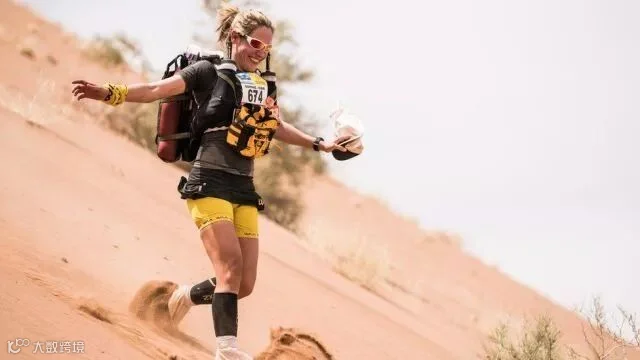
It turned out to be the toughest - at times hellish - but most wonderful, rewarding experience I've ever had. Running down the dunes, wearing gaiters to stop the sand getting in my shoes, is something I will never forget.
事实证明,这是我经历过的最艰难的—有时是地狱般的—但却是最棒、最有价值的经历。穿着防沙长筒橡胶靴跑下沙丘,让我终身难忘。
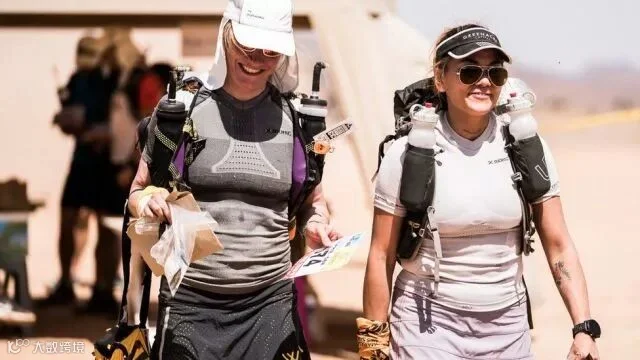
We arrived in camp after a six-hour coach journey deep into southern Morocco. I was with my great friend Susie Chan, an endurance runner, who had already run the MDS three times. Our backpacks had to be checked and weighed to ensure we had enough food for the week as well as the compulsory equipment: a sleeping bag, compass, venom pump and a whistle.
经过6个小时深入摩洛哥南部的长途跋涉,我们抵达了营地。我和我的好朋友苏茜·陈(Susie Chan)在一起,她是一个耐力运动员,已经跑过三次MDS了。我们的背包必须经过检查和称重,以确保我们有足够的食物和一些必需的设备:睡袋,指南针,毒液泵和哨子。
My pack weighed almost 9kg (20lb) without water. Thankfully it got lighter during the week as I ate my way through it.
除了水之外我的背包重约9公斤(201b)。
幸运的是,随着食物消耗,背包在一周内逐渐变轻了。
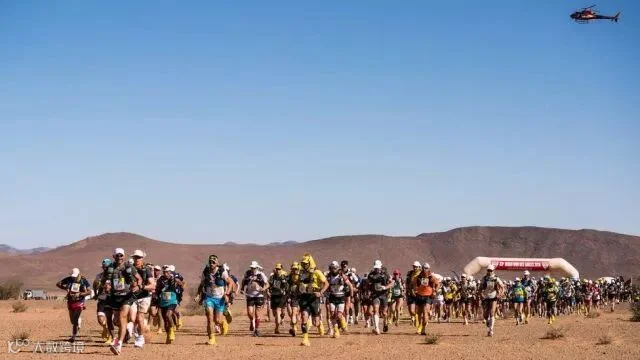
The start of the race is legendary. About 1,000 runners were there, but only 175 women had signed up. Helicopters hovered overhead as Patrick Bauer, the Frenchman who started the race 33 years ago, waved us all off to the sound of Highway to Hell blasting out over the desert.
赛跑的开始具有传奇性。大约有1000名选手参加了比赛,但其中只有175名女性。直升飞机盘旋在比赛场地上空,我们可以看到法国人帕特里克·鲍尔(Patrick Bauer),伴随着响彻沙漠的“地狱公路”音乐向我们挥手。他是MDS的创始人,在33年前开启了这项运动。
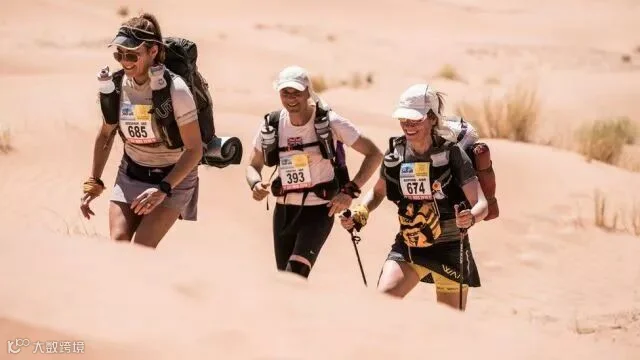
On the first day we ran 18 miles, most of it across sand dunes. Living in London, I've not had much experience of running on sand. It drained our legs. We took it very easy, knowing full well what was ahead that week. Some people went out far too hard in the heat and ended up on drips in the medical tent back at camp.
第一天我们跑了18英里,大部分路程都在沙丘上。因为我住在伦敦,所以我没有太多在沙漠上跑步的经验。我们腿都软了。明白前路漫长,我们知道要悠着点儿。 有些人在高温下走得太远,结果在营地的医疗帐篷里打点滴。
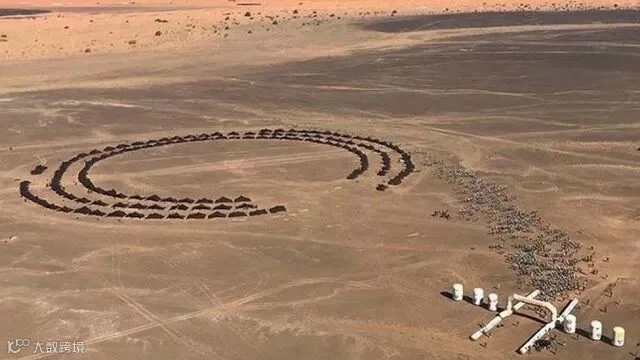
The camp was vast and always on the move. Every morning, as we streamed to the start line, an army of Berbers moved in, took our tents down and then drove them 20 or 30 miles away to the next campsite.
营地很大,而且总是在移动。每天早晨,当我们涌向起跑线时,会有一群柏柏尔人进来,把我们的帐篷拆掉,然后把帐篷带到20或30英里外的营地。
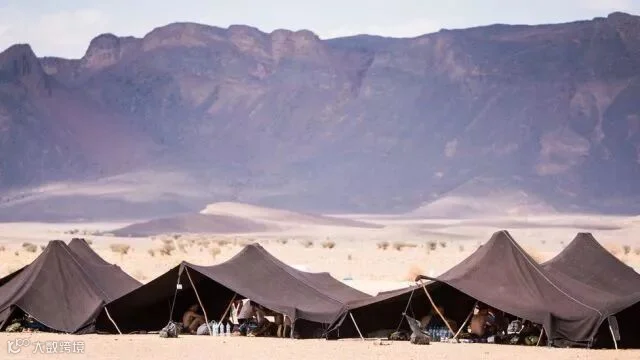
Camp life was almost as important as the running. You shared your open-sided home with seven other runners, sleeping side-by-side on the stony desert floor. After five or six hours of running, we returned every day to our tent and collapsed, too tired to move. Life became very simple. There was no phone signal. You lived in a bubble of sore feet, banter and a lot of laughter.
营帐生活几乎和跑步一样重要。你和其他七个运动员分享你的单面敞开结构的房间,在冰冷的沙漠表面上并排睡觉。每天跑完六小时之后,就返回帐篷倒下休息,累得不能动弹。每天的生活很简单。这也没有手机信号。你活在酸痛双脚的水泡里,玩笑里,和阵阵笑声里。
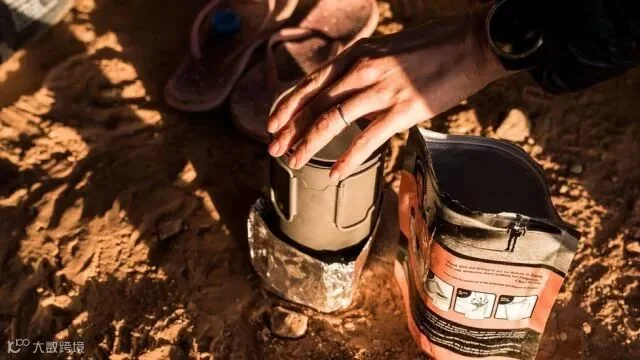
Food was obviously all-important. The rules said you had to carry at least 2,000 calories a day. I had a tiny stove and a pot in which I could boil water for my freeze-dried breakfast and dinner. Lunch was eaten on the move and mainly snacks and powdered energy drinks. We burned off far more calories than we could carry. I came home almost a stone lighter.
食物毫无疑问是最重要的。理论上,你每天需要摄入至少2000卡路里。我带了一个便携式火炉和罐子,因而可以用沸水加热冻僵的早餐和晚餐。我们一般在路上吃午餐,午餐主要是小吃和强力功能饮料。我们消耗的卡路里远比我们摄入的要多。我回家的时候已经瘦了大概6公斤。
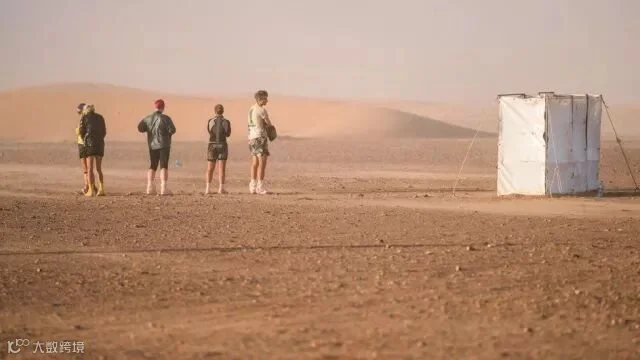
Out in the desert, you quickly learn to put your inhibitions behind you. These were the loos. You got two brown plastic bags as you crossed the finish line each day. Inside each cubicle is a plastic seat with a hole in the middle for the bag. I'll leave the rest to your imagination. There were no showers either. We stayed in the same clothes for nine days.
身处沙漠,你很快就能学会放下顾虑。厕所是这样的:每天在你跨过终点线之后,你都会领到两个棕色塑料袋。每个小房间里都有一个中间有洞的塑料椅,以便于放塑料袋。剩下的就让你自己想象了。营地里也不能洗澡。我们在九天里都穿着同样的衣服。
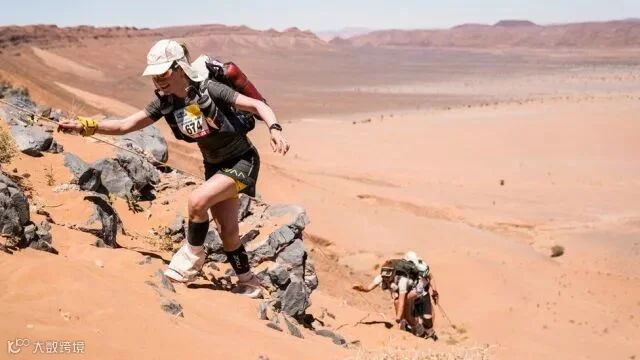
I was amazed by the desert landscape. It was so vast and varied. We did a lot of climbing - at least 2,000ft (600m) a day - scaling jebels and running along ridges. It was exhilarating.
我被荒漠的景色惊呆了。它是那么的广阔无垠,变化多端。我们不停地攀登——一天至少2000英尺(600米),不停地登上高山,沿着山脊奔跑。一切都是那么令人兴奋。
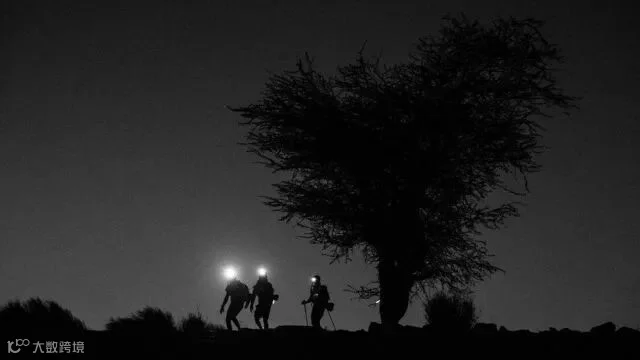
The most feared part of the MDS was day four - the long stage. It's 54 miles in one go and the organizers don't make it easy. We climbed 4,000ft that day and as night fell we found ourselves deep in the sand dunes. It was hell.
撒哈拉沙漠马拉松中最为艰难的是第四天——漫长的一个阶段。我们要一口气跑54英里,而且比赛组织者并没有让它变得简单。那天我们爬了4000英尺,夜幕降临时,我们发现自己已经深深陷入了沙丘。简直就像地狱一样。
We were hungry, our feet hurt and we still had a long way to go. We didn't get back to camp until 01:45, after 17 hours on the go.
我们饥肠辘辘,脚还受了伤,可还有很长的路要走。终于在凌晨1:45,我们结束了17个小时的艰苦跋涉,回到了露营地。
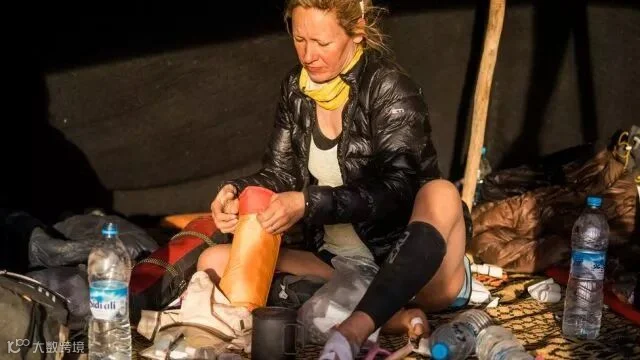
We woke at dawn every morning, had breakfast, taped up our feet, then repacked our rucksacks before heading to the start line. I was lucky. I got only a few blisters. Some runners really suffered though. Our friend in the tent next door was in agony after the soles of his feet blistered. He still managed to finish the race.
我们每天都在黎明中醒来、吃早饭、用胶带缠住脚、整理帆布包,然后前往起点。我很幸运因为我只起了几个水泡。有些跑者被折磨惨了。我们旁边帐篷的朋友被他脚底的水泡弄得痛苦不堪,但他仍然坚持到了比赛的最后。
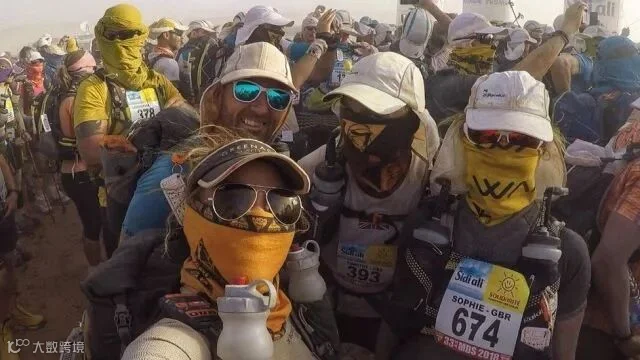
On the final day we ran a full marathon - 26.2 miles. We set off in a sandstorm. But we had become quite used to them by then. Halfway through the week, a sandstorm tore through camp in the middle of the night. We laid in the remains of our tents for four hours as the storm blew through, filling our sleeping bags and mouths with sand.
最后一天,我们跑了完整的26.2英里的马拉松。我们在沙尘暴中出发,但是渐渐地我们开始习惯它了。半个星期后,某天半夜,沙尘暴直接把营地摧毁了。沙尘暴肆虐的时候,我们待在帐篷的废墟中,眼睁睁地看着我们的帐篷睡袋和嘴里塞满了沙子。这持续了4个小时。
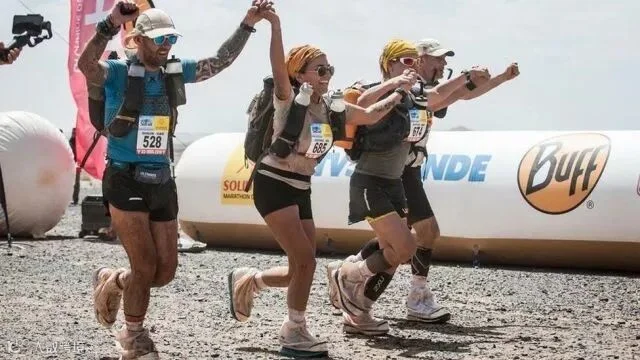
I crossed the finish line with my friends Susie, Shaun and Tim. Somehow we had managed to run every step of the 150 miles together. We all had tough moments during the week but managed to push and pull each other through it. I cried when I crossed the finish line. I couldn't believe I'd actually done it. But the Saharan sands have taught me that my body is so much stronger than my mind ever believed.
我和我的朋友苏西、肖恩、蒂姆冲过了终点。不管怎样,我们一起一步步地跑完了150英里。这一星期,我们都经历了痛苦的时刻,但大家最后都成功地互相支持着跑到了终点。在冲过终点的那一刻,我都忍不住哭了。我无法相信我居然做到了。但是撒哈拉沙漠教我认识到,身体远比自己认为的要坚强。

文章来源:BBC
翻译:张文钰 何平芳 莫羽 谢伊雯 徐小涵
整理校对:张文钰 徐小涵