

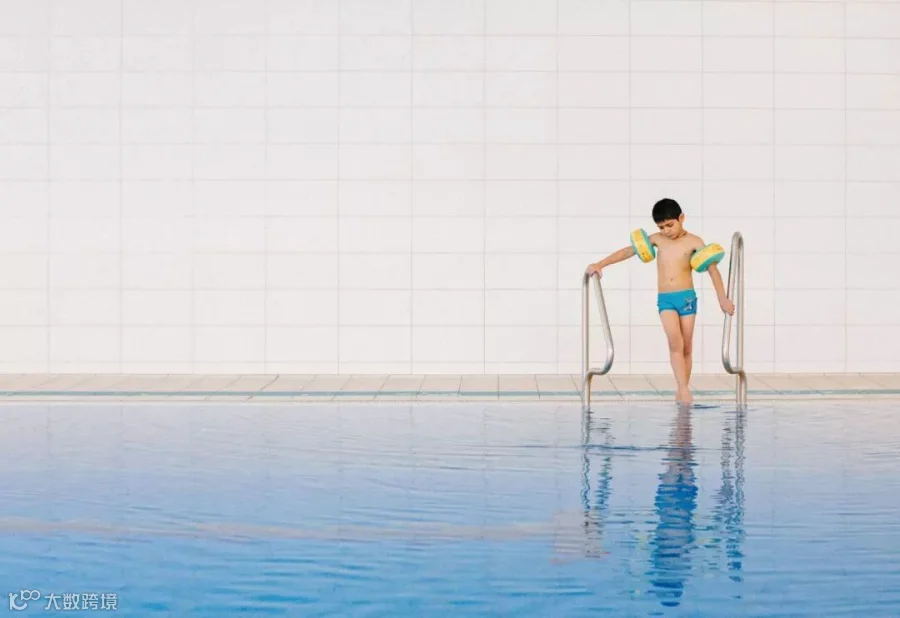
When Hanan Elias Abdo looked over the side of the rubber boat into the deep blue sea, she could make out two large shapes, moving at speed. Were those dolphins? Or sharks?’’ Did you see the fishes?’’ she shouted at her siblings.
当哈南·伊利亚斯·阿波多从橡皮艇的一侧望向深蓝色的大海时,她看见两个巨大而模糊的影子在水中快速移动着。它们是海豚吗?还是鲨鱼?“你看见那些鱼了吗?”她冲兄弟姐妹们大声喊道。
Six-year-old Sulin, the youngest, was lying at the bottom of the boat, pinned to the floor by other people who had been piled into the 6m-long inflatable dinghy now precariously drifting across choppy Mediterranean waters. Had her sister said“fishes”? Sulin could barely make out Hanan’s voice amid the screams of the other passengers, rising and falling with each wave.
6岁的苏林是他们中最小的一个。她躺在船底,和其他人一起挤在这艘六米长的汽艇舱底,动弹不得。小船正摇摇晃晃地飘过波涛汹涌的地中海。姐姐刚刚是说了“鱼”吗?每一次波浪起伏都伴随着乘客们的尖叫,而苏林在这尖叫声中几乎分辨不出哈南的声音。
Sulin was lying on top of a thin patch on the boat’s floor and could feel the water moving underneath her. At home, in the Sinjar mountains in Iraq, she had never more than splashed through an ankle-deep brook.What if the floor gave way and she got pushed into the bottomless depths? What, she thought, if the fishes started nibbling at her feet
苏林正躺在舱底地板一块薄薄的木板上 ,她能感觉到水流正在她身下汹涌。在她的家乡,伊拉克的欣贾山脉,她从未趟过超过齐踝深的小溪。如果,船底塌了,她坠入这无底深渊,该怎么办?如果,她想,鱼开始一点一点啃她的脚,该怎么办?
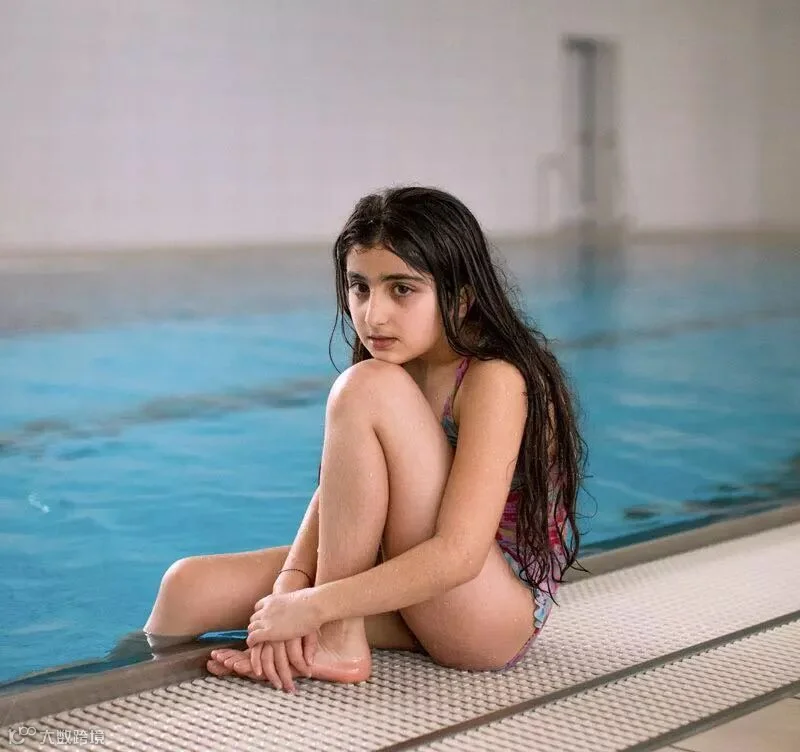
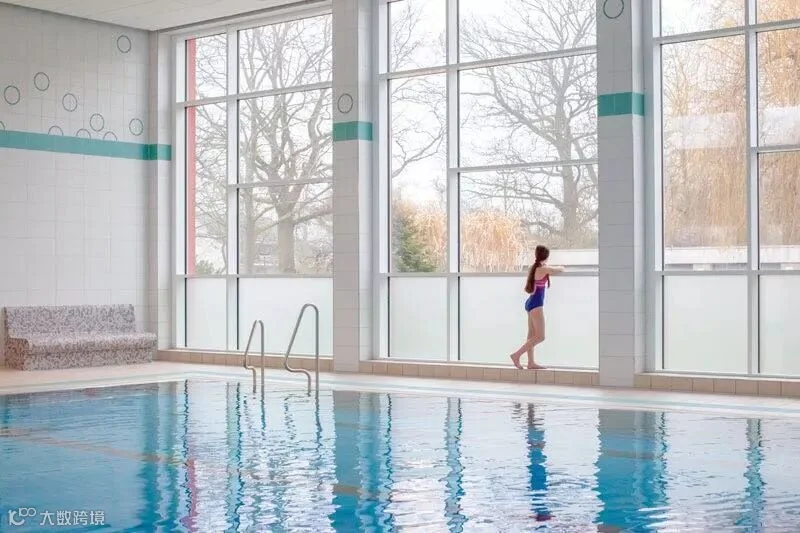
That was in September 2015. Two and a half years later, Sulin stands atop a starting block in northern Germany, takes a two-step run-up, waggles her arms and legs mid-air, before landing in the 2-metre-deep turquoise water and splashing her giggling sisters who are paddling near the edges. Surfacing, she pulls a funny face at the man applauding her from the side of the pool.“That’s it!”says Günter Schütte, Germany’s first swimming instructor to specialise in helping to cure refugees’fear of water.
那是2015年9月。两年半后,在德国北部,苏林站在起跑架上,她助跑两步,在空中摆动四肢,随后落入两米深的青绿色泳池,水花溅在在泳池边笑着踩水的姐姐身上。浮上水面后,她对另一侧正在鼓掌的男人做了个鬼脸。“就是这样!”君特·舒特说道。他是德国第一个专门帮助难民克服对水恐惧的游泳教练。
Schütte is a teacher with 40 years’experience teaching sport at schools in Wolfsburg, . He retired in 2014, a year before Germany become the destination for around 890,000 asylum seekers, many of them fleeing war-torn regions in Syria and Iraq.
舒特是一名老师,在沃尔夫斯堡教了40年体育。他在2014年退休。一年后,大约89万人来到德国寻求避难,其中很多人是叙利亚和伊拉克的战乱地区逃出来的。
The 66-year-old was not among the large crowds of volunteers who welcomed the new arrivals at German train stations,But when Schütte realised that many refugees who arrived in Wolfsburg were families from countries with little open water, and that many children had been traumatised by the journey across the Mediterranean, he decided that swimming could become a tool for better integration.
这位66岁的德国老人并没有参与志愿者队伍,在火车站迎接难民到来。但后来,他意识到很多难民是从缺乏开阔水域的国家来到沃尔夫斯堡的,而且许多孩子在跨越地中海的航程中受到了创伤。于是,他决定开设游泳课,让他们更好地融入这里。
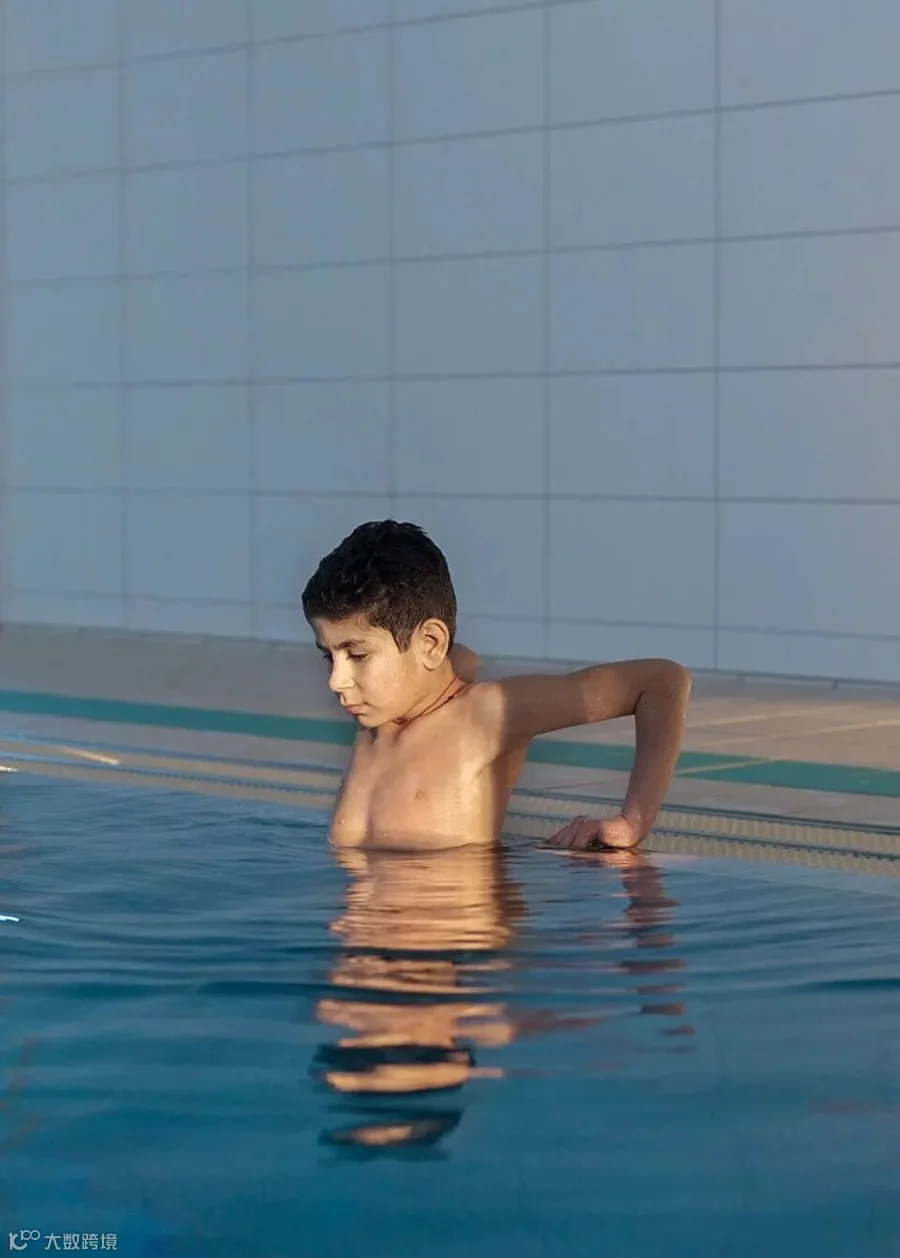
The purpose of the course was to help the new arrivals ease into an unfamiliar element.“By learning how to swim, refugees are no longer shut out from the sports lessons at school– they have a sense of achievement.” Lessons take place in groups of up to 25 learners, and are strictly held in German.
游泳课的目的是帮助初来乍到的难民慢慢适应这片陌生的土地。“通过学习游泳,他们会收获一种成就感,因为他们再也不会被学校的体育课排斥在外了。” 游泳课上,一个班最多25人,舒特严格用德语开展教学。
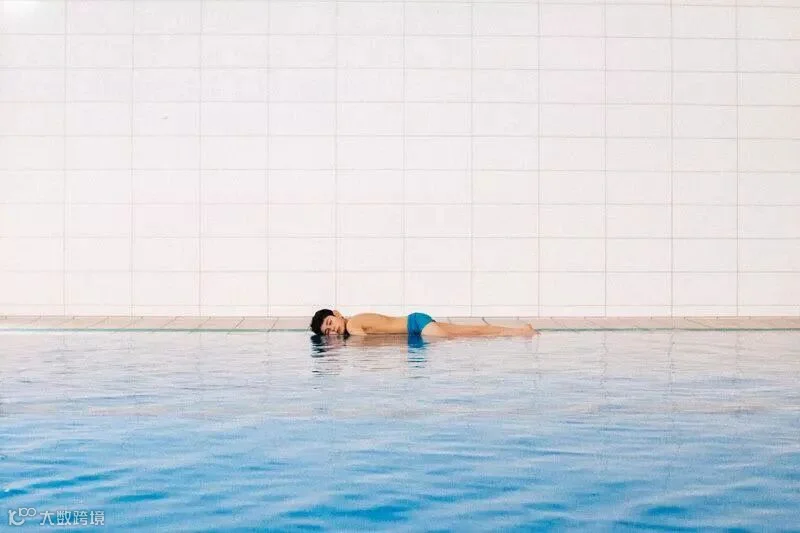
The Elias Abdo sisters were some of Schütte’s first pupils. He started with them lying on their backs in shallow water.“Some of my students find that absolutely terrifying at first. But we tell them: use my arms as a support and just trust me. Once you’ve built up trust and lost fear, you begin to learn incredibly quickly.”
伊利亚斯·阿波多姐妹是舒特的第一批学生。他先教她们在浅水中仰面漂浮。“一开始,有些学生觉得很可怕,但我告诉他们:把我的手臂当作支撑物,相信我。其实只要建立起了信任,她们就不会再害怕,这样学起来就很快了。”
When the beginners are comfortable lying in the water, Schütte and his assistants tell them to breathe into their stomachs, to make the rest of the body rise to the surface.“At that moment, most people realise that you can float in the water without any support from your helper.”
当初学者们能舒服地漂在水上时,舒特和助教就会让他们呼吸时把气带到胃部,让身体其他部分浮起来。“到了那时,大多数人才发现,没有别人支撑,自己真的也能浮起来。”
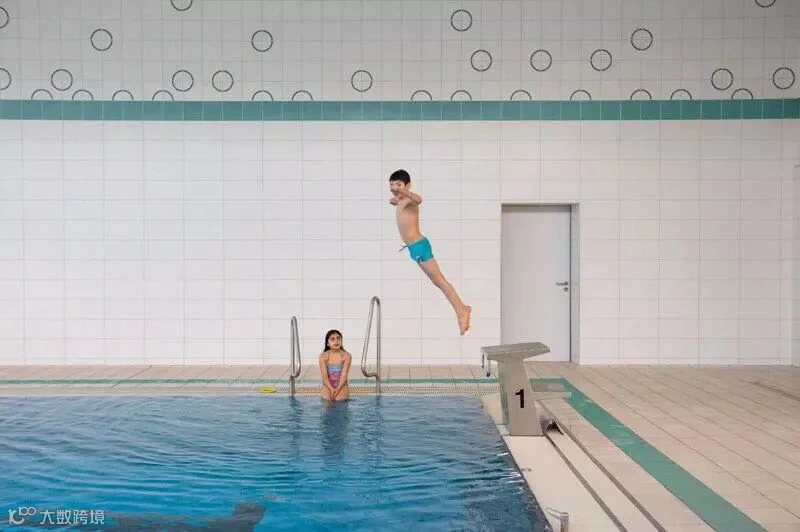 Once the girls realised how easy it was to float, they started moving their limbs more freely. He built up their confidence by encouraging them to play with the previously hostile element, by blowing bubbles in the water, splashing each other or jumping off the sides.
女孩们一发现漂在水上原来这么简单,便开始更加自如地活动四肢。舒特通过鼓励孩子们与自己曾经恐惧的事物玩耍来重树他们的信心,比如在水中吹泡泡,互相泼水,或是从泳池边跳入水中。
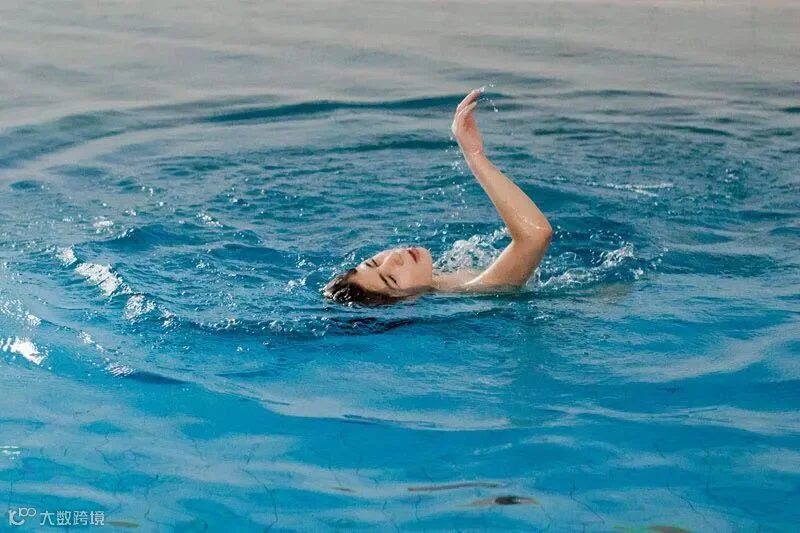
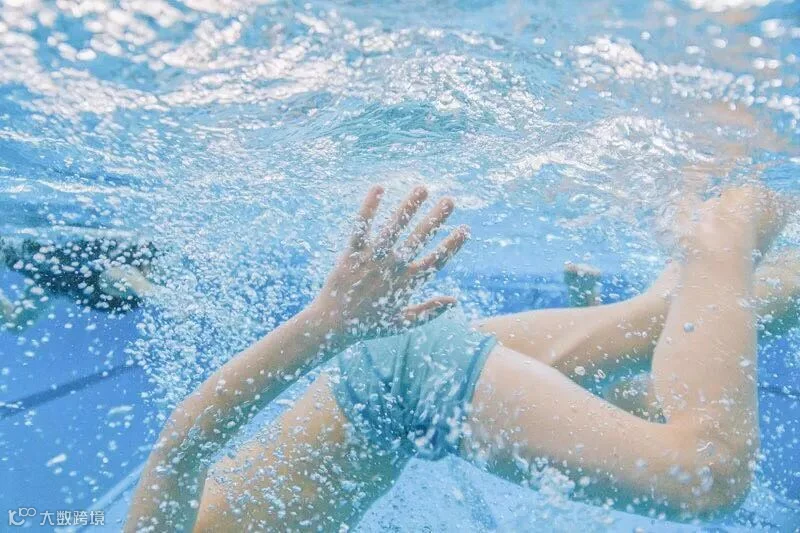
Schütte insists he does not have the right qualifications to describe what he does as trauma counselling.“All we can do is help people overcome fears and build up their self-confidence.” With Elias Abdo sisters, the process took over four months. Hanan, now 15, struggled most to overcome her fears: even when she managed to swim without help, she did so only on her back, staring up at the ceiling.“Swimming on my front was really difficult. Whenever I put my head under water, I was back in the deep blue sea. I was scared and I couldn’t move.”
舒特坚持认为他并没有资格将自己的所作所为称作“创伤心理辅导”。“我们所能做的只不过是帮助人们克服恐惧,重树自信罢了。”伊利亚斯·阿波多姐妹花了四个月才完成这个过程。15岁的哈南克服恐惧的过程最为艰难:即使不借助任何帮助也能游泳,她也只肯保持仰面姿势,面朝天花板浮着。“头朝下游泳真的很困难。每次我的头一浸没到水里,就感觉好像回到了那片深海,我害怕得一点也动不了。”
Sinjar province, where Hanan, Helin and Sulin grew up, is a traditional stronghold of the Yazidi minority who were declared infidels by al-Qaida and actively targeted by Isis in 2014. Helin, now 12, recalls a phone call late that summer from her grandmother, who lived in the next valley along: Isis fighters were approaching and the villagers had run out of ammunition.
哈南,赫林和苏林的家乡辛贾省是一个传统的雅迪兹少数民族聚集区,2014年,该省的居民被基地组织宣布为异教徒,并且时常被恐怖组织伊斯兰国袭击。12岁的赫林回忆起了那年夏末,住在隔壁村庄的祖母打来了一通电话,她说Isis武装分子正在逼近,但村民们的弹药已经用光了。
Months later, after crossing the Mediterranean and seven different countries, someone sent Helin a photograph of their village.“The war had flattened everything,”she says.“Someone had thrown a bomb on to the street, and it looked like an earthquake had struck.”
几个月后,赫林已经穿越了地中海和七个国家来到了德国。有人给她寄了张村庄的照片。“战争把一切都夷为平地,”她说,“有人朝街上扔了颗炸弹,然后那里看起来就像是地震后的废墟。”
Asked which part of Germany she finds most beautiful, Hanan replies without pause: “Here.” Does she not mind the drizzly weather, the lack of sunshine? “The weather doesn’t matter when your family is together.”Her youngest sister Sulin already knows that people in Lower Saxony have a reputation for speaking the cleanest form of Hochdeutsch.The three girls now fluently converse with each other in German, and share private jokes about Bavarians and their rolling Rs.
我问哈南她觉得德国哪个地方最美,她毫不犹豫就回答:“这里啊。”难道她不介意沃尔夫斯堡的的阴雨绵绵吗?“一家人能在一起就好,天气并不重要。”哈南最小的妹妹苏林早就知道,下萨克森州人以说最最纯正的标准德语而出名。如今,三姐妹能用德语流利交流,还会互相偷偷嘲笑巴伐利亚人(南德)发“r”时的卷舌音。

Last year, the three girls said they were sure that they would never move back to Iraq. When asked if they still feel the same, Hanan says, “Move back? No.” Then, after a short pause: “But maybe visit and see people there, perhaps help people who couldn’t leave, that would be a dream.”
去年,三姐妹都说她们很确定,自己再也不会搬回伊拉克。我问她们现在是否仍然有同感,哈南说:“搬回去?不可能。”过了一会,她又说“但我大概会回去看看那里的人,或许会帮助那些走不了的人,那真是最好不过了。”
Then Sulin interrupts her older sisters. “I dream a lot that I am back in Iraq. Everything is good again, and we all play together. Our family is back in our old house, and the sun is shining.”
这时,苏林打断了姐姐的话。“我特别想回伊拉克。一切又好起来了,我们又可以在一起玩。我们一家人家回到老房子,阳光像原来一样照耀着。”
For now, the Elias Abdo sisters remain determined. Hanan wants to go a step further and get the rescue swimming badge in silver. Asked what she wants to do when she grows up, she doesn’t take long to come up with an answer.“a sports teacher.”
现在,伊利亚斯·阿波多三姐妹仍然决心继续学游泳。哈南想更进一步,拿到银色的游泳救生员勋章。我问她,长大后想干什么。她并未犹豫太久就给出了答案:“体育老师!”
Source:The Guardian -By Philip Oltermann
Photos:© Diana Markosian / Magnum Photos
翻译:范仪亦 周冰倩 顾贝盈 刘可圆
校对/排版:刘可圆