(接上一篇推送)
全文字数: 2725
阅读时间: 9 分钟

Leaks and Counterfeit Profiles
数据泄露和假冒配置文件

Russia has been quite open about playing its hacking card. In February last year, at a conference in Moscow, a top cyber intelligence adviser to President Vladimir V. Putin hinted that Russia was about to unleash a devastating information attack on the United States.
俄罗斯向来近乎公然地使用黑客攻击手段。2016年2月,在莫斯科的一个会议上,俄罗斯总统普京的一名高级网络情报顾问曾暗示,俄罗斯即将对美国发动一场毁灭性的信息攻击。
“We are living in 1948,” said the adviser, Andrey Krutskikh, referring to the eve of the first Soviet atomic bomb test, in a speech reported by The Washington Post. “I’m warning you: We are at the verge of having something in the information arena that will allow to us to talk to the Americans as equals.”
《华盛顿邮报》报道了这位名叫Andrey Krutskikh的高级顾问。在一次演讲中,他用前苏联第一次原子弹爆炸试验的前夕做了比喻。“我们现在就好比生活在1948年。我想警告你们,在信息这一竞技场上,我们马上就可以与美国人平起平坐了。”
Mr. Putin’s denials of Russian meddling have been coy. In June, he allowed that “free-spirited” hackers might have awakened in a good mood one day and spontaneously decided to contribute to “the fight against those who say bad things about Russia.” Speaking to NBC News, he rejected the idea that evidence pointed to Russia — while showing a striking familiarity with how cyber attackers might cover their tracks.
普京总统在否认俄罗斯的干涉时含糊其辞。在六月份,他认可了这样一种说法——那些“思想自由的”黑客可能在某天醒来时心情大好,然后自发决定贡献自己的力量,“与那些说俄罗斯坏话的人作斗争”。在回答NBC采访时,普京否认了所有的证据都指向俄罗斯这一说法,同时,对于网络黑客可能如何隐藏自己的行踪,他看起来相当精通。
“IP addresses can be simply made up,” Mr. Putin said, referring to Internet protocol addresses, which can identify particular computers. “There are such IT specialists in the world today, and they can arrange anything and then blame it on whomever. This is no proof.”
普京表示“IP地址很容易编造” 他指的是能够识别特定计算机的互联网协议地址。“当今世界上有这样的IT专家,他们可以安排任何事情,然后将其归咎于任何人,这不足以构成证据。”
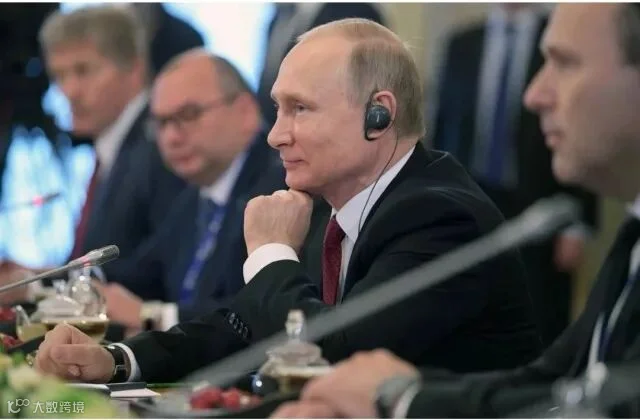
President Vladimir V. Putin of Russia in June. His denials of Russian meddling have been coy, though he said that “free-spirited” hackers might have spontaneously contributed to “the fight against those who say bad things about Russia.”
六月,俄罗斯总统普京对于俄罗斯干预事件的否认态度委婉。尽管普京说可能有一些“思想自由的”黑客自发地促成了“与那些说俄罗斯坏话的人的斗争”。
Mr. Putin had a point. Especially in the social media realm, attributing fake accounts — to Russia or to any other source — is always challenging. In January, the Central Intelligence Agency, the Federal Bureau of Investigation and the National Security Agency concluded “with high confidence” that Mr. Putin had ordered an influence operation to damage Mrs. Clinton’s campaign and eventually aid Donald J. Trump’s. In April, Facebook published a public report on information operations using fake accounts. It shied away from naming Russia as the culprit until Wednesday, when the company said it had removed 470 “inauthentic” accounts and pages that were “likely operated out of Russia.” Facebook officials fingered a St. Petersburg company with Kremlin ties called the Internet Research Agency.
普京的话有一定的道理,将虚假账户归咎于俄罗斯或其他任何来源无疑是充满挑战的,尤其是在社交媒体领域。今年1月,美国中央情报局(Central Intelligence Agency)、美国联邦调查局(Federal Bureau of Investigation)和美国国家安全局(National Security Agency)“高度自信”地得出结论称:普京曾下令对希拉里的竞选活动施加负面影响,并最终帮助唐纳德·J·特朗普的竞选。今年4月,Facebook发布了一份关于使用虚假账户进行信息操作的公开报告,文中回避提及俄罗斯是一切的罪魁祸首,直到该公司于周三称已经删除了470个“不真实”的账户和页面,而它们“很有可能由俄罗斯操控”。Facebook官员指责一家名为“互联网研究局”(Internet Research Agency)的圣彼得堡公司与克里姆林宫有牵连。
Russia deliberately blurs its role in influence operations, American intelligence officials say. Even skilled investigators often cannot be sure if a particular Facebook post or Twitter bot came from Russian intelligence employees, paid “trolls” in Eastern Europe or hackers from Russia’s vast criminal underground. A Russian site called buyaccs.com (“Buy Bulk Accounts at Best Prices”) offers for sale a huge array of pre-existing social media accounts, including on Facebook and Twitter; like wine, the older accounts cost more, because their history makes chicanery harder to spot.
美国情报官员说,俄罗斯故意模糊其在干预行动中发挥的作用。即使再熟练的调查人员也无法确定某一特定的Facebook帖子或Twitter僵尸号是否来自俄罗斯情报人员、身在东欧的网络水军,或俄罗斯庞大的地下犯罪集团中的黑客。一个名为buyaccs.com的俄罗斯网站(意为“Buy Bulk Accounts at Best Prices”即“以最优惠的价格购买大宗商品”)大量提供销售预先存在的社交媒体账户,包括Facebook和Twitter,这些账户就像葡萄酒一样,存在时间越长价格越高,因为它们的欺诈行为更难被发现。
The trail that leads from the Russian operation to the bogus Melvin Redick, however, is fairly clear. United States intelligence concluded that DCLeaks.com was created in June 2016 by the Russian military intelligence agency G.R.U. The site began publishing an eclectic collection of hacked emails, notably from George Soros, the financier and Democratic donor, as well as a former NATO commander and some Democratic and Republican staffers. Some of the website’s language — calling Mrs. Clinton “President of the Democratic Party” and referring to her “electional staff” — seemed to belie its pose as a forum run by American activists.
然而,俄罗斯的行动和虚假账户梅尔文瑞迪克之间的联结痕迹是一目了然的。因此美国情报部门得出结论:DCLeaks.com是由俄罗斯军事情报机构G.R.U.在2016年6月创建的。自创建以来,该网站就开始发布一系列被黑客窃取的电子邮件,特别是来自于金融家和民主党捐赠者乔治•索罗斯(George Soros)、前北约(NATO)指挥官以及一些民主党和共和党的工作人员的。该网站使用了一些语言称希拉里为“民主党总统”,并提及了她的“选举工作人员”——似乎试图掩盖该网站假冒美国活动人士举办的论坛的实质。
DCLeaks would soon be followed by a blog called Guccifer 2.0, which would leave even more clues of its Russian origin. Those sites’ posts, however, would then be dwarfed by those from WikiLeaks, which American officials believe got thousands of Democratic emails from Russian intelligence hackers through an intermediary. At each stage, a chorus of dubious Facebook and Twitter accounts — alongside many legitimate ones — would applaud the leaks.
紧随DCLeaks后将是一个名为Guccifer 2.0的博客,它留下了更多来自俄罗斯的线索。然而,这些网站的帖子在维基解密的文件面前都是小巫见大巫了。美国官员认为,维基解密通过某个中间人从俄罗斯情报黑客那里获得了数千封民主党的电子邮件。在事件发酵的每个阶段,Facebook和Twitter的可疑账户(以及许多合法账户)都一齐为泄密事件喝彩。
During its first weeks online, DCLeaks drew no media attention. But The Times found that some Facebook users somehow discovered the new site quickly and began promoting it on June 8. One was the Redick account, which posted about DCLeaks to the Facebook groups “World News Headlines” and “Breaking News — World.”
在上线的头几周,DCLeaks没有受到媒体的关注。但《泰晤士报》发现,一些Facebook用户很快就发现了这个新网站,并于6月8日开始推广它。其中一个就是瑞迪克的账户,它把DCLeaks网站上的信息发布到了Facebook的 “世界新闻头条”和“突发世界新闻”群组上。
The Redick profile lists Central High School in Philadelphia and Indiana University of Pennsylvania as his alma maters; neither has any record of his attendance. In one of his photos, this purported Pennsylvania lifer is sitting in a restaurant in Brazil — and in another, his daughter’s bedroom appears to have a Brazilian-style electrical outlet. His posts were never personal, just news articles reflecting a pro-Russian worldview.
瑞迪克的用户资料中将费城的中央高中和宾夕法尼亚大学列为母校,但这两所学校都没有任何关于他的出勤记录。在他的其中一张照片中,这位号称宾夕法尼亚州的居民正坐在巴西的一家餐馆里,而在另一张照片中,他女儿的卧室里似乎有一个巴西式的电源插座。他的帖子从来没有关于个人生活的,只有反映亲俄世界观的新闻文章。
The same morning, “Katherine Fulton” also began promoting DCLeaks in the same awkward English Mr. Redick used. “Hey truth seekers!” she wrote. “Who can tell me who are #DCLeaks? Some kind of Wikileaks? You should visit their website, it contains confidential information about our leaders such as Hillary Clinton, and others http://dcleaks.com/.”
同一天早上,用户“凯瑟琳·富尔顿”也开始推广DCLeaks网站,使用着与雷迪克先生相同的蹩脚英语。“嘿,真理追寻者们!”她写道。“谁能告诉我#DCLeaks是谁?”某种“维基解密”吗?你应该访问他们的网站,里面包含了关于我们的领导人的机密信息,有希拉里·克林顿还有其他一些人。http://dcleaks.com/。”
So did “Alice Donovan,” who pointed to documents from Mr. Soros’s Open Society Foundations that she said showed its pro-American tilt and — in rather formal language for Facebook — “describe eventual means and plans of supporting opposition movements, groups or individuals in various countries.
“爱丽丝·多诺万”也是这样,她指出索罗斯先生的开放社会基金会的文件展现了支持美国的倾向,并且,在Facebook上用了相当正式的语言“描述了运用于许多国家支持反对运动、组织、个人的最后手段和计划”。
Might Mr. Redick, Ms. Fulton, Ms. Donovan and others be real Americans who just happened to notice DCLeaks the same day? No. The Times asked Facebook about these and a half-dozen other accounts that appeared to be Russian creations. The company carried out its standard challenge procedure by asking the users to establish their bona fides. All the suspect accounts failed and were removed from Facebook.
瑞迪克先生、富尔顿女士、多诺万女士和其他人会不会真的在同一天恰巧注意到DCleaks了呢?不。时代周刊向Facebook询问这几个人,还有另外六个疑似俄罗斯虚假账户。这个公司实施了标准的质疑程序。所有被怀疑的账户都没通过这一关并被Facebook除名了。

To be continued...

文章来源:纽约时报
图片来源:纽约时报
翻译:张文钰 谢伊雯 莫羽 何平芳 徐小涵
整理校对:徐小涵