

全文字数:3716
建议阅读时间:8分钟
Spanking is fine?
It’s not!
“再皮?再皮爸爸就要揍了! ”
“学得会吗?还学不会就打!”
“还顶嘴?不听话打屁股了哦!”
忍不住打孩子的屁股似乎是家长管教孩子普遍的现象——如今大多数美国人仍然认为打小孩的屁股无伤大雅,实际并非如此。
1
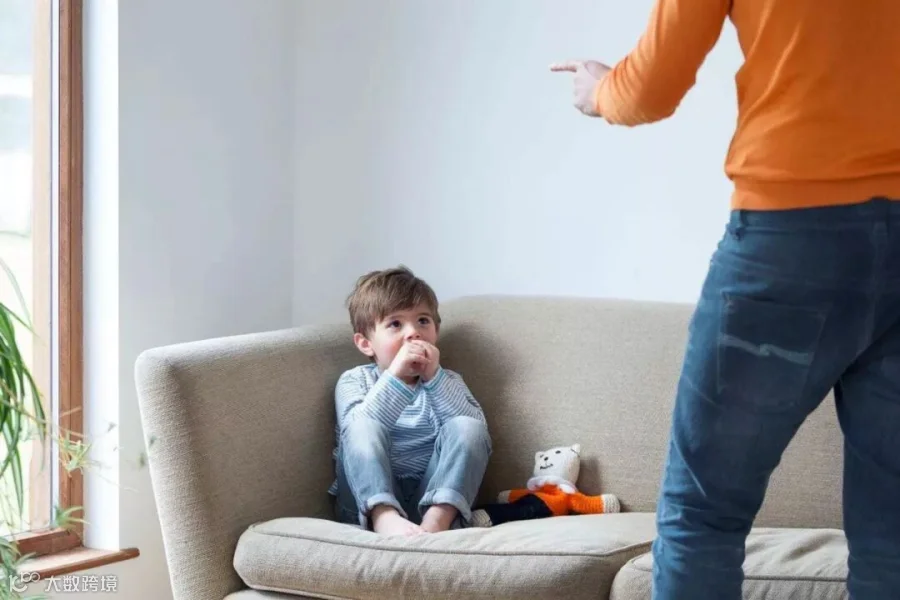
Growing up in the early ’80s, I was spanked by my parents now and again. I’ve never considered this to be that much of a big deal — every kid I knew got the same treatment if they pushed their parents too far — and I doubt that infrequent spanking had any long-lasting effect on me.
我在80年代初长大,儿时偶尔会被父母打屁股。我从未认为这是个严重的问题,我认识的每个孩子如果把父母逼急了都会有同样遭遇。我也怀疑童年偶尔几次被打对我是否真有什么长期影响。
I have a healthy relationship with my parents. I’ve never been in an abusive relationship, or suffered from hyperactivity, aggression, cognitive difficulties or oppositional behavior, which are some of the many adverse effects research has linked to being spanked as a child. But spanking should be left in the past.
我和父母的关系很健康,从来没有陷入过虐待型关系,也没有多动、攻击性强、认知障碍或叛逆行为的困扰,这些行为均属于研究表明童年被打会导致的众多不良后果。但是打屁股确实应该被摒弃。
However, it seems to still be very much part of modern parenting culture. According to the 2016 General Social Survey (2002–2016), conducted by the National Opinion Research Center at the University of Chicago, 76 percent of men and 66 percent of women ages 18 to 65 agreed that a child sometimes should be spanked.
然而,打屁股似乎仍然是现代家庭养育文化的固有内容。芝加哥大学全国民意研究中心进行的“2016年综合社会调查(2002-2016)”结果显示:在18岁至65岁间的受调查者中,76%的男性和66%的女性同意孩子偶尔被打确有必要。
I live in Scotland, which will become the first U.K. nation to ban all physical punishment of children in 2019, when a bill removing the “reasonable punishment” defense becomes law.
我居住的苏格兰将于2019年成为第一个全面禁止对儿童实施体罚的英国国家,一项撤消“合理惩罚”辩护理据的法案将正式成为法律。
After that, there will be no legal justification for smacking your child. I’ve never spanked my own kids, but I’ve heard plenty of my fellow parents either justify doing it — or grumble about the fact that it’s generally not a socially acceptable thing to do — by declaring, “It didn’t do me any harm.”
届时,打孩子就没有合法依据了。我从来没有打过自己的孩子,但听说过很多同龄父母为打孩子寻找正当理由,一边说“我小时候就被打,不是照样长大”一边抱怨这种教育方式现在通常不为社会所接受了。
No such legislation exists in the United States. The American Academy of Pediatrics recently released a policy statement confirming its opposition to corporal punishment (any form of physical punishment, including spanking), stating that it’s harmful and ineffective. That conclusion is backed up by health professionals and extensive research.
美国还没有这样的法律。美国儿科学会(AAP)最近发布了一份政策声明,确定其反对体罚的立场(任何形式的体罚,包括打屁股在内),声明体罚是有害而且无效的。医学界专业人士和大量的研究支持了这一结论。
2
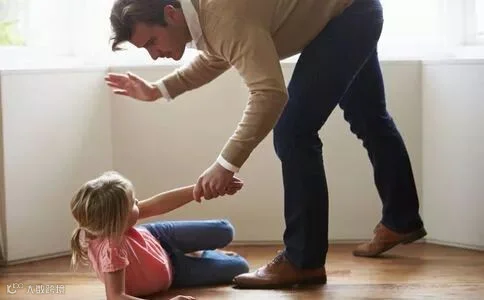
According to Catherine A. Taylor, associate professor of global community health and behavioral sciences at Tulane University School of Tropical Medicine, whose research was heavily cited in the AAP policy statement, “corporal punishment increases risk for all kinds of health problems.”
杜兰大学热带医学院的全球社区卫生和行为科学副教授Catherine A.Taylor的研究在美国儿科学会(AAP)的政策声明中被大量引用,她说:“体罚增加了各种健康问题的风险。”
Research published in the Journal of Family Psychology in 2016 found that despite the wide use of spanking, there was no evidence linking spanking to improved child behavior.
2016年发表在《家庭心理学杂志》上的一项研究发现,尽管打屁股广泛存在,但没有证据表明打屁股会改善儿童行为。
On the contrary; spanking was found to be associated with increased risk of 13 detrimental outcomes, including aggression, antisocial behavior, impaired cognitive ability, mental health problems and physical injury.
相反,研究发现打屁股会增加导致13种有害后果的风险,包括攻击性、反社会行为、认知能力受损、心理健康问题和身体伤害。
“Corporal punishment teaches children that aggression and violence are acceptable ways to manage anger and difficult emotions,” says Taylor, whose own research, published in the journal Pediatrics in 2010, found that children who were spanked more frequently at age 3 acted more aggressively at age 5 than those who were spanked less or not at all.
泰勒说:“体罚会教育孩子们,遇到愤怒和困难情绪时是可以诉诸攻击和暴力来应对的,”他自己发表在2010年儿科学杂志上的研究发现,与比那些很少甚至没有被打的同龄人相比,在3岁时被频繁打屁股的孩子长到5岁时更有攻击性。
Spanking can also have a detrimental effect on the parent-child relationship, as well as the child’s future relationships, says clinical social worker and founder of the Critical Therapy Center, Silvia M. Dutchevici. “For children to see one’s parents in such a state of rage is frightening,” she says. “Further, it teaches them in a very experiential way that when people lose control of their emotions, anything can happen.”
临床社会工作者和关键治疗中心的创始人Silvia M.Dutchevici说,打屁股还会对亲子关系以及孩子未来的人际关系产生有害的影响。她说:“让孩子看到父母处于这种愤怒状态是十分可怕的。此外,孩子们会通过亲身经历体验到当人们失去对情绪的控制时,任何事情都可能发生。”
Dutchevici has worked with victims of domestic violence for many years, and knows firsthand that there is a direct psychological link between hitting a child and the chances of that child ending up in abusive relationships — which is backed up by research.
Dutchevici多年来一直和家庭暴力的受害者合作,一线工作让她知道在孩子被打和他们最终陷入虐待关系之间存在着直接的心理联系,这得到了研究的支持。
“In simple terms, if the people who you know are there to love and support you — your parents — hit and hurt you, then love and violence become intertwined in a very unhealthy way,” she explains.
她解释道:“简单地说,如果爱你、支持你的父母打你、伤害你,那么爱和暴力就会以一种非常不健康的方式交织在一起。”
If research and expert opinion isn’t enough to stop parents spanking their kids, then there’s also the simple fact that it doesn’t work.
如果调查和专家意见还不足以阻止父母打孩子,那么还有一个简单的事实,那就是它不起作用。
3
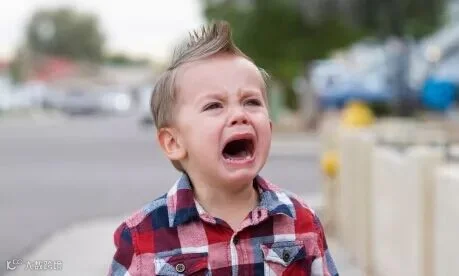
“The negative effects of spanking outweigh any momentary payoff that might be apparent when a behavior stops,” says Dave Anderson, senior director of the ADHD and Behavior Disorders Center at the Child Mind Institute.
儿童心理研究所(Child Mind Institute)注意力缺陷多动障碍和行为障碍中心(ADHD and behavior Disorders Center)高级主任戴夫•安德森(Dave Anderson)表示:“打屁股的负面影响超过了被惩戒行为终止时任何看上去可能较为明显的短暂回报。”
“You can find alternate punishments that are less psychologically injurious and can still reduce the behaviors in question, such as the removal of privileges. If you want to teach a child how to navigate situations with better interpersonal skills or with more respect, the only way to do that is to work with the child in those situations to teach, promote, and reinforce the skills you’d like them to practice.”
“你可以用其他心理伤害较小的惩罚方式来实现减少不良行为的同样目的,比如剥夺特权。”如果你想教孩子如何以更好的人际关系技巧或更尊重他人的态度处理各种情况,唯一的方法就是在情境中与孩子一起合作,教授、推动和加强你希望他们练习的技能。
So why do parents still spank their kids? According to psychoanalyst Claudia Luiz, it happens when parents are emotionally overwhelmed. “In 2018, if you’re still spanking your kids, it’s because you’ve been triggered, you are in ‘fight or flight’ mode, and you’re trying to get kids ‘in order’ and make the feeling go away,” she says.
那为什么父母还打孩子?根据心理分析师(Claudia Luiz)的说法,当父母情绪失控时就会发生这种情况。她说:“如今,如果你还在打孩子,那是因为你被激怒了,处于‘要么打要么逃’的状态,你试图让孩子‘听话’从而让这种感受消失。”
“Spanking is often borne of parents who either were spanked themselves, or of a moment when a parent is stressed to their limit and can see no other way to discipline their child," Anderson says.
安德森说:“打屁股通常是由于父母自己小时候也被打过,或者是父母承受的压力到达极限,没办法想到其它方式来管教孩子。”
4
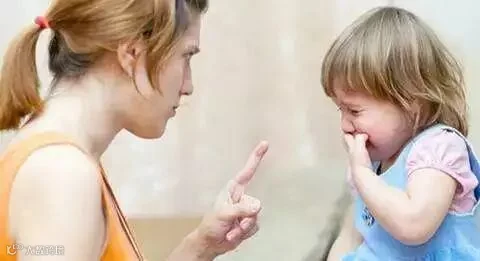
So what’s the answer for parents who feel as if their kids are running rings around them? What’s the alternative to spanking?
那么,对于那些觉得孩子在大闹天宫的家长来说,该怎么办呢?除了打屁股还有什么办法?
First, recognize that spanking is not the only way to restore order. “Condoning continued spanking is a way not to feel ashamed of the fact that you’ve reached the end of your rope,” Luiz says. “Don’t be ashamed — this is not your fault — but don’t make excuses for the spanking, either. Spanking is not a good strategy, but you’ve just never learned a better one.”
首先,要认识到打屁股不是恢复秩序的唯一方法。路易斯说:“宽恕间或做出的打屁股行为,不要因为自己到达忍耐极限而感到羞愧。”“你不用羞愧——这不是你的错——但也不要为打屁股找借口。打屁股不是一个好的策略,但你从来没有学过比它更好的策略。”
What’s a better strategy? The key is to change how you think about discipline, Anderson says. Take punishment out of the equation and start by leading by example.
有什么更好的策略?安德森说,关键是改变你对纪律的看法。把惩罚从等式中去掉,从以身作则开始。
“Discipline starts with parents being clear about their expectations and the routines they would like their child to follow, and modeling how they’d like their child to deal with frustration and changes in routine,” he says. “Children take cues from their parents on how to regulate their own emotions in challenging situations.”
“纪律的养成,首先父母要讲明他们的期望、明确孩子需要遵守的行为规范,并且作出榜样展示给孩子们如何按照这些行为规范去处理日常的挫折与变化。”他说道,“孩子们会从父母身上习得各种线索,如何在充满挑战的环境中调节自己的情绪。”
It’s also crucial that you make building a positive relationship with your child a priority. “You are better able to manage your child’s behavior if you’re spending daily or at least fairly frequent quality time with a child, following their lead and engaging in activities they enjoy,” Anderson says. “Do this, and your child is more likely to follow your directions when you need them to because you’ve shown them there are moments when they need to follow directions and moments where you’re going to let them play or have control over what they’re doing.”
同样重要的是,你要重视和孩子建立一个积极的关系。Anderson说:“如果你每天或经常与孩子有高质量的陪伴时间,跟着他们跑东跑西,融入他们喜欢的活动,你就能更好地管教孩子的行为。”“如若这样做,在你需要时,孩子更可能按照你的指示行事,因为你已经向他们表明,他们有需要按照你的指示行事的时候,也有你让他们玩耍的时候,还有你控制他们做什么的时候。”
Anderson is an advocate of reinforcing positive behaviors, either through verbal reinforcement, like praise or describing what the child is doing, or through privileges or rewards granted to the child.
安德森提倡通过口头强化,比如表扬或描述孩子在做什么,或者给予特权或奖励等方法来强化积极的行为。
“Another major facet of effective discipline is ignoring minor misbehaviors that might be dependent on parent attention or where we inadvertently give fuel to a behavior that we are hoping to stop,” he adds.
他补充道:“有效养成纪律的另一个关键是,忽略那些想要引起父母注意的轻微不良行为,有时你无意间的关注反而助长了本想制止的行为。”
And if you really can’t deal with your child’s behavior without resorting to spanking, Luiz suggests taking time to consider your own relationship to anger and how it affects your ability to communicate. Talking to a therapist can help.
如果你真的除了诉诸暴力之外,无法解决孩子的行为问题,Luiz建议你花点时间考虑自己是否易怒,以及愤怒如何影响到你的沟通能力。和治疗师谈谈也许会有帮助。
Taylor hopes the AAP’s policy statement, which reflects the evidence against spanking that has been building over the past 20 years, will serve as a turning point in attitudes toward spanking. “Parents really trust pediatricians on this topic,” she says. “So I’m hopeful that this report will lead to a drop in both approval and use of spanking in the U.S."
AAP的政策声明反映了过去20年来积累起来的反对体罚儿童的科学证据,泰勒希望它成为对待打孩子态度的转折点。她说道:“在这个话题上,父母的确信任儿科医生,所以我希望这份报告能减少美国对打屁股的支持和使用。”
The End
编译:貟扬 张文钰 杨林姗 马林
排版:貟扬
指导教师:刘佳
新闻来源:华盛顿邮报
图片来源:网络