

欧
美发达国家的教育产业已在市场经济中历练多年,国内的教育体制也逐渐向“产业化”迈进。面对教育产业化,人们众说纷纭,见仁见智。那么,当这只“无形的手”伸入教育业时,发生了什么事情呢?又带来了怎样的影响?请关注本期Quriosity。

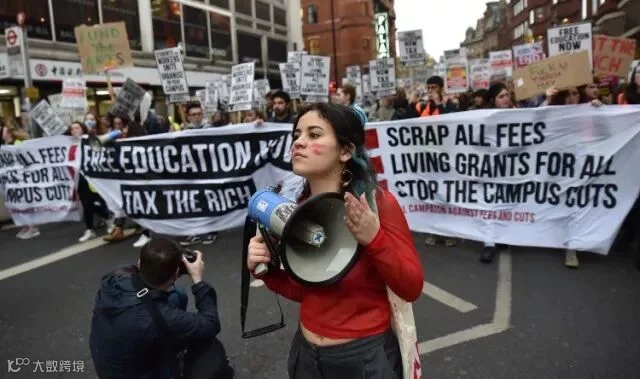
On Thursday (16 November 2017), thousands of students have marched through central London demanding free education to be funded by taxing the rich, amid criticism of the government’s education policies ahead of next week’s budget.
11月6日,上千名学生游行穿过伦敦中心街道,批评政府于下周财政预算之前推行的教育政策,要求富人缴税,为免费教育注资。
The demonstration, supported by Labour, was marred by one minor scuffle, and turnout appeared to be lower than in previous years.
此次由工党支持的示威游行因一场小混乱而遭到破坏,其规模也比前几年要小。
The organisers expected about 10,000 young people to march from Malet Street to parliament but the number who attended may have been significantly lower.
活动组织者原本期望,能有一万名左右的年轻人参与从马利特大街到国会大厦的游行。但实际上,参与人数可能远远低于预期。
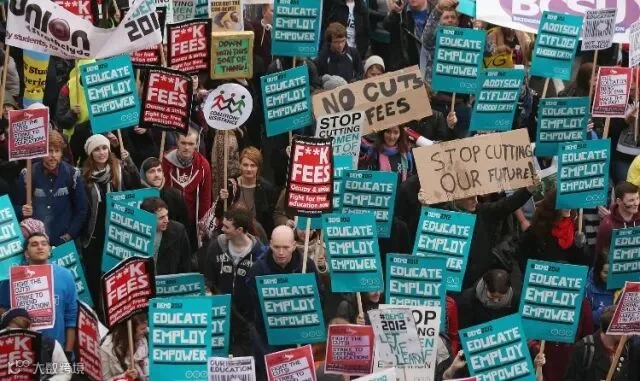
In a pre-recorded video message encouraging students to attend the demonstration, the Labour leader, Jeremy Corbyn, said: “The political establishment has betrayed young people. Since 2010, the Tories have made unprecedented cuts to further education.
在鼓励学生加入示威游行的一个视频中,工党领导人Jeremy Corbyn说:“政界当权者已经背叛了年轻一代。自2010年以来,保守党前所未有地大幅削减高等教育拨款。”
“Now the Tories think that capping university fees at £9,250 will be some sort of remedy to all this. What an insult. Everyone should have access to free education, from the cradle to the grave.”
他还说道: “保守党如今认为,用9250英镑来覆盖大学期间所有的费用就可以补救所有的这一切。这简直就是羞辱!从小到大,每一个人应当接受终生免费教育。”
There has been growing tension in the education sector following the success of a number of Labour pledges during the general election campaign and the defeat of the government in a non-binding vote over raising the fee cap.
在大选活动期间,工党的发誓担保获得了巨大的支持。在一场有关提高学费上限的非约束性投票中,工党击败了执政的保守党(工党反对学费上涨,而英国议会却已批准学费上涨计划),教育界的紧张局势持续发酵。
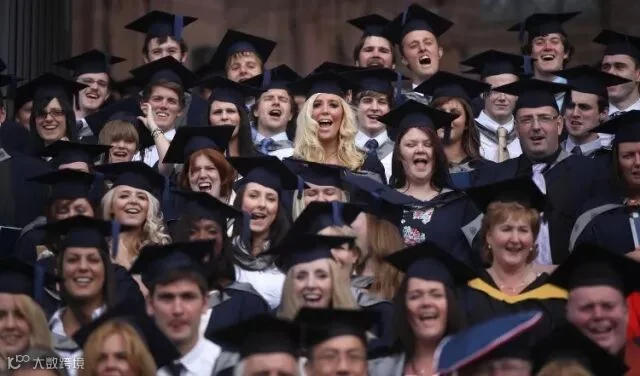
教育部:贷款制度反而能缓解学生负担
A Department for Education spokesperson said: “Our student finance system removes financial barriers for those hoping to study, and is backed by the taxpayer with outstanding debt written off after 30 years. Unlike commercial alternatives, student loans are available to everyone, regardless of background or financial history.
一位教育部发言人表态:“我们的学生财政系统不仅为那些有需要的学生扫除了经济障碍,还获得了纳税人的支持,一笔勾销三十年后依然无法还清的债务。我们不像一些商业贷款那样,不管学生的家庭背景或经济历史如何,都对其开放校园贷款。”
“We have recently announced the repayment threshold will increase from £21,000 to £25,000, which will put more money in the pockets of graduates.”
“我们最近已经宣布,将偿还起点从21000英镑升至25000英镑。这将使毕业生的口袋里留有更宽裕的钱财。”
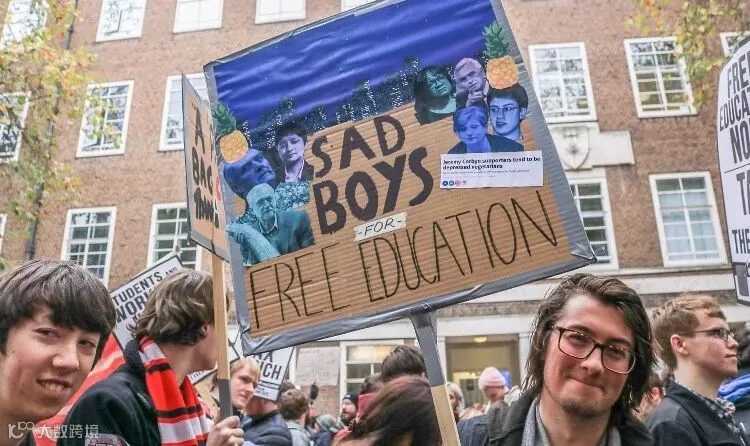
“穷学生”还债困难,压力山大:
Last year poorer university students were given loans instead of grants for the first time, with many expected to graduate with debts of more than £50,000.
去年,较为贫困的大学生首次得到助学贷款而不是助学金。这意味着,他们很多人毕业的时候就负债5万多英镑。
Amid a lively atmosphere on the march – during which a samba band performed and numerous flares were let off – protesters chanted “Education for the masses, not just for the ruling classes” and “No ifs, no buts, no education cuts.”
在这个气氛活跃的游行中,有桑巴舞表演及烟花燃放。抗议者反复高喊:“教育为大众而非统治阶层”“不要如果,不要但是,不要削减教育费用。”
The march called for universal living grants and the abolition of tuition fees. Sahaya James, one of the organisers from the National Campaign Against Fees and Cuts, said: “This vibrant protest is made up of young people from all over the country standing up for the principle of education as a public good. We’ve shattered the consensus for tuition fees – now we’re going to win the argument for living grants for all.”
示威者要求免除学杂费和实现普遍的教育资助。一位来自国家反教育费用削减运动的组织者,Sahava James表示:“来自全国各地的年轻人是此次抗议活动的主力。他们为教育是公共利益这一原则而抗争。我们已经打破了收取学费的传统共识。我们如今要为所有学生成功争取到生活补助。
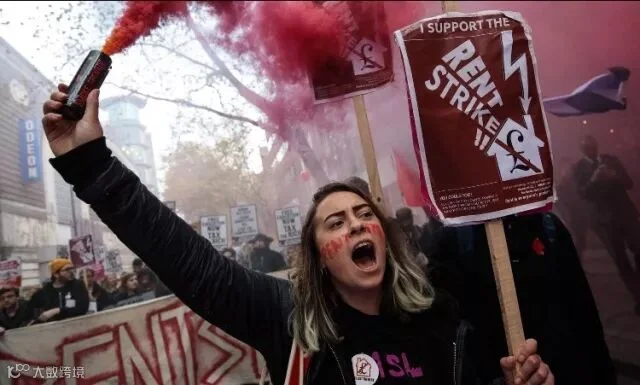
There was a much smaller turnout this year than at last year’s event, believed to be the largest mobilisation of student demonstrators since 2010, when there were a series of violent protests and the occupation of the Conservative party headquarters in Millbank.
今年的游行示威人数远远少于去年。自2010年以来,去年的抗议示威活动是最大的一次学生游行活动。游行者不仅进行了暴力抗议,还占领了保守党在米尔班克的总部。
The only violent incident this year came at the beginning of the march, when a punch was thrown at a rival demonstrator holding a placard of Margaret Thatcher and claiming to be from Tory HQ.
今年抗议活动中唯一的暴力事件发生在游行之初。来自保守党总部的一位游行者,高举玛格丽特.撒切尔的海报,受到了拳击。
那么,英国的教育体制到底是怎样的呢?
Stages
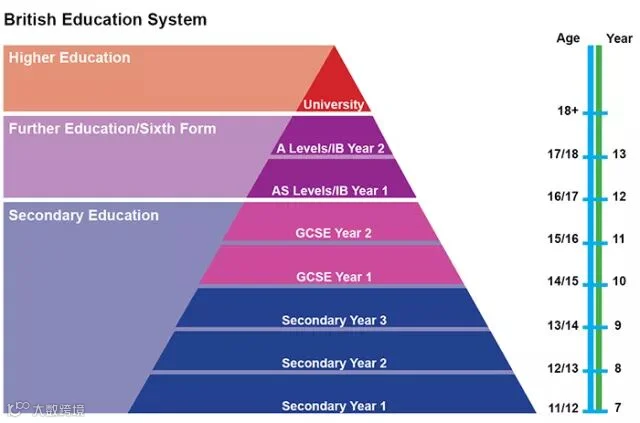
In each country there are five stages of education: early years, primary, secondary, further education (FE) and higher education (HE).
在每个国家,教育分为五个阶段:学前教育,小学教育,中学教育,继续教育以及高等教育。
The law states that full time education is compulsory for all children between the ages of 5 (4 in Northern Ireland) and 16, the compulsory school age (CSA). In England, compulsory education or training has been extended to 18 for those born on or after 1 September 1997. This full-time education does not need to be at a school and some parents choose to home educate. Before they reach compulsory school age, children can be educated at nursery if parents wish though there is only limited government funding for such places.
法律明确规定,处于义务教育年龄中的儿童,即5岁(在北爱尔兰是4岁)到16岁,必须要接受全日制教育。在英格兰,1997年9月1日当天或者之后出生的小孩,必须接受义务教育或职业培训到18岁。全日制教育并不要求所有孩子都到学校上学。一些家长会选择让孩子在家里接受教育。在孩子达到义务教育年龄之前,家长如果愿意,也可以送孩子进幼儿园学习。然而,政府对于幼儿园的教育资助非常有限。
Further Education is non-compulsory, and covers non-advanced education which can be taken at further (including tertiary) education colleges and Higher Education institutions (HEIs). The fifth stage, Higher Education, is study beyond A levels or BTECs (and their equivalent) which, for most full-time students, takes place in universities and other Higher Education institutions and colleges.
继续教育,不具有强制性。其中,非高等教育,可以在继续教育学院或者高等教育机构获得。对大部分全日制学生而言,第五个阶段——高等教育,就是在大学或其他高等教育机构和学院学习A levels(高级证书考试)或BTECs(公共服务科高等国家证书)及其余同类考试。
Costs
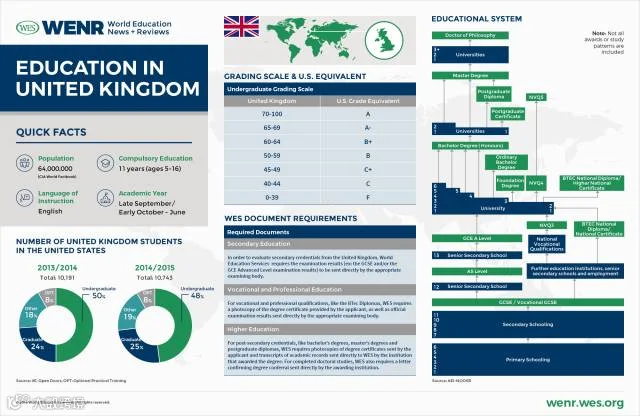
The costs for a normal education in the United Kingdom are as follows:
在英国接受正规教育的开支如下:
•Primary: No Charge 初等教育:不收费。
•Secondary: No Charge 中等教育:不收费
•Further (Secondary) Education in either a sixth form or college: No Charge if under 19 in that particular academic year or on a low income. 在英国中学里的六年级或大学接受的继续教育:若特定学年还未满十九岁或是低收入人群,则不收费
•Higher / Tertiary Education (University): A tuition fee per year (varies from £1,000 to £9,000). 高等教育(大学):每年都收学费(从1000英镑到9000英镑不等)
Primary and Secondary education can also be charged for, if a fee-paying (public) school is attended by the child in question.
如果上述学生在收费(公立)学校就读,则在初等教育和中等教育时期也需要缴学费。

In 2015/16, the UK spent £3.2 billion on under-5s education, £27.7 billion on primary education, £38.2 billion on secondary education and £5.9 billion on tertiary education. In total, the UK spent £83.4 billion on education (includes £8.4 billion on other categories).
在2015/2016年,英国政府在学前教育上支出32亿英镑,在初等教育上支出277亿英镑,在中等教育上支出382亿英镑,在高等教育上支出59亿英镑。英国政府在教育上总共支出了834亿英镑(包括在其余种类教育上花费的84亿英镑)
Funding for UK schools will change to a national formula in 2018, with some schools likely to gain from the new formula and others likely to lose. Secretary of State for Education, Justine Greening claims funding will depend less on the postcode lottery. The National Audit Office (NAO) claims funding will be cut by 8%.
在2018年,英国政府给予学校的拨款将转变为一项国家方案。有些学校可能从中受益,另一些学校可能因此亏损。教育部部长贾斯汀•格林宁称,财政拨款将不会过多取决于邮编彩票(指市民因所居住的地区不同而享受到不同的医疗、教育标准等)。国家审计署表示,教育资金将削减8%。
A cross-party parliamentary committee criticised the government's free school programme as poor value for money. The Public Accounts Committee criticised the government for spending excessively on unsuitable sites and building schools where none are needed. Meanwhile, other schools are not getting repairs done and need £7bn to be brought back to a satisfactory condition. “While the department is spending significant funds in creating 500 more free schools, even in areas with no shortage of places, existing schools struggle to live within their budgets and carry out routine maintenance,” according to the Public Accounts Committee report.
一个跨党派委员会批评了政府的免费学校项目,称这些钱花的并不值得。公共账目委员会也批评政府花了太多的钱在不合适的场地,修建没必要的学校。与此同时,其他现存学校却有待修缮,需要70亿英镑才能达到良好水准。公共账目委员会在报告中称:“当相关部门花着大笔的钱在那些甚至不缺资源的地方建立了500多所免费学校时,许多现有的学校却只能勉强维持预算,进行日常的维护。”
未完待续,更多精彩下期见!
新闻来源:
Guardian/BBC