


万圣节到来,一盏盏塑料南瓜灯为节日增添了氛围,可是,你有想过吗,这些塑料南瓜虽然为我们省掉了传统制作南瓜灯的麻烦,却严重威胁我们的生态环境健康,蚕食着我们的世界。
The true cost of our resource consumption over the past 50 years is now coming back to bite us.
过去50年间人类对自然资源的肆意耗费如今开始反咬一口,让我们付出真正的代价。
Plastic & natural pumpkin
塑料南瓜和天然南瓜
01

Jack-o’-lantern season is here, and if you have $23.49 to spare you could always get yourself a styrofoam pumpkin from Walmart to truly bring the horror of Halloween to life. You’ll need to be fast though; the orange version has already sold out online.
迷人的万圣节降至,设想你手头里正有23.49美元,你大可以到沃尔玛为自己买一只泡沫塑料南瓜来为生活增添些万圣节的氛围。而且,你的手速还要够快,因为橘色的塑料南瓜都已在网上售罄。

Fake pumpkins seem to be everywhere. Dollar Tree has a styrofoam range that you can “cut, carve, paint, and add props to.” And Target is offering an $8 carve-your-own plastic pumpkin with “highlights” including its compatibility with most pumpkin carving kits.
万圣节之际,这些仿真塑料南瓜几乎无处不在。美国Dollar Tree一元店推出了一系列塑料南瓜产品,可供自己切、画和加上装饰性道具。塔吉特公司也推出了一款售价8美元的“自己动手雕刻”塑料南瓜,产品的卖点在于它适用于大多数雕刻工具的操作。
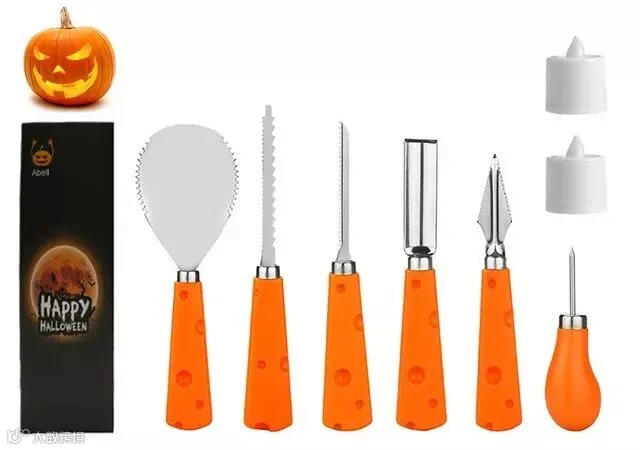
Truth is, there’s something else that fits these descriptions: a natural pumpkin.
真相是,还有一样东西适合以上描述:天然南瓜。
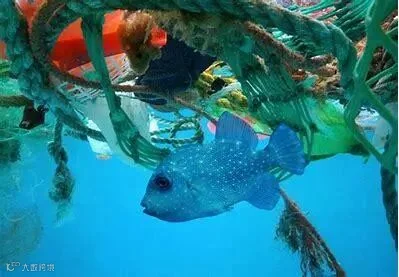
A natural pumpkin also has the advantage of being biodegradable. In contrast, the plastic many of these fake pumpkins are made from ― a form of foamed polystyrene ― can take up to a million years to decompose. It has a very low recycling rate with most ending up dumped, where it fragments into smaller pieces that pollute our oceans and are ingested by wildlife.
天然南瓜还有一个好处:可以自然降解。相较之下,这种仿真塑料南瓜大多数都是由泡沫聚苯乙烯,而自然降解这些南瓜便要耗费上近百万年。同时,它的回收率很低,大多数使用之后便被丢弃,在自然力作用下,这些塑料变成更小的碎片,污染我们的海洋,并被动物吞食。
Target’s website says its fake pumpkin (which is made from polyurethane, another material that’s hard to break down) “eliminates the mess that comes with traditional pumpkin carving.”
然而,美国塔吉特公司网站发文称他们生产的仿真南瓜(这些产品多由另一种难以自然降解的材料——聚氨酯制成)“解决了传统方式雕刻南瓜灯的麻烦事”。
Where is the true meaning of Halloween?
万圣节的真正意义是什么?
02
However,the messiness is a part of Halloween, said Michael O’ Heaney, executive director of environmental campaign group The Story of Stuff.
不过,环保运动组织The Story of Stuff执行主管欧·希尼谈到:传统方式雕刻南瓜灯的麻烦事其实就是万圣节的一部分。
“There’s something special about going with your kid to a pumpkin patch, selecting your particular one from the hundreds if not thousands of pumpkins there, then taking it home and carving it up,” he told HuffPost. “The idea of taking a giant plastic pumpkin look-alike and carving it because it’s ‘a whole lot easier’ ― that takes away the charm and pleasure of it all. These fake pumpkins are ridiculous.”
在赫芬顿邮报(HuffPost)的采访中,他讲到:“和孩子一起去一块南瓜地,从没有数千计但也有数百计的南瓜里挑出属于你们的最特别的那一个,然后把它带回家雕刻,这是一件非常特别的事。如果仅仅因为‘操作更方便’就拿一个仿真塑料南瓜来雕刻,这便剥夺了万圣节真正的魅力和乐趣。这些假南瓜真是荒谬。

Extreme civilization
极端文明化
03
Environmental journalist George Monbiot has coined a term for these kinds of new, pointless items that simply serve to use up precious resources: “extreme civilization.”
环境记者乔治·蒙博为这种毫无意义、纯粹占用宝贵资源的新事物创了一个词:“极端文明化”。
This all highlights the gap between the public desire to address environmental destruction and the detrimental actions companies are taking, said O’Heaney, along with governments’ slow response to the severity of the problem.
欧·希尼说,这些都突显出了一个问题:公众迫切解决环境破坏问题的愿景与企业污染环境的行为之间的矛盾差异,以及政府对该问题严重性的滞后回应。
It’s not just niche gadgets and seasonal novelty items that are unnecessary, said Nick Mallos, director of the Trash Free Seas program at environmental advocacy group Ocean Conservancy.
海洋环境保护组织的“无垃圾海洋计划”负责主任尼克·马洛斯说,这种“极端文明化”的产品远远不止这些不必要的应季的新奇物品或者充满商机的小玩意儿。
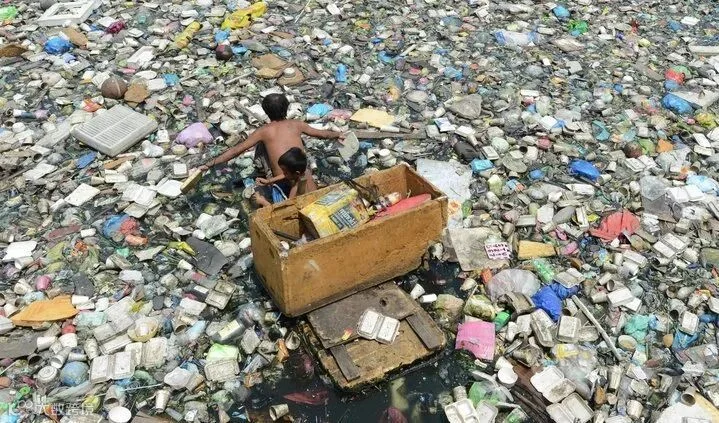
There are lots of everyday items out there that we simply have no justification for, including microbeads in cosmetics and polystyrene food containers. You might think a carve-your-own plastic pumpkin is outrageous but, when you think about it, your single-use shopping bag is hardly better.
其实,我们有太多不该使用的危害环境的日用品,比如说化妆品里的微胶珠或者聚丙乙烯饭盒。你可能会觉得自己动手雕刻的塑料南瓜很过分,但你仔细想想,你的一次性超市购物袋也没好到哪里去。
We’re being sold the idea of convenience, said environmental author and journalist Alan Weisman, even when the reality of what we’re buying ― like the coconut wrapped in plastic ― is no more convenient than whatever we had before.
研究环境方面的作家、记者艾伦·韦斯曼称,我们一直被灌输“便利行事”的理念。即便在很多情况下,我们买的东西——比如塑料包装的椰子肉——其实并不比之前方便。
Responsibility company should take
公司应该承担责任
04
“Plastic pumpkins, like so much other plastic waste, will likely end up in a landfill, burned in an incinerator or in the oceans,” O’Heaney said. “There’s this idea that the plastic in our environment just ended up there somehow but, actually, plastic pollution is a huge, systemic problem caused in large part by big companies not taking responsibility. We need companies to get serious about plastic pollution; putting Styrofoam pumpkins on the shelves is the exact opposite of getting serious.”
欧·希尼说:“像许多其他的塑料垃圾一样,塑料南瓜要么会进入垃圾填埋场,要么在焚烧炉焚烧,要么丢入大海。有人认为,我们环境中的塑料是以某种方式降解消失,但是事实上,塑料污染是一个巨大的系统性的问题,很大程度上是由不承担责任的大公司造成的。我们需要这些企业认真对待塑料污染的问题;而上架销售这些塑料南瓜则完全背道而驰。”
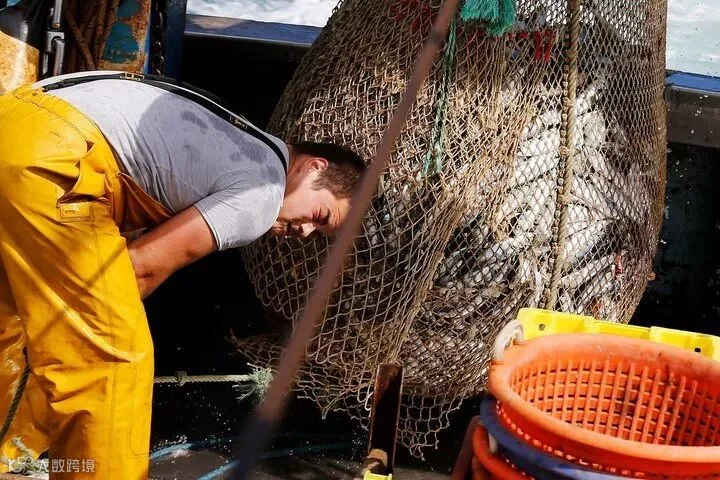
These plastic pumpkins aren’t the only example of companies not getting serious.
这些塑料南瓜并不是企业轻率对待环保问题的唯一例子。
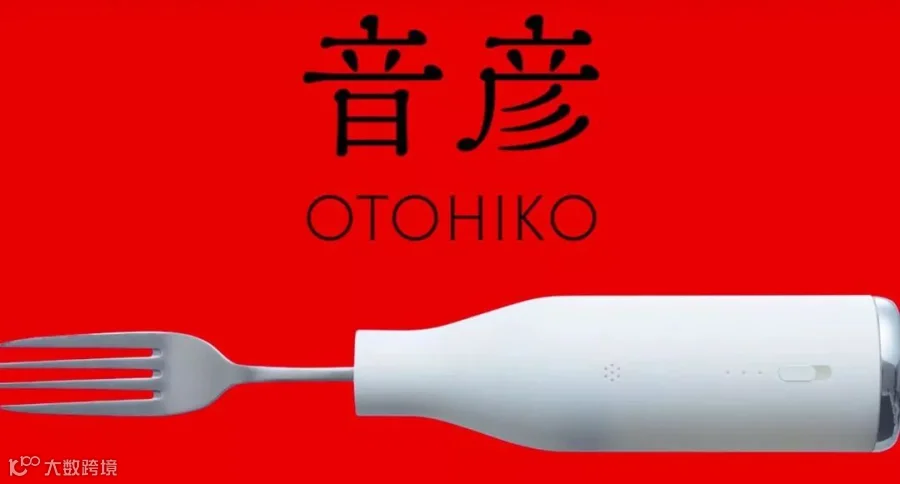
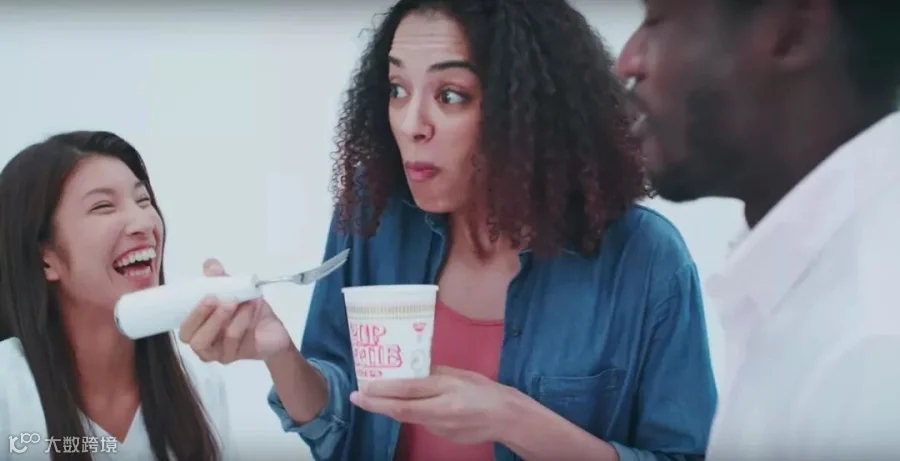
There are coconuts whose shells have been removed, only to be wrapped in plastic; and there’s a limited-edition fork designed to trigger a smartphone to play a recording when it detects the sound of noodle slurping so as to mask users’ food noises.
同样上市销售的“极端文明化”的产品,有剥了壳、用塑料包装的椰子;还有一种限量版的叉子,当它监测到用户啜食面条的声音时,会触发智能手机播放录音,以此掩盖吃饭时的噪音。
“When you throw away that unnecessary plastic wrapper or dump a fake pumpkin that’s lost its charm, we don’t see the reality of it all ― the mining or drilling that’s gone into the energy it takes to make it, the transportation of it to our local store, the disposal of it to some tip that you probably don’t even know exists, or off onto a barge that then gets shipped abroad,” O’ Heaney said.
欧·希尼说:“当你随手丢弃那些不必要的塑料包装或是失去其魅力的仿真南瓜时,你其实并不知道它们背后发生的一系列故事,比如制作这些产品的繁琐工序,产品被运送到各地商店的运输成本,以及使用过后的垃圾处理问题,又或者是产品的海外出口。”
Bad influence on Ecological environment
对生态环境的负面影响
05
However, the much bigger concern is the harm the pumpkins pose to the environment.
然而,更需要担心的是塑料南瓜对环境的破坏。
Weisman noted the true cost of our resource consumption over the past 50 years is now coming back to bite us.
韦斯曼提出,过去50年间人类对自然资源的肆意耗费如今开始反咬一口,让我们付出真正的代价。
“When the alarm went off in the 1970s that we were running out of resources, the purveyors of products made from those resources didn’t respond by turning to conservation. Quite the opposite,” he said. “They wanted to grab all they could while it lasted, going farther and digging deeper and mining more and harvesting and shipping faster than ever before. Their aim? To create an illusion of abundance that has yet to wane.”
他说:“20世纪70年代,资源即将耗尽的警报响起时,那些利用这些资源生产商品的供应商并没有采取保护措施。恰恰相反,他们想趁着这些资源还没有耗尽时,抓住一切他们可以抓住的。和过去相比,他们走的更远、挖的更深、采的更多、获取的更多、运输的更快。他们的目标是什么呢?是创造一种尚未衰退的富足幻像。”
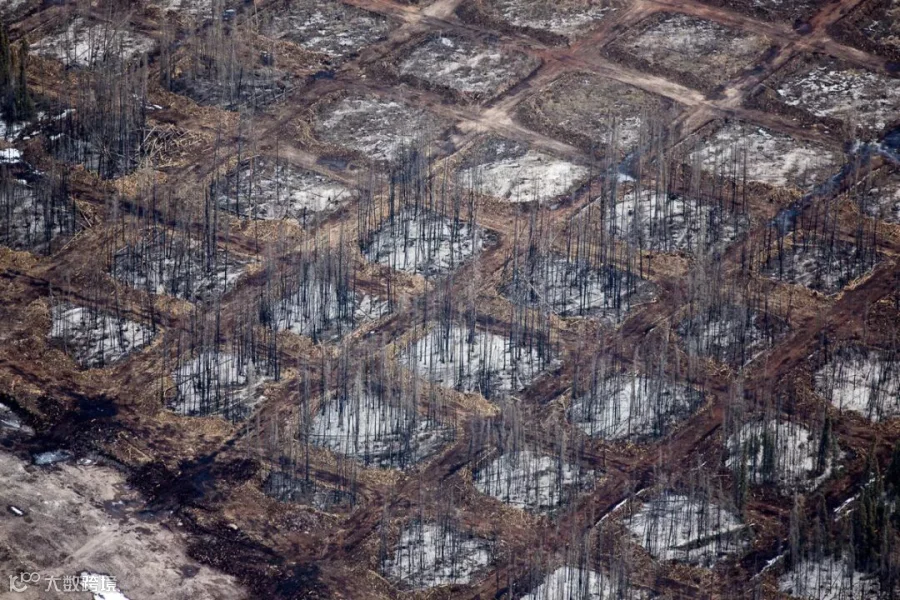
As the stuff we consume is depleted at ever faster rates, said Weisman, we’re going to ever greater extremes to get it, “hence squeezing oil out of the tar sands of Alberta.”
韦斯曼说,随着我们使用的资源以越来越快的速度消耗殆尽,我们将采取越来越极端的手段去获取资源,“因此我们从阿尔伯塔的焦油砂中榨取石油”。
Until we stop measuring economic health by whether our economy is growing, he concluded, we aren’t going to be able to fix this.
他总结道,只有我们不再以经济增长与否去衡量经济的良性运行程度,我们才能解决这个问题。
“We can’t keep growing indefinitely on a planet that does not grow, something’s gotta give,” he said. “And now, these days, everything is giving ― the atmosphere itself is giving.”
他说:“在一个不再生长的星球,我们不能无期限地繁衍下去,我们必须有所付出。而现在,近来,一切都在付出——环境本身在付出。”
编译人员 | 李昕瑞 苏娟 郑可意 常慧
排版 | 李昕瑞
指导老师 | 刘佳
新闻来源 | Huff post
图片来源 | Huff post; Being