
About OCD...
不知道你是否有这样的经历:看到窗户没关紧,即使已经躺在床上,也要起身去关好;走在马路上,看到井盖上的白线与地面上的分离,会感到浑身难受……你也许会解释 说:我是有一点强迫症啦,并一笑置之。其实,强迫症(obsessive-compulsive disorder,简称OCD)是一种神经精神疾病,在普通人群中,强迫症的终身患病率为1%~2%,严重影响着正常的生活。
在下文中,主人公Catherine的强迫症或许比你想象的还要严重,但她想出了一些点子,与强迫症斗争……
本文共约5000字,阅读约需15分钟
Catherine Benfield wasn't diagnosed with OCD until she was was 31, after she had her first child, though it would appear she's had it all her life. She recovered with the help of therapy - and by creating a character who personifies her obsessive-compulsive behaviour.
在Catherine Benfield的第一个孩子降生之后,她才被确诊患有强迫症。那时她已经31岁了,在确诊前,强迫症就一直伴随着她的前半生。经过治疗,她正逐渐恢复健康,具体方法是:为她的强迫症行为创造了一个虚拟人格。
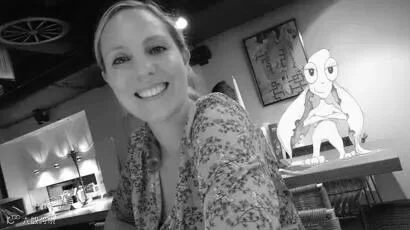
Catherine和她创造的Olivia
"She's got the big ears, because she's like a startled hare, she's listening out.
“她的耳朵很大,因为她总是像一只受惊的野兔一样竖耳聆听;
"She's bedraggled, because she's been through a lot and she's normally having some kind of panic.
“她时常狼狈不堪,因为她遭受了许多痛楚,并常伴有一种恐慌感;
"The big eyes are about making sure she's keeping an eye out for danger.
“她还有一双大眼睛,来确保她时刻警惕危险突袭;
"The big legs - for running," like a frightened hare, says Catherine Benfield.
“还有那两条大长腿,好让她跑得快。”在Catherine Benfield的眼里,Olivia就像一条受惊的野兔。
And she can change too - very quickly. She can be quiet one moment, but then her mood will swing and she'll suddenly be feeling at the end of her tether, forlorn, broken and, at her worst, absolutely beaten.
她还可以快速切换状态。在安静一小会儿后,情绪波动起来,她又会突然感到走投无路、孤独绝望、身心俱疲,最糟糕的时候,甚至感到自己彻底被击溃了。
You have now met Olivia.
She is a visualisation - a character created by Catherine to personify the condition she has lived with since she was a child.
现在你见过Olivia了。
她是一个由Catherine创造的可视化的角色,来拟人化、人格化她从小以来的生活经历。
The O in Olivia stands for OCD, an abbreviation for obsessive-compulsive disorder.
Olivia中的字母“O”代表“OCD”,也就是强迫症(obsessive-compulsive disorder)的英文缩写。
People are often mistaken about OCD, Catherine says. So many people think it's about being very fastidious and organising your pens very precisely on your desk but it's actually a serious anxiety-related mental health condition, involving intrusive obsessive thoughts, images and fears.
Catherine说,人们常常误解强迫症。许多人认为这只是如把笔整齐地摆放在桌上这种苛求完美的行为,但实际上,这是一种与心理健康状况密切联系的严重的焦虑病症,它包括强迫性的想法、画面以及恐惧感。
In an effort to prevent one of her fears coming true, Catherine would feel compelled to carry out a repetitive physical or mental act - in technical terms the fear is the "obsession" and the repetitive act is the "compulsion". This would provide temporary relief from the anxiety, but then it might return, compelling her to repeat the behaviour again and again.
为了不让自己的恐惧成真,Catherine时常会感到自己被逼无奈地进行重复的身体或心理活动,用行话来讲,这种“恐惧”叫作“强迫思想”,重复性动作则是一种“强迫行为”。这些行为或许可以暂时缓解焦虑,但焦虑也可能死灰复燃,迫使她一遍又一遍地重复同样的动作。
Catherine says OCD often preys on kind and caring people.
"They're compassionate, they're sensitive to the needs of others," she says. "They love the people around them to an intensity where they will do anything to stop harm coming to them."
Catherine说,善良的、有爱心的人往往容易成为强迫症的猎物。
“这些人极具同情心,对他人的需求也比较敏感。他们关爱身边的人,会竭尽全力地阻止身边的人受到伤害。”
Between the ages of four and five, Catherine would stand staring out of the window for long periods, waiting for family members to return home and fearing that they had come to harm.
四五岁时,Catherine会在窗前站定很长一段时间,翘首以盼家人的归来,担心他们受到伤害。

强迫症所带来的轻微不适感
"I thought somehow the silent vigil would help bring them home safely," she says.
As a teenager she was terrified to be the last one to leave the house, because of the fear that it would burn down once she had gone - she would compulsively check the cooker was switched off and switches unplugged. And to ensure everyone was safe she would compulsively lock all doors and windows, and remove all trip hazards.
她说道:“不知怎的,我会觉得这种无声的守夜可以为他们保驾护航。”
十几岁时,她很怕自己最后一个出门。她担心自己一离开,房子就会烧掉。因此,出门前,她总会强迫自己检查炊具和插座是否已经关好。为了确保每个人的安全,她又会强迫自己锁上所有的门窗,移开所有可能绊倒人的东西。
These routines could take hours to perform, and if one thing disturbed the process she would start all over again.
这些例行程序常常要花上几个小时才能完成,一旦中间的某个环节被打断,她又得从头开始。
As time went on she became so busy with her studies and her job as a teacher that OCD had less of an impact on her life. It wasn't until she had her baby son at the age of 31 that she became really unwell.
随着时间的推移,她逐渐埋头于学业和教学工作,强迫症对生活所带来的困扰也由此减轻了一些。但在31岁她生下儿子以后,强迫症伴随着不安感又卷土重来了。
"I had a horrible labour. I came away, I was very weak and I just couldn't do very much physically, it gave me a lot of time to think," she says.
她说:“我经历了一场可怕的分娩。我精神恍惚,孱弱无比,行动不便,于是有很多的时间胡思乱想。”
"Almost immediately I started staying up all night to check he was breathing. Every parent has been known to check their child's breathing, particularly when it's newborn, but it grew to the point where I didn't feel like I could leave him at all. I wasn't sleeping, I wasn't eating."
“在这之后我开始彻夜不眠,检查我的孩子是否还在呼吸。每个父母都这么做过,尤其当孩子刚出生的时候,但是我已经到了无法离开他的地步。我不吃也不睡。”
At first she was terrified that something or someone would hurt him. Then she began to worry that she might harm him herself.
起初她担心有人或什么东西会伤害他,之后她又开始担心自己可能伤害到他。
"I remember sitting on the sofa looking at my mother-in-law holding my kid in front of a wall and thinking how easy it would be to get up and throw him against it," she says.
“我记得自己坐在沙发上,看着婆婆在一面墙前抱着我的孩子,我就在想,我要是站起来、把孩子摔倒墙上,这是多么容易啊。”
"I could see it all, it was absolutely horrible and really detailed, very vivid, accompanied with images in my head of my future and what I'd have done to my family and my friends as a result."
“这画面仿佛就在我的眼前,恐怖至极,详细生动。我脑海中还浮现出未来我会伤害家人和朋友的种种情景。”
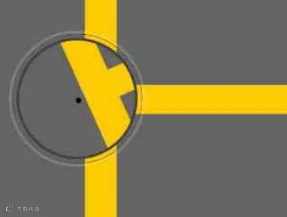
错位的黄线往往引起强迫症患者的不适
She didn't know it, but what she was experiencing was perinatal OCD. Women with this condition would never actually carry out the actions they visualise, but Catherine's intrusive thoughts left her feeling anxious, depressed and isolated.
她不知道的是,自己当时所经历的是围产期强迫症。事实上,有相同状况的女性永远不会实施她们想象中的行动。但是侵入Catherine脑海的想法让她焦虑、沮丧,感到孤立无援。
"I didn't know it was OCD," she says. "I thought I wanted to do it. I thought, 'What kind of mother has thoughts like that about their child?'"
“我不知道这是强迫症,”她说,“我以为是我自己想做这些事。我想——‘什么样的妈妈会对孩子有这种想法啊?’”
Consultant psychiatrist Dr Lynne Drummond says life events, both good and bad, are often a trigger for OCD.
精神病咨询专家Lynne Drummond说,生活中的事件,无论好坏,往往都可能成为强迫症的触发因素。
"Childbirth is quite a major life event," she says. "Let alone the whole issue of suddenly having somebody who is completely and utterly dependent on you. Plus your [changing] hormones, plus you're knackered and you're probably at times down in the dumps and your body has had a huge change. You're physically at a lower ebb. Emotionally you have to come to grips with your change in role."
她说:“分娩是一件人生大事,这意味着突然有一个完全依赖你的人了。另外,你的身体已经发生了巨大的变化:荷尔蒙有所改变,你已经筋疲力尽,并且可能会时不时陷入颓丧。身体处于生理低潮期。你必须在情绪上处理自己的角色转变。”
Catherine began to avoid anything that could hurt her son. She threw away all the knives in the house as she imagined herself hurting him with them. She was terrified to go on a station platform with the pram after having intrusive thoughts about pushing her son under a train.
Catherine开始避开一切可能伤害儿子的东西。当她想着用刀划伤儿子的时候,她扔掉了屋子里所有的刀。当她想着把儿子推到火车底下时,她又开始害怕推着婴儿车走到站台。
She eventually became so anxious that she couldn't leave the house with her son.
"I was never suicidal, but I do remember at one point thinking, if the very worst comes to the very worst and I can't get through this, that is an option for me," she says.
她最终焦虑到无法和儿子一起离开家。
“我从没想过自杀,但我确实记得某一刻我想着——如果最坏的想象真的发生了,我又没法承受这些,我还可以选择自杀。”
"If you believe that you're a danger to your child, you'll do whatever you can to remove that danger and that was, I suppose, the ultimate thing that I could do."
“如果你相信自己威胁到了孩子的安全,你会尽自己所能消除这种危险。我想,这也是我能做的最后一件事。”
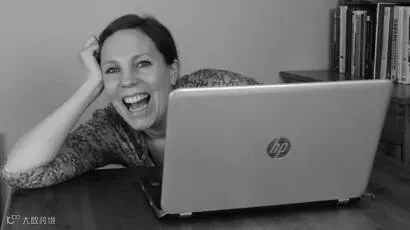
生活中的Catherine
She says no-one - including medical professionals - recognised her symptoms.
她说包括医疗专家在内,没人知道她得了什么病。
"I literally got to the point where my husband said, 'You need to come to the doctor's right now,' and so we went," says Catherine. "I walked in and I was literally like, 'I'm worried I'm going to harm my son,' and just burst into tears."
她说:“我的情况有一天严重到,我丈夫说’你需要立刻去看医生‘,然后我们就去了。我走进诊疗室,对医生说,‘我担心我会伤害我的儿子’,然后大哭起来。”
The GP told her it was anxiety and gave her medication. But when she tried to come off it her condition deteriorated again. One day, in desperation, she typed into Google "OCD and fear of harming son" and dozens of stories popped up.
医生说这是焦虑症,给她开了药。但当她试图停止服药时,她的病情又恶化了。某天,在绝望中,她在谷歌搜索“强迫症和害怕伤害儿子”。不料几十个故事跃入眼帘。
"I hadn't thought that was going to happen," she says. "I thought I was a monster, and immediately everything that I had been thinking and feeling and going through was written down in front of me by all these other people."
“我没想到会发生这种事,我原本以为自己是一个怪物,我一直在想的,感觉的,经历的一切都被其他人写在了我之前。” 而转瞬之间,我曾经想到的、感到的、经历过的一切都由其他人写了出来,呈现在我眼前。”
Catherine had finally got a diagnosis - from the internet - after battling with OCD all her life. She then sought medical help, and about 18 months after she had her son Catherine started therapy.
在与强迫症抗争了近三十年之后,卡瑟琳最终在网上被诊断出患有强迫症。 在她生下儿子约18个月后,她开始寻求医生帮助。
This included cognitive behavioural therapy (CBT), a talking therapy which focuses on how your thoughts and attitudes affect your behaviour and feelings, and exposure and response prevention therapy (ERP), a form of CBT treatment where you are asked to confront your obsessions or fears and resist carrying out the compulsive behaviour.
治疗包括认知行为治疗——一种通过关注你的想法和态度如何影响你的行为和感受的谈话疗法,以及接触和反应预防治疗——认知行为治疗的一种形式,在这其中,患者需要直面困扰或者恐惧,并且拒绝实施强迫行为。
Dr Lynne Drummond on "graded exposure" ERP therapy
林恩·德拉蒙德博士的“分级暴露”ERP疗法
What I'd do is get the patient to create a hierarchy of situations. I use a zero-to-eight scale with zero being no anxiety and eight complete panic. I'd get them to rate how anxious they would feel doing each thing without "putting things right" - in other words, performing the compulsion. I'd start with something that had an anxiety rating of three or four - mild-to-moderate anxiety - and encourage them to expose themselves to their fears for one to two hours without "putting things right". They would find that the anxiety would remain high and it would be absolutely horrible, but actually over that time it would go down - and each time they do it will be just that little bit easier.
我要做的就是让病人创造一个情境等级:0到8的刻度,0表示没有焦虑,8表示完全恐慌。我会让他们评估自己在做每件事时的焦虑程度,而不是“把事情做对”——换句话说,就是强迫自己去做。我会从三到四分(轻度到中度)的焦虑等级开始,并鼓励他们把自己暴露在恐惧中一到两个小时,而不是“把事情做对”。他们会发现焦虑保持在高位,感觉相当可怕。但实际上过了这段时间焦虑值就会下降,并且每这样尝试一次,他们的焦虑程度便会减轻一些。
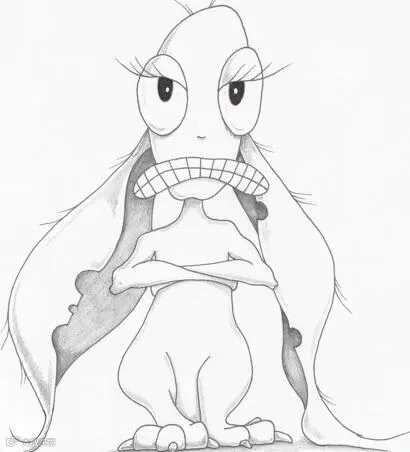
Olivia的形象
This helped enormously, but Catherine found there was a big stumbling block on her road to recovery.
这对她有极大的帮助,但凯瑟琳发现,在她恢复的道路上有一块很大的绊脚石。
"Unless I could get a handle on the fact that actually I wasn't this monster, I wasn't going to be able to carry on getting better," she says. "And that's where Olivia came in."
她说:“除非我能弄明白自己其实并不是怪物,否则我就无法继续康复之路。Olivia应运而生。”
Olivia was a way for Catherine to separate herself from her condition. Olivia personified her obsessions and her compulsive behaviour - but she could feel compassion for Olivia, and this enabled her to feel compassion for herself.
Olivia是凯瑟琳将自己从病症中剥离的一种方式。Olivia将她的强迫性的观念和强迫性的行为人格化了——而她能对Olivia产生同情,进而对自己产生同情。
"If I had a really horrible thought about harming someone, I would imagine that it was Olivia hopping up and down and she was the one who was frightened, she was the one who was scared - and I'd feel for her.
“如果我一旦出现伤害某个人的想法,我会把它想象成Olivia在跳上跳下,我不断告诉自己,‘她是那个被吓到的人,她是那个被吓到的人……’——由此我便会怜悯她。”
"I'd be like, 'Come on don't be daft, this is just anxiety,' and by doing that I could then talk to myself in that way."
我会说,“别傻了,这只是焦虑”,这样我就可以用这种方式和自己说话了。
It was while she was washing up one day that the idea of Olivia came to her. She instantly visualised what Olivia looked like and decided to write a blog. Then she told her artist husband, Pete, who drew the otherworldly creature his wife described.
有一天,当她洗餐具的时候,她产生了创造Olivia的想法。她立刻想象出了Olivia的样子,决定写一篇博客。然后她告诉她的艺术家丈夫皮特,之后,皮特画出了他妻子所描述的那个现实之外的生物。
The impact was immediate. Catherine even went out and bought a set of knives for the house again.
此举产生了立竿见影的效果。凯瑟琳甚至出去买了一套刀具放在家里。
"When I was getting the intrusive thought about the knives I could imagine Olivia bouncing up and down in a rage beside me and all I wanted to do was go, 'Look don't be silly, this is nothing, it's nothing.'"
“当我想到那些刀的时候,我可以想象Olivia在我身边暴跳如雷,那时我只想告诉自己,‘别傻了,这没什么,没什么。’”

Catherine对抗强迫症的方法
Olivia Bamber from the charity OCD Action says therapy is the recommended treatment for OCD and that medication can also be helpful. But so can "separating OCD from yourself" - as Catherine has.
慈善组织“强迫症行动”的一员Olivia Bamber表示,建议采用“分级暴露”治疗,药物治疗也十分有效,还可以像Catherine一样把强迫症人格分离出来。
Catherine says she knows some people with OCD have called their condition "the bully", but she didn't want Olivia to be like this.
Catherine知道有些强迫症患者把他们的强迫症人格称作“恶霸”,但她不愿如此称呼Olivia。
"I couldn't bear the thought of trying to imagine myself living with this evil face hovering over my shoulder. So I decided to have a character that I could show love and compassion," she says.
“我一想象到这样一个魔鬼般的面孔在我的肩上盘旋,就觉得无法忍受。因此我决定把她想成一个我可以施以爱和关怀的形象。”
At the same time, Catherine worked hard on tasks set by her therapist.
She had become too terrified to go into a department store because of intrusive thoughts about throwing her son from the escalator. As part of her ERP therapy she was asked to start facing her worst fears and to travel up and down the escalators carrying her then two-year-old son in her arms.
与此同时,Catherine努力地完成治疗师布置的任务。
由于她无法控制自己产生把儿子从扶梯上扔下去的想法,她感到恐慌,也因此无法去百货商场。而分级治疗中的一项要求就是:直面最深的恐惧,怀抱着她两岁的儿子反反复复地坐扶梯。
"It was something that absolutely terrified me at first, but I went up and down those escalators so many times and on so many different occasions that I don't even think about it any more," she says.
她说:“最开始的时候,这彻底吓到我了。但我在好多个地方上上下下坐了好多次扶梯之后,我再也不会有那种想法了。”
She also had to stand on a station platform and deliberately bring on the thought of pushing her son under the train until it got to the point where she faced no anxiety at all.
她还需要呆在站台上,并反复刻意地萌生把儿子推下去的想法,直到她对此不再有焦虑感。
"I don't see recovery as never having a symptom," she says. "I see recovery as being able to manage them or them not interfering massively in my day-to-day life."
她说:“我认为康复不是说症状永远消失了,而是能够控制症状,或者,它们不过分地影响日常生活就好了。”
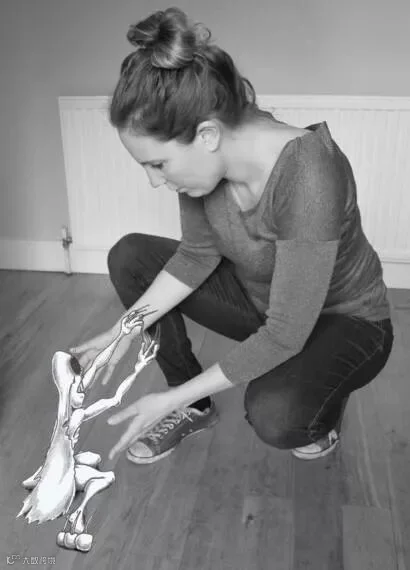
Catherine和Olivia
Occasionally, Catherine says, OCD does try and nudge its way back into her life.
偶尔,强迫症还会找上Catherine,试图回到她的生活中。
"As I was walking out of [my son's] bedroom last night, having said goodnight, there was a book on the floor and I thought if he gets up in the night and runs in to me he could trip on that and fall and hit his head, and so I moved it, that is what mums do, it makes sense," says Catherine.
“昨天晚上我说过晚安后从儿子的房间里出去,发现地上有一本书,我突然想到如果他晚上起来找我,可能会在跑动中被它绊倒,很可能就会摔到头,所以我把书拿开了。母亲都会这样做,这是有道理的。”
"I got back into bed and I was like, 'Ah did I move it far enough out the way?' I knew I did, but I had to go back and I had to move it and then I was like, 'Stop it, stop it!' And that's where I employed all the stuff I learnt through using Olivia."
“我回到床上的时候在想‘我把它移得足够远了吗?’我知道够了,但我不得不回去再次移动它,然后我就在想‘停下!停下!’,那时我把从Olivia那里学到的所有东西都用上了。”
She didn't go back to check a second time, proving how far she has come. But will Olivia ever disappear from her life?
所以她没有回去检查第二次,以证明她已经摆脱了强迫症的影响。但Olivia会从此消失在她的生活中吗?
"I still use that visualisation sometimes and I still use the things that I learnt from that every single day, even in areas of my life that are nothing to do with OCD," she says. "If I start having a negative thought about something - 'Did I do that right or wrong?' - I remember that self-compassion, and it started with her, so I don't think I will ever say goodbye to her."
“有时候我还是需要用到这种可视化强迫症人格的方法,以及我从那段时间学到的东西,甚至在一些与强迫症没有关系的方面也会用到。”她说,“一旦我开始对什么事情有负面想法,比如‘我是做对了还是做错了?’,我会想起那些给自己的关怀,那些关怀本是给Olivia的,所以我想我不会和她说再见。”
Through her blog, Taming Olivia, Catherine now tries to help new mothers recognise the symptoms of OCD, and encourages them to show compassion towards themselves.
她把博客命名为“驯服Olivia”,并通过博客帮助一些新手妈妈辨别强迫症症状,鼓励她们多多关怀自己。
"It's our job to recognise our Olivias," she says, "but not to give into them."
“我们应该找到我们各自的Olivia,”她说,“而不是向强迫症屈服。”
来源 | BBC Stories
编译 | 杨二一 张殷雯 徐炜 陈宁
排版 | 杨二一
↓扫码关注我们鸭!