

全文中英字数:2700字
建议阅读时间:10分钟
What If Global Warming Were Global Cooling?
如果全球变冷呢?
We have a preference for warmth. Has it dulled our response to the threats of climate change?
人类天性喜爱温暖,
这是否使我们对气候变化的反应变迟钝了?
This story was originally published by Undark
原文出自Undark
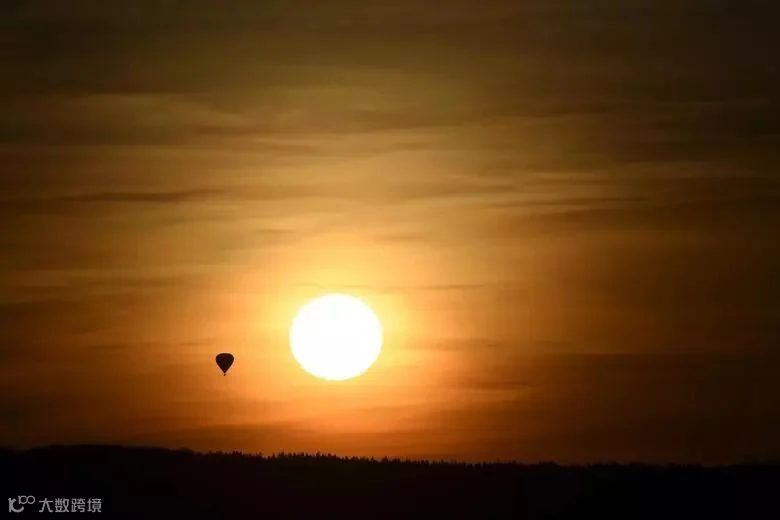
A hot air balloon flies as the sun sets.
Christof Stache/AFP/Getty Images
落日时升起的热气球
When it comes to climate change, we may be flying too close to the sun.
说起气候变化,我们可能和太阳太靠近了。
With every incongruous 50 degree Fahrenheit day in Boston this winter, I noticed the same transformations in the people around me: Revelers shed their layers of clothing, smiled more, and made polite small talk about what a great, beautiful, or perfect day it was. I’m always on the outside looking in on these interactions.
Whereas my fellow Bostonians take delight in the warm, snowless days, I find them inescapably grim this time of year.
In light of what we know about climate change, I feel as though I’m clutching onto a season that is systematically disappearing from my part of the world—and that few others care.
波士顿今年的冬天里,每一个气温达50华氏度(10℃),根本不像是冬天的日子,我注意到身边的人有同样的转变:喝了酒狂欢的人们脱掉一层又一层的衣服,更经常微笑,礼貌地闲聊起天气时,用极好、美丽或是完美作为描述词。
我总是不参与其中,只是观望。
我的波士顿同胞在这些温暖的、无雪的日子里很开心,这让我意识到他们无不例外地讨厌冬天。我们知道气候正在变暖,这使我感到,对这个正从我的小世界里整个地消失的季节,只有我还恋恋不舍,很少有其他人在意。
In a report called “Most Like It Hot,” the Pew Research Center found that 57 percent of Americans prefer to live in a city with a hot climate, and only 29 percent prefer cold locales.
(The rest don’t have a preference.) Almost always, the symptoms of seasonal affective disorder are triggered during the cold, dark winter months.
Only 10 percent of people with seasonal affective disorder suffer symptoms during the summer.
And if you track growth in American cities since the early 1900s, a clear pattern emerges: The biggest upward trends are in places known for warmth.
在一篇名为“Most like it hot”的报道里,皮尤中心发现57%的美国人喜欢居住在气候炎热的城市,只有29%的人喜欢寒冷的场所。(其他人没有偏好)
季节性情绪失调几乎总是由寒冷、黑暗的冬季月份引起的。
(故别名“冬季忧郁症”)
有季节性情绪失调的人里只有10%在夏天表现其症状。
如果你从1900年代开始追踪美国城市发展的历程,会发现一个显而易见的特点:在以温暖著称的地方有最好的发展趋势。
“Most people’s experience of [a heat wave] was not unequivocally awful …
some people quite enjoyed it.”
— Leo Barasi
“大多数人对‘热浪’的体验不能明确说是糟糕的… 有些人还很享受。”
--- Leo Barasi
Leo Barasi是一名作家,大量写作人们对气候变化的漠视。去年夏天由于气候变暖,一波热浪扫过英国,他观察并记录了人们对此的态度。
Although most of us are now well aware that the potential dangers of global warming go beyond weather—devastating natural disasters, famine, the re-emergence of centuries-old diseases from melting permafrost—perhaps a collective preference for warmth has dulled our response to these larger threats that come with climate change.
Would there be more urgency and better compliance with initiatives like the Paris climate agreement if we were facing the threat of an ice age instead?
即使我们中多数人很清楚,全球变暖导致的潜在危险远不止气候变化——涉及到灾难性的自然灾害、饥荒、永久冻土融化导致历史悠久的疾病再次出现——但或许对温暖的集体性偏爱已经使我们对这些更大的危险视而不见。
如果我们面临的威胁是冰川世纪,对于像巴黎气候协议这样的倡议,会不会更有紧迫感并能更好地遵守呢?
人类历史上全球变冷的先例——小冰期
From roughly the mid-1300s to the mid-1800s, there was a prolonged period of global cooling known as the Little Ice Age.
Glaciers around the world grew robustly, and average temperatures dropped by about 1 degree Celsius from those of the preceding medieval period.
大致在14世纪中期到19世纪中期,由于很长一段时间里全球持续变冷,这段时间被称为小冰期。全世界的冰川野蛮生长,平均气温
相较此之前的中世纪时期下降了约1℃。
The cooling climate struck Europe first and hardest: Reportedly, it was so cold in some areas that wild birds could be seen dropping dead out of the sky as they flew, and major European rivers like the Thames and the Rhine froze over for such significant chunks of the year that they became reliable roads for carts and horses.
1816 was famously dubbed “the year without summer,” a dubious accolade shared by the year 1628.
寒冷的气候最先影响欧洲,其影响也最为恶劣:据记载,某些地方因为天气太冷,人们能看到鸟儿在飞行过程中冻死掉下来的景象,类似泰晤士河、莱茵河这样的欧洲主要的河流,一年中大部分时间都冻得牢牢的,可供车马通行。
1816年被称为“无夏之年”,科学家们怀疑1628年也是无夏之年。
当时的人们面对气候变化的反应
Basically, they spent 300 years just completely freaking out.Then reason and social progress prevailed.
可以说有300年的时间,人们除了惶恐不安没有别的对策。后来理性和社会进步发展并主导了局势。
To most people, life during the Little Ice Age was horrible beyond measure.
Catastrophes like widespread crop failure, livestock death, famine, and epidemics were common, and child mortality rates climbed.
Someone had to take the blame.
Witches—who, according to the Bible, had the power to bring on calamitous hailstorms and other weather-related disasters—were widely cast as scapegoats.
对大多数人来说,小冰期的生活糟糕透顶。像是大面积的谷物歉收、家畜死亡、饥荒、传染病这样的灾难稀松平常,儿童死亡率攀升。
有些人被迫为此担责。许多女巫——据圣经记载,她们的魔力能引发灾难性的冰雹和其他一些与天气相关的灾难——被抓起来做了替罪羊。
Present-day economists have shown a correlation between the most active years in witchcraft trials and the coldest spells in the region.
In May of 1626, after a brutal hailstorm in southern Germany was followed by Arctic-like temperatures,
900 men and women deemed responsible for the weather shift were tortured and executed.
现代经济学家向我们揭示了巫术案发生最频繁的那些年和在地区内最冷的时候之间的关联。
1626年5月份,德国南部下了十分凶残的冰雹,随之而来的是北极般寒冷的气温,共计900名被认为与天气转变有关联的人被折磨并处死,其中有男性也有女性。
But this systematic killing wasn’t changing anything, and people saw that. The cold marched on relentlessly.
And so while the first half of the Little Ice Age was characterized by fanaticism, chaos, disease, death, and famine, the 18th century saw a turn toward a new, multipronged attempt at problem-solving, spurred by the Age of Enlightenment.
但这次肃清活动改变不了任何事,人们也目睹了事实。
寒冷无情地继续进军。
因此,虽然小冰期的前半部分充满了盲从、混乱、疾病、死亡和饥荒,
但在18世纪,在启蒙时代的影响下,人们转而尝试新策略,多管齐下地解决问题。
Across Europe, there was a broad move away from beleaguered agrarian societies, whose livelihoods were inextricably linked to practices, like small-scale farming, that climate change could easily topple.
Instead, societies began to embrace institutions that were meant to imbue order, stability, reason, and understanding amid climatic chaos:
science academies that explicitly excluded theologians, university systems that swelled in size, and improved roads and canals that facilitated the spread of education, medical care, and global trade.
This era also saw the publication of books on science-based agricultural reform that would become virtual gospel on subjects like crop rotation, fertilization, and bumper crop storage for hundreds of years to come.
整个欧洲地区大规模地从农耕社会脱离,拥抱新制度。
在农耕社会里,人们想要生活得好,就要顺从农作物种植的规矩,比如说要小规模种植,所以面对气候变化几乎不堪一击。
而新制度则致力于在气候造成的混乱中建立秩序、稳定、理性和理解,包括发展明确区别于神学的科学,壮大大学制度应用的规模,以教育的普及为目的,对道路和运河的改善,还有医疗护理和全球贸易。
这一时期,
以科学为支撑的农业改革方面的书籍印刷出版,它们在之后的几百年里
都是轮作、施肥、作物贮藏方面的信条。
These new systems were put to the test by subsequent cold waves that continued into the 18th century and extended beyond Europe—to places like New York City, where in 1780 the harbor froze so solidly that you could walk from Manhattan to Staten Island.
Improved clothing, heat-retaining architecture, widespread international trade, and the increased knowledge about disease management coming out of the universities and science academies all worked to keep death and famine at levels far lower than those that Western societies had previously experienced.
种种新制度投入运行,并经历了随后的一直持续到18世纪的寒潮,从欧洲向外发扬,影响了纽约等地,1780年的纽约港口是冻住的,你甚至可以从曼哈顿一路走到斯坦顿岛。
改良的服装、保暖的建筑、影响广泛的国际贸易还有关于疾病处理知识的完备化大大降低了西方社会死亡率和饥荒发生率,而这都是大学和科学发展的结果。
Admittedly, the comparison between our reaction to climate change and those who came before us is imperfect; the people who lived through the Little Ice Age didn’t really understand the science behind what they were experiencing.
But their passionate and sometimes extreme cultural, political, and religious responses to the effects of climate change suggest that had they been able to directly and intentionally stop global cooling, they probably would have.
确实,将我们与早前的人对气候变化的反应作比较有些不合适。
小冰期时的人们并不能真的理解他们所经历的一切背后的科学原理。
但他们对气候变化的影响的反应是热情的,有时在文化、政治、宗教各方面还表现出极端反应,而这意味着,如果他们有能力直接而有方向地阻止全球继续变冷,可能真能做到。
现在的我们
Yet here we are, armed with the knowledge our forbears were missing,
having nonetheless just closed the books on the fourth-warmest year since 1880.
Instead of marshalling the ingenuity of an Age of Enlightenment, as our predecessors did, we’ve spent the past few decades in an Age of Complacency.
看看现在,虽然我们拥有祖先们缺少的知识,但完全不重视有关1880年来第四温暖的年份的书籍。
过去的几十年里,我们没有像前辈那样集合启蒙时代展现出来的创造力,而是活在一个自满的时代。
事实证明人类对温暖的气候有偏爱,虽然这并非气候变暖的主要原因,但重点在于我们不能对气候变化放松警惕,还应当立即采取行动。
编译 I 陈宁
排版 I 陈宁
来源 I The Slate/Undark
图片 I Christof Stache/AFP/Getty
指导老师 I 刘佳老师