

Destroying Unsold Clothes
is Fashion's Dirty Secret.
And We're complicit.
时尚界肮脏秘密:品牌销毁成衣 顾客难脱干系
本文共1200字,阅读约10分钟
还记得当年的资本主义倒牛奶吗?
那你是否知道时尚圈的肮脏秘密呢?
我们竟然还是同谋!? (๑°ㅁ°๑)‼
来一探究竟吧┗|`O′|┛ ┗|`O′|┛
衣物终结者联盟
#Burnberry
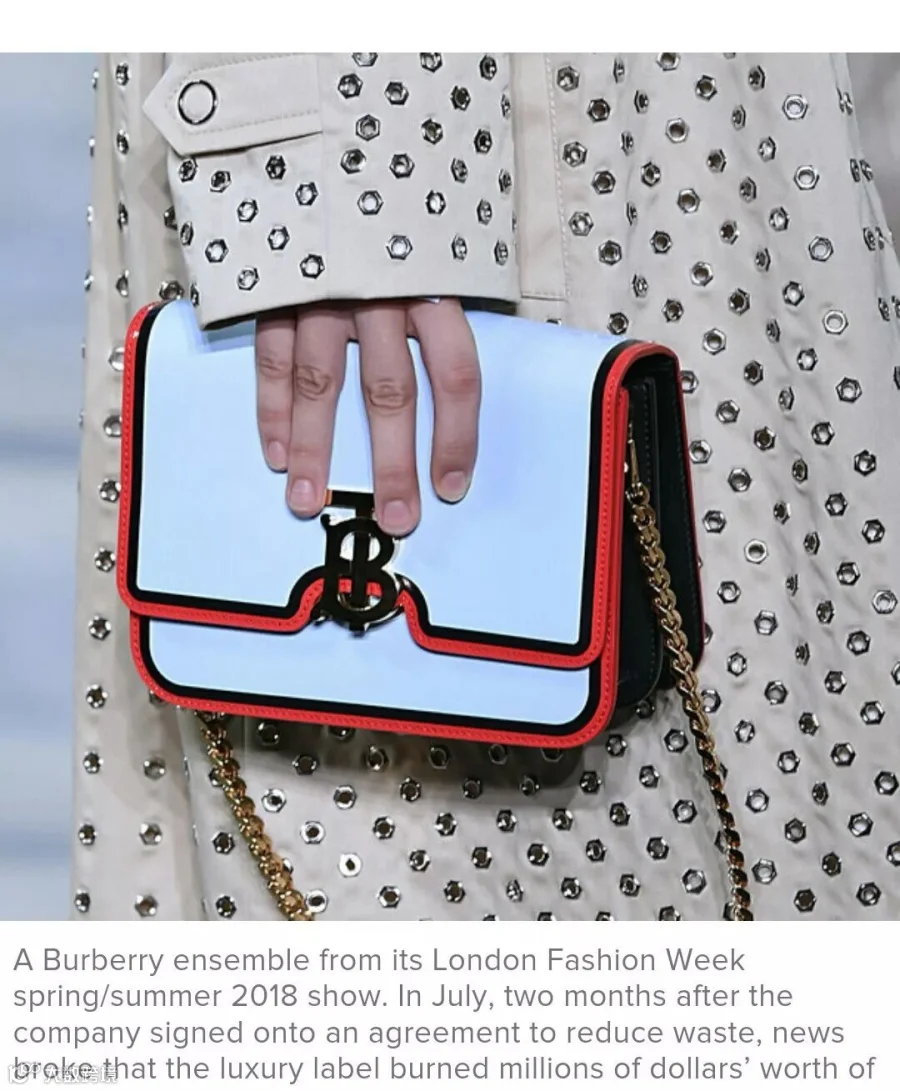
You get the sense that luxury fashion label Burberry very much regrets its decision to burn $38 million of unsold stock rather than let it fall into the wrong hands.
时尚奢侈品牌Burberry 宁愿烧掉其价值三千八百万的库存,也不愿让这些商品流入他人手中,事后该品牌明显后悔做出了这样的决定。
It was embarrassing. The Burberry burn — #burnberry on social media — broke as a huge story in July, just two months after the brand announced it was acore signatory to Making Fashion Circular, an initiative aiming to design waste out of fashion and keep resources in circulation. When you cremate clothes, that’s obviously not going to happen. The materials are lost. It’s the antithesis of the circular economy.
这很令人难堪。Burberry 的焚衣行为——社交媒体上的(#burnberry)——在7 月成为了大事件。两个月前该品牌刚刚宣布成为“让时尚可循环”倡议的核心签约方,此倡议旨在利用时装废料进行设计,并循环使用资源。可当你焚烧衣物时,这一切显然都不可能发生了。材料都已成灰烬,这是循环经济的对立面。
The company moved to stem the fierce criticism and this month announced it would immediately cease incinerating clothes. But the backlash shined some light on the practice of destroying fashion. Burberry had not tried to hide its use of incineration, which was listed in its 2017/2018 annual report under “finished goods physically destroyed during the year.” But most brands don’t talk publicly about the practice, which they have no obligation to disclose.
该公司开设采取 行动以平息如潮恶评,本月宣布将 立即停 止焚烧 衣物的 行为。 而这场波动揭露露了时尚行业销毁商品的做法。焚烧衣物已被列入2017-2018“ 一年中被完全毁坏的成品”的年度报告中,Burberry 也并没有试图隐瞒使用过此方法。但是大多数品牌公司不会公开讨论此类行为,因为他们没有义务这么做。
So why do they do it? Most often, the reason is to avoid devaluing the brand; there is a terror of what discounting would do to prestige. Some brands, such as Chanel, never discount. The idea is, keep it scarce and you keep it exclusive.
所以Burberry 和其他一些公司为什么要这样做呢?主要原因是为了避免降低品牌的价值。公司害怕折扣会给品牌声誉带来负 面影响。 一些品牌从来不打折,例如Chanel。这一理念就是,物以稀为贵。
Cartier
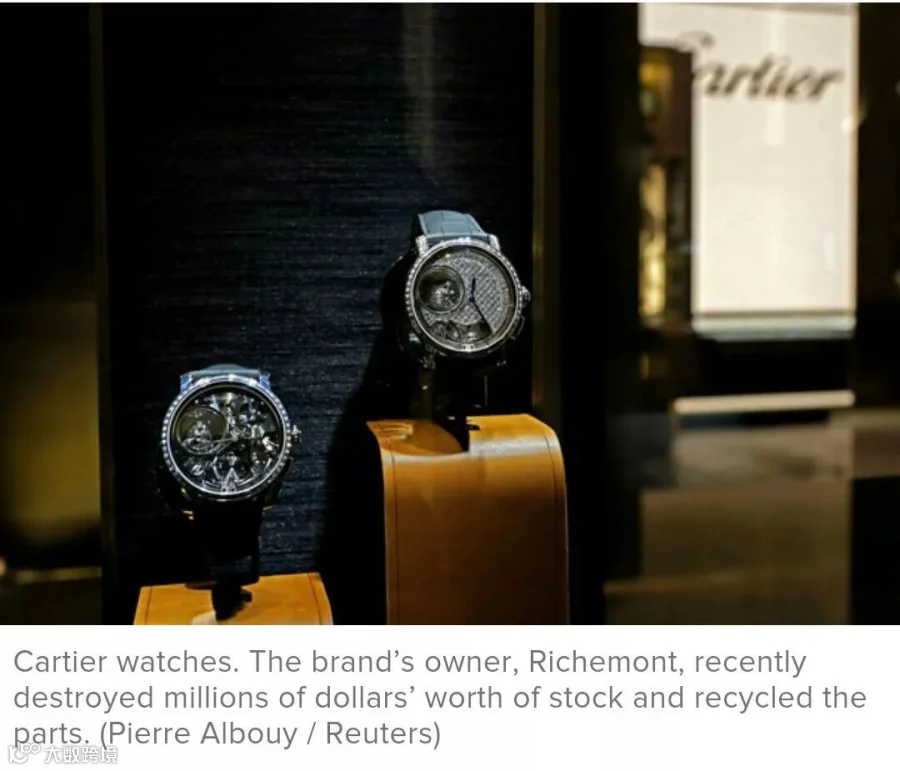
Over the last two years, Cartier owner Richemont, for example, has bought back about $575 million worth of watches from retail partners to avoid having the timepieces sold more cheaply on the gray market of unauthorized retailers. Most were destroyed, and the parts were recycled.
例如,在过去两年中,Cartier的母公司Richemont为避免手表从未经许可的零售商组成的灰 市场中廉价出售,从零售合作商那里收回了价值五亿七千五百万的手表。大部分手表被销毁,零部件则被回收利用。
H&M
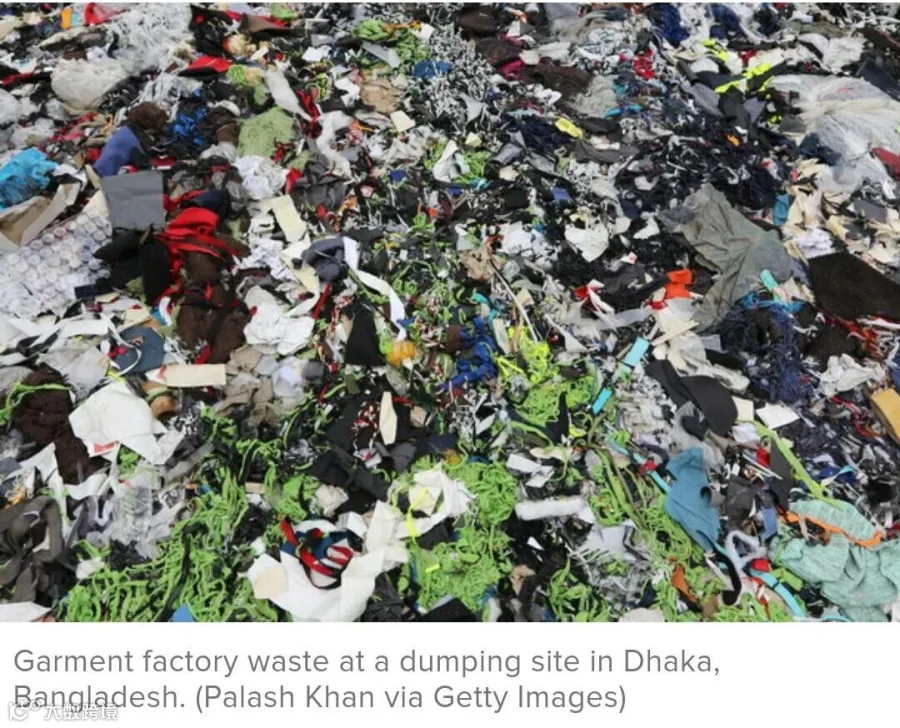
It’s not just high-end brands that are destroying their stock. Fast fashion is at it too. In 2017 it was revealed that fashion behemoth H&M — which has made much of its green agenda with recycling points in stores and what it calls a Conscious Collection — burned about 19 tons of obsolete clothing (the equivalent to 50,000 pairs of jeans) in a waste-to-energy facility run by one of Sweden’s energy giants, Mälarenergi.
不仅高端品牌会销毁自己的存货,快速时尚品牌也在这样做。2017年年,致力于提高商品的循环利用度并称之为“ 自觉收集”的时尚大牌 H&M, 在瑞典能源巨头之一Mälarenergi 所运营的变废料为能源的工厂,焚烧了19 吨过时的衣物(相当于五万条牛仔裤)。
H&M said that the clothes were unsellable for safety reasons — for example, they didn’t meet restrictions on chemicals or had been damaged by mold. The company used the same defense again this month after the German current affairs program “Frontal 21” dedicated a show to an investigation into the burning of unsold H&M stock in Germany, alleging that the brand destroyed 100,000 pieces of clothing unsold from multiple seasons.
H&M 称这些衣服是出于安全问题才不出售的,例如,化学成分不符规定或者沾染了霉菌。而德国时事电视栏目“Frontal 21” 专门做了一期调查H&M 烧毁衣服存货行为的节目,声称该品牌销毁了10万件滞销多季的衣服。随后,H&M 在这个月又使用了同样的借口。
Nike
And Nike was the subject of a New York Times article in 2017 that alleged the company slashed clothing and shoes to render them unwearable before disposing of them.
2017年纽约时报的 一篇 文章曾针对过耐克。该文章指出,耐克公司在处理掉衣服鞋子之前,会先把它们划烂,好显得本来就不能穿了。
社会影响
公众的态度
Public outcry over the destruction of fashion overstock shows that these methods of disposal carry an unofficial public approval rating close to zero. To input all the resources, emit so much pollution and waste and then destroy those clothes is pure madness, given the ecological emergencies we face.
公众对于时尚业销毁囤货的厉声呵斥表明,大家对于这种处理方式的支持率基本为零。投入那么多资源,排放那么多污染、废弃物,做出来的衣服最后却全部销毁,鉴于我们目前的生态危机,这样的行为纯属发疯。
Waste and fashion go hand in glove. The industry continues to pump out a swelling inventory; each year, worth of 100 billion new garments from virgin fibers are pushed onto the market. H&M alone was reported in March to have $4.3 billion worth of unsold clothes.
浪费与时尚唇齿相依。服装产业的囤货仍在持续膨胀,每年有价值一千亿的由原生纤维新制成的服装被投入市场。据报道,仅H&M一家在三月就又产 生了价值43亿美金的未售出服装。
环境问题
The energy needs of fashion are incredible. More often than not — particularly in fast fashion — these demands are shouldered by developing economies with scant or patchy energy cover. ACambodian factory producing garments for export, for example, needs power to iron and dye clothes. The French environmental organization Geres estimated that garment factories in Phnom Penh burn through 2.3 million cubic feet of wood every month. To feed wood-fired boilers, factories are clearing old-growth forests.
时尚产业的能源需求大得惊人。而大多数情况下,这些需求是由能源缺乏或失调的发展中国家经济体来 支撑的,快时尚 行业尤为如此。例如, 一家柬埔寨的出口制衣厂熨、染衣物等工序都需要能源。法国环境保护组织 Geres,估测金边(柬埔寨首都)的服装 厂每 月要消耗两千三百万立方米的木材。为了填饱火灶的胃口,工厂正在清空古老的森林。
Then there are the emissions. The fashion industry pumps out more carbon dioxide than international flights and shipping combined, according to a 2017 Ellen MacArthur Foundation report.
然后还有碳排放问题。根据埃伦·麦克阿瑟基金会2017 年的一篇报导,时尚产业排放的二氧化碳比国际航空和航海业加起来排放的还要多。
未来趋势
There are moves to change the practice of destroying fashion overstock, although few address the issue in any systematic way. An insider from the luxury goods sector who wished to remain anonymous said that the days of luxury design houses’incineration of substantive collections that have failed to sell is probably gone.“Instead, there’sacascade. Unsold stock is put throughoutlets, or garments and accessories disassembled and used in different ways. For example, the hardware like the zips and buttons can be removed. Incineration is the last resort.”
改变时尚业销毁囤货做法的措施也不是没有,就是很少有系统的解决方案。 一位匿名的奢侈品业内人士称:“奢侈品设计公司集中火化大量滞销品的时代应该已经过去了。取而代之的是一个串联流程。品牌们把滞销品放到奥特莱斯继续售卖,或将 衣料料配件等拆开,拆开的配件有不同的使 用 方式。比方说,拉链、纽扣这样的五金就可以拆下来,火化则是最后的手段。”
When it comes to this cascade, luxury goods brands have more options and more leverage than fast fashion brands. There are arguably more opportunities to reclaim their productsand re-enter them in the supply chain. But fast fashion brands, already at low price and high volume, shouldn’t expect to be invited into discount luxury outlets anytime soon.
不论是产品的回收利用还是二次销售,相较于快时尚品牌,奢侈品牌似乎有更多的机会。快时尚品牌因为其低廉的价格和较大的发售量,短期内不 大可能进入奢侈品的折扣店二次销售。故而在产品滞销后的流程中,奢侈品牌有更多的机会和手段去处理它们的滞销品。
Because fast fashion makes up the lion’s share of the average wardrobe and is bought and discarded quickly, when we talk about today’s out-of-kilter fashion consumption and disposal, we are really talking about this market.
普通人大部分的行头都是快时尚品牌,这些衣服更新换代得很快,因此,当我们谈论当今失常的时尚消费和废弃处置时,我们谈论的其实是这个市场。
创新举措
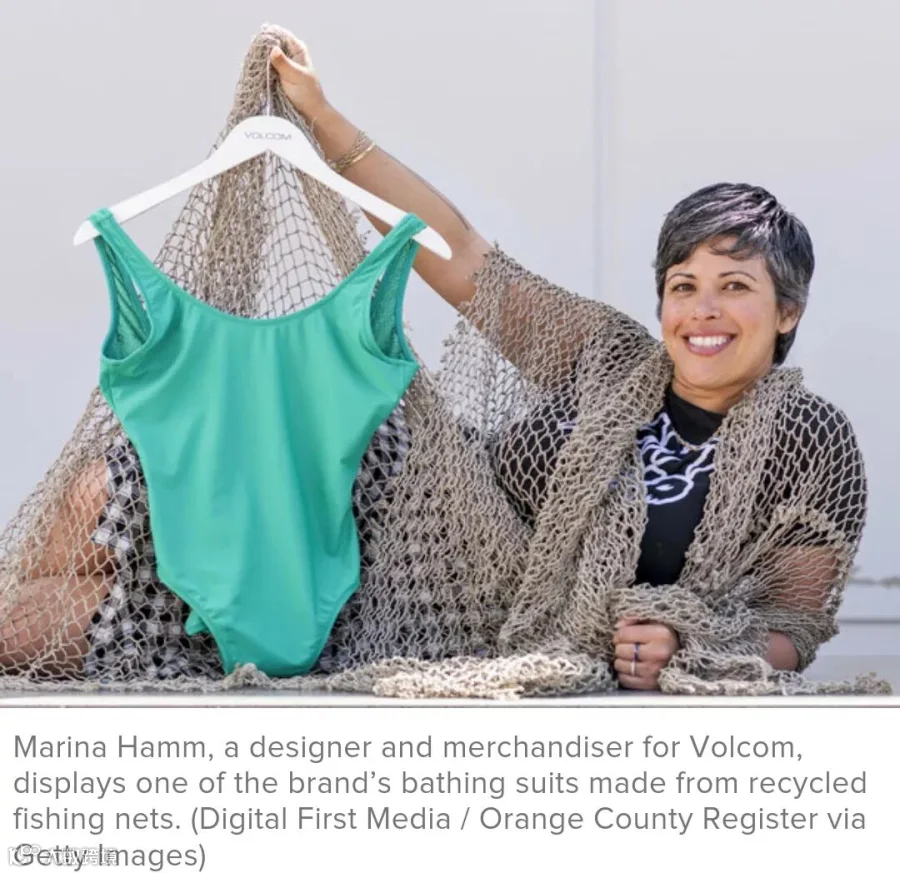
Many people look to clothing recycling. There is progress being made in the pursuit of recycled fiber. You might have noticed a big increase in the amount of fashion on the market made of yarn from recycled waste fishing nets, for example.
许多人指望着衣服的回收利用。在再生纤维的利用方面,我们也确实取得了一些进步。举例来说,你或许已经注意到了,市场上的时尚产品里,由回收废旧渔网的纱线制成产品的数量大增加了。
But this is still mostly tinkering around the edges. What’s important to understand: It’s not exciting innovation that will make recycling viable but dull old legal curbs on retailers, manufacturers and distributors.
而这些修复的努力仅仅是零敲碎打,杯水车薪。我们需要明白的是:真正让回收变得可行的不是令人激动的创新举措,而是针对零售商、制造商、分销商的,陈旧乏味的法律限制。
Complexity is the enemy of all recycling schemes. In most countries, including the U.S.,there seems to belittle appetite to curb the unsustainable habits of brands and get them to take real responsibility. The fact is that with a global fashion inventory this huge,even with an injection of good ideas and innovation, recycling will never triumph.
所有回收利用方案都败给了这件事情的复杂性。包括美国在内的大多数国家,似乎没有兴趣抑制品牌有违可持续发展观的坏习惯及让他们承担起真正的责任。事实上, 面对巨大的全球时尚产品库存,即使有好的想法和创新的注入,回收事业也永远不会成功。
我们怎么成了共谋?
This brings us to a difficult conclusion as consumers. We hate incineration and destruction generally, but we’re continuing to prop up the low-cost, high-volume system that make sit an inevitability. It’s estimated that we buy about 60 percent more clothes annually than we did in 2000 and wear each item less before ditching it. Per capita, Americans send about 70 pounds of textiles a year to landfills. When are we going to look at our own consumption habits and demand that fashion brands produce fewer clothes?
这给身为消费者的我们提出了一个艰难的结论。原则上我们都憎恨火化和销毁滞销品,但我们持续地 支持廉价高产的时尚系统, 而这又使得滞销品的 火化和销毁不可避免。据估计,如今我们一年买的衣服比2000年多出了60%,而且丢掉每件衣服前穿的次数更少了。每年,美国人均有 70 磅的纺织品通过垃圾填埋的方式被处理掉。什么时候,我们能注意到自己消费习惯的问题,而让时尚品牌少生产一些衣服呢?
正文结束
小编的话:
所以,看了这篇文章(能看完的同学真的让小编感动哭了 ค(TㅅT)),这两天就是双十一了,看一眼自己的购物车,是不是选太多东西了呢?

英文原稿 from Huffingtonpost
编译 by 范仪亦 张进宁 陈宁
排版 by 张进宁