



如果不幸英年早逝,
你希望孩子会如何记住你?
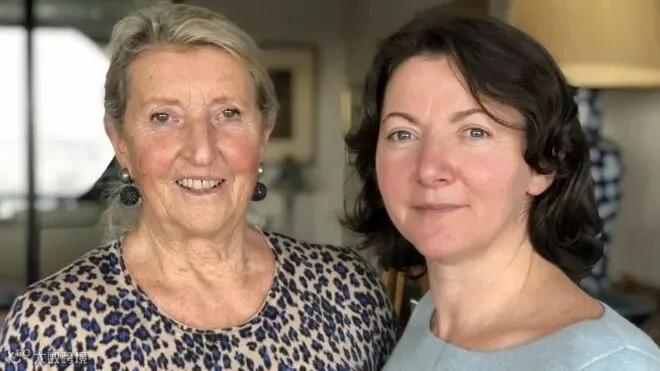

Gaby Eirew suffered two big bereavements in the space of a month. The experience impelled her to find a way of prompting parents to record video messages for their children.
Gaby Eirew在一个月内经历了两次重大的丧亲之痛。这段经历促使她想到一个办法:请父母提前为孩子录制一项视频信息,以备不时之需。
When Gaby Eirew's father was dying from pancreatic cancer one of his last pieces of advice was: "Grieve for me for two years, after that you're grieving for yourself."
Gaby Eirew的父亲死于胰腺癌时,他最后的忠告之一是:“两年内你会为我哀悼,两年之后你就是在为自己悲伤了。”
She thought she would be good at grieving. After all, she had worked as a counsellor dealing with cases of childhood trauma.
她本以为自己很擅长处理悲伤。毕竟,她曾担任过处理儿童创伤案例的顾问。
But she found herself struggling more than she had expected.
但她发现自己比预想的还要备受折磨。
To make matters worse, she and her husband had recently moved from London to Vancouver with three young children, meaning she had no support network.
更糟糕的是,她和丈夫最近带着三个年幼的孩子从伦敦搬到了温哥华,这意味着她没有支撑的联络网。
Feeling fragile, she tried to ring a close friend from childhood, Emma, a doctor in London. But then she got some more unexpected news: Emma had died suddenly and unexpectedly.
她感到很脆弱,试图给儿时的好友Emma打电话,她是伦敦的一名医生。但后来她得到了更意想不到的消息: Emma突然意外去世了。
"She was clever, beautiful, hard-working and warm," recalls Gaby. "I was small and wacky and she was this graceful intelligent person. Somehow we liked each other."
“她聪明、漂亮、勤奋、热情,” Gaby回忆说。“我个子矮小,举止古怪,而她是一个优雅、聪明的人。不知怎的,我们都喜欢对方。”
Her friend's death plunged Gaby further into grief. "I had no idea what to do with myself," she says.
朋友的死使Gaby更加悲痛。“我不知道自己该怎么办”,她说。
Both Gaby and Emma were 39 at the time. Emma's three children were all 10 or younger - like her own. Not only was Gaby now experiencing her own grief, as a friend and daughter, she couldn't stop thinking about the impact of a parent's death on young children. How do you begin to explain it to them?
Gaby和Emma当时都39岁。Emma的三个孩子都不到10岁,就像她自己的孩子一样。作为一个朋友和女儿,Gaby现在不仅经历着自己的悲伤,她还不能停止思考父母的死亡对年幼孩子的影响。你怎么开口向他们解释呢?


"I imagined my kids like hers, growing up with everything that they knew directly from their mum stopping there and then. I wanted to write to them all and reassure them and tell them the most useful things, but I could not sum her up. Some things I realised the children would hear from their father and grandparents, but some things would surely have to come straight from her?"
“我想象着我的孩子和她的孩子一样,他们的一切知识都直接源于他们的母亲,然后忽然就在母亲去世的时刻停止了。我想写信给他们,安慰他们,告诉他们最有用的事情,但我不能代替她,不能写尽她要说的话。我意识到孩子们会从他们的父亲和祖父母那里知晓一些事情,但有些事情只能从母亲嘴里听到。”
For weeks she felt "like a lunatic", obsessed by death. She kept asking friends and strangers she met: "What have you prepared for death?" It was her favourite topic of conversation.
几个星期以来,她觉得自己“像个疯子”,被死亡所困扰。她不停地问她遇到的朋友和陌生人:“你为死亡做了什么准备?”这是她最喜欢谈论的话题。

In the summer of 2008, a few months after her double blow, Gaby began a study of bereavement.
2008年夏天,在遭受双重打击的几个月后,Gaby开始研究丧亲之痛。
Looking back, she sees it as part of a recovery process and a need to channel her pain into something practical. The eventual result would be a tool to help children mourn their parents - a free app that has been used by tens of thousands of people in more than 30 countries to leave a legacy of video messages for their families.
她认为回首往事是康复过程的一部分,是将痛苦转化为实际行动的需要。最终的结果是一个帮助孩子悼念父母的工具——一个免费的APP让人们为家人留下视频信息遗产。这个APP已被30多个国家的数万人使用。
Over the next five years, she interviewed more than 100 people in Canada and the UK who had lost one or both parents as children. (In the UK about one in 20 children will lose a parent before the age of 16 - approximately 24,000 each year.)
在接下来的五年里,她采访了加拿大和英国的100多人,他们的父母有一方或双方在他们的孩童时期就去世了。(在英国,每20个孩子中就有1个会在16岁之前失去父亲或母亲——每年大约2.4万个孩子遭此经历。)
She found them by posting notices on online forums, and leaving physical notes in swimming pools and libraries.
她在网上论坛发告示,并且,还在游泳池和图书馆贴了许多告示。她通过这些方法找到了他们。
"I spoke to people born after their dads died, or came home to a crime scene, or were in car accidents that killed their parents," says Gaby.
Gaby说:“我访谈了各种失去父母的人们,有人是遗腹子,有人回家时目睹了父母被害的犯罪现场,有人在交通事故中父母丧生而自己幸存下来了。”
She found that breastfeeding her son at bus stops was a good way to strike up conversations with strangers about parenthood and mortality.
她发现,在公交车站用母乳哺育儿子是与陌生人展开有关亲子关系和死亡话题的好方法。
She asked these people what they wished they could have asked their parents.
她问失去父母的这些人,如果当初有机会,他们希望能问父母哪些问题?
"The single most important thing that people said they wanted to hear was that their parent was proud of them, that they loved them and to hear them say that with their name," Gaby says.
“他们希望从父母那里听到的特别重要的一点是,父母为他们感到自豪、非常爱他们。并且希望父母能在说这句话的时候加上子女的名字。”Gaby说道。
"So often people were told that their mum or dad loved them so much, but they needed and wanted to hear it."
“人们经常从别人口里听到自己的父母爱他们,但他们需要并且希望父母能够亲口这样说。”
Sometimes they wanted to hear a very specific set of words.
有时,他们想要听到一些特别的话。
"They wished they could ask their parent, 'I remember you whispering something to me every night, what was it? I want to hear it again.'"
“他们希望自己能够这样问父母:'我记得你每晚都在我耳边轻言细语地说着些什么,你在说什么呢?我想要再听一遍。'”
It could have been a prayer, or nursery rhyme or other words that became part of a nightly ritual and helped them know they were loved before they fell to sleep.
这可能是一段祈祷,或者摇篮曲,抑或是一段变成每晚例行仪式般的言语。这些都让他们在坠入梦乡前知道自己被人爱着。
So one key aim was to get parents to record that simple message in video form for posterity. Gaby's app, called RecordMeNow, is essentially a series of prompts that helps people to create a video library for their children, broken down into subject areas, based on Gaby's findings.
所以,一个主要目标就是让父母以视频的形式记录下这段简单的消息。Gaby的应用软件,又称“现在就记录下我”,是一连串提示,帮助人们为自己的孩子创造出一个视频集合,并且基于Gaby的搜索结果,分为不同的主题区域。


Another discovery was that bereaved children often carry a huge amount of guilt. "For a parent to say in a message 'I'm sick, I'm dying, it's not your fault, I don't want to die, I'm happy you get to live on and you get to have a full life,' that's really important."
她还发现失去至亲的孩子通常背负着深深的愧疚感。她说,父母向孩子传达类似于 “我病得厉害,就快要死了,这不是你的错。我不想死,我很高兴你能活着,并活得精彩。”这样的讯息相当重要。
They wanted to hear about other parts of their parents' lives. Things like a memorable story from their childhood, a story about romance, or what it's like to go through puberty. How did they choose their job and how did they handle stress and anger? Did they have any suggestions for naming their children?
这些孩子想知道关于父母的其他事情,比如他们的童年趣事、爱情故事或是度过青春期时的感觉。还有,他们是怎么选择工作的?他们如何应对压力与怒火?他们对给孙辈取名有什么建议吗?
However, Gaby was also surprised to hear many of the more mundane - and quite specific - questions that children had for their parents.
然而,Gaby也惊讶地发现,很多孩子想问逝去的父母一些更加日常且具体的问题。
What floor cleaner did you use? That smell reminds me of my childhood. What perfume did you wear? I want to wear it too. What were your middle names? What is the recipe for that soup you used to make? What is that walk we did? I want to walk it now with my child and think of you. Show me how to shave.
你们用哪一种地板清洁剂?它的气味让我想起了童年。你们喷的是哪一种香水?我也想试一试。你们的中间名是什么?你们做那道汤用的是什么菜谱?我们当年走过的是哪一条路?我想带着我的孩子和对你们的思念之情重走一遍。教我怎么刮胡子吧。
Satisfying children's curiosity about these kinds of details can really help with grieving, she says.
她说,满足孩子关于这些细节的好奇心能有效帮助他们减轻丧亲之痛。

来源 | BBC News
编译 | 周盈 戴乐彤 谢伊雯 梁沅
排版 | 梁沅
指导老师 | 刘佳