



NASA在它61岁生日之际宣布将重返月球,
一起来看看它在过去为人类拍摄了什么吧!
本文中英文共约2600字
阅读需要约10分钟

Stunning images from NASA's first 60 years of space exploration
美国宇航局60年太空探索拍摄的绝美图像
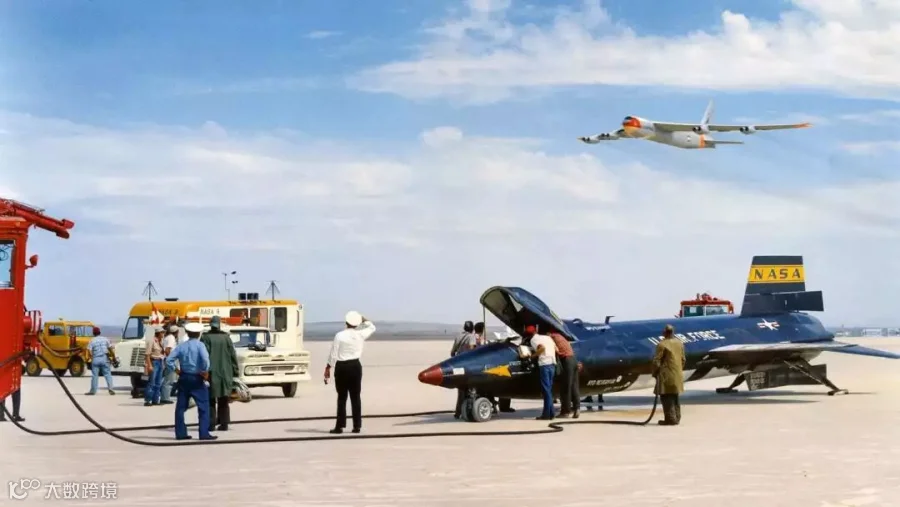
NASA marked its 60th anniversary last year, and will celebrate the 50th anniversary of the moon landing in July.
美国宇航局在去年迎来了它的60岁生日,并将在七月庆祝登陆月球五十周年。
One thing that ties together these decades of scientific discovery and intrepid missions is the amazing photographs the agency has distributed -- for free and in abundance -- as part of its mission.
美国宇航局的一个任务便是免费发布大量令人震惊的太空照片,这些照片将它这几十年的科学探索与无畏的任务联系在一起。
Some 400 of the best, including a selection of lesser-known images, have been collected in the book "The NASA Archives: 60 Years in Space," a visual celebration of NASA from its inception to its near future.
被认为拍得最好的照片中有四百张左右被收录进了《美国宇航局:在太空中的60年》一书,这本书是一场美国宇航局从成立初期到不久的将来的视觉盛宴,其中还包含了一组鲜为人知的图像。
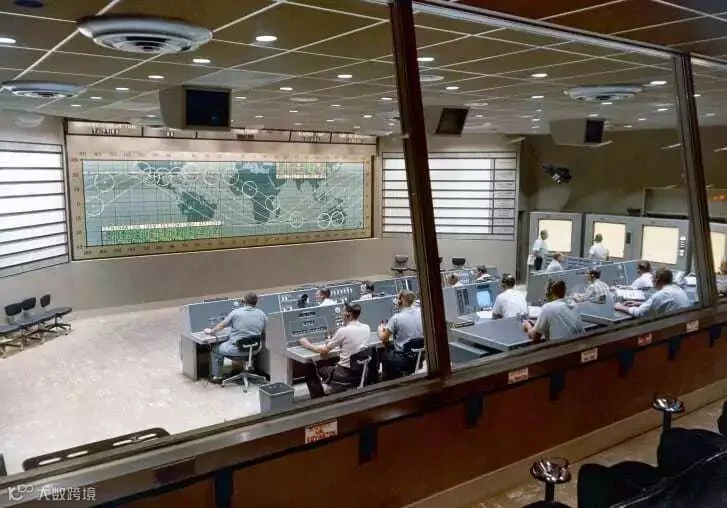
The Mercury Control Center at Cape Canaveral, from which seven human spaceflights were supervised between May 1961 and March 1965. Credit: NASA
卡纳维拉尔角的水星控制中心,科学家们在这指挥了1961年五月到1965年三月间的七次载人航天飞行。(图源:NASA)
But NASA didn't initially intend to keep such a detailed and vast visual record, according to the book's author and editor, Piers Bizony.
但据这本书的作者兼编辑Piers Bizony说,美国宇航局起初并未打算保存如此大量而精细的影像。
"Photography was not actually one of the early priorities," he said in a phone interview. "There was even an early proposal for the first human-carrying capsule, the Mercury, to not have a window at all. It was the astronauts who started taking Hasselblad cameras with them to see what they would get.
“摄影其实并不是我们早期的首要任务,” Piers Bizony在一次电话采访中说道。“甚至早期有人提议说水星——第一个载人航空器——根本不需要窗户。后来,是带上哈苏相机的宇航员们捕捉到了他们所看到的景象。
"NASA hadn't really planned for this, but they realized that pictures were a very important part of the message," he added, "and that people back on Earth wanted to see what was going on up there."
“美国宇航局并没有计划这些,但他们意识到太空图像也是一种很重要的信息来源,地球上的人们渴望着看到太空中正在发生的事。”他补充道。
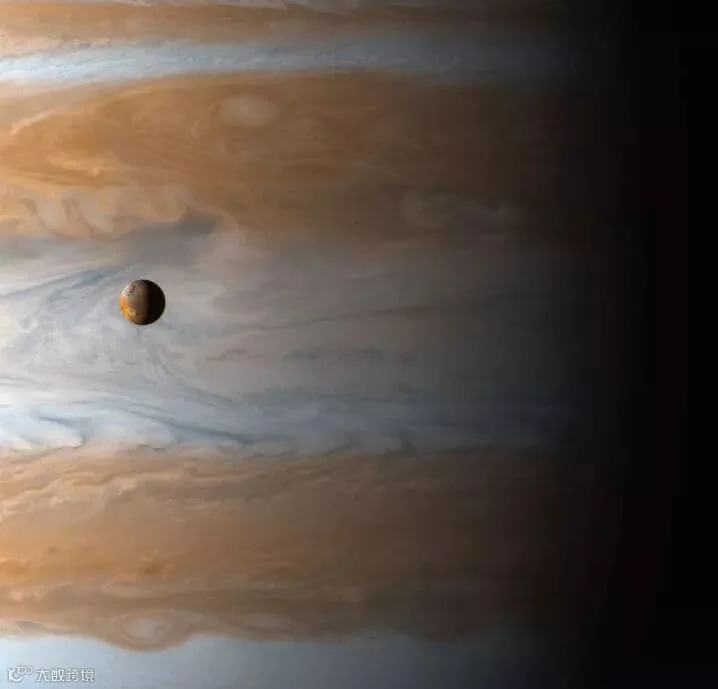
Jupiter's moon Io as seen by the Cassini spacecraft, launched in 1997.
木星卫星,“木卫一”,由1997年发射的卡西尼号宇宙飞船所拍摄。
Cameras made by Swedish manufacturer Hasselblad were used in several historic NASA missions, including Apollo 11, the moon landing. Peculiarly, most of the photographs from that mission -- including the most iconic one -- didn't feature the first man on the moon, Neil Armstrong, but the second, Buzz Aldrin.
瑞典制造的哈苏相机曾多次在NASA的任务中派上用场,其中也包括阿波罗11号登月计划。奇怪的是,那次任务中的大多数照片,包括最具代表性的那张登月照,都不是以第一个登上月球的尼尔·阿姆斯特朗为主角的,而是第二位登陆者巴兹·奥尔德林。
"It just happened to be Armstrong holding the camera most of the time," said Bizony. "So although Buzz Aldrin didn't have the satisfaction of being the first man on the moon, it's his image that represents that great achievement."
“碰巧大多数时间都是阿姆斯特朗拿着相机,” Bizony说,“尽管奥尔德林没能实现成为登月第一人的愿望,但代表呈现这一伟大成就的却是他的形象。”
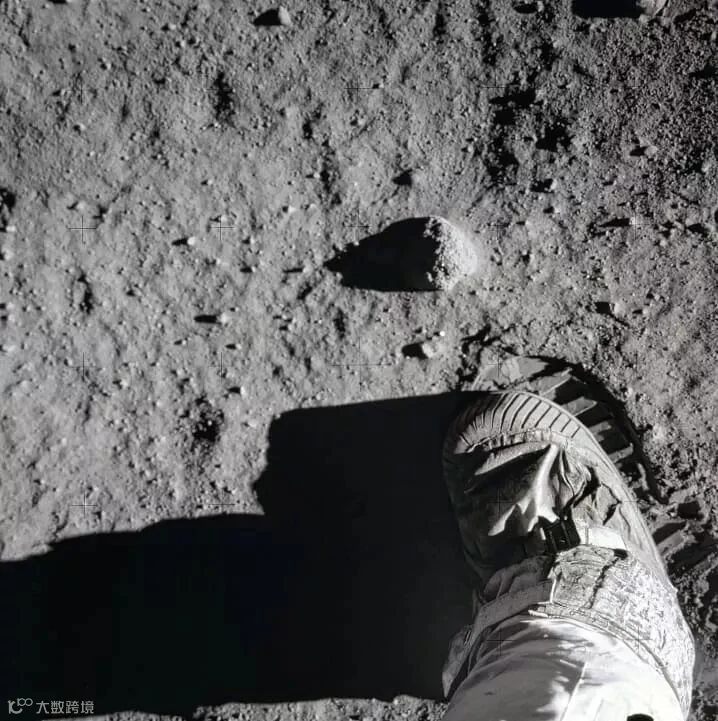
Buzz Aldrin's foot on the moon. It's likely that the footprint is still intact, because the moon has no atmosphere or rain to erode it. Credit: NASA
巴兹·奥尔德林踏在月球表面上的脚。月球上没有大气或雨水的侵蚀,这个脚印有可能至今仍是完整的。(图源:NASA)
The Hubble Space Telescope has been another source of astonishing images, although when it first launched in 1990, the initial photographs sent back were all blurry due to a fault with the main mirror (it was fixed after three years following a special 11-day mission).
哈伯空间望远镜是另一个精美图片的来源,尽管在1990年首次启动时,由于一个主镜的故障,它发回的第一批照片全部都是模糊的(三年后,这一故障在一个11天的特殊任务中被修复了)。
Hubble's successor, the James Webb Space Telescope, is scheduled to launch in 2021, after several delays.
接替哈勃望远镜的是詹姆斯·韦伯空间望远镜。历经数次延期,它终于被定于在2021年正式启动。
"James Webb is going to operate at a very great distance from the Earth, and it's not going to be easy -- if indeed possible at all -- for astronauts to service it if something goes wrong," said Bizony. "That's why everybody's being so cautious about getting it in good order before it launches."
“詹姆斯·韦伯望远镜将要在距离地球很远的地方运作。当它出现故障时,即使可能,让宇航员们去检修也不是件容易事儿,” Bizony说。“这也是为什么大家都小心翼翼地使它在发射前保持良好状态。”
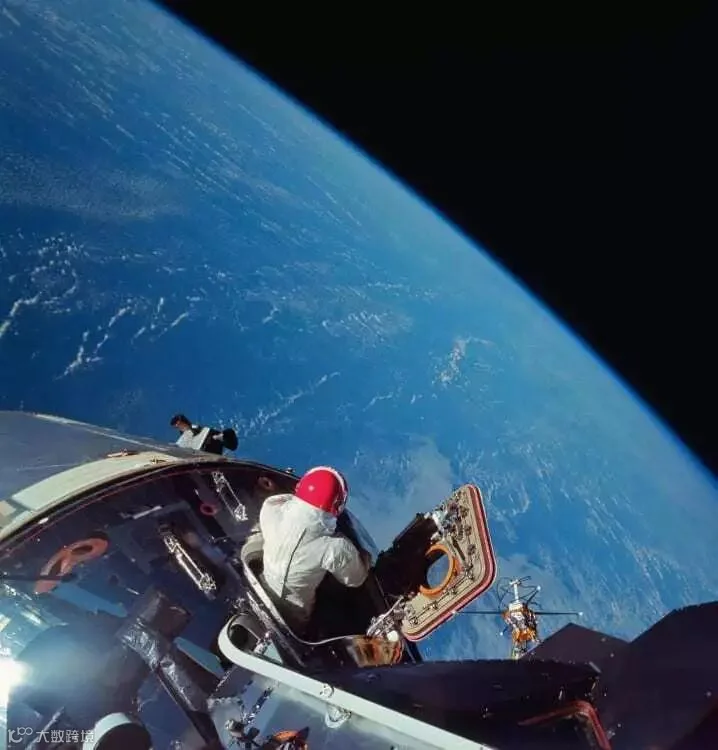
Astronaut Dave Scott looks at planet Earth from the hatch of Apollo 9 in March 1969. Credit: NASA
宇航员Dave Scott 从阿波罗9号的舱口望着地球,1969年三月。(图源:NASA)
James Webb will be much more powerful than Hubble (and its primary mirror much larger), representing the technological advancements of nearly three decades. Over time, the imaging technology used on NASA probes and telescopes has improved vastly, although the nature of space exploration means the agency often relies on outdated equipment.
代表着近三十年的科技进步,詹姆斯·韦伯望远镜的主镜比哈勃望远镜大得多,它的观测能力也比哈勃强劲不少。时光荏苒,用于NASA探测器和望远镜的成像技术已经有了很大的进步,尽管太空探索的特质意味着美国宇航局常常依赖过时的设备。
"Even the most high-tech NASA space probe is using technology from 10 years ago, because it takes 10 years to develop and build a complex space program," said Bizony.
“即使是具备最高科学技术的美国宇航局的航空器也用着十年前的技术,因为开发、部署一个复杂的太空项目就要花费长达十年的时间。”Bizony 说。
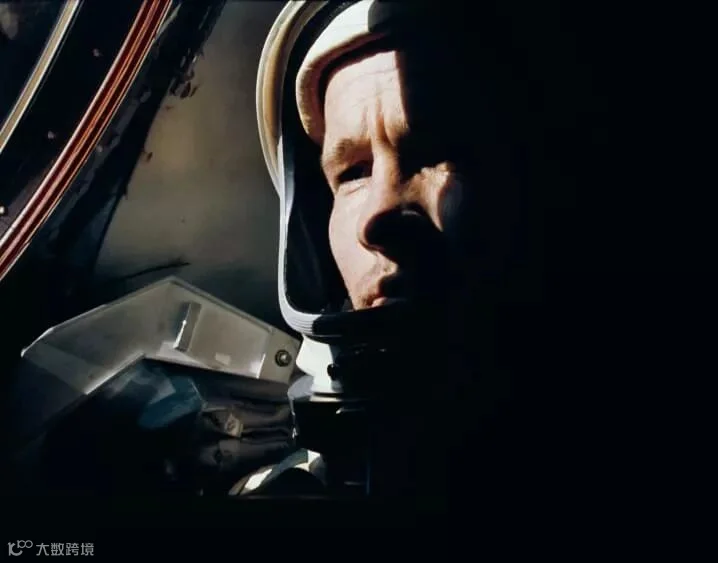
Astronaut Ed White, photographed by commander Jim McDivitt, in June 1965 aboard Gemini 4, NASA's first spacewalk mission. Credit: NASA
双子座四号航空器上的宇航员Ed White,由指挥官Jim McDivitt于1965年六月拍摄。这是美国宇航局的第一次太空行走任务。(图源:NASA)
"But having said that, we've gone from the earliest days of black and white pictures, with few pixels of resolution, to the ultra-high-resolution images we're getting from the surface of Mars.
“但话虽如此,我们已与低像素的黑白照片时代渐行渐远,踏入了能从火星表面传回高分辨率图像的新时代。
"You can see the progress that's been made, and it's amazing just how clear the images are. It's almost as though Mars is just around the corner."
“你能看到我们已取得的进展,令人惊讶的是这些图片如此清晰,就好像火星近在咫尺。“
NASA hasn't launched a program capable of manned spaceflight since the retirement of its Space Shuttle fleet in 2011. Trips to and from the International Space Station have been operated by Russia using the country's Soyuz spacecraft.
自2011年航天飞机舰队退役以来,美国宇航局还没有启动过载人航天计划。现在由俄罗斯使用该国的联盟号宇宙飞船承担运送宇航员往返国际空间站与地球的任务。
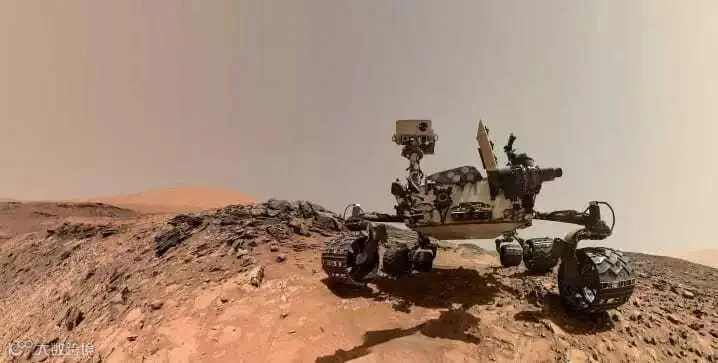
The rover Curiosity in a self-portrait taken on Aug. 5, 2015 on Mars. Credit: NASA
好奇号火星车的自拍照,2015年八月五日,火星。(图源:NASA)
"NASA is uncertain about its future direction," said Bizony. "They've been trying to talk about going to Mars and putting humans on Mars for a long time. But the truth is: That's just not possible in the current generation, because we don't really know how to solve a lot of the problems that come with that.
“美国宇航局并不确定它未来的发展方向,”Bizony 说。“很长一段时间以来,他们都在谈论去火星以及把人类送上火星。事实上,这在当前阶段是不可能实现的,因为我们真不知道如何解决随之而来的一系列问题。”
"Going back to the moon would be much more realistic, but whether or not there's the money to put humans back on the moon -- I'm not sure."
“(相对于把人类送上火星,)回到月球会更加现实,但我不确定美国宇航局还有没有足够的资金这么做。”
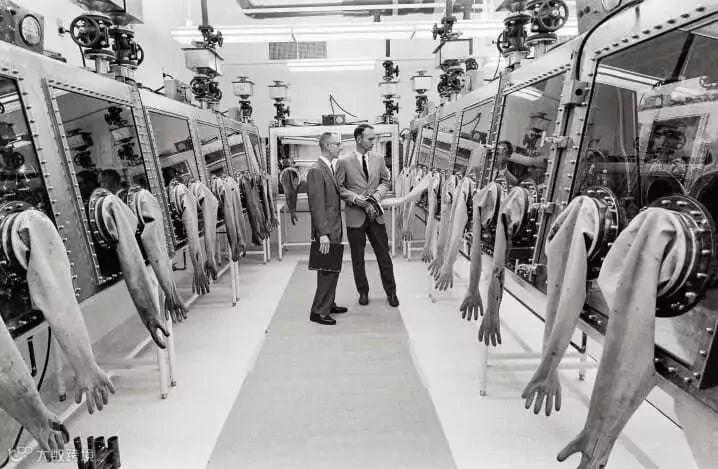
Apollo 11 Command Module Pilot Michael Collins inspects NASA's Lunar Receiving Laboratory at the Manned Spacecraft Center in Houston. Credit: NASA
阿波罗11号指挥舱飞行员Michael Collins在休斯敦载人航天中心视察美国宇航局的月球接收实验室
Many NASA photographs have made history, but there's one that -- perhaps more than any other -- has given us Earthlings some cosmic perspective.
美国宇航局的许多照片创造了历史,但其中一张给地球上的人们提供了也许是最广阔的宇宙视角。
"Everybody on Earth said 'A-ha! -- if I was flying around the moon, that's what I would see.'" said Bizony. "And so we shared that perspective,"
“地球上的人们都说‘啊哈!如果我飞上了月球,这就是我看到的景象!’”Bizony说。“我们就这样分享了宇宙视角。”
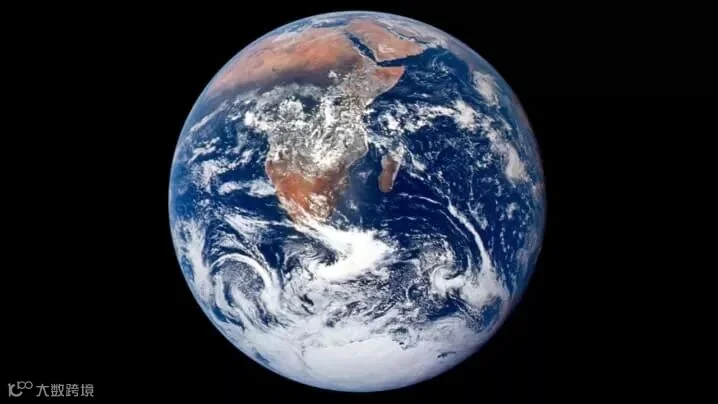
View of the Earth as seen by the Apollo 17 crew traveling toward the moon, known as "Blue Marble." Credit: NASA
环绕月球的阿波罗17号宇航员们看到的地球景象,被称为“蓝色弹珠”。 (图源:NASA)
"This image of the Earth floating on an absolute infinite blackness, as seen by human beings, was incredibly important."
“如人们所见,这幅地球漂浮在无尽的黑暗中的照片,意义非凡。”

end
来源 ┃ CNN
编译 ┃ 尹天翼
排版 ┃ 尹天翼
指导老师 ┃ 刘佳