

继Facebook的假新闻风波后,WhatsApp近日也深陷争议。一条在WhatsApp上疯传的谣言带走了五条无辜的生命,类似事件更是层出不穷。社交媒体为何频出状况?我们该如何去控制社交媒体带来的影响?本期Quriosity带您一探究竟。
Vicious Rumors Spread Like Wildfire On WhatsApp — And Destroyed A Village
WhatsApp上疯传的谣言毁掉了一座村庄
In July, residents of a rural Indian town sawrumors of child kidnappers on WhatsApp. Then they beat five strangers to death.
今年7月,几位印度村民在WhatsApp(瓦次普)上看到有关绑架儿童的谣言之后将五位陌生男子殴打致死。
Hours after a mob of villagers beat five strangersto death over a rumor on WhatsApp, nobody wanted to clean up the blood: Therewas just too much of it.
事件发生几个小时后,仍没有人愿意清理现场:血迹实在是太多了。
It lay congealed in a 6-foot-long puddle on thefloor of the Rainpada village council office. The walls and the dusty portraitsof Mahatma Gandhi and Indian politicians that adorned them were flecked withit. Even the ceiling was spattered.
在Rainpada(莱因帕达)村委会办公室的地板上,这些血迹凝成了6英尺长的水坑。办公室的墙上也血迹斑斑。墙上圣雄甘地和印度政客的画像上满是灰尘,被飞溅的血迹弄得更加斑驳。连天花板也难以幸免。
That evening, the village council offered fivelaborers from a neighboring village 5,000 rupees ($70) to clean it up. Theycame and mopped up the gore with old saris. Then they burned them and buriedthe ashes.
那天晚上,村委会给邻村五个工人5000卢比(70美元)让他们来清理。他们用旧纱丽服擦了擦血,然后把它们烧了,把灰烬埋了。
Five days after the event, the police had roundedup most of the suspects. Each admitted to attacking the five men — all nomadspassing through Rainpada, a tribal hamlet 200 miles south of Mumbai — and eachsaid they’d done so after watching shocking videos on WhatsApp warning ofoutsiders abducting children.
事件发生五天后,警方围捕了大部分嫌犯,每个嫌疑犯都承认袭击了这五名男子。这些男子都是经过这座孟买以南200英里的部落村庄Rainpada的游牧民。每个嫌疑犯都表示WhatsApp上外来人绑架儿童的警告视频令他们震惊,这是他们发起袭击的主要原因。
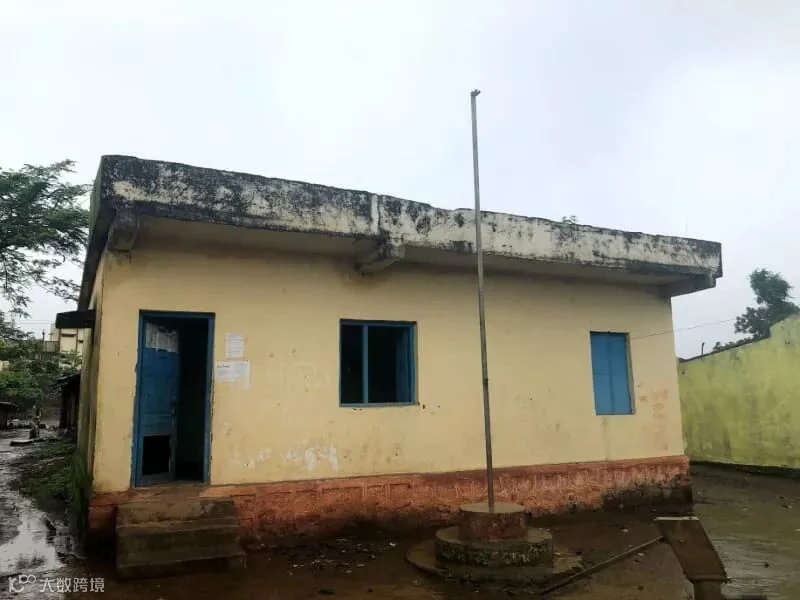
事发现场:Rainpada 村委会办公室(图片来自BuzzfeedNews)
WhatsApp,a Facebook-owned messaging service, is used by more than 200 million people inIndia, its largest market. It’s become an inextricable part of the country’sculture and social fabric, widely used by younger and older generations alike.It’s one of Facebook CEO Mark Zuckerberg’s crown jewels, an app that began as amessaging platform but is now evolving into something more, with a new paymentfeature already being tested in India.
WhatsApp是Facebook(脸书)公司旗下的一项通讯服务。印度作为其最大的市场,有超过2亿用户。这项服务已经成为了印度文化和社会构成中不可分割的一部分,无论老少都在广泛使用。这款应用程序是Facebook公司首席执行官Mark Zuckerberg(马克·扎克伯格)最有价值的资产之一。它起初只是一个通讯平台,而如今已经拥有了新的付款方式,并在印度投入试用。
Lately,however, WhatsApp has been getting Indians killed. In June, rumors about childkidnappers shared on the service inspired a mob of hundreds to lynch a29-year-old man and his friend who were passing through a village in KarbiAnglong, a district in the eastern part of the country.
但是近期,WhatsApp夺去了印度人的性命。六月,WhatsApp上所流传的有关儿童绑匪的传言鼓动了数百村民。这群村民在印度北部的Karbi Anglong(卡比安龙)区的一个村庄,私刑处死了一个路过的29岁男子,他的朋友们也难以幸免。
InJuly, two weeks after the Rainpada incident, hundreds of people hurled stonesat an IT worker who was visiting the South Indian village of Murki, killinghim. Since May, there have been at least 16 lynchings leading to 29 deaths inIndia where public officials say mobs were incited by misinformation onWhatsApp.
七月,Rainpada事件发生两周后,数百人投石砸死了一个信息技术工作人员,他当时正在探访印度南部的Murki(穆奇)村。自五月起,印度发生了至少16起私刑案件,导致29人死亡,政府官员称起因就是因为暴徒被WhatsApp上的误传信息所鼓动。
AsFacebook wrangles an ongoing crisis of public confidence over its role inspreading misinformation throughout the 2016 US presidential election, thecompany also failed to foresee its malignant applications: misinformation,propaganda, rumor, hate.
Favebook公司因为在整个2016美国总统选举期间传播错误信息而应对着持续的公共信任。同时,公司也并没有能够预见它的负面作用:误传信息、宣传鼓动、散播谣言、埋下仇恨。
“Share this video in all your WhatsApp groups.Anyone who does not is not his mother’s son.”
“请转发这个视频到你所有的WhatsApp群组,不转发的不是人。”
Thereare human consequences to Facebook’s growth-at-all-costs approach in thedeveloping world. In Myanmar, hate speech spread on the company’s Messenger appamplified calls for the genocide of Rohingya Muslims. In Brazil,anti-vaccination groups spread misinformation on WhatsApp about yellow fevervaccinations, contributing to a measured uptick of the disease. And in India,villagers — many experiencing the internet for the first time — have whippedthemselves into frenzies after viewing viral, forwarded videos from unknownsources warning of child abductors.
在发展中国家,Facebook不惜任何代价的发展方式对人们产生了消极影响。在缅甸,仇恨言论在Facebook的Messenger应用上散播,放大了对罗兴亚穆斯林进行种族灭绝的呼声。在巴西,反对疫苗接种的团体在WhatsApp上散播黄热病疫苗接种的虚假信息,导致了患病人数的小幅度增长。而在印度,一些来源不明的关于儿童拐骗的视频在网络上疯传,许多第一次接触互联网的村民在观看了这些视频后陷入了狂怒。
Thevideos, whose origins are impossible to trace because of WhatsApp’s strongencryption, had been making the rounds in WhatsApp groups in India monthsbefore the incident in Rainpada. One seen by BuzzFeed News shows grainy footageof a woman covering herself up with a burqa — playing to religious tensionswith Muslims — before grabbing a child tightly by the arm and walking away.Another video features a static image of an eviscerated child accompanied by avoiceover warning of organ harvesters. The 34-second clip ends with a mandate:“Share this video in all your WhatsApp groups. Anyone who does not is not his mother’s son.”
Rainpada出事前的几个月,这些视频在WhatsApp群组内流传,但由于WhatsApp强大的加密技术,视频无法溯源。据BuzzFeed新闻看到的一段画面斑驳不清的视频显示,一名女子紧紧抓住一个孩子的胳膊并带他离开,在此之前她披上了罩袍,此举针对穆斯林团体,加剧了宗教紧张情绪。另一段视频展示了一个被挖去内脏的孩子的静态画面,该视频同时配有画外音,警告人们小心这些割人内脏的人。这段34秒的视频在结尾命令道:“将视频分享到你所有的WhatsApp群组,不转发的不是人。”
OnJuly 3, two days after the fatal beatings, India’s Information TechnologyMinistry released a public statement calling the “irresponsible and explosivemessages filled with rumors and provocation” on WhatsApp a matter of deepconcern, and noting they “cannot evade accountability and responsibility.”
这起事件发生的2天后,印度信息技术部于7月3日发表了一份公开声明,称WhatsApp上“充斥着谣言和挑衅,不负责任的爆炸性信息” 是值得深切关注的问题,并指出WhatsApp“难辞其咎”。
Thenext day, WhatsApp replied to the ministry, saying that it was “horrified bythese terrible acts of violence,” but arguing that an effective solution tomisinformation would require help from the government.
WhatsApp在次日回应信息技术部说,公司“对此类暴力行径深感震惊”,但主张针对消除虚假消息的有效解决方案仍需政府的帮助。
WhatsApppushed a few changes to the app, adding “forwarded” labels to re-sent messages,and limiting the number of people or groups a user could forward messages to inIndia to five. It also ran full-page advertisements in seven languages acrossmore than 30 newspapers with tips for spotting misinformation. More recently,the company launched a radio campaign warning people to be wary of forwardedmisinformation.
WhatsApp已对应用进行了一些更改,在转发信息上加上了“转发”标签,并把印度国内一名用户能够把消息转发给的人和群组数限定为5。它还在超过30家报纸上用7种语言刊登整页广告,发布发现虚假信息的技巧。最近,该公司在广播上举办活动,警告人们对虚假信息要谨慎对待。
TheIndian government, however, had been hoping for more: It had asked for WhatsAppto develop tools to help trace the origin of messages, ostensibly to helpauthorities hunt down the creators of the fake videos.
然而,印度政府想要的却不止于此:它已要求WhatsApp开发出能对信息溯源的工具,此举很明显意在协助当局打击假视频创作者。
Therein lies the problem for WhatsApp, which, like many internet-connectedplatforms, has repeatedly argued that it should not be responsible for thecontent its users distribute. WhatsApp has focused on building tools to allowpeople to share information securely and quickly, while strongly opposing thenotion that it should moderate what its users share.
WhatsApp的问题就在于其管理的权限,就像许多互联网平台一样,它一再申明自己不必为用户传播的内容负责。WhatsApp致力于打造能让人们安全快捷地分享信息的工具,同时强烈反对应对用户分享的内容进行审核的理念。
What happens when an incitement to violence canbe shared instantly with hundreds of people who can each share it with hundredsmore?
当煽动暴力的信息可以立刻一传百、百传千,将会发生什么?
Butthat relentless focus on private, easy sharing did not account for second- andeven third-order effects at scale: What happens when there are more than abillion people using the service? What happens when some of those people have alimited understanding of the technology they’re using, of the perfidy of thebroader internet? And what happens when an incitement to violence can be sharedinstantly with hundreds of people who can each share it with hundreds more?
但对于信息分享私人性及简单性的持续关注还不足以说明它可能进一步导致的后果:当有超过一亿人在使用这项服务时,将会发生什么?当其中一些人对他们正在使用的技术、广阔互联网的背信弃义仅有有限的理解,将会发生什么?当煽动暴力的信息能够立刻一传十、十传百,又将会发生什么?
ForRashmi Sinha, an Indian-born technology entrepreneur, there is a clearcorrelation between the uptick in lynchings, WhatsApp’s growing reach in India,and the speed with which it can spread information — and rumor.
对于拉什米·辛哈,这位出生在印度的科技企业家来说,私刑的上升、WhatsApp在印度日益增长的影响力,和它传播信息和谣言的速度之间存在着明显的关联。
“Evenif you’re not responsible for what happened on the ground, I’d take it as aresponsible leader to try to adapt my software to any harmful patterns it isbeing used for,” she said. “At the end of the day it’s the mob that lynchedthat is responsible, not WhatsApp. But if you want the software to be used andpeople to have a long-term relationship with it, there can’t be disillusionmentor problems with the platform.”
“尽管你对当下发生的事情不承担责任,但你试图将我的软件引向错误的使用模式,我认为你作为领导者需要对此负责。”她说,”这天结束的时候,行私刑的村民对此负责,而非WhatsApp。但如果你想要人们继续使用这个软件并且和它建立一个长久的关系,这个平台就不能存有幻想或问题。”
IfWhatsApp and the Indian government can find any solutions, it will still be toolate for the dead and imprisoned. The village is empty. Most of the men havefled Rainpada, fearing police questioning that could implicate them or theirrelatives; and one of the few reminders of what happened there on that swelteringSunday in July is a fading pink stain on the village council floor.
就算WhatsApp和印度政府能找到任何解决方法,对于此事件死者和囚犯来说,仍旧为时已晚。这个村子已经空了。因为害怕警方的审问牵连到他们自己或亲人,大多数人已经逃离了雷帕达。唯有村委会的地板上那道褪色的粉红色污渍,提醒着人们七月那个闷热的礼拜天发生的事情。
编译:范仪亦 刘与晨 刘可圆 张殷雯 产雨欣
排版:产雨欣