



本文约1166字
阅读约需5分钟
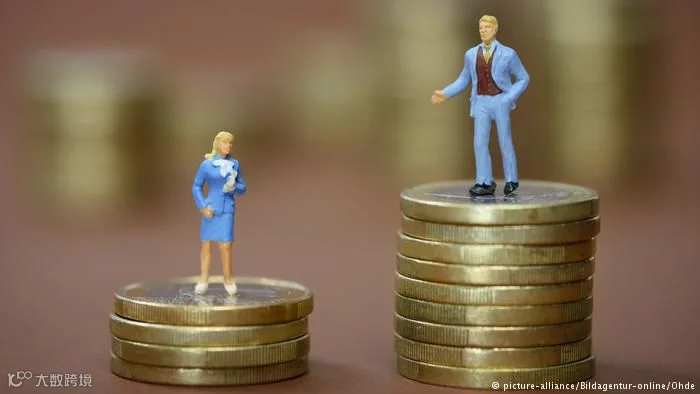
Gender-specific “Frauenticket” will be 21% cheaper than usual and available on 18 March in stunt to flag German pay gap
为了凸显性别收入差距,德国于3月18日发售“女士票”,比平日票便宜21%
///
“Mind the pay gap”
“关注男女收入差距”

Women travelling on Berlin’s metro, buses or trams will pay 21% less than men next Monday in a stunt to boost the visibility of Germany’s gaping gender pay gap.
本周一,女性乘坐柏林的地铁、公共汽车和有轨电车将比男性少支付21%的费用。德国以这种特别的方式来增加人们对日益扩大的男女收入差距的关注。
The city’s public transport operator, BVG, said its “Frauenticket” will be available on 18 March only, to mark Equal Pay Day in Germany. Under the slogan “Mind the pay gap”, it said its cut-price ticket was intended to flag the 21% difference between men and women’s average earnings, one of the biggest gender pay gaps in Europe.
该市公共交通运营商BVG(柏林运输公司)表示,其“女士票(Frauenticket)”仅在三月十八日发售,以纪念德国的“同工同酬日”。在“关注收入性别差距”的口号下,该公司表示,其降价票是为了显示男性和女性平均21%的收入差距——欧洲最大的性别收入差距之一。
“You have to speak out when people are treated differently for no reason,” the operator wrote. “This is a small gesture of solidarity, though it is nothing in comparison with what women are deprived of in income every year.”
“当人们无故遭到区别对待,你必须勇敢地大声说出来,”运营商写道,“这是一个团结起来的小姿态,尽管与女性每年被剥夺的收入相比,这是微不足道的。”
///
///
The Frauenticket, a day travel pass for the two central zones of the city, will be available for €5.50, down from the usual €7. It will be valid until 3am the next day. BVG said any men found travelling with the discounted ticket would be treated as fare dodgers.
“Frauenticket”是该市两个中心区的一日游通行证,价格将为5.50欧元,低于平时的7欧元,有效期至次日凌晨三点。BVG表示任何男性被发现使用该打折票游玩将被视为逃票者。
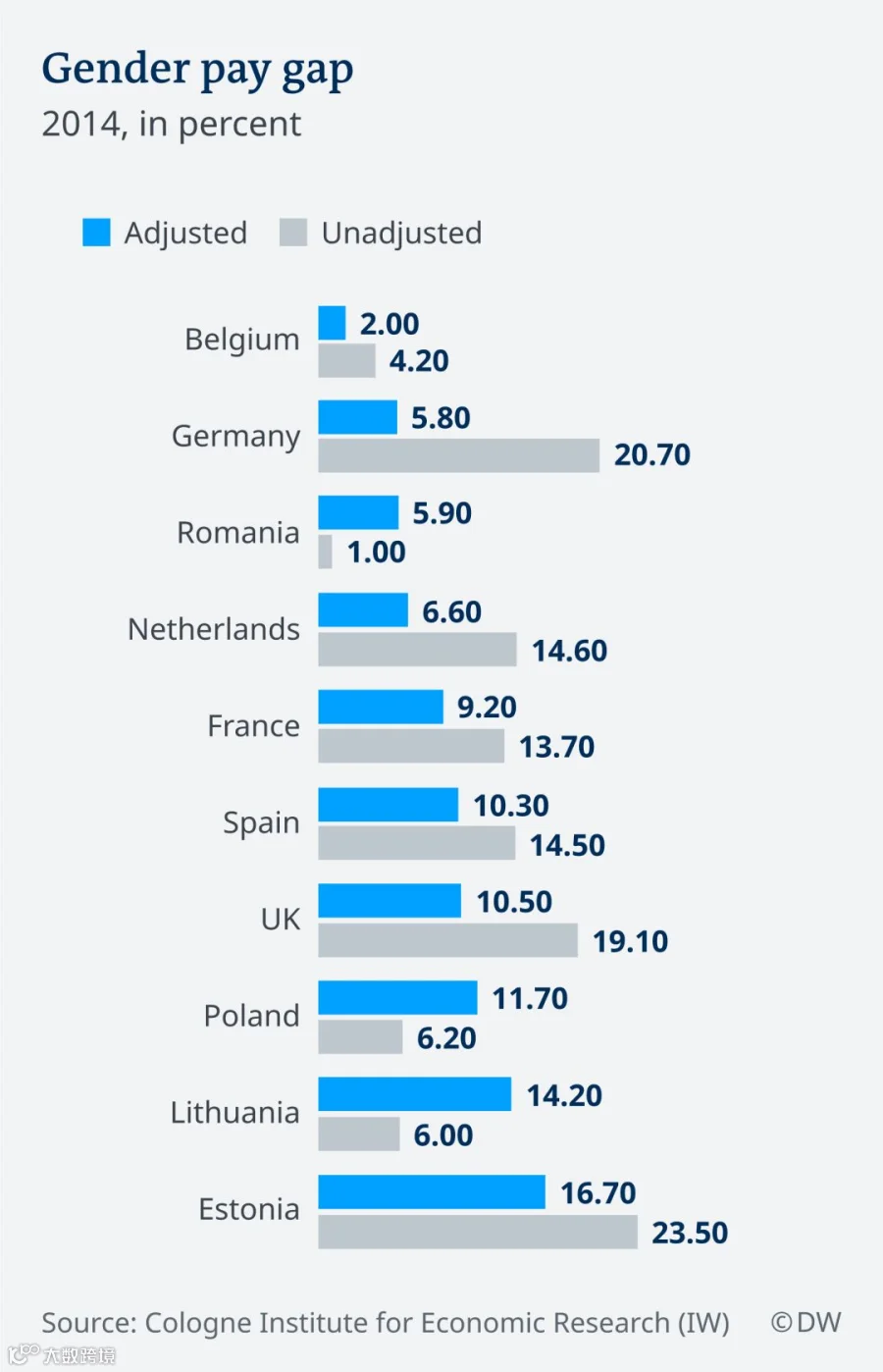
Germany’s seven-decade-old constitution enshrines equality between men and women but statistics show the country lags behind other European nations when it comes to equal earnings. While Italy and Belgium have an average difference between men’s and women’s income of less than 5%, Germany’s figure means it joins Estonia, the Czech Republic and the UK, at more than 20%.
德国长达70年的宪法规定男女平等,但统计数据显示,德国在收入性别平等上落后于其他欧洲国家。意大利和比利时的男女比平均收入差距不到5%,而德国的这一数据与爱沙尼亚、捷克共和国和英国一样,超过20%。
///
///
Breach of EU's founding ethos
对于欧盟基础精神的违背

"Women and men are equal. This is one of the EU's founding values," said EU Justice Commissioner Vera Jourova, Employment Commissioner Marianne Thyssen and Vice President Frans Timmermans in a joint statement issued last November.
“男性和女性是平等的。这是欧盟基础价值观之一,”在一个去年11月发表的联合声明中,欧盟法务专员Vera Jourova,就业专员Marianne Thyssen和副主席Frans Timmermans说道。
"But women still effectively work for two months unpaid each year, compared to their male colleagues," they said, pointing out that across the EU, women on average earn 16.2 percent less than men.
“但是相较于男性同事们,每年女性仍然相当于有两个月的有效工作没有被支付薪水,”他们说道,并指出在欧盟范围内,女性平均比男性要少赚16.2%。
Germany failed to close its gender pay gap last year, not even marginally, federal statisticians concluded on Thursday, attributing much of the difference to "structural" reasons such as caring for family and employment in lower-paying jobs.
联邦统计学家在周四总结道,德国去年没能弥补性别收入差,并把这份差别归于“结构性”的原因,比如女性要照顾家庭,并在低薪岗位上工作。
Comparing gross pay figures from 2017 and 2018, the Federal Statistical Office (Destatis) found men earned €21.60 hourly while women were paid on average 21 percent less, earning only €17.09 as gross hourly pay, with almost every second woman employed part-time.
通过比较从2017年到2018年的工资总额数据,联邦统计局发现男性每小时赚取21.6英镑,而女性平均要比男性少赚21%,即每小时赚取总额为仅仅17.09英镑,且几乎每两个女性中都有一个是兼职工作的。
Germany's workforce in 2017 included 10.6 million part-time workers. Of the total workforce, only 9 percent of the men worked part-time, while 47 percent of the women had part-time work.
2017年德国的劳动力中包含了1.6亿的兼职员工。在全部的劳动力中,只有9%的男性是兼职工作,而47%的女性有兼职工作。
Typically, women worked in lower-pay job sectors, seldom reached executive positions, or had "mini-jobs" earning up to €450 a month – a job category proscribed within Germany's social security law books.
一般来说,女性在低薪行业工作,很少能够做到管理职位,或者做每月最多赚取450英镑的“迷你工作”——一种在德国的社会保障法中被禁止的工作类别。
///
Equals 77 days without pay
77天无薪工作

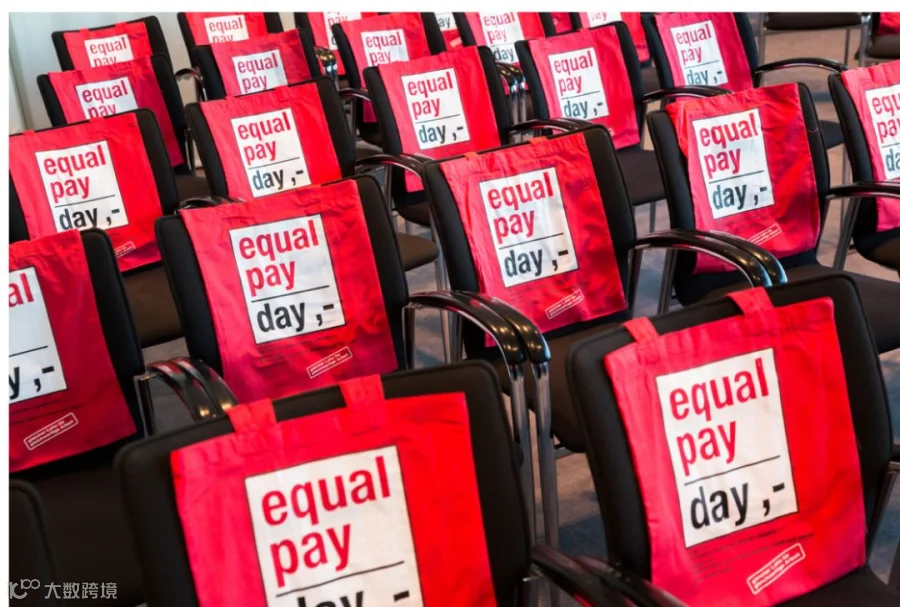
Equal Pay Day in Germany marks the 77th day in the calendar year up to which women — compared with men statistically — work without pay.
德国的同酬日标明了女性在统计意义上相较于男性无酬工作的第77天。
The concept was launched in the 1960s by US civil-rights groups, especially the association of Business and Professional Women (BPW) and was adopted in Germany in 2009.This means a German woman has to work 442 days to earn as much as a man earns in 365, the BVG said. The difference of 77 days means that women, in effect, end up working for free until 18 March each year.
这项概念在1960年代由美国人权组织——尤其是商业和职业妇女协会——发动,且在2009年为德国所采用。这意味着德国女性必须得工作442天才能赚到男性365天就能拿到的薪酬。这77天的差距意味着女性在每年3月18日之前相当于都在免费工作。
Plus,it is observed on various dates in more than 20 European countries.
此外,20多个欧洲国家都有庆祝同工同筹日。
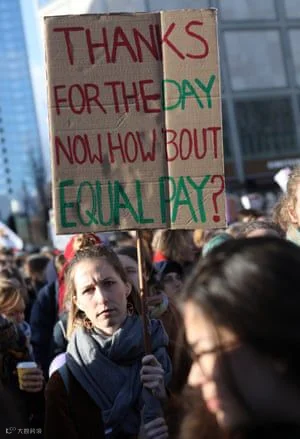
A protester holds a placard at an International Women’s Day demonstration in Berlin in 2019.
2019年,柏林,一位抗议者举着标语牌站在妇女节游行示威活动的队伍中
///
Elderly 'working poor'
老年人做着“低薪酬的工作”

Munich ethnology professor Irene Götz, who in 2017 co-authored a book on retirees' survival strategies, said many elderly women have little option but to pursue paid work.
慕尼黑社会人类学教授Irene Götz曾在2017年与他人合著过一本有关退休人员生活对策的书,称许多老年女性除了继续进行有偿工作以外,几乎别无选择。
"Becoming old doesn't mean retirement, but instead poverty," Götz told Germany's Protestant news agency epd on Thursday.
Götz周四接受德国新教通讯社采访时说,“(女性)老去并不代表步入退休生活,相反意味着面临贫困。“
The pension-age gender gap was even higher, she said, because lower earnings during their careers meant lower pension entitlements for women, who, once elderly, often felt ashamed and did not apply for social welfare.
那些到了领养老金年龄的人们面临更大的性别鸿沟,她说,低薪酬代表着更少的养老金权益,而她们一旦步入老年,常会感到羞愧而不会去申请社会福利。
"It was once standard — and even a status symbol — that women interrupted their careers to raise children," said Götz. "Girls were less encouraged" to pursue careers.
Götz说,“女性中断她们的职业生涯来抚养孩子——这曾经是一种常态,甚至还是地位的象征。人们不太鼓励女孩们去追求自己的事业。”
Divorce and separation compounded their situations, said Götz, because women had "depended on male-provider marriages."
她还称,离婚和分居使她们的处境更为复杂,因为女性“依靠以男性为家庭供养者的婚姻”。
///
Gender marketing?
以性别作为营销手段?

The operator said just a fifth of its 14,600-strong staff are women, a percentage it is striving to improve. It is run by Sigrid Evelyn Nikutta, who became its first female CEO in 2010 and later made the firm profitable for the first time in its history.
公司运营人员说,BVG1.46万名重要员工中,只有五分之一是女性,而公司正在努力提高这一比例。现在Sigrid Evelyn Nikutta经营这家公司,她2010年成为该企业首位女性CEO,还带领它在历史上首次实现盈利。
BVG’s gender-specific ticket, a global first, is one of a number of Equal Pay Day special offers being touted in the capital, with restaurants, an optician and a business coach among those pledging 21% discounts to its female customers next Monday. Earlier this month Berlin held a brand-new public holiday to mark International Women’s Day, the only state nationwide to do so.
BVG的性别优待车票是全球首创,也德国首都柏林“同工同酬日”系列福利中的一项。其他福利还包括饭店,验光师和职业顾问等优惠服务,都承诺在周一为女性顾客提供21%的折扣。这个月早些时候,柏林设立了一个全新的公共节日来纪念国际妇女节,是德国范围内唯一一个这么做的联邦州。
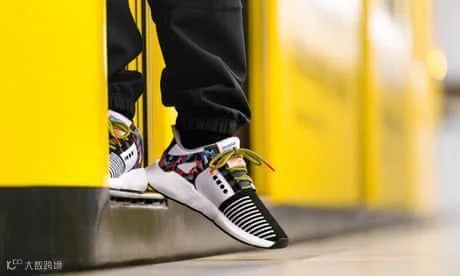
Berlin’s fleet of bright-yellow U-Bahn (underground) trains play a prominent role in day-to-day life in the city, with Berliners clocking up some 3.5m public transport trips per day. And news of its women-only ticket caused a stir on social media. On Twitter, praise abounded, with many applauding BVG’s offer, despite the odd jibe about its savvy use of cause-led marketing.
在柏林人每日达到3.5英里多的公共交通出行里程的现况下,柏林的亮黄色快速地铁列车在城市日程生活中扮演着不可替代的角色。这次女性专乘车票的出现在社交媒体上引起了极大的轰动。在推特上,柏林运输公司提供的这个服务收获了无数赞美;也有一些嘲讽的声音,认为此举是对以市场为导向的营销手段的精明利用。
///
But a few men were irked by the plan, with one Twitter user urging other men to buy the Frauenticket, saying they would have a open-and-shut case to sue for discrimination if challenged by ticket inspectors. Another critic quipped: “Will women have to get off the train five stops earlier because they live an average five years longer than men?”
但是一些男性对此举表示反感。一名推特用户呼吁其他男性去买女士票。并称如果受到地铁列车巡察员的质疑,他们有充分清晰的理由去控告女士票是对男性的歧视。另一个用户讽刺道:“女性是否需要因为平均比男性长寿五年而该早五站下车以示平等呢?”
Maren Jasper-Winter, women’s spokesperson for the pro-business FDP party in the Berlin House of Representatives, said the offer “missed the point”. Quoted in the Berliner Morgenpost newspaper, she argued “It’s as if you’d raise a small child’s pocket money just once by €1.50. This doesn’t help any woman and is completely irrelevant in view of the challenges for equal rights in the world of work.”
柏林众议院亲商派政党代表、女性发言人Maren Jasper-Winter说这个服务“没有抓住问题关键”。引用《柏林早报》的话,她强调:“这就好像你每次多给小孩子1.5欧元的零花钱一样,这对女性没有任何帮助;并且与女性在工作领域机会公平方面所受到的挑战完全不相干。”
But BVG said it had anticipated the backlash. “We knew we would be badmouthed for this,” said Petra Nelken, a BVG spokesperson. “Of course this price gap feels unfair. But that’s the whole point: just for a day we just wanted to make the big pay gap feel tangible in ticket form. This is what women are up against every day.”
但是BVG表示,强烈反对的声音在他们的预料之内。“我们知道我们会因此被人背后说坏话。一位发言人Petra Nelken说,“这个价格差别自然会使有些人感到不公平。但是这才是问题的关键:我们只是想在这一天通过车票的形式,让人们感到男女巨大的薪资鸿沟真实存在。这正是女性每天都会面临的情况。”


图文|The Guardian
编译|陈雨昕、李藜、杨雨霏、张萌
指导老师|刘佳