
大数跨境

性别平等?我们还有很长的路要走

性别平等?我们还有很长的路要走 QuriositySISU
2019-06-12
2
导读:“我不认为这些问题会自己消失。即使是得分最高的国家,也还存在着巨大的问题。”

本文字数:2800字

阅读时长:12分钟
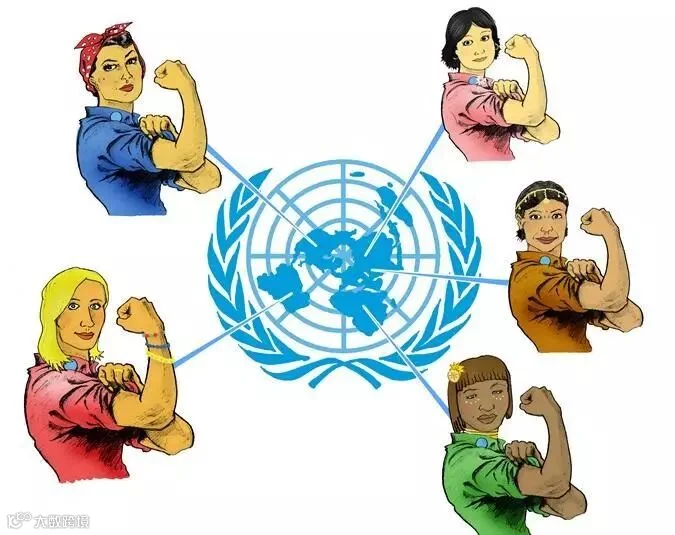

Not one single country set to achieve gender equality by 2030

实现性别平等?

在2030年前

没有国家能做到!


The first global index measuring efforts to end gender inequality finds countries are not doing enough to improve women’s lives

第一项衡量各国努力为结束性别不平等的全球性指标显示,各国在改善妇女生活水平方面付出的努力还不够多。
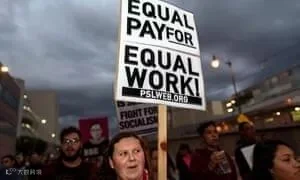


An activist seen holding a placard that says equal pay for equal work during the International Women’s Strike in Los Angeles.

在洛杉矶的国际妇女罢工中,一名参与者举着一张标语牌,上面写着“同工同酬”。

Photograph: Ronen Tivony/LightRocket/Getty Images


No country in the world is on track to achieve gender equality by 2030, according to the first index to measure progress against a set of internationally agreed targets.

首个衡量一系列国际性公认的目标进展的指数显示,世界上没有一个国家在步入2030年前,能走上性别平等的正轨。


Melinda Gates, co-chair of the Bill and Melinda Gates Foundation, said the index, launched on Monday, “should serve as a wake-up call to the world”.

比尔和梅林达盖茨基金会的联合主席Melinda Gates认为,在星期一开始启用的该指数“应该作为唤醒世界的呼声”。


Even the Nordic states, which score highly in the index, would need to take huge strides to fulfil gender commitments in the 17 sustainable development goals (SDGs), which 193 countries signed up to in 2015. The goals are considered the blueprint for global efforts to end poverty and inequality and halt the climate crisis. The deadline to meet them is 2030.

即使是在指数中得分很高的北欧国家,为了履行193个国家在2015年签署的17个可持续发展目标(SDG)中的性别平等承诺,也需要付出艰巨的努力。全球都把这些目标视作消除贫困和不平等、解除气候危机的蓝图。实现目标的最后期限是2030年。


The inaugural SDG Gender Index, developed by the Equal Measures 2030 partnership, found that 2.8 billion women and girls currently live in countries that are not doing enough to improve women’s lives.

据“2030平等议程”合作方制定的首个可持续发展目标性别指数显示,目前有28亿妇女和女孩生活在没有足够能力改善妇女生活的国家。


The index measured progress in 129 countries, marking them from zero to 100 – 100 meaning equality has been achieved – on 51 targets in 14 of the goals. These targets either specifically reference gender equality, or touch on issues that have a disproportionate affect on women and girls, such as whether women have access to mobile banking, or the internet, or a safe water source.

该指数衡量了129个国家在这一方面的进展情况,从0到100给它们打分,100分意味着国家在14个大目标下的51个指标中完全实现了两性平等。这些指标要么特别提到性别平等,要么涉及对妇女和女孩有着巨大影响的问题,例如妇女是否可以使用移动银行、互联网或安全水源。     


According to the index, countries with an overall score of 90 or more are making excellent progress, while those scoring 59 or less are making very poor headway on achieving the goals.

根据该指数,总分在90分或以上的国家正在取得显著的进展,而得分在59分或以下的国家则在实现这些目标的进程中表现得非常糟糕。


The average overall score for the 129 countries in the index – home to 95% of the world’s women and girls – was 65.7, considered a poor result in the scoring system.

在占世界妇女和女孩总数的95%的129个国家中,该指数中的平均总分为65.7分,在评分体系中,这是个十分糟糕的分数。


Women’s underrepresentation in parliament, the gender pay gap and gender-based violence were among the areas all countries were struggling to tackle.

妇女在议会中的代表不足、基于性别差异的工资差距和暴力是所有国家都在努力解决的难题。


Only 21 countries achieved marks of 80 or above, with the top country, Denmark, achieving 89.3. The UK, came 17th with a score of 82.2.

只有21个国家的分数达到80分或以上,排名第一的国家丹麦达到89.3分。英国以82.2分名列第17。


Twenty-one countries scored lower than 50, with Chad at the foot of the table with a mark of 33.4.

21个国家的得分低于50,乍得排名垫底,得分为33.4。


Of particular concern for those involved in compiling the index was that more than half of countries scored poorly on efforts to achieve SDG 5, the much lobbied-for standalone goal to end gender inequality and empower women. The goal contains specific targets to eliminate all forms of violence against women and girls, end female genital mutilation and child marriage, ensure universal access to sexual and reproductive healthcare, and uphold women’s reproductive rights.

参与编制该指数者特别关注到,半数以上的国家在努力实现第五个可持续发展目标方面表现不佳。可持续发展目标的第五条是一个人们共同倡议的独立目标,旨在结束性别不平等,赋予女性权力。该目标包括特定的指标,专为消除对妇女和女童的一切形式的暴力、结束女性生殖器切除和童婚、确保所有女性都能获得性和生育方面的医疗保健以及维护妇女的生育权利。


Alison Holder, director of Equal Measures 2030, said: “I don’t see any countries taking the ambitious action needed to tackle intractable problems – even the best scoring countries.

“2030平等议程”主管Alison Holder表示:“我认为没有任何国家有耗时耗力,采取应有的措施来解决这些棘手的问,即使是得分最高的国家也不例外。”


“I don’t see how naturally these problems will go away. Even among the best scoring countries there are still massive problems.”

“我不认为这些问题会自己消失。即使是得分最高的国家,也还存在着巨大的问题。”


As well as concerns over slow progress, Holder said she feared achievements could be undone, given the current rollback of abortion laws in the US and challenges to commitments to women’s rights at the United Nations. The US ranked 28th in the index with a score of 77.6 points.

Holder说,除了担忧进展缓慢,她还担心鉴于目前美国堕胎法的倒退以及联合国妇女权利的承诺受到的挑战,已有的成就可能会付诸东流。美国以77.6分名列该指数第28位。


“It’s clear that even in countries at the top of the index that progress is never guaranteed,” said Holder. “We need to guard against countries falling backwards.”

Holder说:“很明显,即使是在指数最高的国家,进步也从未得到保证。”“我们需要防止各国出现倒退。”

Memory Kachambwa, executive director of the African Women’s Development and Communication Network (Femnet), said what is happening in the US, and the power the Trump administration has to influence key language in international agreements, set a worrying precedent.

非洲妇女发展与交流网络(Femnet)的执行董事Memory Kachambwa声称美国正在发生的一切,以及特朗普政府所拥有的对国际协议中关话语的影响力,开创了令人担忧的先例。


“It’s worrying at an international level because it gives a foothold to other governments to continue to repress women,” she said. “Parties who are very much against women’s rights and gender equality are growing stronger and stronger and are able to have lot of influence in policy spaces a global level.”

“这是一种国际层面上的忧虑,因为它为其它想要打压女性的政府提供了立足点,”她说。“反对妇女权利和性别平等的政党在日益壮大,它们已经能够对‘政策空间’产生全球性的重大影响了。”

Photograph: Mackenzie Knowles-Coursin/AP

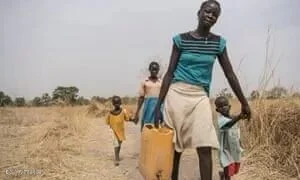
 Abuk walks home after collecting clean water from a water point 4km away from her home. Gender equality targets include issues that have a disproportionate affect on women and girls – such as access to water. 

Abuk正在走回家,她刚从离家4千米外的饮水点打到干净的水。性别平等的指标涵盖了对妇女和女孩有巨大影响的议题—比如获得净水的难易程度。


Although disappointed with the pace of change, she added that the index did at least offer a clearer picture on how countries were doing.

她补充道,尽管对改革的速度感到失望,她认为该指数至少更清晰地展现了各个国家过去的表现。


“When we talk to policymakers, they say they want the evidence [of gender inequalities]. We now have the evidence,” she said.

“当我们和政策制定者交流时,他们说他们想要“性别不平等”的证据。我们现在有证据了,”她说。


Europe and North American countries topped the index, while the bottom was dominated by African states.

欧洲和北美国家在该指数上名列前茅,而非洲国家占据了最后几名。


But the index noted that all countries had “different starting points” and, on some targets, states with low GDP were making better progress than wealthier nations in.

但该指数同时指出,不同的国家“起点不同”,并且在一些指标中,国内生产总值低的国家比富裕国家取得了更大的进展。


Denmark, for example, ranks behind Georgia, Kazakhstan and Lithuania on education, partly because the country has a lower percentage of young women who have completed secondary school.

例如,在教育方面,丹麦的排名在格鲁吉亚、哈萨克斯坦和立陶宛之后,部分原因是丹麦能够读完中学的年轻女性占比更低。


It also has fewer women MPs than Senegal and Rwanda, despite the Nordic state having a GDP per capita 56 times higher than Senegal.

尽管这个北欧国家的人均GDP是塞内加尔的56倍,它的女性议员却比塞内加尔和卢旺达的少。


The bottom 20 countries scored higher than the top 20 for breaking down their budgets by factors such as gender, age, income or region.

排名最低的20个国家在按如性别,年龄,收入或地区等要素投入预算比排名最高的20个国家更高。


Women are more likely to have their needs for family planning met in Brazil, China and Nicaragua, than in Canada, the Netherlands and Norway.

比起加拿大、荷兰和挪威,巴西、中国和尼加拉瓜的妇女可能更容易接受计划生育。


The index, launched at the Women Deliver conference in Vancouver, will be updated in 2021 and at regular internals until the 2030 SDG deadline. Data are drawn from UN agencies, the World Bank, NGOs, thinktanks and from the consultancy firm Gallup.

在温哥华召开的女性分娩会议上发布的这项指数,将在2021年更新并在2030年可持续发展目标进行期间进行定期内部更新。数据来自联合国机构、世界银行、非政府组织、智库和盖普洛咨询公司。


Equal Measures 2030 is a partnership of civil society and the private sector, including the Bill and Melinda Gates Foundation, the International Women’s Health Coalition, KPMG, Femnet, Plan International and Women Deliver. It was set up in 2016 to provide women’s rights advocates with the data they need to hold governments to account for their SDG commitments.

“2030平等协议”是民主社会和私营经济的合作产物,它的制定方包括比尔和梅林达·盖茨基金会、国际妇女健康联盟、毕马威、非洲妇女发展与交流网络、国际计划和妇女生育机构。该组织于2016年成立,为女权倡导者提供他们需要的数据,从而促使政府对可持续发展目标的承诺负责。


文章来源|APD

图片来源|APD

编译|庄怡 陈宇帆

排版|庄怡

指导老师|刘佳


【声明】内容源于网络
0
0
QuriositySISU
编译全球年轻新风尚 滋养你的优质好奇心SISU国际新闻编译实践项目平台
内容 1081
粉丝 0
QuriositySISU 编译全球年轻新风尚 滋养你的优质好奇心SISU国际新闻编译实践项目平台
总阅读203
粉丝0
内容1.1k