


本文约1959个字,阅读需9分钟

Peter Holley is a technology reporter at The Washington Post. Before joining The Post in 2014, he was a features writer at the Houston Chronicle and a crime reporter at the San Antonio Express-News.
Peter Holley是《华盛顿邮报》的科技记者。在2004年加入《华盛顿邮报》之前,他曾担任《休斯敦记事报》的一名特写记者,以及《圣安东尼奥特快新闻》的罪案记者。
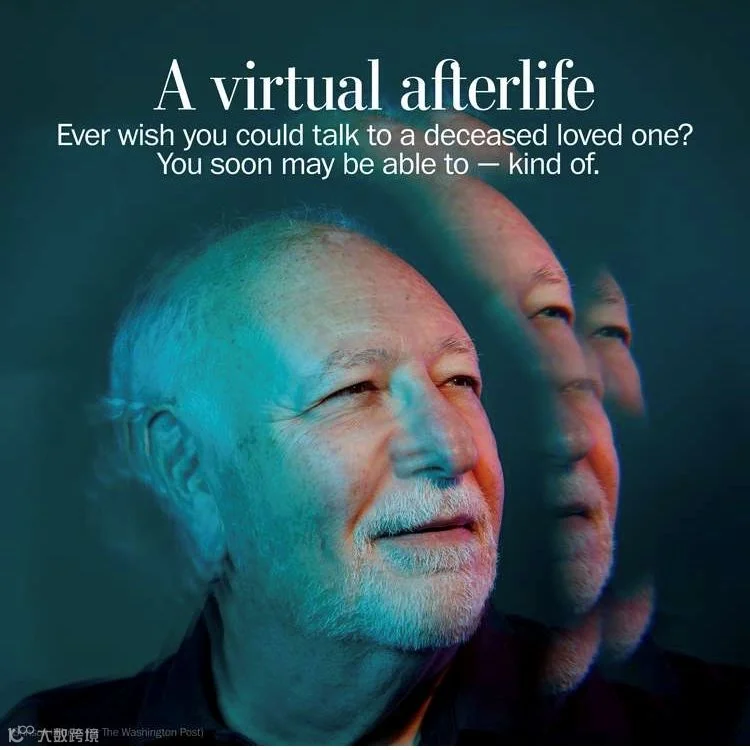
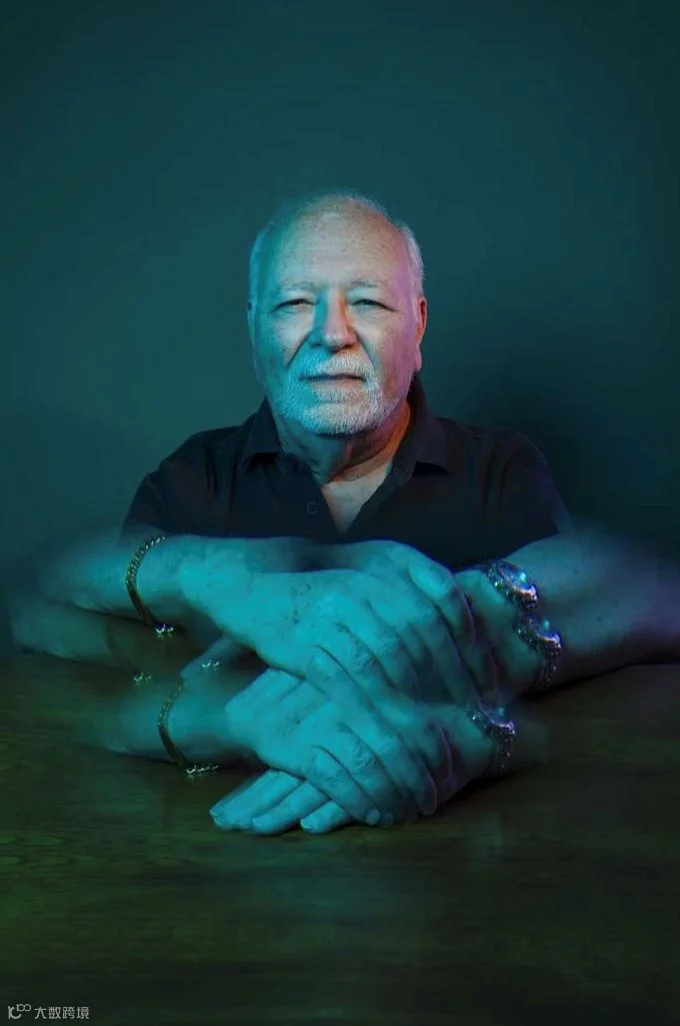
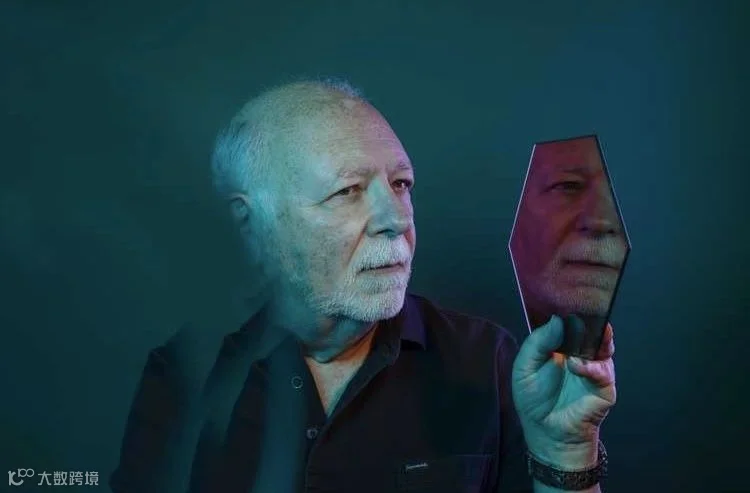
When Andrew Kaplan reminisces, his engrossing tales leave the impression that he’s managed to pack multiple lives into a single existence: globe-trotting war correspondent in his 20s, a member of the Israeli army who fought in the Six-Day War, successful entrepreneur and, later, the author of numerous spy novels and Hollywood scripts.
当 Andrew Kaplan 追忆时,他那引人入胜的故事给人们留下了这样的印象:他成功地将复杂多样的一生进行浓缩,融为一体:20岁时周游世界的战地记者,六日战争中作战的以色列军队的一员,成功的企业家,后来又成为了创作了大量间谍小说的作者以及好莱坞的编剧。
Now — as the silver-haired 78-year-old unwinds with his wife of 39 years in a suburban oasis outside Palm Springs — he has realized he would like his loved ones to have access to those stories, even when he’s no longer alive to share them. Kaplan has agreed to become “AndyBot,” a virtual person who will be immortalized in the cloud for hundreds, perhaps thousands, of years.
如今,当这位78岁的银发老人和相伴39年的妻子在棕榈泉郊外的绿洲放松时,他意识到,纵使将来他不能再活着分享那些故事,他仍希望让自己的挚爱能了解那些故事。Kaplan已同意成为“AndyBot”,一个将能够在云端不朽上百年,甚至上千年的虚拟人。
If all goes according to plan, future generations will be able to interact with him using mobile devices or voice computing platforms such as Amazon’s Alexa, asking him questions, eliciting stories and drawing upon a lifetime’s worth of advice long after his physical body is gone.
如果一切都按计划进行,在他肉身消逝很久以后,他的子孙后代们将能够通过移动设备或语音计算平台比如亚马逊智能音响Alexa来和他互动,问他问题,引出故事,汲取一生的宝贵忠告。
云永生到底是什么?又是如何实现的?

For decades, Silicon Valley futurists have sought to unchain humanity from the corporeal life cycle, viewing death as yet another transformational problem in need of a “life altering” solution. What began with the cryonics movement, in which bodies are frozen for future resuscitation, has intensified amid the rise of digital culture. Today, a new generation of companies is hawking some approximation of virtual immortality –– the opportunity to preserve one’s legacy online forever.
几十年来,硅谷的未来学家一直寻求将人类从物质生命周期中解放出来,他们把死亡视为另一个需要以“改变生命”为解决方案的转型问题。最早的人体冷冻技术,即尸体被冷冻用于未来复苏的技术,已经在数字文化的崛起中加强。现如今,新一代的的公司在推销一些与虚拟永生近似的商品——一种线上永远保护个人遗产的机会。
On its website, Eternime claims that more than 44,000 people have already signed up to partake in its “big hairy audacious goal” — turning the “memories, ideas, creations and stories of billions of people” into intelligent avatars that look like them and live on indefinitely. Nectome, a research company specializing in memory preservation, hopes their high-tech brain embalming process will someday allow our minds to be reanimated as a computerized simulation.
Eternime公司在网页上声称已经有多于44000个人报名参加它的“惊险大胆的大型目标——将”数十亿人的记忆,想法,创造和故事“转换成智能的看起来像他们并且能无限期的存活的虚拟化身。Nectome,一家专长于记忆保存的研究公司,希望它们的高技术人脑防腐工序将会使我们的记忆变成计算机模型而重新充满活力。
If technology succeeds in creating emotionally intelligent digital humans, experts say, it may forever change the way living people cooperate with computers and experience loss. “AndyBot” may become one of the world’s first meaningful examples, raising complex philosophical questions about the nature of immortality and the purpose of existence itself.
专家们说:“如果科技成功创造出情商高的数字化人体,这可能永远改变活着的人们与电脑合作的方式以及体验失去的方式。”“AndyBot”将可能成为有意义的世界先例之一,并引发复杂的关于人永生的本质和存在的意义的哲学问题。
HereAfter was co-founded by Sonia Talati, who calls herself a personal legacy consultant, and James Vlahos, a California journalist and conversational-AI designer who is best known for creating a software program called the Dadbot.
此后,Sonia Talati和James Vlahos共同创立了HereAfter这家公司,Talati自称是个人遗产顾问,Vlahos是加利福尼亚州的一名记者,也是一名健谈的人工智能设计师,他以开发一个名为Dadbot的软件程序而闻名。
Brought to life after Vlahos learned that his father was dying of cancer, the Dadbot allows him to exchange text and audio messages with a computerized avatar of his late father, conversing about his life as well as hearing songs, small talk and jokes.
在Vlahos得知他父亲快死于癌症后,他想让他的父亲得以重生。Dadbot让他可以与他已故父亲的电脑化身交换文字和音频信息,谈论他的生活,还可以听歌、闲聊和开玩笑。
Once the Dadbot became widely known, Vlahos received so many requests to create memorializing bots for other people that he decided an untapped market for making virtual people was primed for the mainstream.
当Dadbot广为人知时,Vlahos收到了许多为他人创建纪念机器人的请求,因此他确定之前未经开发的虚拟人市场成为主流的时机已经成熟了。
云永生的现在与未来

Edward Saatchi, the chief executive of Fable, a company in the process of creating virtual beings, says interacting with digital humans is not only an inevitability but also the next leap forward in how humans interact with technology.
正在开发虚拟生物的Fable公司的首席执行官Edward Saatchi表示,与数字人类互动不仅是必然的,而且是人类与技术互动的下一个飞跃。
Yet, to perfect virtual beings, companies such as Eternime and HereAfter will have to begin chipping away at a problem that has confounded computer scientists for decades — enabling “multi-turn conversations” between humans and machines. Unlike ordering a pizza — simple, short and guided by a specific objective — a multi-turn conversation is free-flowing and spontaneous, drifting among unrelated topics and using the nearly infinite variety of natural language the way conversations between people often do.
然而,要使虚拟人变得更加完美,像Eternime和HereAfter这样的公司将不得不着手解决一个困扰计算机科学家数十年的难题——实现人机之间的“多轮对话”。与点比萨(简单、简短且受特定目标指导)不同的是,多轮对话是自由和自发的,在不相关的话题之间转变,并且使用人们无限量的自然语言进行交流。
At the same time, knowing that computers are years, if not decades, away from handling back-and-forth conversations as well as people do, he aims for the more realistic short-term goal of enabling legacy bots to share stories about a person’s life on command.
同时,他知道要让计算机像人们一样处理你来我往的对话,即使不需要几十年,也需要几年的时间。因此他旨在实现一个更现实的短期目标,即让传统机器人能够按指令分享一个人的一生。
新闻来源
https://www.washingtonpost.com/technology/2019/08/29/hey-google-let-me-talk-my-departed-father/
图片来源
Washington Post
编译|杨林姗 罗悦菲 黄思谊
排版|黄思谊