


本文约3286字,阅读需10分钟
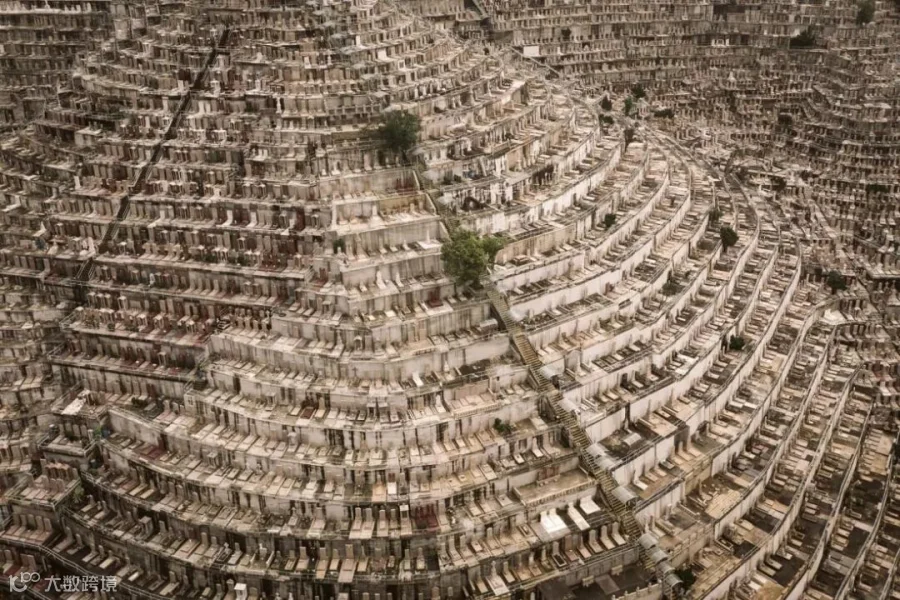
Photographer Finbarr Fallon worked on the photo series "Dead Space" for five years over several trips to Hong Kong.
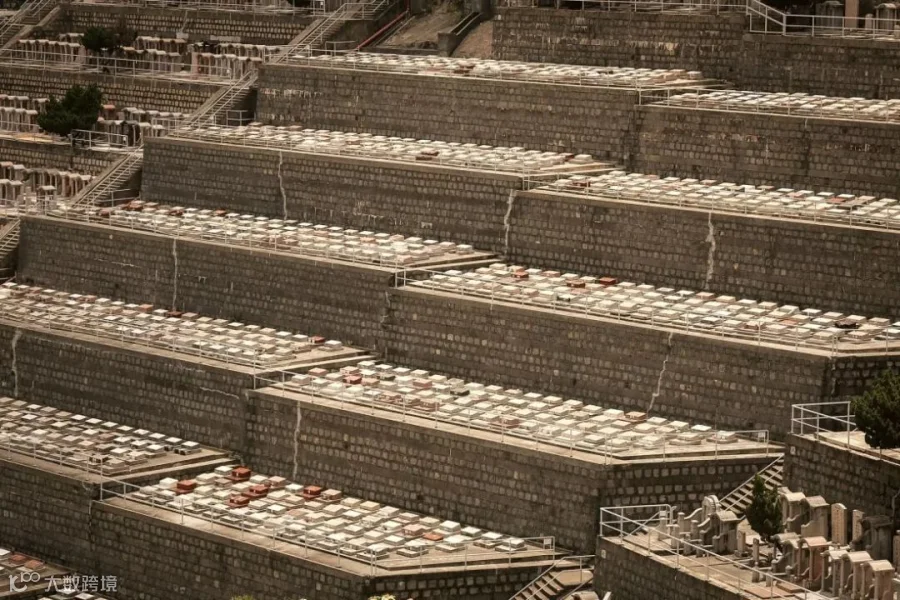
Fallon visited nearly all of the territory's cemeteries for the project, but said he found the densely packed ones on Hong Kong Island the most "extreme."
Fallon为了这个项目几乎造访了香港所有的墓地,但他发现香港岛上这些密集排布的墓地是最“极致”的。
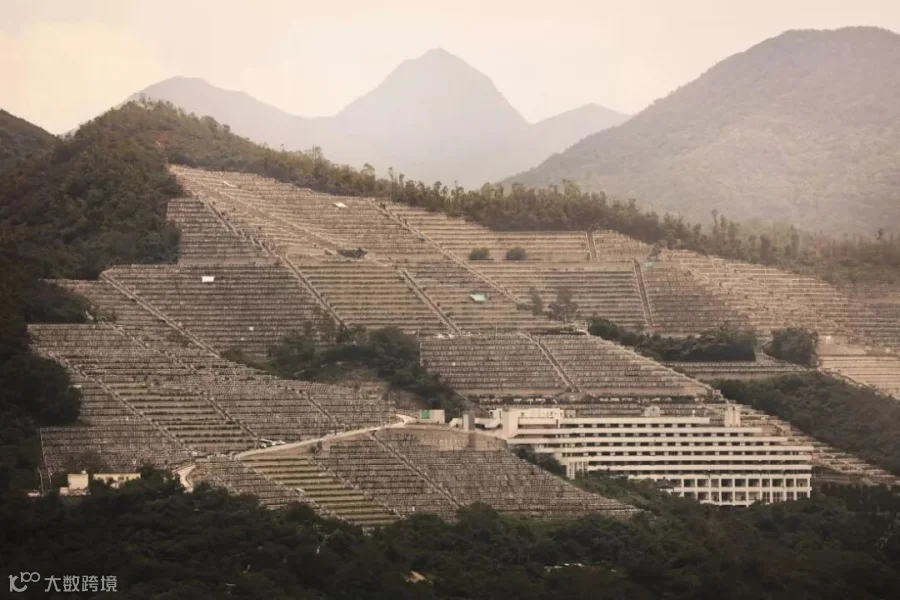
Cemeteries in Hong Kong are often sprawl up the sides of hills and mountains, and are running out of space.
香港的墓地常常从山脉丘陵的边缘开始逐步拓展,而且正在蚕食山上的空间。
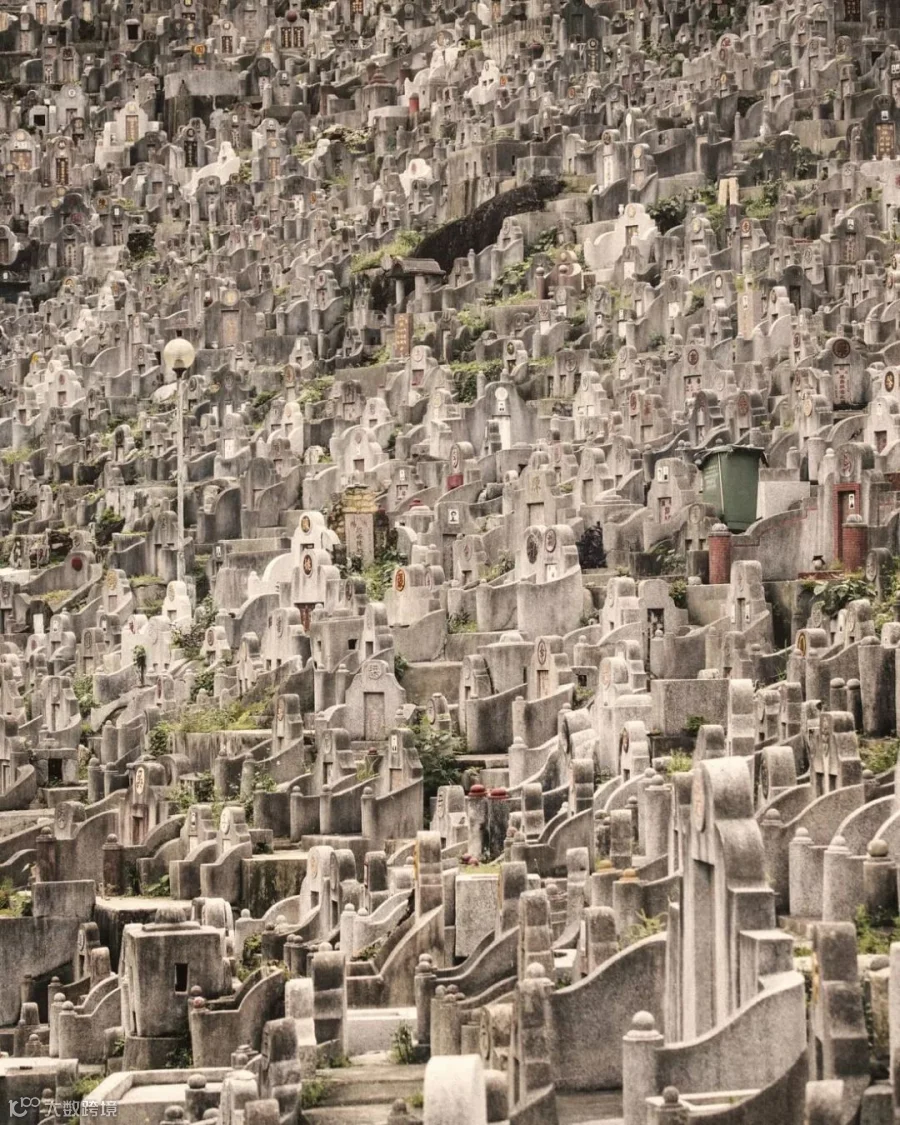
Fallon is originally from the UK, where cemeteries are typically flatter, greener and more spacious than those in space-starved Hong Kong, he said.
Fallon来自英国,他说,相比起空间紧张的香港,英国的墓园更加平整广阔,绿化程度也更高。
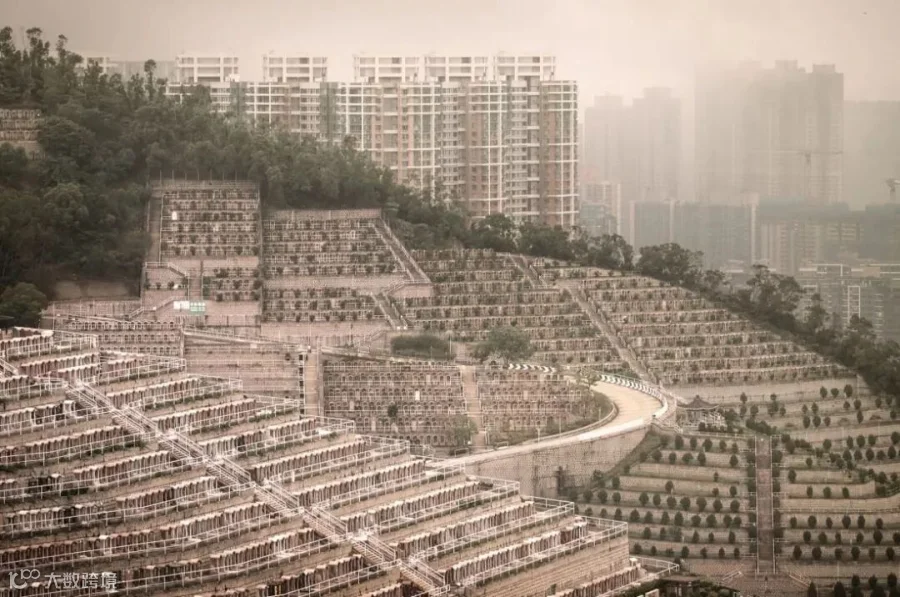
Hoping to capture the magnitude and vastness of the cemeteries, Fallon used a drone to photograph them from above.
Fallon借用无人机在墓地上方拍摄,以期展现墓地的巨大规模。
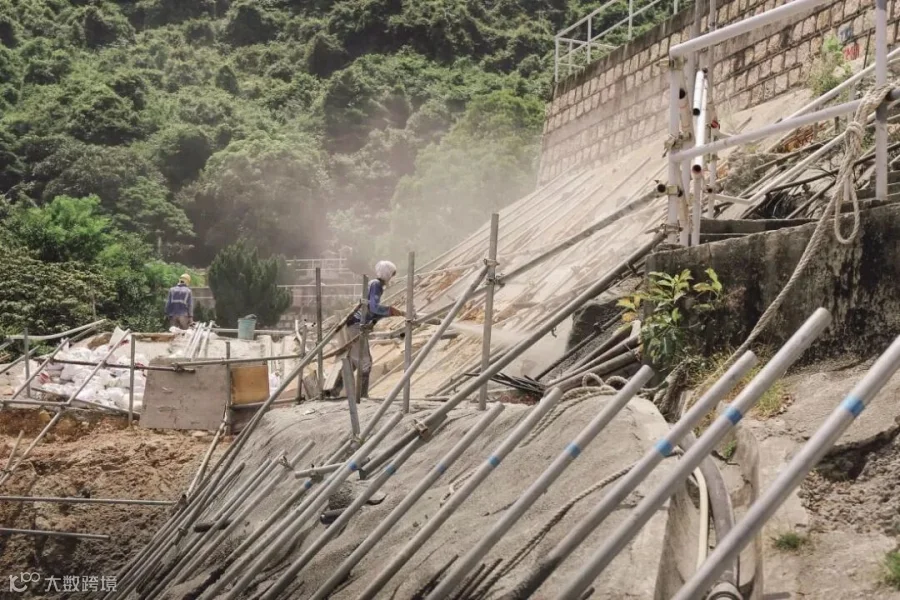
Plots in private cemeteries are too expensive for many people in Hong Kong, while cheaper temporary plots in public cemeteries need to be exhumed and reused for new bodies every six years.
对于大多数香港市民而言,私人墓地过于昂贵,然而价格低廉的临时公墓则需要每六年挖掘旧墓并更换新的尸骨。
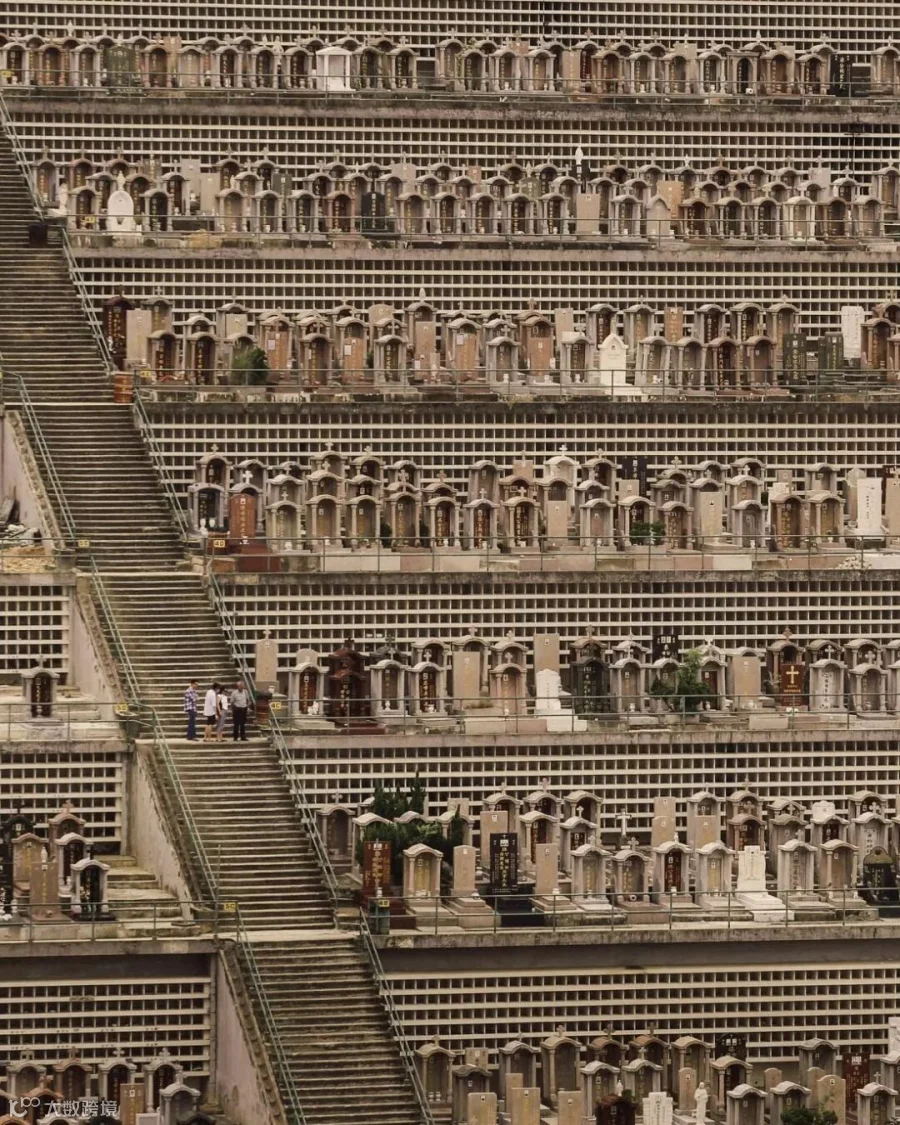
"I really wanted to show the monumentality (and) how it's almost like a landscape, beyond the scale of a building -- so juxtaposing the scale of the human against this enormous landscape," Fallon told CNN.
Fallon在接受CNN采访时说:“我很想展示它的纪念性,它如同一处景观,而不只是一座建筑(不仅在于它的规模)。所以面对这庞大的景观,我们要跳出人类思维的局限。”
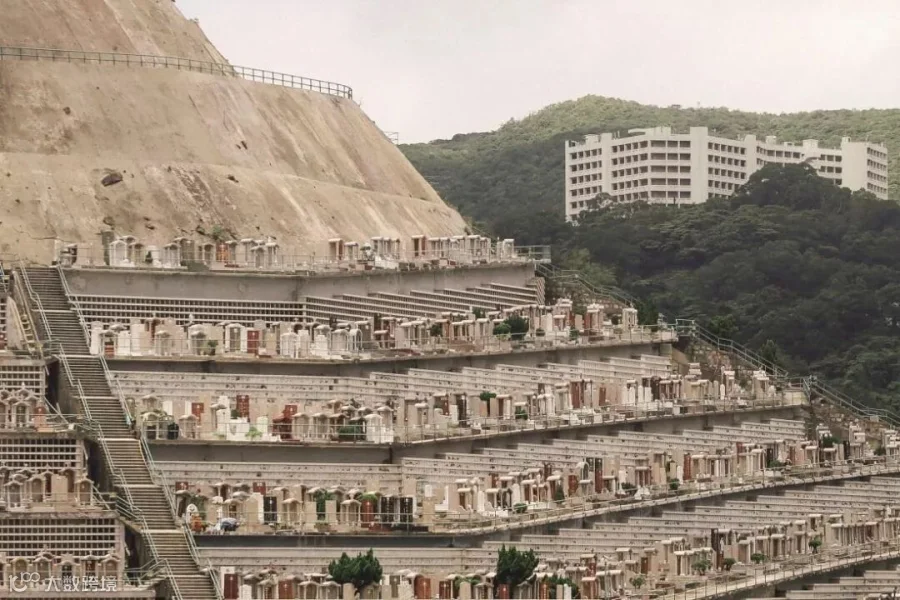
Fallon deliberately shot the photos on overcast days and used muted colors so the aesthetic "gels with the subject matter at hand."
Fallon刻意在阴天拍下这些照片,并且使用了柔和的颜色使这种美感和主题融合在一起。
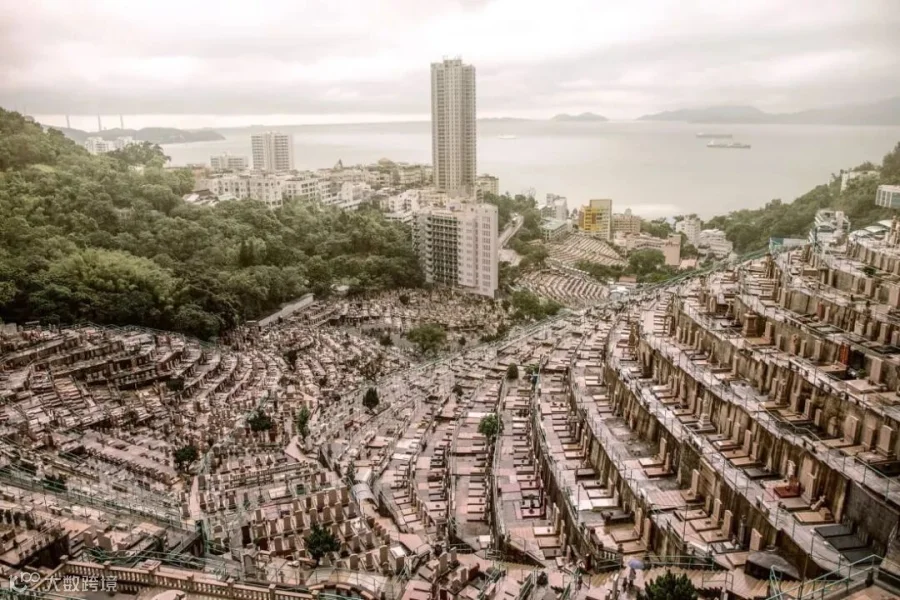
Fallon, who is also an architectural photographer, said he was interested by how Hong Kong's cemeteries are molded to the mountainous terrain.
身为建筑摄影师的Fallon表示他对香港的墓地如何与山势完美契合十分感兴趣。
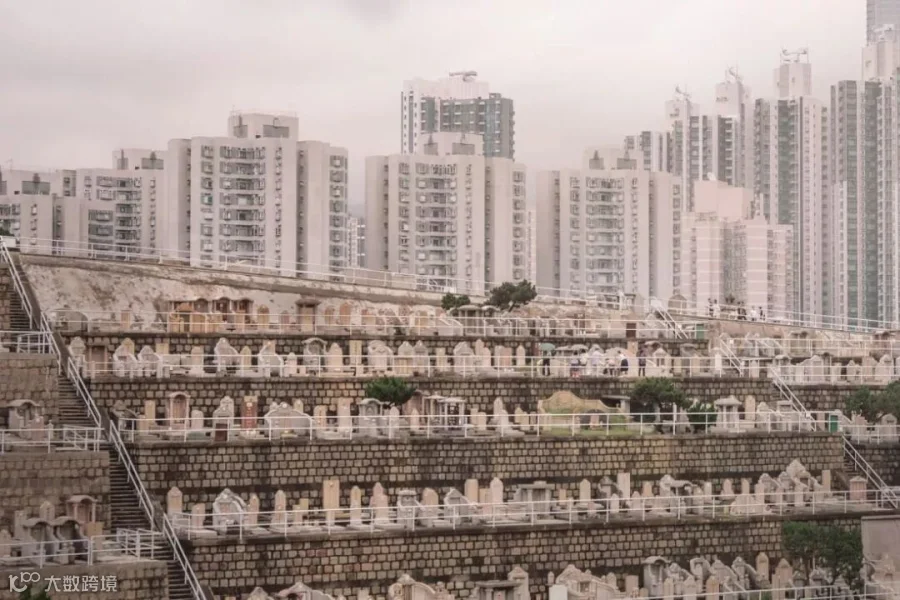
Fallon used a telephoto zoom lens to compress the foreground and background, helping to juxtapose the cemeteries and the surrounding skyscrapers.
Fallon用远摄变焦镜头压缩前后景观使墓地与周围的高楼并置。
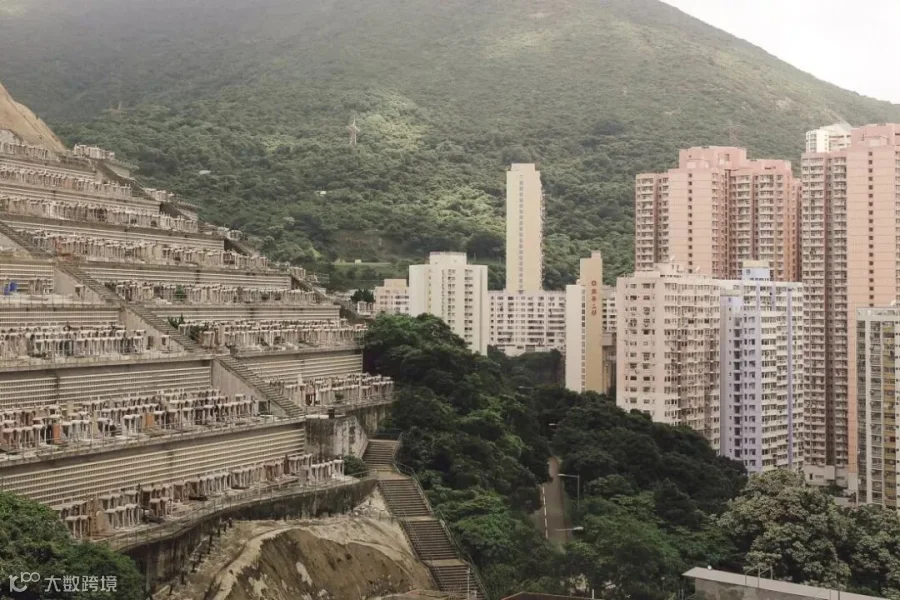
With the cemeteries located so close to residential buildings, Fallon said he wanted to "portray that relationship between the living and the dead."
Fallon说他想要“描绘生者与逝者的联系“,因为这些墓地紧邻住宅。
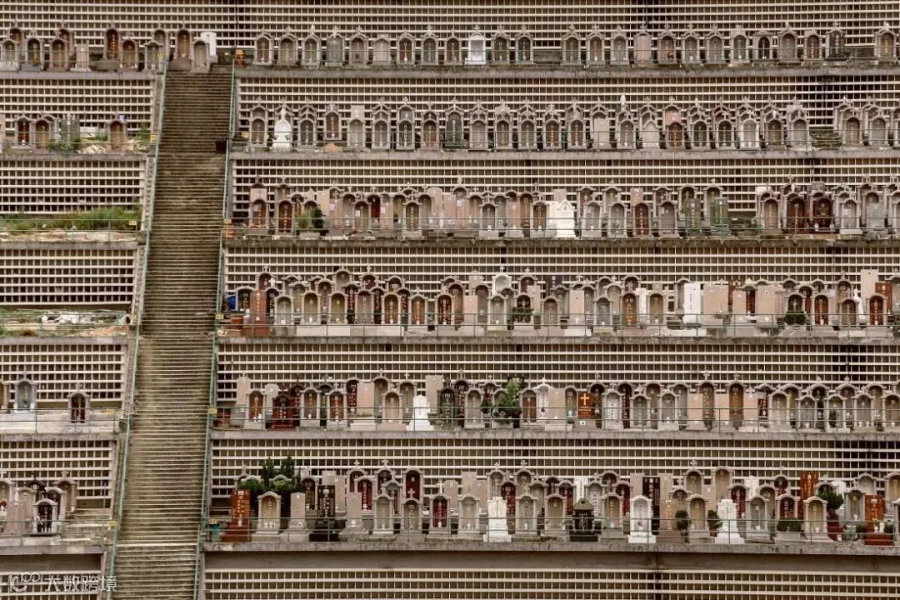
The cemeteries are so vast that visitors sometimes have to walk up many flights of stairs to reach their loved ones' plots.
墓园过于广阔,来访者有时需要走多段楼梯才能到达至亲至爱的墓碑前。
Endless rows of stone slabs line Hong Kong's hillsides. Just a few spots of green are visible amid a vast expanse of gray blocks engraved with Chinese characters.These slopes are home to thousands of Hong Kongers -- or their earthly remains, at least.
不可胜数的石板一行行地排列在香港的墓地山上,只有少数可见的绿植隐匿在一望无际的雕刻着汉字的灰色墓碑间。这座山坡是成千上万个香港人的家,或者说,至少是他们尘世的遗迹。
For his new photo series "Dead Space," photographer Finbarr Fallon visited nearly all of the city's cemeteries, capturing the sheer density of graves and the mountainous urban terrain surrounding them.
Some of his most striking photos show cemeteries in the foreground, their small rectangular gravestones lined up in neat ordered rows, while skyscrapers loom behind.
为了完成“死亡空间”系列,Fallon几乎造访了香港的所有墓地,拍摄了高密度的墓地及周围多山的城市地形。在这些令人震惊的照片中,有些将墓地作为前景,小矩形墓碑排成整齐的行列 ,而高楼在后方若隐若现。
"I was trying to portray that relationship between the living and the dead in one composition," said Fallon, who used a telephoto zoom lens to compress the foreground and background together to create a "flattened" effect.
“我试图在一幅作品中展现生者与逝者的联系”Fallon说。他用远摄变焦镜头压缩前后景观以创造一种“平面”视觉效果。
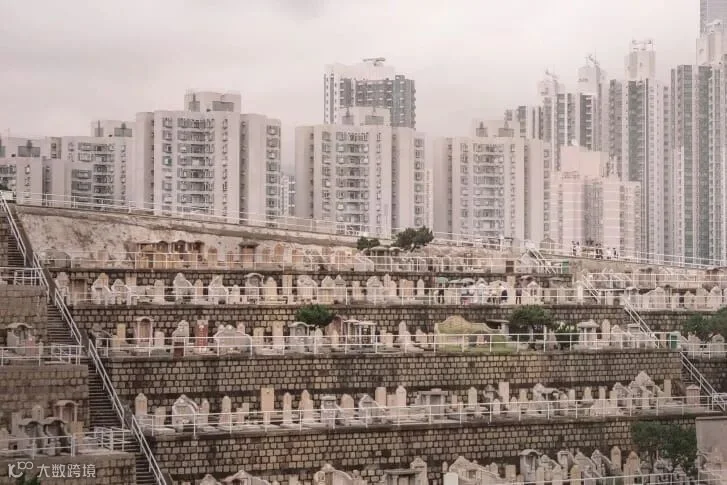
A photo of a cemetery in Hong Kong, taken by Finbarr Fallon in his series "Dead Space."
香港墓园,来自由Finbarr Fallon拍摄的“死亡空间”系列
He also used a drone to take aerial shots, helping to show the striking magnitude of the cemeteries. In some shots, visitors climbing the steep hillside stairs appear like tiny specks in a sea of gravestones.
"I really wanted to show the monumentality (and) how it's almost like a landscape, beyond the scale of a building -- so juxtaposing the scale of the human against this enormous landscape," Fallon said in a phone interview.
Fallon同时采用无人机航拍来展现墓园令人震撼的规模。在部分镜头中,沿着山坡上陡峭的阶梯向上的来访者看起来就像穿梭在墓碑海中的微尘。“我很想展示它的纪念性,它像一处景观,而不只是一座建筑(而不止是它的规模)。所以面对这庞大的景观,我们要跳出人类思维的局限。”Fallon在一次采访中说。
Fallon, who lives in Singapore, started work on the project after catching sight of a cemetery in Wan Chai district while on vacation in Hong Kong. Intrigued by how the limits of physical space can shape how we live and die, he made several more trips to the city over the next five years to photograph what he calls the city's "changing culture of death."
住在新加坡的Fallon在香港度假时无意间看到了湾仔地区的一处墓地,此后他便开始专注于这个项目。由于好奇物理空间的限制会如何影响我们的生养丧葬,在之后的五年中他又几次赴港拍照记录香港“死亡文化的变迁”。
Shortage of burial space
墓地空间匮乏
Home to 7.5 million people, Hong Kong is one of the world's least affordable cities, with sky-high prices for houses and land. This means that people may not only struggle to afford a home during their lives, but after them as well.
作为750万人口的居住地,香港有着极高的房价和地价,是世界上最负担不起的城市之一。这意味着,人们可能不仅在有生之年难以买得起住房,死后也将面临着同样的境地。
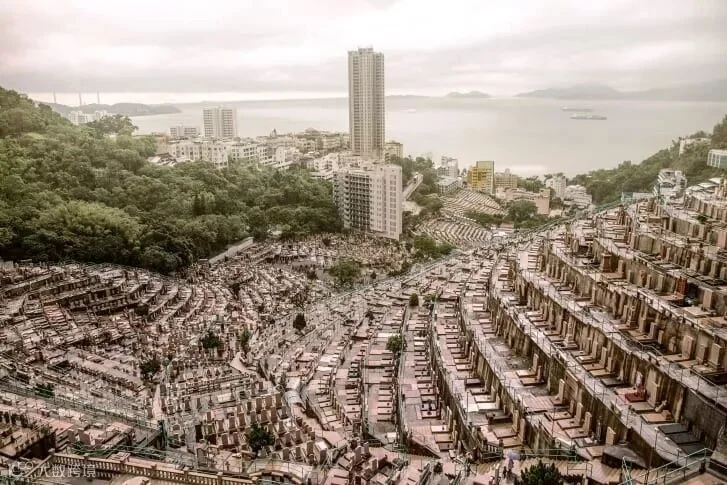
Cemeteries in Hong Kong and other Asian cities are running out of space.
香港和其他亚洲城市的墓地空间不足。
Private cemeteries in the city currently list permanent plots for as much as 280,000 Hong Kong dollars ($36,000), and Hong Kong University associate professor Amy Chow, who researches aging and death, says they can sell for almost four times that. Spots in public cemeteries can be cheaper, but practically all the permanent graves are already occupied, leaving only reusable plots that are subject to mandatory exhumation after just six years.
香港的私人墓地目前列出的永久土地价格高达280,000港元(合36,000美元),研究衰老和死亡的香港大学副教授Amy Chow表示,墓地市场售价可能会是其四倍左右。公共墓地中的位置可能价格更低,但实际上所有永久性墓地都已被占用,只留下了可重复使用的土地,即六年后须强制掘出。
The vast majority of Hong Kongers now choose to cremate their deceased loved ones instead. But even then, it can be a struggle to secure a place in a columbarium, with thousands of families on waiting lists for a space only big enough for one or two urns. People can wait up to seven years for an opening, Chow said.
绝大多数香港人现在选择火化他们亡故的亲人。即便如此,要想在骨灰龛场里找到一个位置也可能会很困难,因为成千上万的家庭都在等待一个只够安放一两个骨灰瓮的空间。Chow说,人们可能等上7年才能得到一个空位。
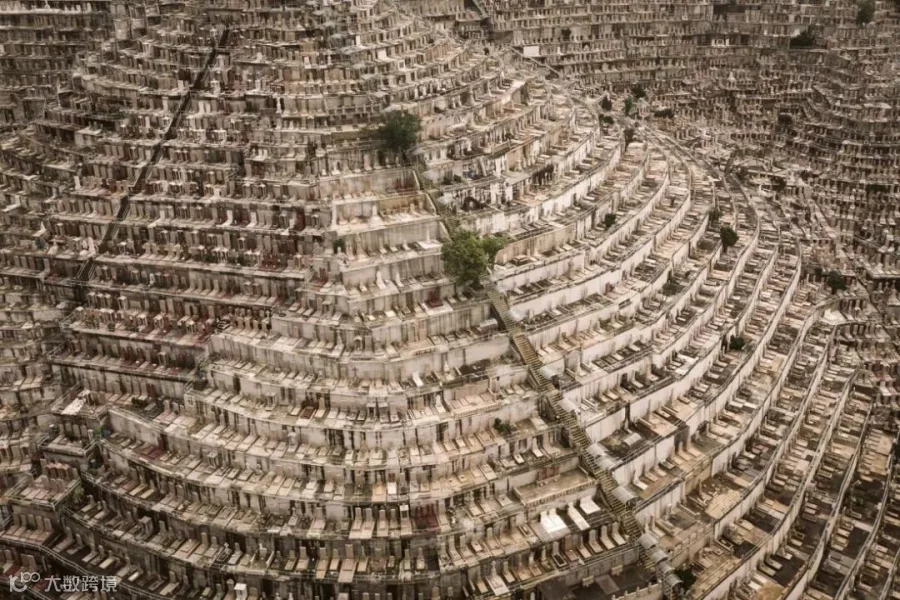
Fallon used telephoto zoom lens and drones to photograph cemeteries across Hong Kong.
Fallon用长焦变焦镜头和无人机拍摄了香港各地的公墓。
The mood and palette of Fallon's photos seem to reflect the unease surrounding death in Hong Kong. His photos are muted and hazy, almost melancholic, and deliberately shot on overcast days so that the overall aesthetic "gels with the subject matter at hand," as he put it.
Fallon照片的色调和氛围似乎反映出香港人对于死亡的不安情绪。他的照片柔和而朦胧,几乎有些忧郁。他故意在阴天拍摄,用他自己的话来说,这样整体的美感就“与主题融为一体”了。
"I think we're going to (see fewer) physical manifestations of death due to the space constraints of these increasingly urban spaces," said Fallon, pointing to new virtual cemeteries in Japan that allow people to pay respects to the dead online. "People have to move on from their traditions and practices and accept that the city is changing this way."
Fallon说:“由于日益增加的城市空间的限制,我认为我们将会(看到更少的)死亡的实体表现。”他指的是日本新型的可以让人们在网上祭奠死者的虚拟墓地。“人们必须从传统和惯例中走出来,接受城市的这种改变。”
Changing traditions and beliefs
日益改变的传统和信仰
The invention of virtual cemeteries and the growing preference for cremation reflect the changing culture around death in Asian metropolises like Hong Kong, Singapore and Tokyo. But diminishing space may pose a threat to traditional beliefs and customs like the Qingming festival, or Tomb-Sweeping Day, an annual Chinese holiday which sees people visiting and honoring their ancestors' graves.
虚拟墓地的发明,以及人们对火葬的日益偏好,反映了香港、新加坡和东京等亚洲大都市的死亡文化的改变。但是,空间的减少可能会对传统信仰和习俗造成威胁,比如中国一年一度用以祭祖的清明节。
"A lot of Asian cultures practice these rituals," said Fallon. "But looking toward the future, I think cities are going to have to embrace dramatic shifts in the way they deal with the dead."
These rituals can carry heavy significance in East Asian cultures, especially because of the widespread and highly-valued Confucian virtue of filial piety -- honoring and caring for your parents.
“许多亚洲文明都实行这种礼制,”Fallon说道,“然而展望未来,我认为城市中人只好接受他们与死者相处之道的巨大变化。”这些礼制在东亚文明中举足轻重,尤其是因为儒家普遍推崇的孝道——孝敬父母。
"Finding a permanent place for your ancestors is a way to show respect and filial piety," said Chow, suggesting that people may feel guilt and shame if they are unable to secure a graveyard or columbarium spot for deceased family members.
“为你的祖先找到一个永久的地方是一种表达尊重和孝心的方式,”Chow说道。她还说,如果人们没能够为已故的家人找到一个墓地或者骨灰龛,他们会感到内疚和羞耻。”
Another long-standing belief in Chinese culture is that the dead should be laid to rest on mountains facing the sea, for positive feng shui. With few such spots available, or affordable, some Hong Kongers are choosing to keep the ashes of their loved ones at home -- which goes against tradition.
在中国文明中还有一个长期存在的信仰是,为了好风水,死者应该被埋葬在面向大海的山上安息。由于这样的地方很少,或者即使有人们也负担不起,一些香港人选择把他们深爱的家人的骨灰保存在家里,这是与传统相悖的。
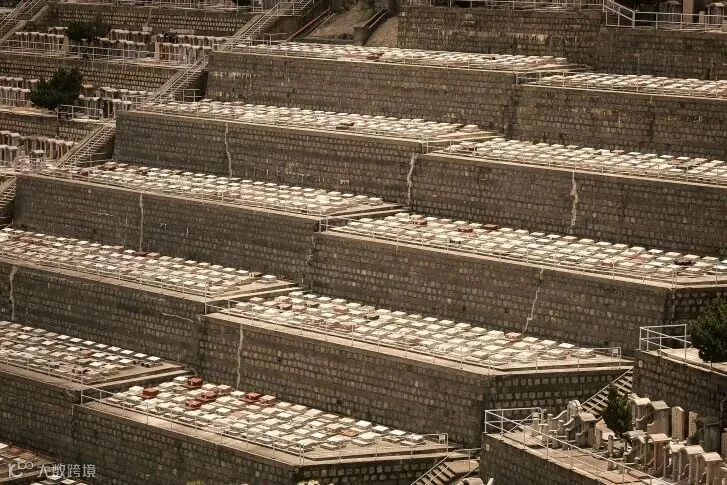
It's getting harder to afford a spot in Hong Kong's cemeteries and columbariums.
能够支付起香港墓地和骨灰龛的一个位置越来越难了。
Families who do so may find it more convenient, Chow said, as they can pay their respects whenever they like, instead of traveling to a cemetery. This is one way in which a lack of space is "changing the culture" around death, she added.
把骨灰盒保存在家里的家庭可能会发现这样做更加方便,Chow说,因为他们可以随时凭吊,而不用跋涉前往墓地。这是空间匮乏正在改变死亡文化的一个体现,她补充道。
"In the past, (people) wanted to live in a big house with a nice view," Chow said. "But we cannot -- (so) they'll think: at least they have a house (at all). This kind of attitude also molds their expectations for a place after death. If the living places are like this, they also give up some expectations for (their) place of death."
“在过去,人们想要住在视野好的大房子里,”Chow说道,“但我们做不到,所以他们会想,至少死后有一个房子。这种态度也塑造了他们对身后居所的期待。而如果生活环境是这样的,他们也会放弃一些对身后居所的期望。”
But while Fallon hopes to explore these cultural shifts through his work, the appeal of Hong Kong's graveyards was also aesthetic. As an architectural photographer, he said he was drawn to the cemeteries' "spatial typology."
然而尽管Fallon希望通过他的作品来探索这种文化改变,香港墓地对他来说还有美学上的吸引。作为一位建筑摄影师,他说他被墓地的“空间类型学”吸引了。
"The construction method ... contours the landscapes by creating these concrete tiers that are kind of monumental in scale," he said. "As an architectural form ... the existing terrain is expressed through these terraces, and to experience these terraces on a personal level is very interesting."
“这种构建方式是通过建造规模巨大的混凝土层来勾勒地貌,”他说,“作为一种建筑形式…现存的地貌是以阶地展现的,从个人的层面来体验这种阶地是非常有趣的。”

原文链接:https://edition.cnn.com/style/article/hong-kong-cemetery-intl-hnk-scli/index.html
编译:马林 马寒冰 薛妍
排版:薛妍
审核:刘佳