

全文2339字
建议阅读时间10分钟
当下,手机支付“扫一扫”、刷卡消费等无现金支付越来越普及,极大方便了我们的生活。但无现金支付背后的隐患和弊端也逐渐引起关注。在美国,无现金支付餐厅并没有受到所有年轻人的欢迎,甚至还可能会被禁止,这是为何呢?本期Quriosity带你一探究竟。
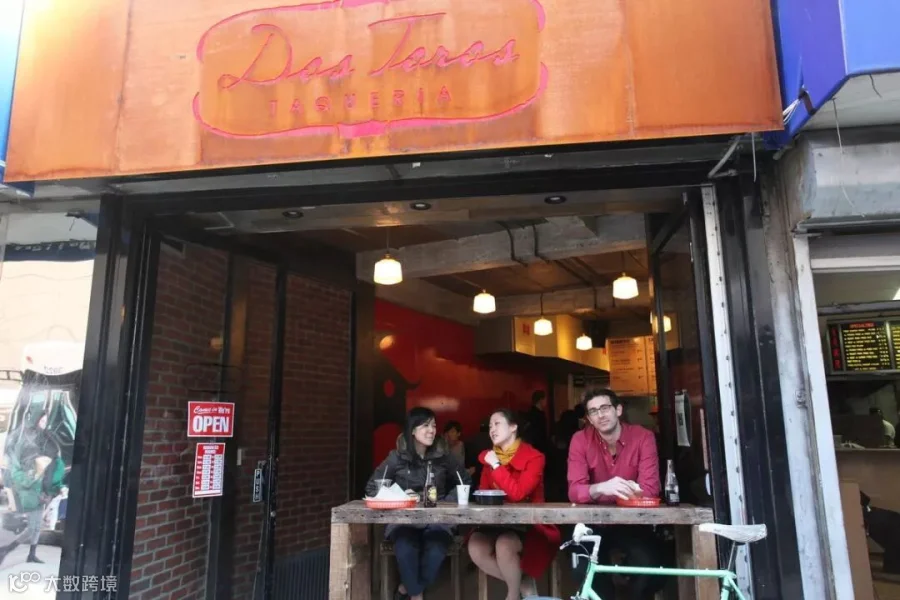
Even some millennials and hipsters hate cashless restaurants, which one City Councilman wants to ban. Dos Toros is among the food chains that won't accept cash.
美国一名市议员想对不支持现金支付的餐厅提出禁令。就连一些禧一代年轻人和时尚潮人们也表示不喜欢这种餐厅。在美国无现金支付的连锁餐饮业中,Dos Toros便是其中的一家。
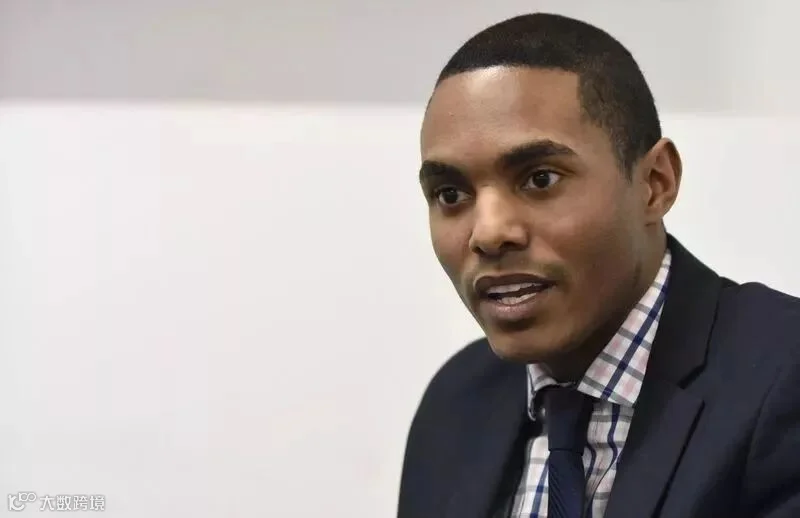
City Councilman Ritchie Torres, who introduced legislation late last month to ban retailers from refusing to accept greenbacks, has argued the practice not only shuts out tech-phobic seniors, but smacks of racism and classism.
上月底,纽约市议员Ritchie Torres提出了一项立法,禁止零售商拒绝接受现金支付。他认为,这种做法不仅会让技术恐惧的老年人望而却步,而且还带有一点种族主义和阶级歧视的味道。
A move to protect cash transactions at city retailers is getting some surprising support from the tech-savvy and millennials who grew up with credit and debt cards and swipe-to-pay phone apps.
虽然千禧一代的年轻人从小就接触到信用卡、借记卡以及“扫一扫”手机应用支付手段,但出乎意料的是,他们和一些技术达人同样支持保护零售商现金交易的举措。
“Once I gave them my credit card, they have all my info,” Sasha Agranov, 44, of Williamsburg, Brooklyn, told the Daily News. “Like my full name, all this stuff. Why do I have to go into a place and present a credit card just to get a five-dollar drink?”
美国加州布鲁克林区44岁的Sasha Agranov表示:“每次刷卡消费都意味着我的所有个人信息都可能会泄露,比如我的全名之类的。所以,我何必要刷卡购买一杯五美元的饮料呢?”
Cashless restaurants “personally doesn’t bother me,” Brad Cabral, a 28-year-old California transplant living in Brooklyn, told The News.“But I know people who don’t have bank accounts or credit cards, so I understand the issue.”
28岁的Brad Cabral是加州布鲁克林的一名移民,他认为无现金支付餐厅“对他个人而言并没造成什么困扰”。“但是,因为我认识一些没有银行账户或信用卡的人,所以能理解到无现金支付对他们造成的不便。”
Debit cardholder Paul Loman, 32, of Clinton Hill, agreed cashless retail wasn’t a problem for him either, but chided the City Council for taking on a “real small-time issue.”
克林顿山32岁的Paul Loman持有借记卡,他觉得无现金零售方式对自己并没有造成什么影响,因此指责市议员对此有些“小题大做”了。
“They call that First World problems. That’s really nonsense,” he said.
他还讲道:“把无现金支付视为第一世界问题,这也太胡扯了吧。”
【译注:“第一世界问题”指的是微不足道的挫折或琐碎的烦心事,和发展中国家所面临的严重问题形成鲜明对比。】
The rising number of spots that shun bills are mostly trendy chains that range from health food-focused Dig Inn to sweets shop Milk Bar.
拒绝现金支付的商店数目呈上升趋势,其中大多数是流行连锁店,包括保健食品连锁店Dig Inn还有糖果店Milk Bar。
Torres, who represents Bronx neighborhoods, charges their policies are unfair to the underbanked and those with no access to credit.
Torres是Bronx街区的代表,他指责这些政策对享受银行服务不足和没有能力贷款的人来说有失公平。
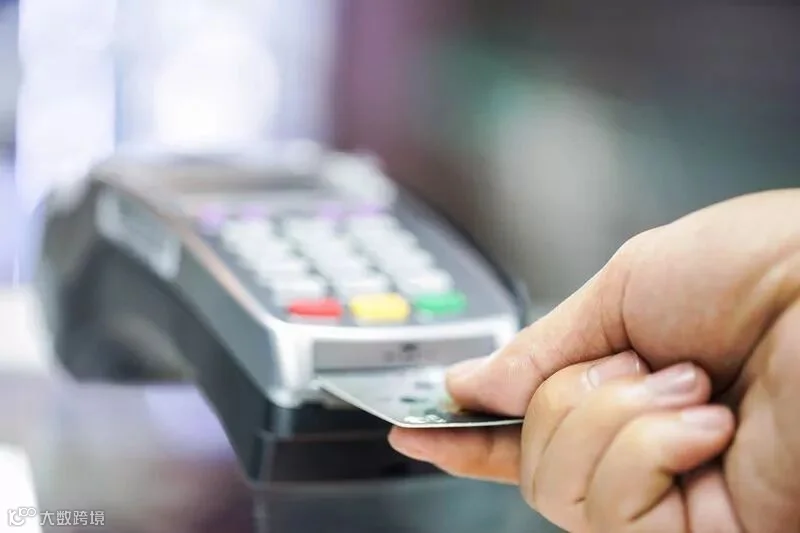
More and more eateries are only accepting credit and debit cards as payment.“It’s disproportionately communities of color, disproportionately low-income New Yorkers, the undocumented, the homeless, senior citizens, young people — those tend to be the populations that have the least access to credit,” he tells the Daily News.
面对越来越多的餐馆只接受信用卡和借记卡付款这一现状,他对DailyNews说:“在纽约,有色人种,低收入人群,还有一些无居住证者、流浪汉、老年人、年轻人等弱势群体,这些人很大比例难以获得信贷。”
“A cashless marketplace has a discriminatory effect on the most vulnerable members of our society,” he added. “And even if you do have access to credit, what if you insist on cash transactions because it’s more protective of your privacy, because it involves no sharing of private information?” That includes seniors, known targets of financial scams.
他还补充道:“无现金市场对社会中的最弱势群体来说是一种歧视。而且即使你有信贷能力,假如你出于保护隐私考虑而仍坚持现金交易,将会怎样呢?”其中包括老年人,他们是金融诈骗的主要目标。
“I’ve had seniors tell me that many of them prefer cash transactions because it’s second nature to them or because it’s more protective of their privacy,” Torres said. “New Yorkers want choice. We want options. We want to be confined to neither credit nor cash.”
“我的一些长辈告诉我,他们更倾向于现金交易,因为这已成为他们的老习惯,并且现金更能保护隐私。纽约客们需要选择的权利——我们希望能够自由地选择刷卡或现金交易,而不是只能选择其一。”
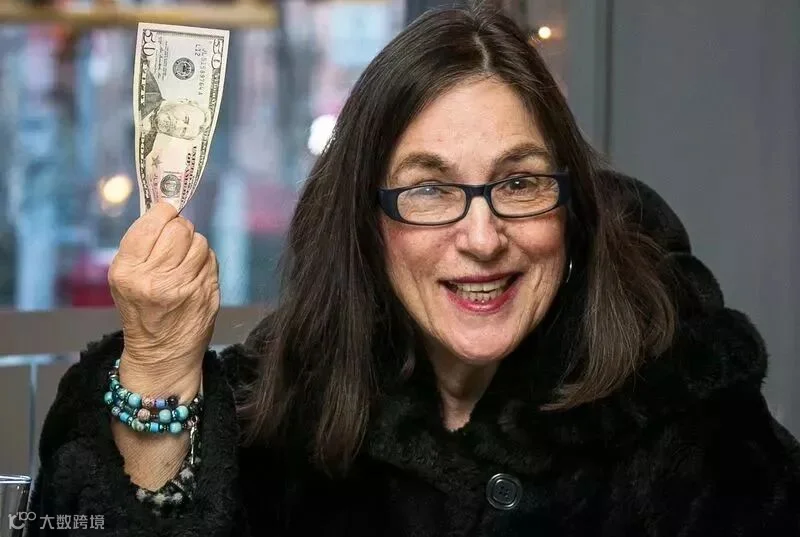
West Village resident Jo Bellomo, 75, uses her credit card for purchases over $100, but is more comfortable using cash for smaller buys.
75岁的纽约西村居民Jo Bellomo,在购买100美元以上的大件时选择刷卡付款,但在购买小件时,她觉得现金更方便。
Jo Bellomo prefers to pay in cash when she goes out and is angered by restaurants that do not accept cash. She's pictured inside Rossopomodoro, a restaurant that does accept cash, Friday in Manhattan.
她外出时喜欢用现金付账,对于一些拒收现金的餐馆,她表示不解和愤懑。这张照片于周五拍摄于曼哈顿接受现金的Rossopomodoro餐厅。
“I like to use cash because I don’t want to overspend,” she told The News. “If you have $100 and then you don’t have it, you’ll know what you’ve spent. It’s really important for the elderly to know what they’re spending.”
Jo Bellomo接受采访时说,“我喜欢用现金,因为我不想超支消费。如果你有100美元纸币,全部用完之后你马上知道自己花掉了多少。对老年人来说,知道自己花了多少相当重要。”

Security is also a concern.
安全问题依然令人担忧
“My friends, we’re all seniors, we all like to use cash,” Bellomo said. “I’m afraid, because I’m a senior, of ID fraud. You put your card out all over he place and you never know who’s getting your information. This is not in the city’s best interest. It’s too controlling.”
Bellomo说,“我朋友都是老年人,都喜欢用现金。作为老年人,我很担心身份信息遭受诈骗。不假思索的刷卡消费,你永远不知道谁会获取你的信息。拒绝现金支付并不符合这座城市的根本利益。过于强加于人了。”
According to a 2017 FDIC National Survey of Unbanked and Underbanked Households, 6.5 percent of U.S. households were “unbanked,” meaning that no one had a checking or savings account.
2017年美国联邦存款保险公司(FDIC)对全国无银行帐户家庭和非银行用户家庭的情况进行了调查。数据显示,6.5%的美国家庭处于“无银行服务”状态,即全家无人拥有支票或储蓄账户;
And an additional 18.7 percent of American households were “underbanked,” meaning the household had a checking or savings account but also depended on alternative financial services like money orders, check cashing, refund anticipation loans and more.
18.7%的美国家庭“银行服务不足”,即家庭拥有支票或储蓄账户,但也依赖邮政汇票、支票兑现、预期退税贷款等其他金融服务。
One in five households in 2017 had no mainstream credit.
2017年,五分之一的家庭没有主流信贷。
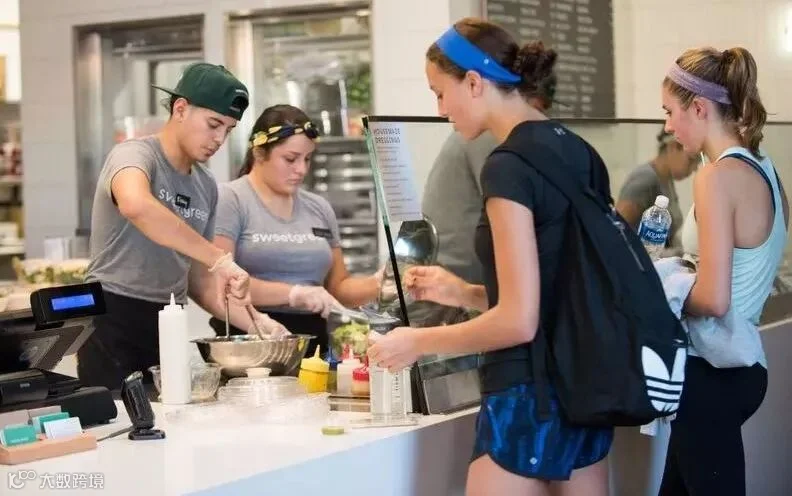
Sweetgreen salad chain is among the eateries shunning cash.
Sweetgreen沙拉连锁店是不收现金的餐馆之一。
Some card-only eateries are turning up their nose at the proposed legislation, including Sweetgreen salad chain, which tosses ingredients such as roasted sesame tofu and shredded kale.
包括Sweetgreen沙拉连锁店在内的一些餐馆仅限刷卡消费,它们对此项立法提案嗤之以鼻。Sweetgreen沙拉连锁店出售烤芝麻豆腐和甘蓝丝等产品。
“Sweetgreen made the decision to go cashless in all of its locations in 2017, except those in Massachusetts, after a year-long process of testing and careful consideration,” the company said in a statement.
该公司在声明中表示,“经过一年的测试和慎重考虑,2017年Sweetgreen决定在除马萨诸塞州以外的所有门店实行无现金支付。”
In general, cashless businesses defended the practice as helping to cut customers’ time waiting on lines, and deter robberies.
一般来说,拒绝现金消费的企业说这样做有利于减少顾客排队时间,还能预防现金抢劫事件。
编译人员 | 李昕瑞 杨二一 苏娟
图文排版 | 李昕瑞
指导老师 | 刘佳老师
文章来源 | New York Daily News
图片来源 | NY Daily News、bing