
全文共 2972字,阅读需 9 分钟

我们通常会更关注“显性饥饿”,即通过食用一些主食来达到充饥、填饱肚子的目的,而忽略“隐性饥饿”。“隐性饥饿”指的是由于营养不平衡或者缺乏某种维生素及人体必需的矿物质,从而产生隐蔽性营养需求的饥饿症状。目前,全世界有20亿人遭受着“隐性饥饿”,为了克服这一问题,在强化食品的基础上,研究人员又发明了一种含微量营养素的微粒,那么,仅仅是这样一个微粒,真的能够克服“隐性饥饿”吗?下面这篇报道为我们给出了答案。
Staple foods and seasonings like flour and salt could be made more nutritious with a new technology that borrows from the pharmac-eutical industry, according to a study published Wednesday in the journal Science Translational Medicine.
周三发表在《科学转化医学》(Science Translational Medicine)杂志上的一项研究称,一种借鉴了制药工业的新技术,可以让面粉之类的主食和盐等调味品更有营养。
Two billion people worldwide suffer from so-called "hidden hunger" — they may eat enough calories to keep hunger at bay but don't get nearly enough micronutrients like iron, calcium and Vitamins A and B.
全世界有20亿人遭受着所谓的“隐性饥饿”——他们可能摄入了足够的卡路里来抑制饥饿,但却缺乏足够的微量营养素,如铁、钙、维生素A以及维生素B。
Hidden hunger is often the result of a diet that relies too much on staple carbohydrates like corn, rice and cassava that are low-cost and filling but not very nutritious and not enough on nutrient-packed fruits, vegetables and animal products.
“隐性饥饿”通常是因为饮食上过度依赖玉米、大米和木薯等此类价格低廉,容易产生饱腹感但营养价值不高的碳水化合物,而对富含营养的水果、蔬菜和畜产品摄入不足。
Especially for children and pregnant women, hidden hunger can have severe, long-lasting health effects, including birth defects, decreas-ed brain function, a compromised immune system and chronic fatigue. But in many low- and middle-income countries, high-nutrient foods — not to mention workarounds like vitamin supplement pills — are often scarce and expensive.
尤其是对儿童和孕妇来说,隐性饥饿会对他们的健康产生深远持久的影响,包括先天缺陷、大脑功能下降、免疫系统受损和慢性疲劳等。但是在许多中低收入国家,营养价值高的食物往往很稀缺且价格昂贵,更不用说像维生素片之类的营养保健药品了。
For decades, public health officials and researchers in the U.S. and around the world have rolled out a variety of special "fortified" foods meant to sneak micronutrients into basic staples almost everyone can afford: for example, iodized salt, wheat flour supplemented with iron or folic acid and oil supplemented with Vitamin A.
几十年来,美国与世界各地的政府卫生官员和研究人员推出了各种各样的特殊的“强化”食品,目的是将微量营养素添加到每个人都能负担得起的基本主食中:例如,在碘盐和小麦面粉中补充铁和叶酸,在食用油里添加维生素A等。
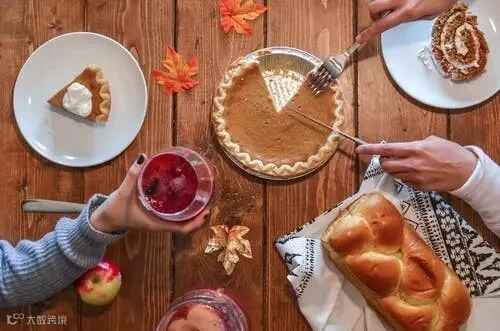
Today, fortified foods are everywhere: 137 countries legally require at least one food type to be fortified, according to the Global Fortification Data Exchange.
如今,强化食品无处不在:根据全球营养强化数据交换组织(Global Fortification Data Exchange)的数据,有137个国家的法律规定至少强化一种食物。
But fortified foods aren't always a perfect solution to hidden hunger. Iron-fortified foods sometimes have strange coloration and a metallic taste, which can turn consumers away. Some fortified foods don't carry enough nutrients to make a health difference, especially for infants. And just because a food is fortified doesn't mean the nutrients it carries will actually be absorbed by a person who eats it: Depending on how the food is stored and cooked, some nutrients may break down before they're consumed.
但强化食品并不总是解决隐性饥饿问题的完美方案。铁强化食品有时会有奇怪的颜色和金属的味道,这可能会让消费者望而却步。一些强化食品并不能提供足够的营养来改善健康,尤其是对婴儿而言。事实上,一种食物被强化并不意味着它所含有的营养物质会被食用者完全吸收:这取决于食物是如何储存和烹饪的,一些营养物质可能在食用之前就分解了。
"A lot of times, people will fortify things and not check that it's actually working," says Richard Deckelbaum, director of the Institute of Human Nutrition at Columbia University, who was not involved in the new study.
哥伦比亚大学人类营养研究所所长Richard Deckelbaum并没有参与这项新研究,他表示:“很多时候,人们会强化某些东西,却不会检查它是否真的有效。”
The study , published by a group of medical researchers at the Massachusetts Institute of Technology and other institutions offers a possible solution: Cram the nutrients into tiny packets that can withstand cooking but dissolve easily in the digestive system.
麻省理工学院和其他机构的一组医学研究人员发表了一篇研究报告,该报告提供了一种可行的解决方案:把营养物质塞进极小的载体里,这种载体耐烹煮,且易溶于消化系统。
The packets are made from the same kind of consumable plastic as the coating on pills, but they're "smaller than a grain of sand," says Ana Jaklenec, a researcher at MIT's Koch Institute for Integrative Cancer Research, who helped author the study.
这些载体是用与药片涂层相同的易耗塑料制成的,但它们“比沙粒还小”,Ana Jaklenec说。他是麻省理工学院科赫综合癌症研究所的一位研究人员。
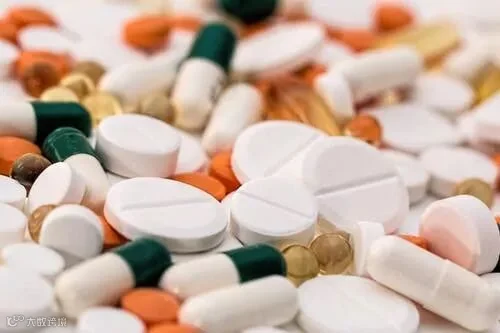
Jaklenec says the packets — the researchers call them "microparticles" — could be added into flour, salt, dehydrated soup stock cubes or any mass-produced, granular food as it's being processed in a factory. Each might contain up to four different kinds of nutrients, from a menu of 11 the resear-chers experimented with, including iron, zinc, iodine and vitamins A, B12, C and D. The specific recipe, if the technology were to be rolled out widely, could vary between locations based on local tastes (which kinds of flour are most popular, for example), demographics (childrens' nutrient requirements are different from adults) and public health deficiencies.
Jaklenec说,这些被研究人员称为“微粒”的载体可以在工厂加工过程中添加到面粉、盐、脱水汤料块或任何大规模生产的颗粒状食品中。在研究人员试验的11种菜单中,每种都可能包含多达四种不同的营养素,包括铁,锌,碘和维生素A,B12,C和D。如果这项技术要广泛推广,具体的配方可能会根据不同地区的口味(比如哪种面粉最受欢迎)、人口结构(儿童的营养需求与成人不同)和公共健康薄弱环节而变化。
Unlike pills, which are manufactured on mechanical assembly lines, the microparticles are made with chemistry: The nutrients and the plastic wrapper bond to each other in a bath of water and oil, forming unified particles that can be pulled out with a centrifuge.
与在机械装配线上生产的药丸不同,这些微粒是用化学方法制成的:营养物质和塑料包装在水油溶池中相互结合形成复合微粒,之后可以用离心机将复合微粒分离出来。
In a lab, the researchers packed some of the microparticles with vitamin A and fed them to rats. The vitamin A was dyed, so it could be distingui-shed from natural vitamin A in blood samples. The test showed success in boosting the rats' vitamin A concentration.
Later, they fed meals of whole-grain porridge with vegetable sauce, made including iron-packed micr-oparticles, to a group of around two dozen people.
在实验室里,研究人员挑选了一些含有维生素A的微粒喂给老鼠。维生素A经过染色处理,能够通过血液样本与天然维生素A进行区分。实验结果显示,这些微粒成功地提高了老鼠体内维生素A的含量。后来,他们为大约二十四个人提供了含铁微粒的蔬菜汁全麦粥。
An initial test showed a lower-than-expected iron uptake rate, so the researchers recalibrated the recipe with a thinner wrapper. On the second try, 89% of the iron was absorbed — beating out the control trial with traditionally-made iron-fortified food (80%).
"So this indicated that the release of the iron was occurring at the right time in the right place for it to be absorbed through the biological process," Jaklenec.
最初的测试结果表明,铁元素的摄入率比预计的要低,因此研究人员使用更薄的包装对配方进行了重新调整。在第二次实验中,铁元素的摄入率为89%,高于传统铁强化食品对照组的80%。Jaklence表示“这表明了铁元素的释放是发生在正确的时间和地点上,这样才能通过生物过程被吸收掉。”
This isn't the first time scientists have tried to develop better ways to fortify foods. Back in 2007, researchers in Canada de-eloped micronutrientpa-cked "sprinkles" that could be put on top of any food. In a trial among young children in Haiti by the International Food Policy Research Institute, the sprinkles proved effective at reducing anemia. They're now widely available but have to be purchased (rather than coming premixed into foods, like the microparticles could be) and aren't designed to withstand cooking.
这并不是科学家第一次尝试改进强化食品的方法。2007年,加拿大的研究人员发明了一种含微量营养素的糖屑,可以洒在任何食物的上面。国际粮食政策研究所在海地儿童中进行的一项研究表明,这种糖屑能有效减少贫血症的发病率。它们现在随处可见但必须要购买,(不像微粒那样预先混在食物中),同时它们本身的设计就不耐烹煮。
"The heat stability is an interesting concept," says Purnima Menon, the IFPRI researcher who studied the sprinkles. Another major consideration, Menon says, will be cost: Right now, there's no way to know how much the microparticles might cost to produce at scale or how much they might increase the price of, say, a kilo of cassava flour. Roland Kupka, a senior nutrition adviser at UNICEF, says one of the benefits of traditional food fortification techniques is that they're very cheap: On average, fortified foods cost just 5-10 cents more per person per year.
IFPRI研究糖屑的研究员Purnima Menon表示:“热稳定性是一个有趣的概念”,同时他说道,另外一个主要考虑因素是成本:现在我们没法知道大规模生产微粒的成本是多少,也不知道木薯粉的价格会因此上涨多少。联合国儿童基金会的高级营养顾问Roland Kupka说,传统食品强化技术的优势之一是非常便宜:强化食品的花费平均每年花费仅仅多5到10美分。
Improved fortification methods aren't the only way to fight hidden hunger, Kupka adds. Other priorities include market incentives to make nutrient-rich vegetables and animal products more available and less expensive, and better government enforcement of rules about mandatory fortification.
Kupka补充道,强化并不是对抗隐性饥饿的唯一方法。其他优先事项包括市场激励机制,让富含营养的蔬菜和畜产品更易获取得,同时变得更便宜,以及更好地执行有关强制性强化的规定。
"Let's not forget when it comes to food fortification we have technologies that are not very fancy and that are very effective when done well," he says. "They can have huge public health benefits. So the challenges are not always related to technology. What we really need is political will."
他还说道“我们不要忘记,在食物强化方面,我们的技术并不先进,但只要做好了就会非常有效,会带来巨大的公共健康效益。因此,挑战并不仅仅在技术层面。我们真正需要的是政治意愿。”
“隐性饥饿”问题引起越来越广泛的关注,表明政府、企业、社会、消费者等多方主体正在形成合力,加快构建健康饮食公共服务体系,推动形成健康饮食消费与服务良性循环。只有既战胜了显性饥饿,也战胜了隐性饥饿,我们才能实现今年世界粮食日主题提出的目标——行动造就未来,健康饮食实现零饥饿。

新闻来源:
https://www.npr.org/sections/goatsandsoda/2019/11/15/779680412/could-hidden-hunger-be-conquered-with-a-particle-the-size-of-a-grain-of-salt?from=groupmessage
图片来源:
https://www.pexels.com/
编译 | 马林 莫迪健 覃安琪
排版 | 覃安琪