


本文约3340字,阅读需10分钟
在日常生活中,我们周围都有穿牛仔裤的朋友存在。无论是大人还是小孩,都有牛仔裤的受众。但是你知道在生产牛仔裤的过程中会产生大量的污染吗?
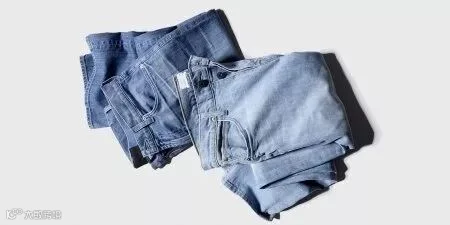
The biggest fashion trend in recent years is "fast fashion"—the mass production of trendy, inexpensive clothing with lightning-quick turnaround. This is a hugely wasteful global, environmental and human rights disaster, according to bestselling journalist Dana Thomas in her new book Fashionopolis.
近年来最强劲的时尚潮流就是“快时尚”,即大规模地生产流行、廉价的服装来迅速迎合时尚潮流。这是对环境的破坏,对资源的浪费和对人权的侵害。畅销书记者Dana Thomas在她的新书Fashionopolis中这样说。
Dana Thomas investigated the damage to our planet and the world's labor force by "fast fashion". Let's see what she says in this book.
Dana Thomas调查了“快时尚”对地球和世界劳动力造成的破坏。让我们看看她在这本书里说了些什么。
"I was horrified by the Rana Plaza factory collapse in 2013, and could see that the supply chain—not only for apparel, but for most everything—in our globalized world today is horribly destructive to both Mother Nature and humankind."
“我对2013年Rana制造厂的倒塌事故感到震惊,我可以看到,在如今全球化的世界里,不仅仅是服装的供应链,几乎所有东西的供应链对大自然母亲和人类都具有可怕的破坏性。”
Making the industry's 80 billion garments per year requires huge amounts of water and toxic chemicals. It employs every sixth person on Earth—most in dangerous conditions for very little money. Fast fashion also produces mountains of clothes that go unsold or are discarded and end up in garbage dumps and landfills.
“快时尚”行业每年生产800亿件服装,这需要大量的水和有毒化学物质。它雇用了地球上六分之一的人——其中大多数人都是为了一份微薄的薪水在危险的环境下工作。“快时尚”也产生了大量卖不出去或被丢弃的衣服,这些衣服最后只能被扔进垃圾填埋场。
Perhaps the worst offenders in terms of environmental and human damage are blue jeans. Denim remained a niche textile until the early 1870s, when a tailor named Jacob Davis asked his fabric supplier, Levi Strauss, for help mass-producing his most recent design: workpants with metal rivets at key stress points. Today, Levi Strauss & Co. still design and sell the majority of jeans. It is one of the most successful apparel brands, ever.
也许对环境和人类造成最大危害的就是牛仔裤了。在过去,牛仔布一直是一种利基纺织品,直到19世纪70年代初一位名叫Jacob Davis的裁缝请求他的面料供应商Levi Strauss大规模生产他最近设计的衣服:一种以金属铆钉为主要元素的工作裤。今天,Levi Strauss & Co.仍然在设计、销售大部分牛仔裤。它也是有史以来最成功的服装品牌之一。
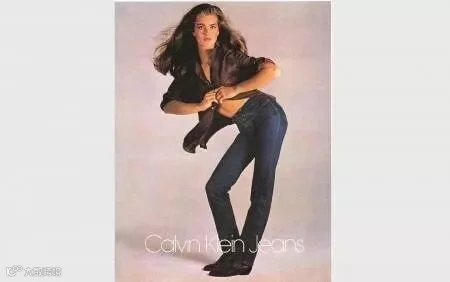
With the women's liberation movement and the popularity of more casual dress, New York's fashion designers dreamed up a new fashion category: designer jeans. "Jeans are sex," Calvin Klein said. "The tighter they are, the better they sell."
随着妇女解放运动的发展和休闲服装的,纽约的时装设计师们想出了一个新的时尚范畴:名牌牛仔裤。“牛仔裤很性感,”Calvin Klein说,“ 牛仔裤越紧,销售量就越好。”
To hammer home his point, in 1980, Klein cast 15-year-old actress-model Brooke Shields for his jeans commercial. "You want to know what comes between me and my Calvins?" she purred in her childlike voice, as she sat spread-eagle in a pair of his jeans and a taupe blouse. "Nothing." The ad was so provocative, the New York affiliates of ABC and CBS promptly banned it. But it had already worked its spell: Klein sold 400,000 pairs the week following the ad's debut, then two million a month after that. Jean sales rocketed to record heights: more than half a billion were purchased in 1981 alone.
为了印证他的观点,Klein 在1980年邀请了15岁的女模特Brooke Shields在他的牛仔裤广告中出演。“想知道我在我的牛仔裤里面穿了什么吗?”她穿着Klein设计的牛仔裤和一件灰褐色的衬衫双腿张开坐下,用稚嫩的声音说:“什么都没有。”由于这则广告太让人血脉贲张,ABC和CBS在纽约的分支机构立即禁播了它。但它已经成功了达到了想要的效果:在这则广告发布后的一周,Klein卖出了40万条牛仔裤,在之后的一个月内又卖出了200万条。牛仔裤的销售额猛增到创下纪录:仅在1981年一年内牛仔裤的销量就超过了5亿条。
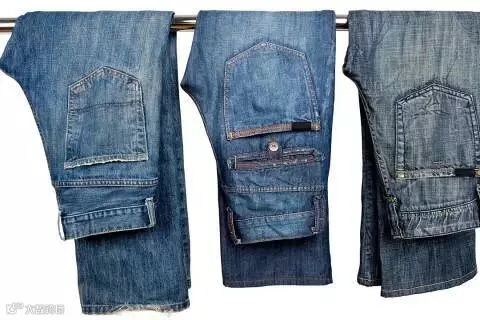
You are probably wearing jeans as you read this. If you're not, chances are you wore them yesterday. Or you will tomorrow. At any given moment, anthropologists believe, half the world's population is sporting jeans. Five billion pairs are produced annually. The average American owns seven—one for each day of the week—and buys four new pairs every year. "I wish I had invented blue jeans," the French couturier Yves Saint Laurent confessed. "They have expression, modesty, sex appeal, simplicity—all I hope for my clothes."
当你在读这篇文章的时候,可能正穿着牛仔裤。如果没有,那你昨天可能穿了,或是你明天会穿。人类学家认为,世界上每一分钟都有一半的人口正穿着牛仔裤。牛仔裤每年的生产量是50亿条。平均每个美国人拥有七条牛仔裤,可以一天换一条,每年还要购买四条新的。“我希望我是蓝色牛仔裤的发明者,”法国时装设计师Yves Saint Laurent说道,“它们有表情,它们质朴、性感、简单,满足了我对衣服的所有期望。”
牛仔裤是如何加工制作的?
Traditionally, finishing a pair of jeans requires an average of 18 gallons of water, 1.5 kilowatts of energy and 5 ounces of chemicals. In total, that equals an astonishing 92 million gallons of water, 7.5 billion kilowatts of energy (enough to power the city of Munich for a year) and 750,000 tons of chemicals each year.
一般来说,制作一条牛仔裤平均需要18加仑的水,1.5千瓦的电和5盎司的化学产品。总的来看,制作牛仔裤每年需要消耗9200万加仑的水,75亿千瓦的能源(足以为慕尼黑市提供一年的电力)和75万吨的化学产品,这是个惊人的数字。
Until the 1970s, a good many jeans sold had been made of stiff, shrink-to-fit—or "unsanforized"—denim. To soften them, you simply had to wear them. It took a good six months to properly break in jeans. After a couple of years—years—the hems and pocket edges might start to fray, or a knee would split open. The fabric faded to a powdery blue with some whiskering—the sunburst-like streaks that radiate from the fly. Time and dedication were required to push your jeans to peak fabulousness.
直到20世纪70年代,市面上还有的很多牛仔裤都是用坚硬、紧身的或“未经打磨”的粗斜纹棉布制成的,只有反复穿着才可以软化它们。你需要花费六个月的时间才能把牛仔裤穿到一个较为合适的状态。穿了很多年之后,牛仔裤的褶边和口袋边缘才会开始磨损,膝盖的位置会裂开。布料会褪色成浅灰蓝色,留下褶痕,门襟部位呈现出太阳光线般的放射状。你需要时间和全身心的投入才能得到一条完美到极致的牛仔裤。
That is, until the popularization of stonewashing in the 1980s. Unsanforized jeans were thrown into industrial washers with pumice stones and tumbled until the denim was sufficiently abraded. (The L.A.-based casualwear company Guess famously had a system that stonewashed jeans for seven hours—a marathon now considered an environmental horror.) Sometimes jeans were further distressed with acid, sandpaper, rasps and files to mimic the previously hard-won wear and tear. The entire operation was christened "finishing" and conducted in "washhouses," sprawling facilities that now process thousands of jeans a day.
直到20世纪80年代,石磨技术得到普及,未经打磨的牛仔裤被扔进带有浮石的工业洗衣机里,不断翻滚,直到牛仔裤完全被磨损为止。(位于美国洛杉矶总部的休闲服装公司Guess有一个著名的7小时牛仔裤水洗系统,其过程宛如一场漫长的马拉松比赛,在今天看来这是一件对环境造成严重破坏的恐怖事情。)有时,牛仔裤还会被酸、砂纸和锉刀弄得更旧,以模仿来之不易的磨损样子。整个过程被命名为“精整加工”,在“洗衣房”里进行。而这样的“洗衣房”占地面积非常大,如今每天要加工数千条牛仔裤。
风行世界的蓝色牛仔裤背后的"生产黑幕"却鲜为人知
Barring basics such as underwear and socks, blue jeans are the most popular garment ever. They are what many of the Rana Plaza workers in Bangladesh were sewing or inspecting when the building came crashing down on April 23, 2013, killing 1,134 and injuring 2,500 workers, making it the deadliest garment factory accident in modern history. Jeans were the backbone of American textile and garment manufacturing, until Levi's offshored those jobs. They are also hyper-polluting—in their creation, and in their afterlife.
除了内衣和袜子等基本服装外,蓝色牛仔裤是有史以来最受欢迎的服装。2013 年 4 月 23 日,当孟加拉国的拉纳广场工厂(Rana Plaza)倒塌时,许多工人正在缝制或检查牛仔裤。这场事故导致1134 名工人死亡,2500 名工人受伤,这是现代历史上死亡人数最多的服装厂事故。在Levi's将这些工作转移到国外前,牛仔裤一直都是美国纺织业和服装制造业的支柱。无论是牛仔裤的生产过程还是之后的使用都带来了严重的污染。
On the industrial outskirts of Ho Chi Minh, at a run-down, warehouse-like plant behind an unassailable gate, about 200 young Vietnamese labored. Some of the machines were older types that require five gallons of water to wash one kilogram—three pairs—of jeans. Others were less piggy, using only a bit more than one gallon of water per kilo of jeans. Manufacturers "know how wasteful this is," the guide told Dana Thomas.
胡志明市的工业郊区内,在一座坚如磐石的大门后面,有一个像仓库一样破败的工厂,大约200名越南年轻人在那里劳动。有一些机器是老式的,需要五加仑的水来洗一公斤,也就是三条牛仔裤。其他机器则没有这么落后,只用一加仑多一点的水就可以洗一公斤牛仔裤。制造商"知道这有多浪费",导游告诉Dana Thomas。
"Their business is about washing, not about worrying about the planet," a jeans expert told Dana Thomas.
一位牛仔裤专家也这样告诉Dana Thomas:“他们的工作是洗衣服,而不是担心地球。”
如何解决?
There is no single solution for these problems of ecological damage, exploitation and waste, but there is hope for the future. Consumers, retailers and innovators are pursuing a variety of options for sustainability, such as buying secondhand clothes; renting outfits; recycling clothes into new, reusable fibers; 3D printing clothes on demand; biofabrication; reshoring; and using organic and natural fibers. And just buying less.
目前,这样破坏生态、过度开发和浪费资源的问题还没有有效的解决办法,但未来是有希望的。消费者、零售商和创新者正在寻找各种解决方法来维持可持续发展,例如主张购买二手衣服;租用服装;把衣服回收成新的、可重复使用的纤维;根据需要3D打印服装;生物制造;衣物回流;使用有机纤维或天然纤维制衣;或者仅仅是减少购买衣服。
Dana Thomas also said, " Buy organic whenever possible. Don't buy something you can't see yourself wearing for a good, long while—the three-wearings-and-you're-over-it has gotta stop. If you grow out of it, or grow tired of it, resell or donate; don't throw clothes in the trash. And consider rental—especially for special occasions."
Dana Thomas也说:"尽可能地购买对环境污染小的衣服。不要买一些你不会穿很久的衣服,这种穿几次便扔的消费应当停止。如果你穿不上它了,或厌倦它了,可以选择转售或捐赠;不要把衣服扔进垃圾桶。你还可以考虑租赁,尤其是一些在特殊场合所需的衣服。
There is hope to be found in new and traditional methods of production and cutting-edge sustainable technologies, but only if we change the current practices. "Something has to change, and I thought that writing this call to arms might help consumers see that and say, 'Enough is enough.'"
只有改变目前的做法,才能在新老生产方法和尖端可持续技术中找到希望。"有些事情必须改变,我认为在书中写下这些呼吁可能会帮助消费者认识到这一点——适可而止,学会知足。”

新闻来源|
https://www.newsweek.com/2019/09/20/real-cost-blue-jeans-labor-environment-fashionopolis-book-extract-1457027.html?from=groupmessage&isappinstalled=0
https://www.newsweek.com/2019/09/20/fast-fashion-dana-thomas-interview-author-fashionopolis-1457033.html?from=groupmessage&isappinstalled=0
图片来源|Newsweek
编译|王姝 韩旭 郦丹萍
排版|王姝