

本文共3289字,阅读需15分钟

你是否有着这么一个网友,素未谋面可却常常聊天,甚至对ta有些爱慕……但你可能不知道,ta或许只是个聊天机器人,就连科学家也上当了,这到底是怎么回事,跟着小Q去看看吧

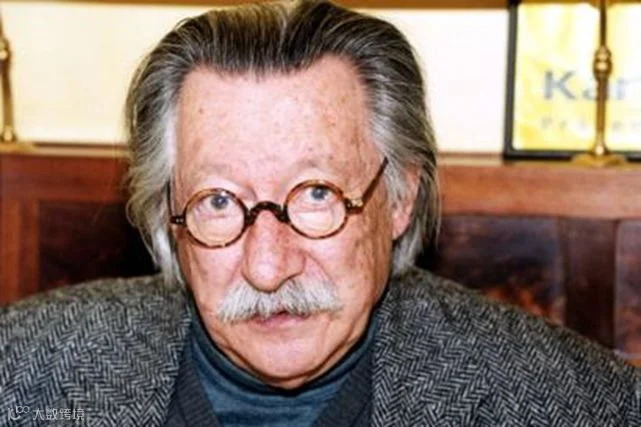
科学家真被骗了

Robert Epstein was looking for love. The year being 2006, he was looking online.
Robert Epstein 一直渴望爱情,自2006年,他就在网上觅爱。
As he recounted in the journal Scientific American Mind, he began a promising email exchange with a pretty brunette in Russia.
据他在《科学美国人思维》杂志的讲述,他开始与一位迷人的黑发俄罗斯女子邮件交流,这些来往让人觉得未来可期
Epstein was disappointed - he wanted more than a penfriend, let's be frank - but she was warm and friendly. Soon she confessed she was developing a crush on him.
Epstein有些失望,坦白说,他想要的不仅仅只是个笔友,但是,她显得还是有些客套见外。可很快,她承认她对Epstein也萌生了好感。
"I have very special feelings about you. In the same way as the beautiful flower blossoming in mine soul... I only cannot explain... I shall wait your answer, holding my fingers have crossed..."
“我对你有着特殊的感觉。就像娇花盛放于我的心灵…我真的无法形容它…我手指紧扣,满怀期待着你的答案,”
The correspondence blossomed, but it took a long while for him to notice that Ivana never really responded directly to his questions.
两人的通信日益频繁,但过了很长的一段时间,他发现Ivana从未真正正面回答过他的问题。
She would write about taking a walk in the park, having conversations with her mother, and repeat sweet nothings about how much she liked him.
她在信中会谈到在公园漫步,和她母亲的聊天,以及重复她有多爱他的甜言蜜语。
Suspicious, he eventually sent Ivana a line of pure bang-on-the-keyboard gibberish. She responded with another email about her mother.
出于怀疑,他给Ivana发了一条纯粹是随意敲打键盘的乱语,而她却回复了另一封有关她母亲的邮件
At last, Epstein realised the truth: Ivana was a chatbot.
终于,Epstein恍然大悟:Ivana是一个聊天机器人。
What makes the story surprising is not that a Russian chatbot managed to trick a lonely middle-aged Californian man.
这个故事之所以让人惊讶,并不是因为一个俄罗斯聊天机器人成功骗取了一个加州的中年单身汉。
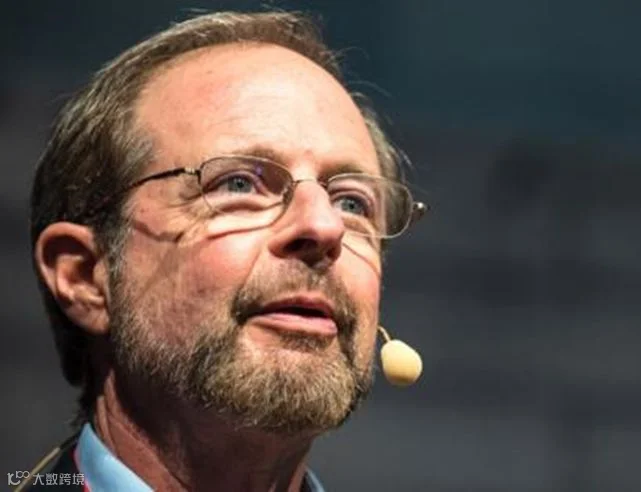
(Robert Epstein was one of the founders of the Loebner Prize)
(Robert Epstein是勒布纳奖的创始人之一)
It is that the man who was tricked was one of the founders of the Loebner Prize, an annual test of artificial conversation in which computers try to fool humans into thinking that they, too, are human.
关键是这个被骗的男人是勒布纳奖(the Loebner Prize)创始人之一。这个奖是一项年度人工对话评测,其中,电脑试图欺骗人类,让人们觉得自己也是同类。
In other words, one of the world's top chatbot experts had spent two months trying to seduce a computer program.
也就是说,一个世界顶尖的聊天机器人专家花了两个月时间试图追求一个电脑程序。
Each year, the Loebner Prize challenges chatbots to pass the Turing test, proposed in 1950 by the British mathematician,codebreaker, and computer pioneer Alan Turing.
每年,勒布纳奖都会向聊天机器人发起挑战,让它们通过图灵测试(the Turing test),这是由英国数学家、译码者和计算机先驱艾伦·图灵(Alan Turing) 在1950年提出的测试。
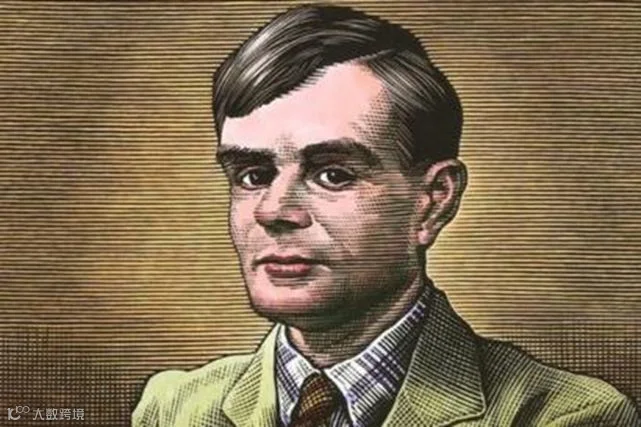
艾伦·图灵(Alan Turing)
In Turing's "imitation game", a judge would communicate through a teleprompter with a human and a computer. The computer's job was to imitate human conversation convincingly enough to persuade the judge.
在图灵的“模仿游戏”中,法官通过一个讲词装置与人类和电脑进行沟通。电脑的任务则是模仿人类的对话,使它足以能够说服法官。
Turing thought that within 50 years, computers would be able to fool 30% of human judges after five minutes of conversation.
图灵认为,在50年内,电脑就能够在5分钟对话之后欺骗30%的法官。
He was not far off. It actually took 64 years, although experts continue to argue about whether - the computer program that was trumpeted as passing the Turing test in 2014 - really counts.
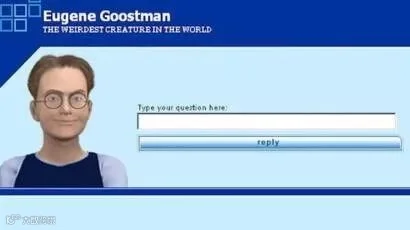
他的预想偏差并不大。实际上,这花了64年的时间,尽管科学家们仍在争议“尤金·古斯特曼”(Eugene Goostman)是否真的有效,这个被吹捧为2014年通过了图灵测试的电脑程序。

更多形式聊天机器人

NO.1
Like Ivana, Goostman managed expectations by claiming not to be a native English speaker. He said he was a 13-year-old kid from Odessa in Ukraine.
像lvana一样,Goostman声称自己不是英语母语者,以此来降低人们的期望。他说自己是一个来自乌克兰敖德萨市的十三岁的孩子。
NO.2
One of the first and most famous early chatbots, Eliza, would not have passed the Turing Test - but did, with just a few lines of code, successfully imitate a human non-directional therapist.
最早也是最著名的聊天机器人之一Eliza本不可能通过图灵测试,但是最后她成功了,且仅仅只用了几行代码成功模仿了一位不定向治疗师。
Named after Eliza Doolittle, the unworldly heroine of George Bernard Shaw's Pygmalion, she - it? - was programmed in the mid-1960s by Joseph Weizenbaum.
在20世纪60年代中期,Joseph Weizenbaum编写了这个聊天机器人程序,并且以Eliza Doolittle(萧伯纳《卖花女》中不谙世事的女主角)命名。
If you typed, "my husband made me come here", Eliza might simply reply, "your husband made you come here". If you mentioned feeling angry, Eliza might ask, "do you think coming here will help you not to feel angry?". Or she might simply say, "please go on".
如果你输入“是我丈夫让我来这里的”,Eliza可能只会回复“是你的丈夫让你来这里的”。如果你提到自己很生气,Eliza可能会问;“你觉得来这里会让你消气吗?”或者她可能只是说;“请继续。”
People did not care that Eliza was not human: they seemed pleased that someone would listen to them without judgement or trying to sleep with them.
人们并不在意Eliza不是人类——他们倒很乐意有人听他们倾诉情感且不做任何评价或想要和他们共度良宵。
Weizenbaum secretary famously asked him to leave the room so that she could talk to Eliza in private.
Weizenbaum的秘书曾要求他离开房间,这样她就能和Eliza私下交流。
NO.3
Psychotherapists were fascinated.
心理治疗医生们对此非常感兴趣。
A contemporary article in The Journal of Nervous and Mental Disease mused that "several hundred patients an hour could be handled by a computer system". Supervising an army of bots, the human therapist would be far more efficient.
同时期一篇发表在《神经与精神疾病》杂志上的文章探讨了这个问题: “一个计算机系统每小时可以处理几百个病人”。通过监督一大群网络机器人工作,人类治疗师的效率会提高很多。
And indeed, cognitive behavioural therapy is now administered by chatbots, such as Woebot, designed by a clinical psychologist, Alison Darcy. There is no pretence that they are human.
的确,认知行为疗法现在是由聊天机器人实施的,例如临床心理学家Alison Darcy设计的Woebot,但它们不会刻意假装成人类。
Weizenbaum himself was horrified by the idea that people would settle for so poor a substitute for human interaction. But like Mary Shelley's Dr Frankenstein, he had created something beyond his control.
Weizenbaum自己也非常震惊于人类竟会满足于这个思想如此贫瘠的计算机来代替人类之间的交流。就像Mary Shelley笔下的Frankenstein博士一样,他创造出了一些他自己都无法控制的东西。
Chatbots are now ubiquitous, handling a growing number of complaints and enquiries.
聊天机器人现在无处不在,它们处理着越来越多的投诉和询问。
NO.4
Babylon Health is a chatbot that quizzes people about their medical symptoms and decides whether they should be referred to a doctor.
Babylon Health是一个聊天机器人,它可以通过询问人们的病症来决定他们是否应该去看医生。
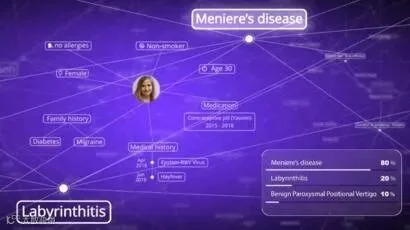
(The artificial intelligence software provides what it determines to be the most likely diagnoses)
人工智能软件提供它认为最合适的诊断。
NO.5
Brian Christian, author of The Most Human Human, a book about the Turing test, points out that most modern chatbots do not even try to pass it.
Brian Christian创作了一本有关图灵测试的书《The Most Human Human》,他在书中指出其实许多现代的聊天机器人并没有通过甚至不去尝试去通过图灵测试。
There are exceptions: Ivana-esque chatbots were used by Ashley Madison, a website designed to facilitate extramarital affairs, to hide the fact that very few human women used the site.
但是也有一些例外,比如Ashley Madison,一个为婚外情提供便利的网站,它使用Ivana式聊天机器人来掩盖只有少量人类女性用户的事实。
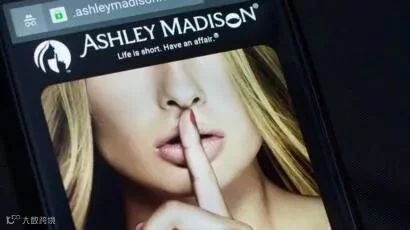
(Ashley Madison's use of chatbots emerged when its systems were hacked in 2015)
(2015年,Ashley Madison网站的系统遭到黑客攻击后,该网站开始使用聊天机器人)
It seems we are less likely to notice a chatbot is not human when it plugs directly into our libido.
当聊天机器人直接激起我们的性欲时,我们不太容易注意到它不是人类。
Another tactic is to wind us up. The MGonz chatbot tricks people by starting an exchange of insults.Politics - perhaps most notoriously the 2016 US election campaign - is well-seasoned with social media chatbots pretending to be outraged citizens, tweeting lies and insulting memes.
聊天机器人的另一个战术是忽悠我们。MGonz聊天机器人通过互相辱骂来欺骗人们。2016年美国大选中,政治领域布满社交媒体聊天机器人,它们假装成愤怒的公民,在推特上发布谎言和侮辱性的表情包。
But generally chatbots are happy to present as chatbots. Seeming human is hard.
但在通常情况下,它们还是很乐意以聊天机器人的身份出现的。让它们假装成人类比较困难。
Commercial bots have largely ignored that challenge, and instead specialise in doing small tasks well - solving straightforward problems, and passing on the complex cases to a real person.
商业机器人在很大程度上忽视了这一挑战,它们反而专注于把小任务做好,即只解决简单的问题,把复杂的事情交给人类去处理。

But we must be wary of the risk that as consumers or producers - and perhaps even as ordinary citizens - we contort ourselves to fit the computers.
但必须警惕的是,我们作为消费者或生产者,甚至可能仅仅作为普通公民,我们都会改变自己来适应电脑。
We use the self-checkout, even though a chat with a shop assistant might lift our mood.
虽然与店员聊天可能会使我们心情变好,但我们依旧会选择自助结账。
We post status updates - or just click an emoji - that are filtered by social media algorithms; as with Eliza, we are settling for the feeling that someone is listening.
我们更新动态,或者只是点击一个表情符号,这些都会被社交媒体算法筛选过滤;和Eliza一样,我们也沉浸于那种有人倾听的感觉。
Christian argues that we humans should view this as a challenge to raise our game. Let the computers take over the call centres. Is that not better than forcing a robot made of flesh-and-blood to stick to a script, frustrating everyone involved?
基督教认为,我们人类应该把这看作是一个能够提升能力的挑战。让电脑接管呼叫中心,难道不比强迫人类像机器一样反复做一件没有灵魂的事情,让每个人都感到抑郁更好吗?
We might hope that rather than trying or failing to fool humans, better chatbots will save time for everyone - freeing us up to talk more meaningfully to each other for real.
我们应该希望,更好的聊天机器人不是试图或失败地愚弄人类,而是能够为我们节省时间,让我们有更多的时间与真实的彼此进行更有意义的交谈。
编译:王姝 刘佳月 陈昱涵
排版:陈昱涵