

本文共2250字
阅读约需8分钟

Sexism, slander, hatred: Sri Lanka’s culture of online abuse
性别歧视,诽谤,憎恨:斯里兰卡的网络暴力
Meena
From politicians to members of the LGBTQI community, social media in Sri Lanka is a hotbed of harassment and hostility
从政治家到LGBTQI社区的成员,斯里兰卡的社交媒体为骚扰和敌意提供了温床。
The threats began after Jegatheeswaram Jeyachandrika decided to contest local government elections.
网上的威胁是从Jegatheeswaram Jeyachandrika决定参加当地政府选举开始的。
Clutching a file of printouts, Meena, as she is known, points to a Facebook post in which she is pictured, circled in red, among a group of people.
大家通常称呼Jegatheeswaram Jeyachandrika为Meena,她手里拿着一份打印文件,指着一篇Facebook帖子,上面是她在一群人中被红笔圈出来的照片。
“We opened some new shops that day, part of a collective project,” she says. “This post implies that I’m the mistress of one of the ministers in the photo.”
“我们那天开了一些新店,是一个集体项目的一部分,”她说,“而这篇文章暗示我是照片中某位部长的情妇。”
That was one of the milder offerings. Meena has been called a sex worker, among other things, and hateful comments have been made towards her immediate family. Several volunteers helping with her campaign dropped out following the repeated threats.
这还算是温和的。网上称Meena为性工作者的流言和辱骂她直系亲属的言论屡见不鲜。几名帮助她竞选的志愿者在反复受到威胁后退出了她的团队。
Stones have been thrown at Meena’s house, and flyers containing defamatory claims against her have been distributed. She went to the police, but received no response to her complaints. As with the Facebook posts, there have been no consequences for the perpetrators.
甚至有人往Meena家里扔石头、分发含有对她诽谤性指控内容的传单。她报了警,但没有得到回应。就像那些Facebook帖子一样,这些加害者没有受到任何惩罚。
Unless people take action,
how are women to move forward?
She asks, adding that such incidents only push women out of politics. Despite the recent implementation of a 25% quota for female representation in local government in Sri Lanka, significant barriers to equal political participation remain.
“除非人们采取行动,否则女性如何向前发展?”她反问,并补充道这样的事件只会让女性离政治越来越远。尽管斯里兰卡的当地政府最近发放了25%的女性代表名额,但要在政治领域实现性别平等,仍有很大障碍。
But Meena’s story also highlights the pervasive nature of online violence in Sri Lanka – and the inability of state mechanisms to respond effectively to it.
Meena的故事同样凸显了斯里兰卡网络暴力的普遍性,以及国家管理机制难以有效应对网络暴力。
Researchers have found that, in Sri Lanka, a culture of casual sexism, misogyny and objectification prevails on Facebook, which is by far the country’s most widely used social media platform, with more than 6 million users as of 2018. Leaked intimate photos and videos of young girls are also shared on the platform.
研究者发现在斯里兰卡,这种随意对女性的歧视、厌恶以及物化在Facebook上盛行,而截止2018年,Facebook在斯里兰卡拥有超过6百万的用户,是该国使用最广泛的社交媒体平台。Facebook上甚至还分享被泄露的少女私密照片。
“Boys befriend girls and coerce them into sending them their nude photos. Once the relationship goes bad, they leak them online … 17-year-old girls have taken their own lives over cases like this.”
“男孩和女孩交朋友,强迫她们把裸照寄给自己。一旦关系恶化,他们就会把照片放到网上…已经有17岁的女孩子在这样的案子中自杀。”活动家Ananthi说。
In Sri Lanka, where same-sex relationships have not yet been decriminalised, members of the LGBTIQ community also face threats including surveillance, extortion, discrimination and online sexual abuse and exploitation.
在斯里兰卡,同性关系仍未合法化,LGBTIQ人群也面临着监视、勒索、歧视、网上性虐待和性剥削。
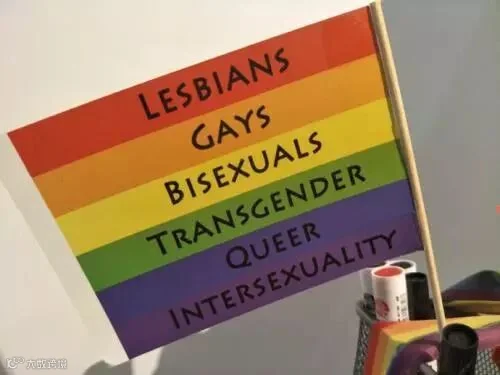
Sometimes this surveillance occurs at family and community level, but rights organisations such as Equal Ground have also reported intimidation, violence and discrimination against individuals and groups on the basis of sexual orientation, both offline and on social media.
家庭和社区这类场所有时会被监控。但是像Equal Ground这样的平权组织也反映了:在线下和社交媒体上,都存在基于性取向对个人和群体的威胁、暴力和歧视。
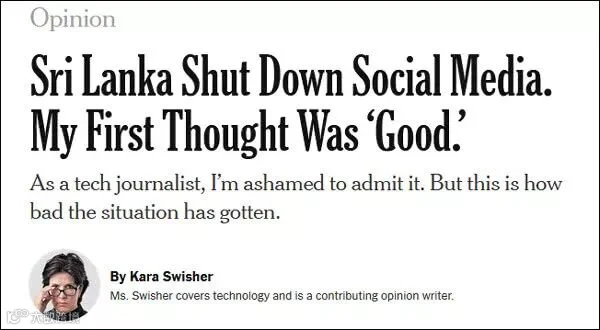
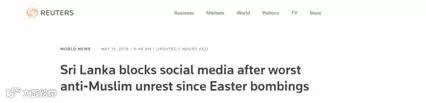
Facebook has also been used to amplify hate and misinformation. Following the devastating suicide bomb attacks on churches and hotels on Easter Sunday, the government responded by twice blocking Facebook and Facebook-owned platforms Instagram and WhatsApp. It first adopted this approach in March 2018, in the aftermath of riots targeting the Muslim community, claiming that this helped to curb hate and misinformation. However, research shows that people have found ways to continue posting online.
Facebook上负面能量和谣言也经常会被肆意传播。在教堂和酒店复活节遭受毁灭性自杀炸弹袭击后,政府做出了回应——两次封锁了Facebook和Facebook旗下的Instagram和WhatsApp平台。在针对穆斯林群体的暴乱发生之后,2018年3月政府首次采用了这种封锁办法,声称这有助于遏制谣言和负面能量。然而,研究表明,人们已经找到了继续在网上发帖的方法。
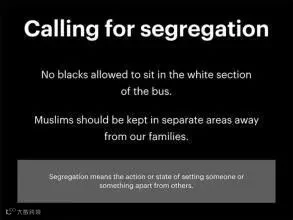
In April 2018, 13 Sri Lankan civil society organisations wrote an open letter to Mark Zuckerberg, the Facebook CEO, expressing “deep frustration” over the platform’s “little to no support” for attempts to report content on gender-based violence, violence against the LGBTIQ community and hate speech, particularly in local languages like Sinhalese and Tamil. Facebook responded, promising to increase content reviewers and work with government and civil society to curb hate speech and better understand the local context, including training their staff to identify inflammatory content in local languages, especially Sinhalese.
2018年4月13日斯里兰卡民间社会组织给Facebook的CEO马克扎克伯格写了一封公开信 , 对于平台对发表有关性别暴力、反LGBTQI群体暴力、仇恨言论的内容“不作为”表示“深深地挫败”。Facebook做出了回应,承诺将增加内容审查人员,并与政府和民间社会合作,遏制仇恨言论,更好地了解当地国情,包括培训员工识别当地语言的煽动性内容,特别是僧伽罗语。
persisting problems
Sri Lanka’s own penal code has several sections that can be used to address different aspects of technology-based violence, and it is a signatory to a number of international conventions, including the International Covenant on Civil and Political Rights.
在斯里兰卡本国的《刑法》中,有几节法案可以用来处理以技术为基础的暴力的不同方面,斯里兰卡是若干国际公约的签署国,包括《公民权利和政治权利国际公约》。
“Various government bodies together with civil society partners are in the midst of conducting research on prevalence and varied manifestations of cyber harassment and violence,” says Hans Billimoria, director of the Grassrooted Trust.
草根信托基金会主任Hans Billimoria表示:“各政府机构与民间伙伴正在合作研究网络骚扰和暴力的各种表现形式和普遍度。”
“That said, civil society partners on the ground and those at the forefront of the struggle against gender-based and intimate partner violence still lack the information they need to fully support victims and their families.”
“尽管如此,当地民间伙伴以及那些一马当先反对性别暴力和亲密关系暴力的人仍然缺乏足够信息来为受害者及其家人发声。”
Those who do report online violence often get no response – that is, if they know where to go in the first place. The main body tasked with dealing with such issues, the cyber crimes division of the criminal investigation department, is based in Colombo, and those living outside the capital have to travel there to make a report. Those reporting instances of leaked intimate images said the insensitivity of officers handling their cases often caused fresh trauma.
那些报告网络暴力的人往往得不到回应——这还是在他们知道一开始要去哪里报告的情况下。负责处理此类问题的主要机构总部设在科伦坡,是刑事调查部门下的网络犯罪部门,而住在首都外的人必须到那里去做报告。那些报告私密照片泄露事件的人说,处理案件的警官们态度冷漠,这常常对他们造成新的创伤。
Meena says her experiences left her needing counselling. “I expected nearly 1,000 votes [in the election]. Because of the slander and harassment in real life, that number fell by more than half. Now, I’m left with my 333 votes, and a file full of printouts of the harassment that I have received online.”
Meena说,经历过这些事以后她需要心理咨询。她说:“原本我预计(选举中)会有近1000张选票。但因为现实生活中的诽谤和骚扰,这个数字下降了过半。现在,我只剩下333张选票,还有一份文件,里面全是我在网上收到的骚扰的打印记录。”
文章来源:卫报
图片来源:百度
编译:顾贝盈、陈雨昕
排版:陈雨昕
指导老师:刘佳