


全文共4090字,阅读需13分钟
编者按
明明没收到消息,却频繁解锁手机;已经感到十分无聊,还是无法停止刷手机;ddl堆积成山,宁愿焦虑也不想放下手机......数字毒素正悄然侵蚀着我们的精神世界,和小Q一起来一场数字排毒吧。

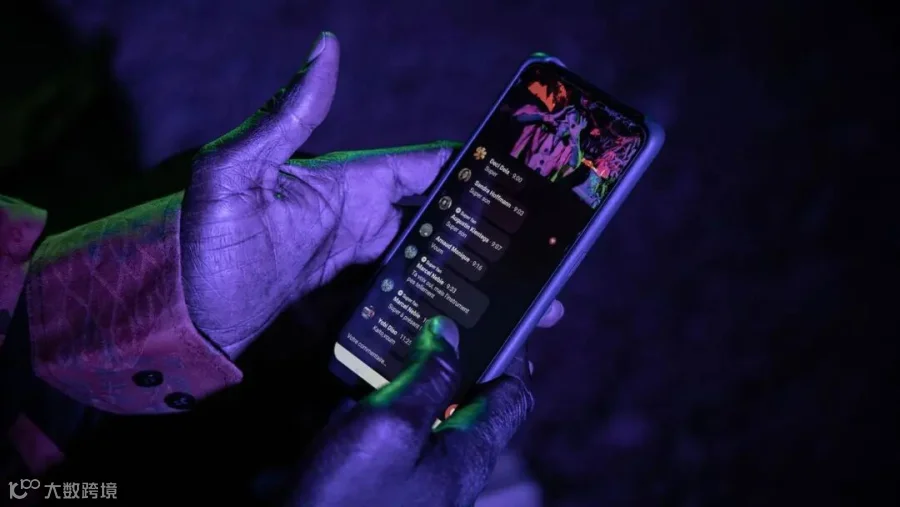
Amid the current crisis, we’re glued to our screens like never before. How can you cut phone time when hours with your devices are a necessity?
疫情当下,人们空前依赖屏幕。当你必须长时间使用手机时,怎样才能尽可能缩短使用时间呢?
With social distancing protocols in place amid the Covid-19 pandemic, and hours of isolation taking a toll on our sanity, screens have been a saving grace for many. Amid the crisis, views on Instagram Live doubled in one week, Facebook reported a 70% increase in Messenger group video calls and WhatsApp has seen a 40% increase in usage.
新冠病毒流行期间,社交距离以及长时间的隔离对我们的心智造成了损害,屏幕成了许多人的救星。在这场危机中,Instagram Live的浏览量在一周内翻了一倍,Facebook报告说Messenger的群组视频通话增加了70%,WhatsApp的使用量增加了40%。
“Reaching for our phones is a common coping mechanism for the unknown,” says Doreen Dodgen-Magee, an psychologist based in the US state of Oregon and the author of Deviced!: Balancing Life and Technology in a Digital World. “We stay connected to our screens and the news that they provide, hoping that it will help us feel less anxious.”
美国俄勒冈州的心理学家、《越轨!:数字世界中生活与技术的平衡》一书的作者多琳·道根·马吉(Doreen Dodgen-Magee)说:“拿起手机是一种常见的应对未知事物的机制,我们与屏幕及其提供的新闻保持联系,希望这能帮助我们减少焦虑。”
A few weeks before the coronavirus crisis gripped New York City, I had deleted Instagram. I was tired of mindlessly scrolling through the app while standing in the grocery store queue or waiting on the subway platform. After a week without the app, I realised I wasn’t picking up my phone as frequently and it gave me a strange sense of freedom.
在纽约冠状病毒危机爆发的前几周,我卸载了Instagram。我已经厌倦了在杂货店排队或在地铁站台上等待时,下意识地刷Ins。在一周没有使用这个软件之后,我意识到我没有那么频繁地看手机了,这给了我一种奇妙的自由感。
Then lockdown began. I felt completely disconnected from the world, and desperately needed to see how everyone else was coping. I downloaded Instagram again. This time, though, the app felt less of a time-waster, and instead more purposeful – it was as though it was OK to be on my phone because I was unable to physically access people. I wanted to connect with my friends across the world to see how they were dealing with quarantine. I needed advice from celebrity chefs on using leftovers, and information on which brands were making and donating masks.
接着,隔离开始了。我觉得自己与世界完全脱节,迫切地需要看看其他人是如何应对疫情的。我又下载了Instagram。不过,这一次,刷这个软件让人感觉不那么浪费时间,而是更有目的性:因为我不能线下接触其他人,所以使用手机似乎就变得合理了。我希望能够联系上世界各地的友人,了解他们是如何渡过疫情隔离的。我想让名厨告诉我如何利用剩饭剩菜,也想知道那些生产和捐赠口罩的品牌的信息。
But when I finally felt like I was gaining something positive from scrolling – all of a sudden, I wasn’t. In week two of lockdown, every time I reached for my phone to get a positive hit from Instagram, I was bombarded by a never-ending feed of anxiety-inducing news notifications.
然而,当我终于觉得自己在刷手机时得到了正面消息时,我突然意识到,其实我并没有。在封城的第二周,每一次我拿出手机,想在Instagram上获得正能量信息时,都会遭到一堆令人焦虑的新闻无休止的轰炸。
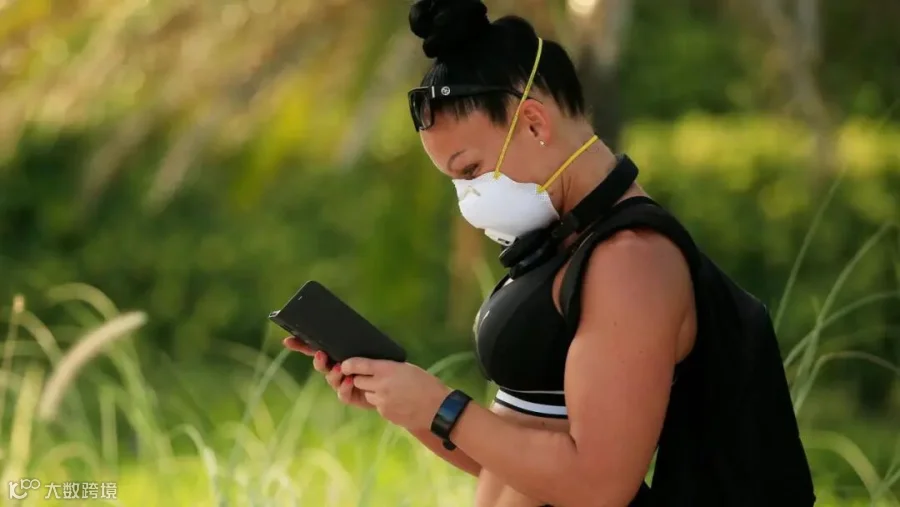
Screen detox is harder during the pandemic, because phones provide a catch-22: we need them to stay abreast of urgent news, but they fuel our tech anxiety (Credit: Getty Images)
疫情期间,戒除手机瘾变得更为困难,因为对我们而言,手机是一种两相矛盾的存在:它为我们提供最新的消息,但同时也加剧了科技产品带给我们的焦虑。(来源:盖蒂图片社)
As we’ve become increasingly glued to our phones – out of disconnection, boredom and necessity – many of us are feeling anxiety kick up from spending so much time in front of a screen. For Dodgen-Magee, this is problematic, as any anxiety we feel from “being constantly plugged in counteracts any positive impact of being informed”.
出于孤独、无聊的心态、以及线上工作学习的必要,我们越来越离不开手机。因此,很多人都因为使用屏幕的时间过长而感到焦虑。道根·马吉认为,这是有问题的,因为“我们不断解锁手机所带来的焦虑会中和掉先前所了解的正面影响”。
It’s not as easy as just turning off devices, however. When our entire worlds are on our phones right now, and our days revolve around our screens like never before, how do we lower digital anxiety?
然而,这不是简单地将手机关掉就能解决的。如今我们的整个世界都建立在手机里,终日围着手机转,不似以往任何时候——在这个时候,我们要如何缓解数码焦虑?
划
清
界
限
We know we’re on our phones more than we’d like to be. But it’s hard to draw tech boundaries when screens are suddenly both our connection to others, and even the way we keep our own spirits up. Zoom, online workouts, FaceTime and even mindfulness apps – they all require eyes glued to screens.
我们很清楚自己在手机上花费的时间远超我们的预期。但是,当屏幕突然成为我们和他人之间的联系手段、甚至成为鼓励我们打起精神方式时,划清技术界限就变得十分困难。Zoom,线上健身课程,视频通话,甚至一些帮助集中注意力的应用——所有的这些都需要眼睛紧盯着屏幕。
“Everyone is worried about screen time [right now]. Every Sunday [when Apple releases its screen time report], I see a whole load of tweets and comments from people on social media saying how appalled they are that they’re spending 12 hours a day on a screen,” says Tanya Goodin, UK-based founder of the digital detox movement TimeTo Log Off and author of Off and Stop Staring at Screens. “Obviously, the current situation is very different, but I still think a lot of the same principles apply.”
“现在,每个人都很担心屏幕使用时间。每到周日(苹果发布屏幕使用时间报告的时间),我都会在社交媒体上看到大量的推文和评论,对于自己每天在屏幕上要花12个小时而感到震惊。”《停止盯着屏幕》一书的作者,英国数字戒瘾运动TimeTo Log Off的创始人坦尼娅·古丁说:“显然今时不同往日,但我仍相信,戒瘾运动的许多原则在现在仍然适用。”
To reduce tech anxiety, Goodin suggests distinguishing a firm boundary between screen time that is helpful and screen time that is harmful. It’s okay to spend time on social media if it’s being used for positive purposes like workout videos, museum tours or baking lessons. “If we’re doing it because we’re bored or anxious, it’s not helpful,” says Goodin. The same goes for news checking. “People are saying they want that reassurance, but it’s becoming a real problem and increasing anxiety.”
为了减少科技带来的焦虑,古丁建议在有用的屏幕时间和有害的屏幕时间之间划分一个严格的界限。如果社交媒体被用于观看健身视频、参观博物馆或者学习烘焙课程等积极的目的,那么在网上花这些时间是可以的。古丁说:“如果我们做这些是因为无聊或者焦虑,那它对于我们没什么帮助。”查看新闻也是如此,“人们说他们需要用这种方式(反复查看新闻资讯)聊以自慰,但这一举动正是问题所在,并且增加了人们的焦虑。”
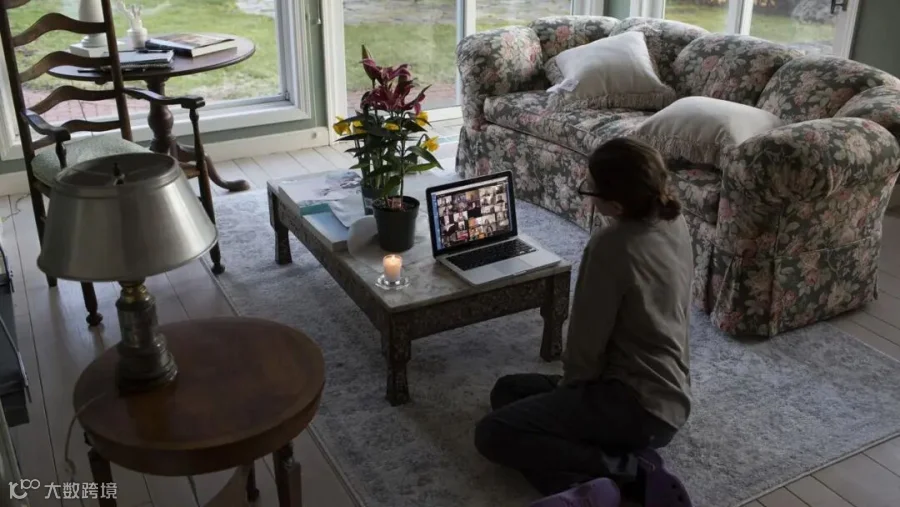
Like our phones, video Zoom calls on our computer provide social connection and news during the pandemic, but they still force us to be glued to screens (Credit: Getty Images)
像手机一样,电脑上的Zoom视频会议在疫情期间为我们的社交往来和新闻消息提供了渠道,但它们依然迫使我们留在屏幕前。(图片来源:盖蒂图片社)
Even as we try to create boundaries and habits to ease tech anxiety, it’s harder than ever to foster healthy practises when our work and home life have suddenly rolled into one.
尽管我们已经尽力去创造一些界限或养成一些习惯来缓解科技带来的焦虑,但是由于疫情,我们的生活和工作扭成了一团乱麻,现在就更难去培养健康的生活习惯了。
Goodin recommends people set morning and afternoon routines. “When you no longer have a commute, you no longer have the bookends to your days. We have to create those.” To help draw distinctions between work and play, Goodin also suggests people use different devices for different activities. “Use your laptop as your work device and your phone as your play device. So, you put one device away when you’re on the other.”
古丁建议人们安排好早上和下午的日程。“当你不用通勤的时候,你的日常生活就没了上下班的区分。我们需要制定日程安排。”古丁还建议人们在不同的活动中使用不同的设备来区分工作和娱乐。“用你的笔记本电脑来工作,用手机来玩游戏。所以当你在使用一个设备时,就会把另一个设备放在一边。
追
求
质
量
Psychologist Dodgen-Magee suggests seeking out engaging and meaningful content instead of bingeing on whatever is available. Luckily, in the midst of the pandemic, helpful social media content is more ubiquitous than ever.
心理学家道根·马吉建议寻找吸引人、有意义的内容,而不是看到什么都照单全收。幸运的是,大流行期间是社交媒体上有用信息最饱和的时期。
Cookbook author and chef Alison Roman, who has been dubbed the “prom queen of the pandemic” due to her helpful cooking content and videos on social media, is one of many generating quality content.
烹饪书作者兼厨师艾莉森·罗曼是一名高质量内容的创作者。她因在社交媒体上发布实用的烹饪内容和视频,被冠上“大流行时期的女王”的称号。
“I’m happy to have an actual place where I’m providing a service,” says Roman, who has more than 500,000 followers on Instagram and 400,000 on Twitter. “I’ve never been a person that creates content that people can’t actually use in real life.” Roman has demonstrated useful tips to create her recipes on the New York Times’ YouTube channel for months, but in recent weeks she’s taken to Instagram to offer up advice on what to use if you don't have the required ingredients available in quarantine.
“我很高兴能通过社交媒体帮上忙,”罗曼说,她在Instagram上有50多万粉丝,在推特上有40万粉丝。“我发布的内容都是人们可以在现实生活中用得上的。”罗曼几个月来一直在纽约时报的油管频道上教大家跟着她的菜谱做菜时可以用到的小技巧。但最近几周,她开始在Instagram上为人们解答如果在家隔离期间没有所需原料该怎么办之类的问题。
Although Roman has seen increased engagement on her social media channels, she’s unsure whether it’s because of her popularity or people’s sudden interest in cooking amid the pandemic. “More people are cooking and more people are asking questions,” says Roman, who has been providing feedback on people’s kitchen quandaries. On Instagram and Twitter, she’s invited followers to ask questions, which can be anything from how to crisp mushrooms to whether buttermilk is still good after the sell-by date.
尽管罗曼在社交媒体频道上的参与度有所提高,但她不确定这是因为她越来越受欢迎了,还是因为人们在疫情期间突然对烹饪感兴趣。“越来越多的人在做饭,越来越多的人在问问题。”罗曼说,她一直在为人们的厨房窘境提供反馈。在Instagram和Twitter上,她邀请了一些关注自己的人来提问,人们可以问任何的问题,比如如何让蘑菇变脆,或者酪乳在过了最佳品尝时间之后是否还是新鲜的。
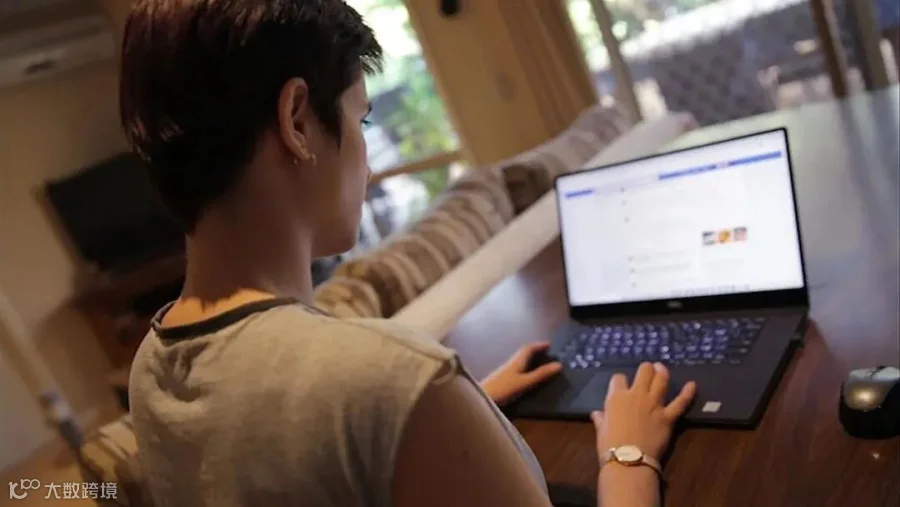
Some experts recommend using a laptop as a work-only device and a phone as a 'play' device, so that you're forced to only be on one screen at once.(Credit: Getty Images)
一些专家建议将笔记本电脑用作工作专用设备,将手机用作娱乐设备,这样你就不得不一次只使用一个屏幕。(图片来源:Getty Images)
远
离
网
络
Although video calls currently seem to run our lives – for meetings, live workouts, friend gatherings and even dinner parties – Zoom burnout is real. To mitigate the impact of screen anxiety, it’s important to not forget the other ways to communicate with others.
尽管视频通话现在似乎主宰着我们的生活,我们用视频会议的形式开会、参加直播健身课程、朋友聚会,甚至是举办晚餐派对,但zoom疲劳是真实存在的。为了缓解屏幕焦虑,不要忘记和别人交流的其他方式至关重要。
“Think about some of the alternatives. Voice calls – they still exist,” says Goodin. “A one-to-one phone call is a far richer experience than when you’re shouting at ten people simultaneously [on Zoom].”
“考虑一下其他的选择。比如说语音通话——它们仍然存在,”古丁说,“一对一的电话比你在zoom上同时对着十个人喊的体验要丰富得多。”
“There’s a lot of stuff we can do that doesn’t involve a screen,” says Goodin. We can get off our phones by subscribing to print magazines, or working on a physical puzzle. Many are also turning to books.“I’ve noticed a lot of people talking about a boom in escapist fiction – books that aren’t about a pandemic, really good stories you can get lost in.”
古丁说:“我们可以做很多不需要屏幕的事情。”我们可以通过订阅印刷杂志或玩实体的拼图来摆脱手机的束缚。许多人也开始读书。我发现很多人都在谈论逃避现实的小说的火爆,这些书不是关于疫情的,而是能让你沉迷其中的好故事。
Some bookstores are seeing the positive effect of people upping their reading time. Books Are Magic, a Brooklyn-based bookstore owned by author Emma Straub, has experienced a major increase in book sales in the past couple of weeks.
一些书店享受到了由人们阅读时间增多所带来的红利。Books Are Magic是一家总部位于布鲁克林的书店,它的老板是作家爱玛·斯特劳布。在过去几周里,该书店的图书销量有了大幅的增长。
“Our numbers are approaching what we see during the holidays, which is to say, our highest sales of the year,” says Colleen Callery, the store’s marketing and communication manager, who explains the increase by people reading more, and because retailers like Amazon have deprioritised book shipments.
该书店的营销和传播经理科琳·卡勒里说:“我们的销售额正在接近我们在假期时的金额,也就是说,我们一年中销售额最高的时候。”她解释说,这种增长是因为人们阅读量的增多,且像亚马逊这样的零售商减少了图书出货量。
Last weekend, I took two hours out of my Saturday to kick back on the couch and finish a novel. I turned off my phone and allowed myself to be transported to a fictional, non-coronavirus- related world, despite the whirring sirens outside my window. That night, before sending a few texts, I set turned off access to any of my phone apps for 12 hours, then switched off my phone and dumped it in another room.
上个周末,我在周六抽出两个小时的时间躺在沙发上看小说。我关掉了手机,让自己进入一个虚拟的、与冠状病毒无关的世界,尽管窗外的警笛还在嗡嗡作响。那天晚上,在发几条短信之前,我把所有手机应用的访问权限都关闭了12个小时,然后关掉了手机,把它扔到了另一个房间。
I felt that same sense of freedom, just like when I’d deleted Instagram a few weeks earlier. That’s when it sunk in: I don’t have control over much at the moment, but I can turn off my screen.
就像几周前我删除了Instagram时那样,我感受到了同样的自由感。这时我才恍然大悟:我现在无法控制很多事情,但我可以关掉我的屏幕。
原文链接:
https://www.bbc.com/worklife/article/20200513-how-to-take-a-digital-detox-during-the-covid-19-pandemic
编译:穆沁阳,赵寒旭,罗清婳,杨林姗
排版:穆沁阳