
It’s not me, it’s you:
Our Facebook fears are mostly about all those other gullible types
脸书上的第三人效应:
众人皆愚我独醒
全文约2700字
“Society may bear some responsibility, but so do individual Facebook users…Ultimately, people need to save themselves more and worry a little less about saving everyone else.”
“社会或许需要负一定责任,但是每个Facebook用户也同样需要负责……最终,人们需要担心的是怎么救自己,而不是怎么救其他人。”
By JOSEPH B. WALTHER
A number of prominent figures have called for some sort of regulation of Facebook — including one of the company’s co-founders and a venture capitalist who was one of Facebook’s early backers.
一些知名人士呼吁针对Facebook采取一些监管措施,这其中包括一位该公司的合伙人和一位早期投资了Facebook的风险资本家。
Much of the criticism of Facebook relates to how the company’s algorithms target users with advertising, and the “echo chambers” that can show users ideologically slanted content.
Facebook通过广告锁定用户的精准算法,以及能够显示用户意识形态倾向的“回音室”,这些都遭受了许多批评。
Despite the public criticism, the company has continued to post record profits. And billions of people — including more than two-thirds of American adults — continue to use the unregulated version of Facebook that exists now.
然而,撇开舆论,Facebook的利润在持续地创造新纪录。包括超过三分之二的美国成人在内的几十亿用户还在使用现存版本的Facebook——不受监管的Facebook。
I have been studying the social dynamics of the internet for 30 years, and I suspect that what’s behind these apparent contradictions is something psychological.
我研究互联网上人们的社交互动已经有30年了,我猜测在这些显性的矛盾背后与人们的心理因素有关。
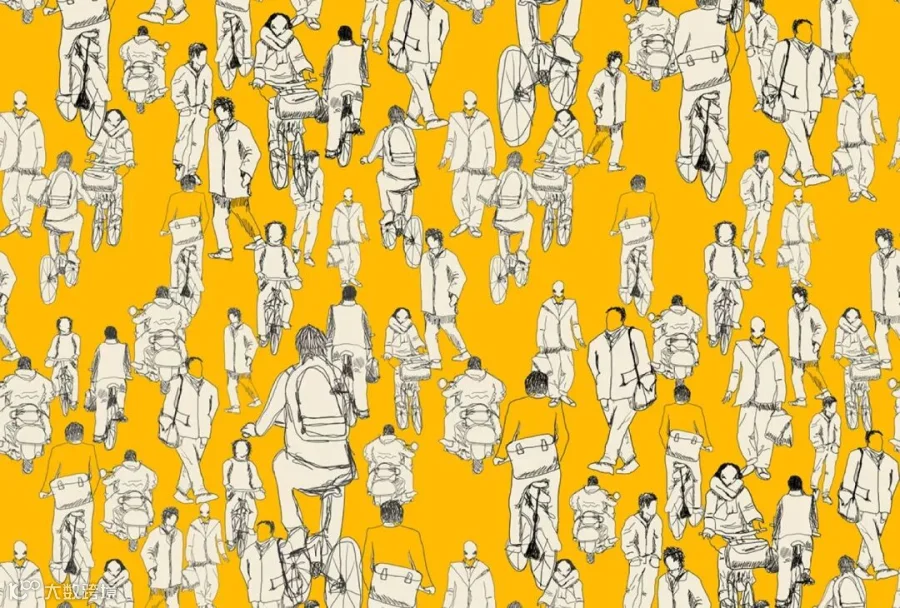
People know about Facebook’s problems, but each person assumes he or she is largely immune — even while imagining that everyone else is very susceptible to influence.
人们都知道,Facebook存在问题,但是每个人都假定自己很大程度上能够抵抗它们,同时却认为其他人很容易受影响。
That paradox helps explain why more than 2 billion people continue to use the site each month. And it also helps explain what’s behind the pressure to regulate.
这种悖论解释了为什么每个月会有超过20亿的用户仍在使用这个网站。同时也解释了监管Facebook背后的压力。
The psychological tendency at work here is called the third-person effect: the belief that a form of media doesn’t fool me, and maybe doesn’t fool you, but all those other people are sitting ducks for media effects.
这其中的心理倾向被称为第三人效应:认为某种媒介没有骗到我,也许也没有骗到你,但所有其他人都是容易被媒介影响的人。
Ironically, this dynamic can encourage people to support restrictions on media consumption — by others.
讽刺的是,这种想法能够鼓励人们去支持限制媒体消费——其他人的。
If someone uses, say, a social media site and feels immune to its negative influences, it triggers another psychological phenomenon called the influence of presumed influence.
如果说有个人正在使用一个社交网站,而且觉得他不受其负面影响,还会催生出另一个被称为“间接影响模式”的心理学现象。
When that happens, a person worries that everyone else is falling victim and supports efforts to protect them — even if they think they don’t need the protection themselves.
这种现象表现为:人们担心其他人都成为了受害者,因此赞同采取措施去保护他们——即使他们认为自己并不需要保护。
This could be why there are lots of Facebook users who complain about Facebook’s danger to others, but continue using it nevertheless.
这可能就是为什么许多Facebook用户一边抱怨着Facebook对其他人的影响,一边自己还是在用。
Even the Facebook-funding venture capitalist Roger McNamee, who wrote a book about how bad Facebook has become, may have fallen prey to this psychological irony.
甚至是投资了Facebook的风险资本家Roger McNamee也可能陷入这种讽刺的心理学现象,他都写了一整本书讲Facebook变得有多糟糕了。
As The Washington Post reports, “despite…his disgustwith the worst crimes of social media platforms…McNamee not only still owns Facebook shares…he also still counts himself among the behemoth’s more than 2 billion users. After all, McNamee acknowledges with a shrug and a smile, ‘I’ve got a book to promote.'”
华盛顿邮报有关报道是这样写的:“尽管……他很厌恶社交媒体的恶行……McNamee不但拥有Facebook的股份……他自己也是20亿用户这个巨大的群体中的一员。McNamee耸耸肩,笑着承认了这一矛盾,毕竟‘我有本书要推销啊’。”
McNamee may think he’s immune to the echo chambers and other online influences that, he warns, affect the average Facebook user.
What if average Facebook users think they’re not the average Facebook user, and believe that they’re immune to the platform’s pernicious influences?
McNamee可能认为,他对回音室和其他在线影响免疫,他提醒道,这些只能影响到普通的Facebook用户。
但是如果普通的Facebook用户认为他们也不是普通用户,并且也相信他们对这些有害影响是免疫的呢?
I explored this possibility in a survey of 515 adults in the U.S. who had used Facebook at least once the previous week. Participants were recruited by Qualtrics, a company that administered my survey questions.
Respondents resided in all 50 states, their average age was 39, and they reported an average of just under 10 hours per week on Facebook, which they estimated to be similar to most other Facebook users.
在一项有515名美国成年人参与的调查中,我研究了这种可能性。这些参与者在前一周至少使用过一次Facebook。他们是由Qualtrics公司招募的,该公司负责管理我的调查问题。这些调查对象的居住地分布在美国所有的50个州(各州),平均年龄39岁,平均每周在Facebook上花的时间不到10小时,据他们估计,这和大多数其他Facebook用户差不多。
The survey asked respondents three groups of questions.
One was about how strongly they believe that Facebook affects them on a number of important social and political topics, including building a wall on the U.S.-Mexico border, expanding or repealing the Affordable Care Act, whether President Trump is doing a good job, and other major national issues.
这项调查一共提问了受访者三组问题。其中一组问题是,在重要的社会和政治话题上,他们认为Facebook有多大影响。比如在美国和墨西哥边境上建立隔离墙、推广还是废除“平价医疗法案”、特朗普总统是否做的很好,以及其他重大的国家问题。
The second group of questions asked how much each respondent believes Facebook affects others’ perceptions of those same issues — how much social media affects their idea of “the average person.”
The third group of questions asked how strongly each respondent supported regulating Facebook, through a variety of possible strategies that include rulings from the Federal Trade Commission or the Federal Communications Commission, breaking up Facebook using anti-trust laws, requiring Facebook to reveal its algorithms, and other steps.
第二组的问题是:受访者们认为Facebook在多大程度上影响了别人对那些相同事情的认知——社交媒体在多大程度上影响了“普通人”的看法?
第三组的问题是:人们对Facebook的监管采取了各种可能的策略,包括联邦贸易委员会(Federal Trade Commission)或联邦通信委员会(Federal Communications Commission)的裁决、利用反垄断法拆分Facebook、要求Facebook披露算法等,这些受访者对监管Facebook又有多么支持?
Respondents believed that Facebook affects other people’s perceptions much more strongly than it affects their own. The more they thought that others were more vulnerable than they were, the more they wanted to rein Facebook in.
受访者认为,Facebook对别人认知的影响要远远大于对自己认知的影响。他们越觉得别人比自己脆弱,就越想监管Facebook。
People who thought they were far less affected than others and who wanted to regulate Facebook also believed more strongly that the source of the problem with Facebook lies in the power of echo chambers to repeat, amplify, and reinforce a user’s beliefs. That was true even though they would be affected by the regulations as well.
那些认为自己受到的影响比其他人小得多,并且希望对Facebook进行监管的人们也更加坚信,Facebook的问题根源在于回音室能够重复、放大和强化用户的思想信念。虽然他们也会受到法律法规的影响,但这却是不可否认的事实。
Echo chambers do exist, and they do affect people’s perceptions — even leading one person to shoot up a pizza parlor alleged to be a front for child prostitution. But research has called into question the idea that echo chambers are extremely influential over most people’s views.
回音室效应确实存在,也确实影响着人们的认知——甚至能够导致一个人向一家披萨店开枪,据称这家披萨店是为了儿童卖淫所打出的幌子。但是这项调查研究对“回音室极大地影响了大多数人认知”的观点提出了质疑。
In my view, it’s more important to help people understand that they are just as much at risk from Facebook as everyone else, whatever the level of risk may actually be.
Society may bear some responsibility, but so do individual Facebook users. Otherwise, they’ll ignore recommendations about their own media consumption while supporting calls for sweeping regulations that may be too broad and potentially misdirected.
Ultimately, people need to save themselves more and worry a little less about saving everyone else.
在我看来,更重要的应该是帮助人们认识到,不管实际风险程度如何,他们和其他人一样都面临着来自Facebook的风险。
社会可能需要承担一些责任,Facebook的个人用户也应该如此。否则,当他们在支持那些可能过于宽泛、甚至被误导的全面监管的呼吁时,他们就会忽视有关他们自己媒体消费的建议。
总而言之,人们更应该做的是保护、解救自己,而不是担心怎样去保护别人。
原文链接:
https://www.niemanlab.org/2019/05/its-not-me-its-you-our-facebook-fears-are-mostly-about-all-those-other-gullible-types/
文章来源丨NiemanLab
翻译丨王姝 陈宁
排版丨陈宁
指导老师丨刘佳