
编者按:疫情期间,你也在做奇怪的梦吗?不用担心!让小Q带领你了解疫情怪梦背后的科学世界......
全文约3100字,阅读需约9分钟

If you've been having bizarre dreams during the pandemic, you're not alone.
如果你在疫情期间做了离奇的梦,放心,你不是一个人。
Those who are sharing their #pandemicdreams on Twitter are either amazed at the peculiarity of their dreams or distressed by plots that center on death, fear and strange new worlds.
在推特话题“疫情期间的梦境”下,人们纷纷分享那些让他们感到惊异的奇特梦境,或是那些让他们感到痛苦的梦——情节围绕着死亡、恐惧以及陌生的新世界的梦。
"In my dream, I called an Uber, but a hearse showed up instead. Not liking these #pandemicdreams," posted Sarah Schachner on Twitter on March 23.
“我梦到我在Uber上叫了辆出租车,但来的却是一个棺材。我讨厌这些疫情期间的梦。”莎拉·沙赫纳3月23日在推特上写道。
"I dreamed that I encountered a duck hanging out in deep snow," wrote John Johnson in a Tweet on April 8. "I asked the duck 'if I were your chickie would you take care of me?' and the duck replied 'yes.' It was very reassuring. #pandemic dreams".
“在梦里,我遇到一只在积雪里闲逛的鸭子,我问它‘如果我是你的鸭宝宝,你会照顾我吗?’然后那只鸭子回答说‘会’,这真让人安心。”约翰·约翰逊4月8日在推特上写道。
According to experts, these cryptic responses are normal. Our brains' way of understanding the stressful information we take in during the day can manifest in nightmares.
专家称,这些晦涩的梦境是正常的。这是大脑通过做噩梦的方式理解在白天接收到的沉重信息。
Or we might dream of past chapters in life that were less stressful.
或者我们可能会梦见过去生活里不那么沉重的事。

"This [pandemic] is something that they've never experienced before," said sleep medicine expert Dr. Meir Kryger, professor of pulmonary medicine and clinical professor of nursing at Yale School of Medicine.
“这次(疫情)是人们从没经历过的事。”睡眠医学专家、耶鲁大学医学院肺科教授和临床护理教授迈尔·克里格博士说。
"And it's possible that their brains are trying to find a time when things weren't like that. It's like when sometimes people are trying to fall asleep and they can't turn their minds off. They will try to think about a time when things were better.”
“可能他们的大脑正在尝试找到一段疫情还没有那么糟糕的时光。好比有时人们尝试睡着却静不下心来,他们会试着回想一切如常的时候。”

01
了解大脑科学
Researchers still don't know why we dream, said Jason Ellis, a psychology professor at Northumbria University and director of the Northumbria Centre for Sleep Research.
关于人们为什么会做梦,研究者们目前还没有定论。诺森比亚大学心理学教授、诺森比亚睡眠研究中心主任杰森·埃利斯说。
But there are a few theories.
但研究者们仍有一些相关说法。
"There's the evolutionary theory that says we use dreams to try out different scenarios in a safe environment" that might be challenging or threatening in real life, Ellis said.
“进化论认为,在安全的环境里,我们会通过梦境来演绎不同的场景,而这些场景在现实生活中可能是充满挑战或危险的。”埃利斯说。
Another hypothesis is the memory consolidation idea, he added, which suggests that when we're dreaming, we're taking in the information we've collected throughout the day to either create new memories or sort unfamiliar information into existing knowledge that informs our reasoning.
他补充说,还有一种假说是记忆巩固理论。这种理论指出,当我们做梦时,我们的大脑会处理白天收集到的信息,要么(由此)创造新的记忆,要么将不熟悉的信息纳入现有的知识体系中,为日后的思考提供依据。
"When we look at people's brains when they're sleeping, you can actually tell differences between when they're dreaming and when they're not. And we can certainly see that brain activity changes as a function of dreams," Ellis said.
埃利斯还说,“当我们观察人们在睡眠期间的大脑时,能够准确地区分出他们是否在做梦。而且我们可以肯定,大脑活动是根据梦境变化的。”
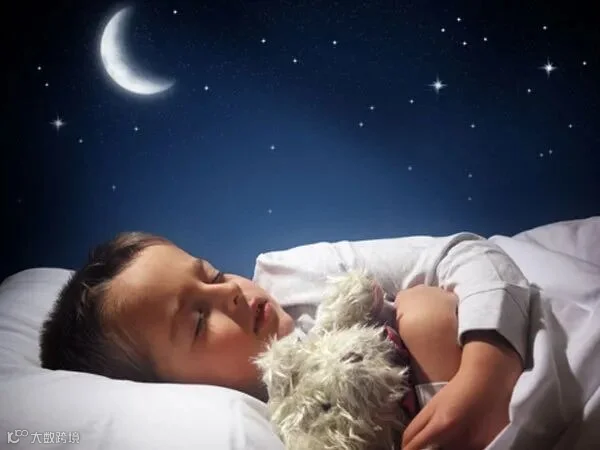
There's another dream theory -- the mood regulatory function theory -- that says dreams are for problem solving through emotional issues that we experience.
还有一种关于梦的说法是情绪调节功能理论。这种理论认为,我们利用梦境来调节自己所经历的情感问题。
The stress of a pandemic -- with its family, work and mental troubles -- can result in dreams that are equally upsetting, as dreams can not only help us cope but also reflect reality.
疫情所带来的压力——包括家庭、工作和心理方面的问题,同样会导致一些令人不安的梦境。因为梦不仅能够帮助我们处理情感问题,还能映射现实。
Vivid dreams may serve as coping mechanisms, or our brain's way of processing novel circumstances.
生动的梦境还可以作为一种应对机制,或者是我们大脑处理新情况的方式。
"What we do know is that it's patterns of sensory information that are being relayed in the brain. So you've got sight, hearing, touch, smell and taste. What's most interesting about dreams is that they're predominantly going to be sight-based or hearing-based," Ellis said.
“我们所知道的是,这是大脑传递感官信息的模式,所以(在梦里)你会有视觉、听觉、触觉、嗅觉和味觉。最有意思的是,梦境主要是基于视觉和听觉的,”埃利斯说。
These dreams mostly occur during REM -- or rapid eye movement -- sleep, our deepest phase of sleep that occurs in intervals during the night and is characterized by rapid eye movements, more dreaming and bodily movement and faster heart rate and breathing.
这些梦绝大多数都发生在REM睡眠——或者说快速眼球运动睡眠,也就是我们的睡眠最深的阶段。REM睡眠会在夜间间歇性地出现,伴随着眼球快速运动,更容易做梦,肢体动作频繁,心跳和呼吸频率加快等特征。
REM睡眠:快速眼球运动(rapid eyes movement)亦称异相睡眠 (Para-sleep)或者也叫快相睡眠,异相睡眠或快波睡眠,是一个睡眠的阶段,眼球在此阶段时会呈现不由自主的快速移动。在这个阶段,大脑神经元的活动与清醒的时候相同。多数在醒来后能够回忆的栩栩如生的梦都是在REM睡眠发生的。
"So the fantastical dreams people are reporting are most likely to be quite REM-based," Ellis said.
“所以,人们所说的那些奇怪梦境很有可能是在REM睡眠阶段发生的”,埃利斯说。

02
适应习惯改变
What's odd about some of our pandemic dreams isn't only the content of them or the fact that we're having them. It's that we're remembering them, which isn't typical -- normally, we'd forget most of our dreams shortly after waking up for the day.
疫情怪梦,不仅怪在梦的内容或者做梦这个行为本身,而是我们在醒来之后仍然能够记住做过的梦——这种情况并不常见。通常,我们在醒来之后不久就会忘记大部分梦。
Drinking more alcohol typically suppresses memories of dreams. But drinking more often can also wake us up more during that deep phase of sleep in which our brains are most active, thus making the dreams more memorable, Ellis said.
埃利斯称,酒精通常会抑制我们对于梦境的记忆。不过,人们喝酒越频繁就越容易从大脑最活跃的深度睡眠阶段(即REM睡眠)中醒来,因此也就更容易记得梦境。
Binge watching popular and favorite TV shows with exciting stories seems like a fine idea for entertainment while we're staying indoors. And we may also may feel the urge to stay updated on the news from the moment we awake till we fall asleep. But doing these things for hours before bed can contribute to a restless night ahead, Kryger said.
疫情期间,待在家里追一些情节刺激的热映电视节目似乎是娱乐的不二选择。我们也可能会有一种冲动:想要从起床睁眼到睡前闭眼实时了解有关疫情的最新消息。但是,克里格认为,睡前的几小时内做这些事可能会让你彻夜难眠。
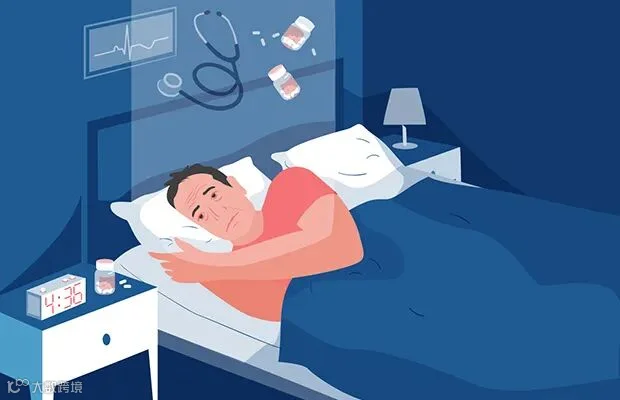
We could also be having strange dreams because our routines are all out of sorts.
我们会做这些奇怪的梦,还有一个原因是我们的日常生活乱套了。
"Usually when we've had to go into the office or we've had to go to work, there's been a very strong structure about what time you get up and leave; we would probably put ourselves to bed at a certain time so we could get up and get ready and do all of these things," Ellis said.
埃利斯说:“通常情况下,我们需要去上班,所以我们必须严格规划好起床和睡觉的时间。我们必须在固定的时间点睡觉,这样早上才有充足的时间在上班之前做好准备。”
Those things don't exist quite to the same degree for many of us as they had previously. Routines have suddenly become harder to establish and maintain and the motivation to go to sleep at the same time each night may be gone, which can upset the internal processes necessary for good sleep, Ellis said.
“(由于疫情的爆发)我们的日常生活相比之前改变了很多。我们很难再保持之前的生活习惯,也没有了每晚在固定时间上床睡觉的动力。这些生活习惯的改变打乱了良好睡眠所必需的生理循环过程。”
Not only have our routines changed in terms of work, but our social practices have switched as well. Since we're social creatures, we've creatively adapted to new ways of interacting with our friends and family, such as virtual dinners, movie watching and live streams on social media.
除了工作的日常,我们的社交也同样被打乱了。不过,人作为社会动物,很容易就能适应与朋友和家人之间交流的新方式,比如虚拟晚餐、虚拟观影和社交平台直播等。
Interacting in these ways in person can be perfectly healthy. But the light exposure from screens hours before bed, no matter the purpose, can be detrimental to ensuring a good night's sleep, Ellis said.
埃利斯说:“用这些方式进行互动是非常健康的,但是,无论如何,睡前长时间盯着屏幕都不利于保障良好的睡眠质量。”

03
提高睡眠质量
It can be difficult to adopt positive, productive habits during these stressful times. But trying your best to still maintain good sleep hygiene can not only help ensure a good night's rest, but also prevent the development of more serious problems in the long run.
在这样的高压时期,我们很难养成积极的、高产的习惯。但是,尽量保持良好的睡眠卫生不仅能保证良好睡眠,长远来看还可以从预防一些更严重的问题。
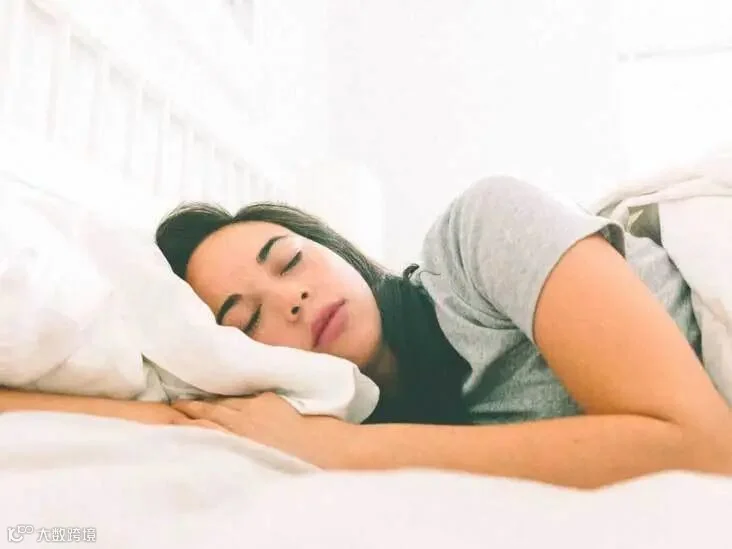
Healthy sleep habits include signing off from screens two to four hours before bed and trying to turn in at the same time each night. Turning off the news for a little while before bed can also help cut back on the anxiety that may present as stressful dreams, Kryger said.
克里格说,健康的睡眠习惯包括睡前2-4小时不看屏幕,每晚争取在同一时间上床睡觉。在睡前一段时间不看新闻也能够帮助降低人们的焦虑感——这种焦虑可能致使充满压力的梦境。
"We know that when somebody is not sleeping very well, it creates an incredible risk for them to develop depression in the future or develop post-traumatic stress disorder in the future," Ellis said.
“我们都知道,当一个人睡得不好时,会极大地增加他在未来患抑郁症或创伤后精神紧张性精神障碍(PTSD)的风险。”埃利斯说。
"So I think what we need to do right now is focus on managing people's sleep to try to prevent a lot of psychological illnesses that are going to come up nine, 10 months down the line.”
“所以我认为当务之急是处理好人们的睡眠问题,避免在9、10个月后涌现大批心理疾病患者。”

原文链接:
https://edition.cnn.com/2020/04/10/health/meaning-dreams-coronavirus-wellness/index.html
编译 | 李旻艺 黄思谊 陆风后 刘宇航 马林 周冰倩
排版 | 李旻艺
指导老师 | 刘佳