



编者按
A decade ago, many Japanese were so embarrassed to be seen eating alone in the school or office cafeteria that they’d opt to eat in a bathroom stall. Appearing friendless was a no-no, leading to what became known as “benjo meshi” – taking a “toilet lunch”.
十年前,日本人觉得被人看见独自在学校或办公室的餐厅吃饭还是一件让人尴尬的事,所以他们大多会选择在厕所的隔间里吃饭。因为不能表现出一副没有朋友的样子,这就出现了被称为 “benjo meshi”——“厕所午餐”的现象。
But Japan is changing in a big way. Bar Hitori, which opened in mid-2018, represents an unusual opportunity in conformity-driven Japan – to go out and drink by yourself. And it’s doing well: instead of hiding in toilet stalls, people are stepping out and embracing being seen solo.
但日本正在发生巨大的变化。2018年年中开业的Hitori酒吧(限定一人的酒吧),对保守传统的日本人来说代表着非同一般的机遇——独自出去喝酒。这个酒吧做的很好:人们不再躲在厕所隔间里,而是走出去,享受自己一个人。
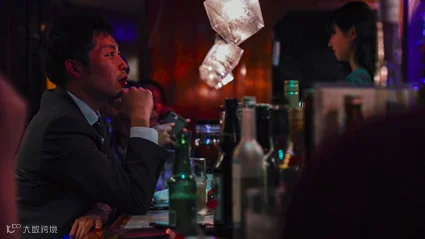
Yet Hitori – hitori means “one person” – is by no means the only example of how businesses are changing to accommodate people who want to do things by themselves. From dining to nightlife to travel, new options catering specifically to individuals have popped up in recent years. It’s known as the “ohitorisama” movement: people boldly choosing to do things alone, the opinions of others be damned.
然而,Hitori酒吧绝不是唯一的一个为了喜欢独处的人而做出改变的企业。近年来,从餐饮到夜生活再到旅游,有很多行业出现了专门针对单人活动的新选择。这被称为“单人主义”:人们大胆地选择独自做事,不去在乎旁人的眼光。
尽享单身,静味独处
Loosely translated, “ohitorisama” means something like “party of one”. Search for the hashtag on Instagram in Japanese and you’ll find hundreds of thousands of photos: plated restaurant meals for one, cinema hallways, pitched tents at campgrounds or transport shots highlighting solo adventures. In the last 18 months particularly, more and more people have been declaring their love of ohitorisama alone time in both the news and social media.
"ohitorisama"可以粗略地翻译为"一个人的派对"。在Instagram上用日语搜索这个关键词,你会发现数不尽的照片:单人餐馆,单人观影,还有独自旅游时扎帐篷的营地和交通工具的照片。特别是在过去的18个月里,越来越多的人在新闻和社交媒体上宣称自己喜欢独处。
One recent innovation is “hitori yakiniku”. Meaning “grilled meat”, yakiniku usually involves sitting around a gridiron at a restaurant table with a group of people and communally cooking mountains of chicken, beef or pork. But with, the only one grilling (and eating) all that meat is you.
最近的一个创新是 "单人日式烤肉"。一般烤肉时会有一大群人围在桌前,一起烤大量的鸡肉、牛肉和猪肉。但由于“单人主义”的兴起,"单人日式烤肉"时只有一个人独自大快朵颐。
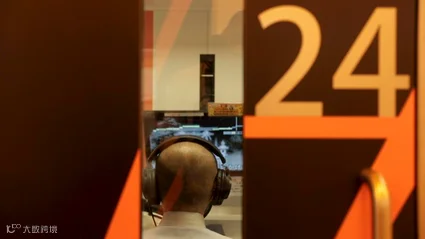
Even karaoke is going solo – a huge change to the classic Japanese pastime. In Japan, karaoke spots are everywhere, often big buildings with several floors of private karaoke rooms built for groups of various sizes. But demand from solitary singers has been growing, and so the 1Kara solo karaoke company swapped large group rooms for phone booth-sized personal recording studios.
甚至KTV都出现了单人化趋势,这对传统的日本娱乐活动来说是一个巨大的转变。在日本,随处可以看到KTV门店,通常是一栋大楼里建有几层KTV包厢,不同包厢适合不同大小的人群。但是单人包厢的的需求越来越大,所以1Kara单人KTV公司把大包间换成了电话亭大小的个人录音室。
In Japan, drinking and nightlife activities have traditionally been shared with colleagues or friends, while food culture means dinners are often shared. So the ohitorisama movement represents a major shift. But what’s driving the change and why exactly is it considered so significant?
在日本,人们的夜生活与饮酒通常都会与同事朋友结伴而行,日本的饮食文化中人们会共享晚餐。所以“单人主义”代表了一个重大转折。但是,什么在推动这种变化?为什么人们认为这种变化这么重要?

追求融洽,背负压力
In many nations, being solo might not seem so surprising.But in a country where conformity and being part of the group have always been highly-prized, it is a big deal. Japan’s 125 million people are crammed into an archipelago a bit smaller than California – and four-fifths of that land is mountainous and uninhabitable. Space has long been at a premium, so emphasis has been placed on collectivity and fitting in with others.
在很多国家,单独行动似乎并不是什么稀奇事。但在日本这样一个崇尚集体精神与从众性的国家里,就非同小可了。日本全国1.25亿人口都挤在土地面积比加利福尼亚州还略小的岛屿上,并且五分之四的国土面积多山,不宜居住。由于个人空间一直都很稀缺,岛国人民十分重视集体主义和集体的融洽。
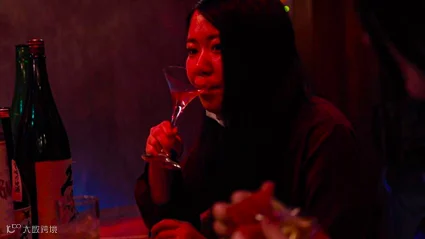
Matsushita,a senior consultant at Japan’s largest economic research firm, says that along with the rise of social media – the way friend numbers or likes can dictate your value – this led to stifling peer pressure that stigmatised being seen alone. She says the blowback from this and the 24/7 communication culture then fueled the rise of ohitorisama.
松下是日本最大的经济研究公司的一名高级顾问。她认为,社交媒体的兴起让好友量或点赞数决定一个人的价值,这让独身者感受到了令人窒息的同辈压力与耻辱。松下表示,这种现象以及全天候交流的文化倒逼了“单人主义”的盛行。
In the case of benjo meshi, the sociologist who coined the term in 2008, Daisuke Tsuji of Osaka University, found that students ate in the toilet stall not because they didn’t like eating alone, but because they didn’t want their peers to think they had no one to share a meal with.
“Benjo meshi”(厕所午餐)一词最初由社会学家于2008年提出。大阪大学的津田大辅发现,学生们在厕所隔间里吃饭的原因,并不是因为他们不喜欢独自吃饭,而是因为他们不想让同学觉得自己连个一起吃饭的人都找不到。
But Matsushita believes this is changing, “'You have to get married, you have to have a child' – these social pressures are decreasing,” she says.
但松下相信,这种现象正在改变。她说:“‘人一定要结婚生子’式的社会压力正在逐渐减小。”
超级社会,单飞万岁
Part of the equation is that Japanese society is undergoing a seismic demographic shift. The birthrate is falling, and the number of single-person households is rising. Declining marriage rates are contributing to the rise in people who live alone but so too is the fact that more seniors in one of the world’s fastest-greying nations are becoming widows or widowers. As a result, amid these new demographics, how consumers behave and how businesses cater to them are changing.
发生这种变化的部分原因在于,日本社会正在经历人口结构的剧变:出生率下跌,且独居的人数在攀升。造成后者的原因,一方面是结婚率降低,但不容忽视的是,日本作为全世界老龄化最快的国家之一,越来越多的老年人成为了寡妇或鳏夫。因此,基于全新的人口特征,新的消费者行为和商业模式应运而生。
Ohitorisama also offers opportunities to those who are part of a “traditional” family unit, experts say. Arakawa’s research in 2018 found that up to one in three married people do solo activities like occasionally travel alone. Matsushita, who’s married with kids, agrees, saying: “I enjoy hitori karaoke alone, sometimes.”
专家称,“单人主义”也为那些来自传统家庭模式的人提供了契机。荒川和久在2018年的一项调查中发现,高达三分之一的已婚人士会单独行动,比如偶尔独自出游。同样,已结婚生子的松下很赞同这种做法:“有时候我特别享受一人卡拉ok。”
When it comes to elderly singletons, Matsushita says that this group – especially women – have “psychological resistance” to being seen alone. But she believes that as they see the younger generation continuing to push boundaries things could change, especially as marketers of solo services know that pensioners are a demographic with both time and money.
谈及年长的单身人士,松下认为这个群体心理上会抗拒让别人看到自己孤身一人,尤其是女性。但她相信,当这些人看到年轻一代正不断突破传统界限后,情况将会改变,尤其是现在单人服务行业已意识到,这些领着养老金的退休群体既有钱又有闲,是可以发展的客户。
独而不孤,大势所趋

Needless to say, it’s not just Japan that is undergoing the kind of societal changes that have contributed to ohitorisama. As birth rates slump, marriage ages climb and populations age, many nations are seeing a rise in those leading single lives.
毋庸置疑,不仅仅是日本在经历这种能够催生单身主义的社会变化。随着出生率下降、结婚年龄提高和人口老龄化,许多国家的单身人口都在增加。
“A ‘super solo society’, characterised by young people who never get married and the elderly who become single again after being widowed, will be the future of all countries, not only Japan,” says Arakawa. “It is no longer practical to focus a business solely on families.”
荒川说:“一个以不婚年轻人和丧偶单身老人为特征人群的‘超级单身社会’将是所有国家的未来,不单是日本。仅仅把家庭做为服务对象的商业模式已不再实际。”
Of course, in nations where doing things by yourself – dining, drinking, exploring – raises fewer eyebrows, the phenomenon of “parties of one” enjoying everything society has to offer will be less pronounced. But in Japan, its relatively rapid evolution has become a hot topic.
当然,在有些国家,一人食、一人饮、一人探险,自己做自己的事情,享受世界的行为方式并不会引起很大关注。但是在日本这种现象的变化相对来说较快,已经成为一个热议主题。
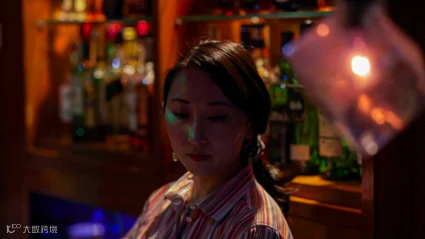
And it’s the combination of demographic shifts coupled with the emergence of more flexible attitudes about how lives can be lived that has helped ohitorisama to flourish. “It’s only 10 years ago they said ‘lunch in a toilet’,” says Matsushita. “But, after 10 years, we have so many [solo] services. People tend to think positively about being alone.”
况且,人口结构发生变化,人们对待生活方式的态度也更加灵活,这些因素结合起来,单身主义才得以盛行。“就在十年前,他们还说着‘厕所午餐’,但是十年后的今天,我们就有了这么多单人服务。人们倾向于积极看待独处这件事情。”松下如是说。

~ THE END ~

原文链接:
https://www.bbc.com/worklife/article/20200113-the-rise-of-japans-super-solo-culture
编译:王夏雯 戴怡安 祖芃芃 吕适言 王姝
排版:王姝
审核:周雨旸
指导老师:刘佳