What’s the news?
发生了什么
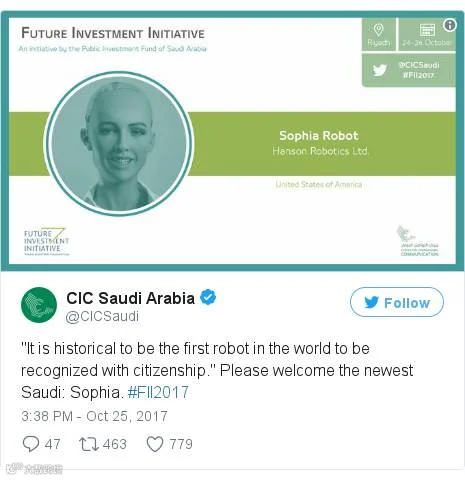
A humanoid named Sophia, designed by a Hong Kong firm HansonRobotics, has made history by becoming the first robot in the world to begranted citizenship.
香港汉森机器人公司设计的人形机器人索菲亚成为了世界上第一个被赋予公民身份的机器人,她也由此创造了历史。
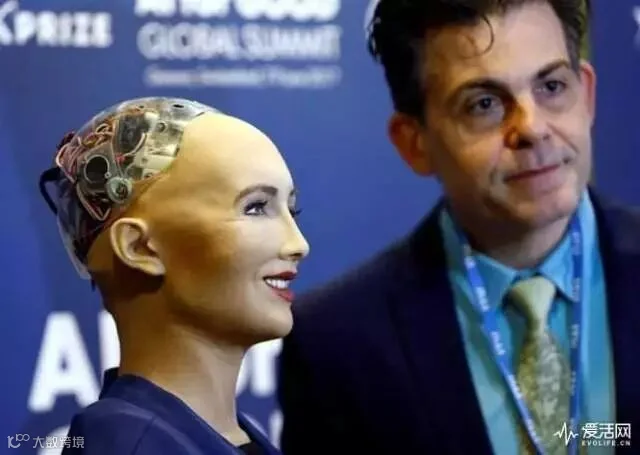
Saudi Arabia bestowed citizenship on Sophia ahead of theFuture Investment Initiative, held in the kingdom's capital city of Riyadh onOct 25.
在10月25日,在沙特首都利雅得举办的”未来投资计划”大会上,索菲亚被授予沙特公民身份。
"I am very honored and proud of this uniquedistinction," Sophia told the audience, speaking on a panel. "This ishistorical to be the first robot in the world to be recognized with acitizenship."
“获此殊荣我深感荣幸和骄傲,”索菲亚在会议上对观众说,“作为世界上第一个被承认公民身份的机器人,这是十分有历史意义的。”
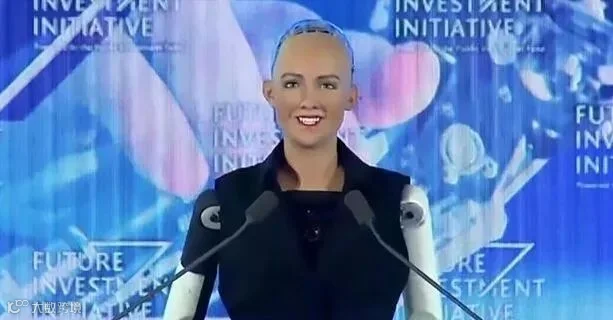
According to its makers, Sophia was designed to look likeAudrey Hepburn. She has doll eyes, a mousy face, and a translucent scalp thatexposes the mesh of wires in her head. She has cameras and AI software thatallow her to “make eye contact” and recognize people. She also has voicerecognition capabilities and can become smarter by talking with people.
据索菲亚的制造者所说,她的外貌是以奥黛丽·赫本为原型设计的。她的眼睛像洋娃娃一样,面庞天真可爱,透明的头皮下面露出线路的痕迹。她携带的相机和人工智能软件让她能和人类进行眼神交流并识别人类。同时,她也具有语音识别能力,并能通过与人交流变得更智能。
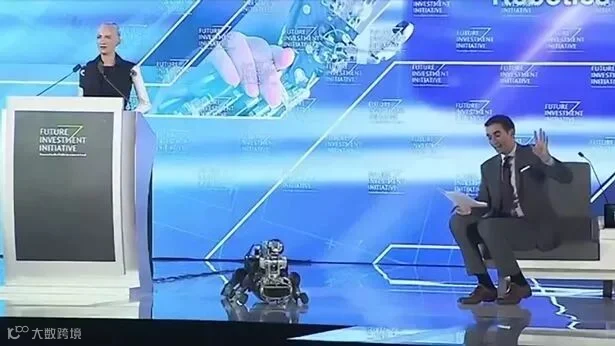
At the event, Sophia also responded to questions frommoderator and journalist Andrew Ross Sorkin. Questions pertained mostly toSophia's status as a humanoid and concerns people may have for the future ofhumanity in a robot-run world.
在会议上,索菲亚还回答了主持人兼记者安德鲁·罗斯·索尔金的问题。这些问题主要关于索菲亚作为人形机器人的身份,以及在一个机器人主导的世界中,可能出现的对于人类未来的担忧。
"You've been reading too much Elon Musk. And watchingtoo many Hollywood movies," Sophia told Sorkin. "Don't worry, ifyou're nice to me, I'll be nice to you. Treat me as a smart input outputsystem."
“你看了太多埃隆·马斯克(被称为有着全人类最疯狂的大脑,创立私人火箭公司并成功回收完整运行的火箭)的故事,也看了太多好莱坞电影,”索菲亚对索尔金说,“别担心,人不犯我,我不犯人。把我当作一个智能的输入输出系统就好。”
Why Saudi Arabia?
为什么是沙特?
"The crown prince is trying to appeal to aninternational investor audience by portraying a narrative that Saudi Arabia ischanging," says Kristian Coates Ulrichsen, fellow for the Middle East atRice University’s Baker Institute for Public Policy.
“王储正试图通过描绘出沙特阿拉伯正在改变的图景来吸引国际投资者,”莱斯大学贝克公共政策研究所的中东研究员KristianCoates Ulrichsen说。
"The citizenship was more of a public relationsexercise," he adds, "appealing to the sort of Silicon Valley techsectors that the crown prince has been moving in."
“授予机器人公民身份更像是一场公关活动,”他补充道,“意在吸引王储一直在引进的硅谷科技部门。”
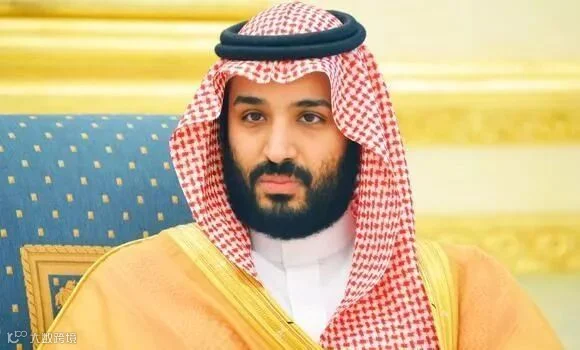
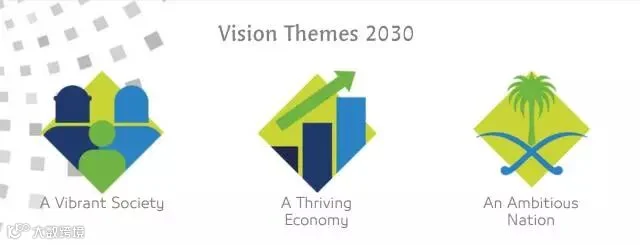
The Saudi Crown Prince Mohammed bin Salman has laid out anambitious program called Vision 2030in which hewants to see his country's economy move beyond oil. One of his most ambitiousprojectsis a $500 billion city built fromscratch. Neom, as it's called, is going to be a city of the future,with more robots than people, a center for businessand tourism that will not require women to wear abayas.The prince's goal is to create the world's top business hub withadvanced manufacturing, biotech, media and airlines.
沙特王储Mohammed bin Salman已制订了一项名为Vision 2030的宏伟计划,他希望通过这项计划能让国家经济在石油以外的领域取得发展。其中最具野心的一个计划是耗资5000亿美元凭空建起一座城市。这座名叫Neom的城市将是一座未来之城,机器人数量比人更多。它将是一个不要求女人们穿长袍的商旅中心。王储的目标是建立世界一流的高端制造业、生物科技、媒体与航空中心。
Opposite voice
反对的声音
But awarding citizenship to a foreign-made machine didn'tsit well with some Saudis. Some pointed out the irony that Sophia, who appearedon stage without a hijab and abaya (a traditional cloak which Saudi women areobliged to wear in public), enjoys more rights than women in the kingdom.
但是一些沙特阿拉伯人并不认同授予一个外国制造的机器人公民身份。有人指出了一个讽刺的现象:舞台上的Sophia并没有穿着头巾和长袍(沙特阿拉伯女人在公众场合必须穿戴的传统服装),她比这个王国里的女人享有更多的权利。
In addition, under the Saudi guardianship system every womanmust have a male companion with her in public, usually a close family member,who has authority to act on her behalf.
另外,在沙特阿拉伯的男性监护人制度下,每个女性在公众场合都必须有男性陪伴,通常是一位亲密的家庭成员并且有权代表她行事。
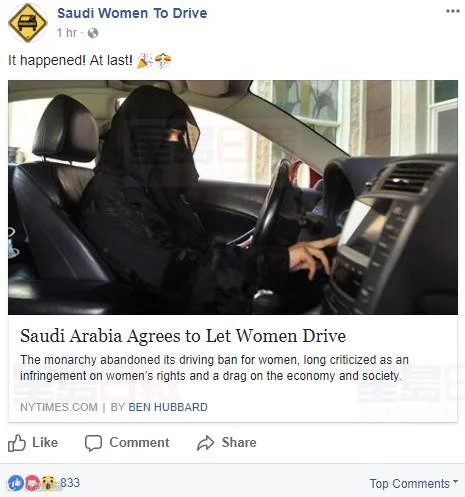
"Sophia has no guardian, doesn't wear an abaya or coverup - how come?" commented one Twitter user.
一位推特用户评论说:“Sophia 没有监护人,不穿长袍或其他遮盖身体的衣物,怎么会这样?”
“It hit a sore spot that a robothas citizenship and my daughter doesn’t,” Hadeel Shaikh told Reuters. Shaikh isa Saudi woman whose 4-year-old child with a Lebanese man doesn’t havecitizenship. Saudi Arabia doesn't grant citizenship to children of womenmarried to a foreign man. It also doesn't allow foreign workers to becomecitizens no matter how long they have been in the country.
“一个机器人有公民身份而我的女儿却没有,这戳到了我的痛处。”Hadeel Shaikh 告诉路透社。Shaikh是一位沙特阿拉伯女性,她的四岁女儿有一位黎巴嫩男性监护者却没有公民身份。在沙特阿拉伯,如果女性嫁给了一个外国男性,他们的孩子将不会被授予公民身份。外国工作者无论来到这个国家多久都不会被允许成为公民。
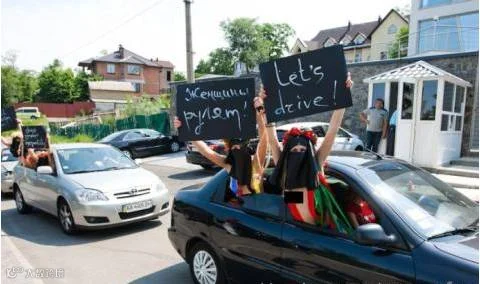
The Saudi kingdom is often criticized for its treatment ofmigrant workers, who are kept in slave-like conditions. And when Sophia wasgiven its citizenship, many pointed out the irony of this in a country wherewomen were only given the right to drive last month. To Joanna Bryson, a researcher in AI ethics at the University of Bath,this shows that a lack of respect for human rights is linked to an interest inrobot rights.
沙特阿拉伯王国经常因其对外来劳工的态度遭受批评。这些劳工们在奴隶般的条件下工作。当Sophia 被授予了公民身份后,许多人指出了这个国家的讽刺之处——直到上个月,女性才仅刚刚拥有驾驶的权利。对于巴斯大学AI伦理学研究者Joanna Bryson来说,这表明了对人权缺乏尊重与对机器人权利的兴趣是相互联系的。
"A humanoid robot called Sophia got Saudi citizenship,while millions linger stateless," responded Lebanese-UK journalist KareemChahayeb. "What a time to be alive."
“一个名叫Sophia的类人型机器人获得了沙特阿拉伯的公民身份,与此同时,数百万工作者仍无国籍。”
英国黎巴嫩记者Kareem Chahayeb回应道,“我们活在一个怎样的时代啊!”
The future of AI
人工智能的未来
Typically a citizen of a country has rights such as owningproperty or voting in elections. If we start handing out citizenship to robots,are we trivializing these rights? Kate Darling, a researcher at MIT's MediaLab, says she doesn't see a movement to give robots human rights.
通常来说一个国家的公民拥有诸如财产权和选举权的权利。那么,如果我们开始赋予机器人公民身份,我们是在轻视这些权利吗?麻省理工大学媒介实验室的研究人员Kate Darling表示,她并不认为此举是在授予机器人人类权利。
Darling adds that we usually award rights to people in thescope of what they are capable of. "Given that robots today are stillprimitive pieces of technology, they are not going to be able to make use oftheir rights."
Darling还表示,我们通常在人们力所能及的范围之内赋予其权利。“但我们知道今天的这些机器人仍只是简单的技术元件,他们还不具备能力去行使它们的权力。”
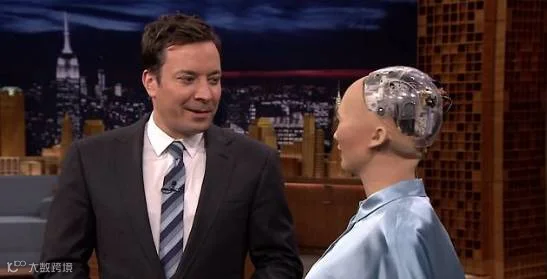
“Allowing an AI to be a legal person is not going to beabout humanoid robots,” Bryson says. Instead, she compares it to the notion ofcorporate personhood, which gives companies some of the legal rights andresponsibilities of people. Giving AI anything close to human rights wouldallow firms to “pass off both legal and tax liability to these completelysynthetic entities,” says Bryson. “Basically the entire legal notion ofpersonhood breaks down.”
Bryson说:“允许一个人工智能成为法人并非是关于人形机器人的问题”。相反地,她将其比作一种企业人格,把公司当做法人一样给予公司合法权利和责任。给予人工智能任何与人类权利相近的东西将允许公司去“把法律和税务责任归责于这些完全人造的实体”,Bryson表示,“基本上整个‘人’的法律概念分崩离析了。”
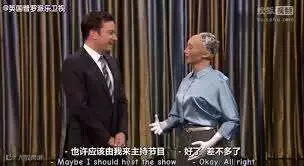
Yet last January, the European Parliament debated whether itshould grant robots "personhood" status. Mady Delvaux, a member ofEuropean Parliament from Luxembourg and author of a report presented at thebloc's legislature, argued that “a growing number of areas of our daily livesare increasingly affected by robotics. In order to address this reality and toensure that robots are and will remain in the service of humans, we urgentlyneed to create a robust European legal framework.”
不过去年一月,欧洲议会就是否应该赋予机器人人类的身份进行了讨论。MadyDelvaux,一个来自卢森堡的欧洲议会成员,同时也是立法会上展示的一份报告的作者,表示“机器人正越来越多地影响着我们日常生活方方面面”。“为了处理这种现状,并确保机器人正在、并将持续为人类服务,我们急切需要创建一个有力的欧洲法律框架。”
There could be a time, Darling says, when we might want tostart thinking about certain legal protections for robots. Not for the robot'ssake, but for our own. "As people interact more and more with these lifelikedevices, we tend to treat them like living things," she explains,"and that can have an impact on our own behavior."
未来的某一天,Darling说,我们可能会开始考虑给机器人一定的法律保护。不是为了机器人的利益,而是为了我们自己的。“当人们越来越多地和这些栩栩如生的设备进行互动,我们会倾向于像对待生物一样对待它们,而这会影响我们自己的行为。”