


当下植物性肉类风靡全球,植物性海鲜产业也成为一些人眼中新的发展机会,它能否复制植物性肉类的“神话”?疫情之下又面对着怎样的机遇与挑战?来跟随小Q一起一探究竟吧。
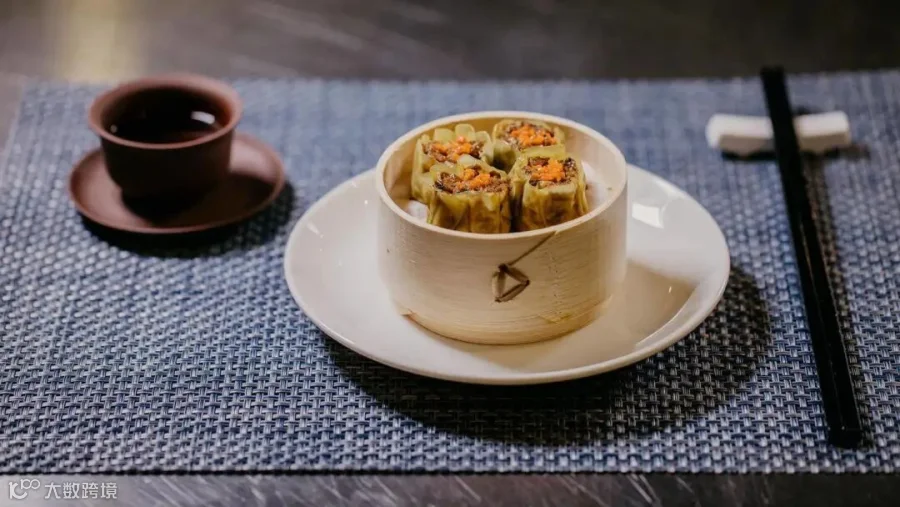
Seafood is difficult to veganise well, but some companies are betting on new technologies and customers to overcome the challenges.
纯素食海鲜很难实现,但一些公司将赌注押在了新技术和新客户身上,希望能够克服这一难题。
Seaweed-wrapped deep-fried tofu, served in newspaper. Marinated aubergine slices pressed over rice. Chunks of legume protein coated in oil and herbs. These products are intended to mimic various fish dishes – fish and chips, unagi, canned tuna – and they’re all available now.
报纸上海草包的油炸豆腐,压在米饭上的腌制茄子片,包裹在油和草药中的豆科蛋白。这些产品旨在模仿各种鱼类菜肴——炸鱼薯条、鳗鱼寿司、金枪鱼罐头——而且现在都可以买到。
Faux seafood isn’t entirely new, but products are limited and many of those that have been available so far have been underwhelming and undermarketed. These range from bland tofish and chips served in pubs to rubbery faux shrimp sold in Chinese grocers’ freezer sections, part of the long tradition of imitation meats in Chinese Buddhist cuisine.
人造海鲜并不是全新的产业,但其产量相对有限,目前市面上的许多人造海鲜都没有引起强烈的反响,也并未得到足够的市场推广。从酒吧里提供的寡淡无味的炸鱼薯条,到中国杂货店的冷冻区出售的橡胶状假虾(人造肉是中国佛教饮食传统中的一部分),不一而足。
These products are ripe for the kind of innovation that has driven and expanded the plant-based meat industry. Yet faux seafood manufacturers seeking to make niche products mainstream face some unique challenges, from cultivating great taste and texture through to scaling costs for ambitious new offerings.
这些产品已经足以带动植物性肉类产业的创新驱动和扩散。然而,从还原海鲜的美味和肉质到降低新产品的成本,努力尝试让这一小众产业进入主流视野的人造海鲜产品制造商正面临一些特殊的挑战。
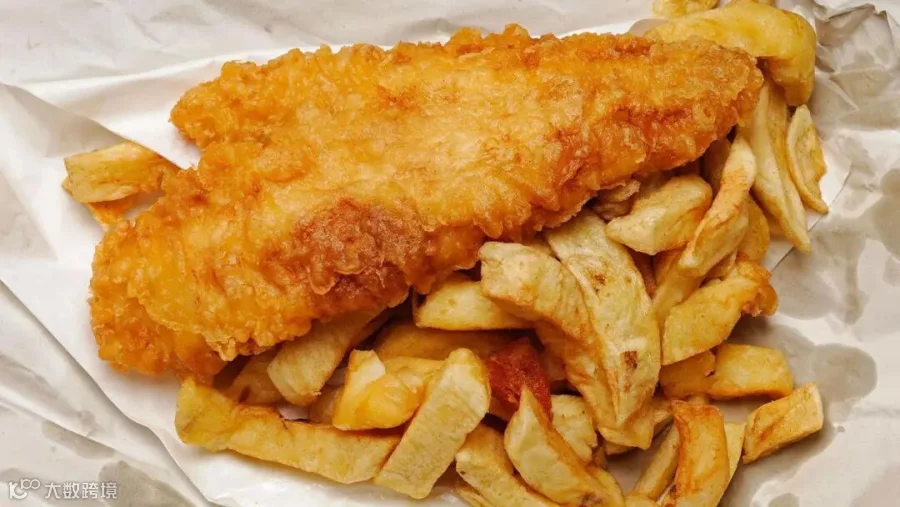
Right now, there’s no vegan alternative that accurately mimics fish and chips – but some are hoping to change that (Credit: Alamy)
目前,还没有一种能完全模仿炸鱼薯条的全素食做法——但有些人希望能改变这一现状。
01 小众市场 亟待破局
One issue is the technical challenge of replicating flaky, fragile seafood. That means shelf-stable mock tuna has been easier to produce than fillets, and the great majority of plant-based seafood retail sales are of frozen products. The few companies in this space also tend to focus on perfecting a single faux seafood product rather than working on multiple products simultaneously.
其中一个问题是复制海鲜片状易碎肉质的技术挑战。这意味着耐储存的人造金枪鱼比鱼片更容易生产,而且绝大多数零售的植物性海鲜都是冷冻产品。原本数量不多的研究这一领域的公司也倾向于专注于完善单一的人造海鲜产品,而不是同时开发多种产品。
Another thorny issue is nutrition. “People typically turn to conventional seafood for health benefits. And so being able to come really close to those benefits is extremely important on the plant-based seafood side,” says Jen Lamy, the sustainable seafood manager for the Good Food Institute (GFI).
另一个棘手的问题是营养。“人们通常会选择传统的海鲜来获得营养。因此,能够真正提供这些营养,对于植物性海鲜来说是极其重要的,”Good Food研究所可持续海鲜经理詹拉米说。
Yet that’s been difficult to achieve. Good Catch’s fish-free tuna may come closest, with a legume blend providing protein and algal oil providing a source of omega-3 fatty acids. Perceived health benefit is the main driver of flexitarianism in the UK, and flexitarianism is in turn the main driver of mainstream take-up of faux meat. So nutrition is key if alternative seafood companies want to expand their consumer base for currently niche products.
然而这很难实现。Good Catch的合成金枪鱼可能是最接近真实海鲜营养的的,豆类混合物提供蛋白质,海藻油提供omega-3脂肪酸的来源。在英国,所谓的健康是弹性素食主义的主要驱动力,而弹性素食主义又是人造肉被主流接受的主要驱动力。因此如果替代海产品公司想要扩大目前产品小众的消费群体,营养无疑是关键。
02 需求增长 机会增多
Overall, it’s taken consumers a while to begin clamouring for plant-based seafood. Nutrition aside, it’s also because animal welfare concerns about lobsters and farmed fish may not motivate vegetarians and vegans the way pigs and cows do. This is partly cultural and historical: fish aren’t considered meat under Catholicism, for instance, and so their consumption is acceptable on Fridays during Lent.
总之,消费者花了一段时间才开始接受植物性海鲜。撇开营养不谈,这也是因为对龙虾和养殖鱼的动物福利担忧可能不会像猪和牛那样激励素食主义者。这在一定程度上出于文明和历史原因:例如,在天主教的教义中,鱼不被视为肉类,因此在大斋节的星期五,食用鱼是可以接受的。
Yet the UK opened its first pop-up vegan fish and chip shop in 2018, with the vegan menu subsequently being rolled out to all locations of London chippy chain Sutton & Sons. Vegan items now contribute about 20% of their total revenue, reports Sutton & Sons spokesperson Nicholas O’Connor. And the vegan menu continues to expand, from ‘prawn’ cocktail to ‘calamari’ strips and the recently added ‘lobster’ roll.
然而,英国在2018年开设了第一家素食鱼和薯条店游击店,素食菜单随后被推广到伦敦知名连锁店萨顿父子的所有门店。萨顿父子公司发言人尼古拉斯•奥康纳表示,纯素食品目前约占其总收入的20%。素食菜单也在不断扩展,从“对虾”鸡尾酒到“鱿鱼”条和最近添加的“龙虾”卷。
Shellfish allergy is the most common food allergy in many countries, creating space for shellfish simulacra
贝类过敏在许多国家都是最常见的食物过敏,这为人造贝类创造了发展空间。
In general, alternative seafood poses an enormous opportunity for investors. There’s huge potential for replicating the many types of seafood that end up on dinner plates. As well, shellfish allergy is the most common food allergy in many countries, creating space for shellfish simulacra (after all, lactose-sensitive people were important to the expansion of dairy-free milk).
总的来说,人造海鲜食品为投资者提供了巨大的机会。人造海鲜具有巨大发展潜力,此外,贝类过敏在许多国家都是最常见的食物过敏,这也为人造贝类创造了发展空间(毕竟,乳糖不耐受人群对于无乳奶制品的发展十分重要)。
Some observers believe that the transition from conventional seafood to plant-based versions will happen more rapidly than the shift from dairy milk to dairy-free, because of the high demand for seafood and the dwindling wild supply (and as many large fish species can’t be easily farmed). And even if ethical eaters are less concerned about the welfare of marine animals, awareness of the human rights abuses in global fishing chains and the potential depletion of certain marine species may be compelling.
一些观察者认为,如今海产品需求增加,同时野生海产品供应逐渐减少(并且许多大型鱼类不易养殖),因此相比奶制品的无乳化,传统海产品向素食海产品的转变将更迅速。而从伦理道德层面考量,即使食客们不那么关心海洋动物权益,全球渔业链侵犯人权的行为以及一些海洋物种的潜在枯竭也会让他们感同身受。
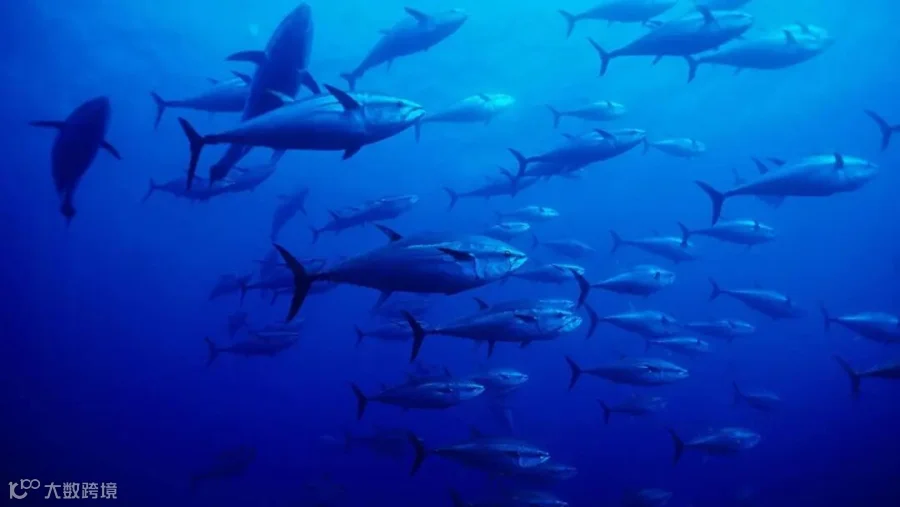
Some prized fish, like bluefin tuna, are critically endangered. Environmental concerns could help boost demand for faux seafood products (Credit: Alamy)
一些珍稀鱼类,例如蓝鳍金枪鱼,正濒临灭绝。对环境的担忧可以有助于提高对人造海产品的需求。
03 初创企业 规模扩大
The last 18 months have seen a number of important product launches and fundraising rounds; for instance, the company BlueNalu completed a $20m fundraising round in February 2020. A single company or investor could have an outsize impact on the overall market.
在过去的18个月里,各个公司都推出了一些重要的产品并进行了几轮融资;例如,BlueNalu公司在2020年2月完成了一轮2000万美元的融资。仅是一个公司或投资者都可能对整个市场产生巨大影响。
So could a government. Singapore, which has been working to move away from its dependence on imported food, has become a leader in alternative seafood. The Singapore Institute of Food and Biotechnology Innovation began collaborating in August 2019 with the Singaporean branch of Sophie’s Kitchen, a US plant-based seafood company, on fermenting microalgae to produce a protein substitute.
政府在这个问题上也是如此。一直致力于摆脱对进口食品依赖的新加坡,已经成为人造海鲜的引领者。新加坡食品与生物技术创新研究所从2019年8月开始与美国素食海鲜公司索菲厨房新加坡分公司合作,通过发酵微藻来生产蛋白质替代品。
And Singapore’s Shiok Meats, which is working on cell-based crustacean products, could well become the first cell-based seafood company to enter the market. Sandhya Sriram, the CEO of Shiok Meats, explains that the company has received grants, tax rebates and regulatory assistance from the Singaporean government thus far, and is hoping to obtain additional funding and manufacturing support in the future.
新加坡Shiok Meats公司正致力于研发细胞层面的甲壳类产品,它很可能成为第一家进入市场的细胞性海鲜公司。Shiok Meats的首席执行官桑德亚•斯利拉姆解释说,该公司目前已经得到了新加坡政府的拨款、税收优惠和监管支持,并期待未来能获得更多的资金和生产支持。
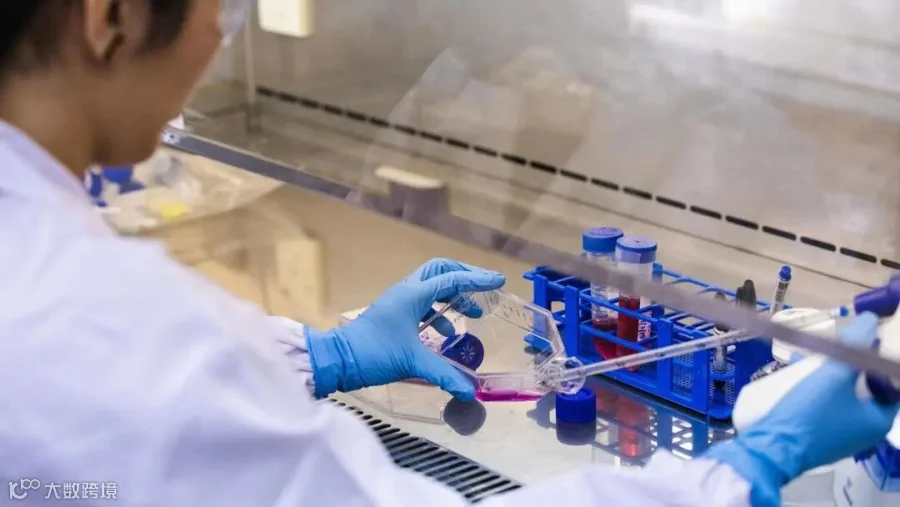
Cell-based meat is created from the cells of donor animals. Here shrimp stem cells are being grown in a pink-coloured nutritional solution (Credit: Shiok Meats)
此类细胞肉制品通过供体动物的细胞制作而成。图为虾干细胞在粉红色的营养液中生长。
Cell-based meat, sometimes called lab-grown meat or clean meat, has identical cellular structure to animal meat but doesn’t require slaughter. Instead cells from initial “donor animals” are grown in a bioreactor. The cell lines can continue to be used over and over, creating great potential to reduce animal suffering – although for the moment the process is energy-intensive and divisive.
细胞性肉类,有时也被称为实验室培育肉类或净肉,具有与动物肉相同的细胞结构,但不需要通过屠宰动物获取,而是在生物反应器中培养来自原始“供体动物”的细胞。这些细胞系可以继续被反复使用,以此或许可以极大地减少动物的痛苦——尽管目前培育过程的能源消耗量很大,引发了很多争议。
Sriram acknowledges that not all vegetarians and vegans will be on board with this kind of seafood of the future. “At the end of the day, cell-based meats are still very much meats to the biological and cellular level – so if you do not eat meat, for example, for religious reasons, cell-based meats may not suit you. But for me as a vegetarian, for ethical reasons, I can consume cell-based meats without any guilt.”
斯利拉姆承认,并不是所有的素食者和纯素主义者都接受未来的这种海鲜。“说到底,细胞性肉类在生物和细胞层面上来说,基本仍算作肉类,所以如果你因为宗教原因不吃肉,那么细胞性肉类可能不适合你。但对我来说,作为一个素食者,出于道德上的原因,我可以毫无负罪感地食用细胞性肉类。”
It will take some time to get there, in any case. A single dumpling made with Shiok shrimp would cost about S$150 ($107, or £85). Sriram says that the company is still at the “R&D scale” but has plans to grow operations and reduce costs. In general, cell-based and plant-based meats are still more expensive than the conventional versions; as with Shiok, this is primarily an issue of a smaller scale.
然而,达到那样的效果需要一些时间。目前用细胞性肉类做的一个虾饺大约需要150新元(折合107美元,85英镑)。斯利拉姆表示,该公司仍处于“研发阶段”,但正计划扩大运营、降低成本。总的来说,细胞肉制品和植物肉制品仍然比传统肉制品贵得多;与Shiok公司一样,这只是跟小部分人有关的问题。
04 挑战之下 机遇初现
Of course, Covid-19 has altered everything. The traditional meat supply has been disrupted by the spread of infection in crowded processing plants and fishing boats. (Mock meat products are easier to produce in socially distanced conditions.)
当然,新冠疫情改变了一切。由于病毒在拥挤的加工厂和渔船上不断蔓延,传统的肉类供应已经中断。(需要保持一定社交距离的情况下,仿肉制品更容易生产。)
One result is that seafood consumption is down in some countries. Overall, demand for plant-based meats has risen since the start of lockdown. Some 23% of surveyed US consumers say they’ve been eating more plant-based meals due to Covid-19 (about twice as many as those eating more meat). The figure is highest among 18-24-year-olds. During the lockdown in the US, both animal-based and plant-based meats have experienced surges in sales growth, but the percentage gains have been much higher for the alternative meats. “Plant-based meat has grown a lot relative to this period last year,” says Lamy.
这造成的后果之一是一些国家海鲜消费的下降。总体而言,自疫情封锁以来,人们对植物性肉类的需求有所上升。约23%的受访美国消费者表示,由于疫情,他们吃了更多的植物性食品(大约是表示食用更多肉类的受访者人数的两倍)。这一数字在18-24岁的年轻人中最高。在美国施行封锁隔离期间,动物性和植物性肉类的销售都有激增,但植物性肉类的增长百分比要比前者高得多。“与去年同期相比,植物性肉类的销售有明显增长。”拉米说。
But it’s hard to predict the long-term effects of the pandemic on innovative seafood companies, which are prone to excessive exuberance about how soon they can reach the market or how quickly they can spread. For one thing, consumers are likely to be very price sensitive, so the higher prices of seafood alternatives may be more of a stumbling block than usual.
但疫情对创新型海产品公司的长期影响还很难预测,这些公司总过分乐观地估计自己多久能进入市场,在消费者间普及得有多快。疫情期间消费者可能对价格非常敏感,因此海鲜替代品价格的上涨可能比以往更易成为绊脚石。
Yet there’s more capital and technology flowing into this area than ever before, and Lamy is particularly enthusiastic about partnerships between established seafood companies like Bumble Bee (famous for canned tuna) and Good Catch (getting more famous for faux tuna). “There’s room for so many more entrants in this market,” she emphasises. “It’s still early days.”
不过,流入这一领域的资本和技术比以往任何时候都多,拉米尤其热衷于与老牌海产品和优质渔获品公司建立合作关系,比如以生产金枪鱼罐头闻名的Bumble Bee公司和以人造金枪鱼而闻名的Good Catch公司。她强调:“这个市场还有很多空间给后来者,一切都是刚刚开始。”
原文链接:
https://www.bbc.com/worklife/article/20200603-vegan-seafood-the-next-plant-based-meat-trend
编译:韩旭 陈晓 于沛欣 郭诗萌 金殊羽
排版:金殊羽
指导教师:刘佳