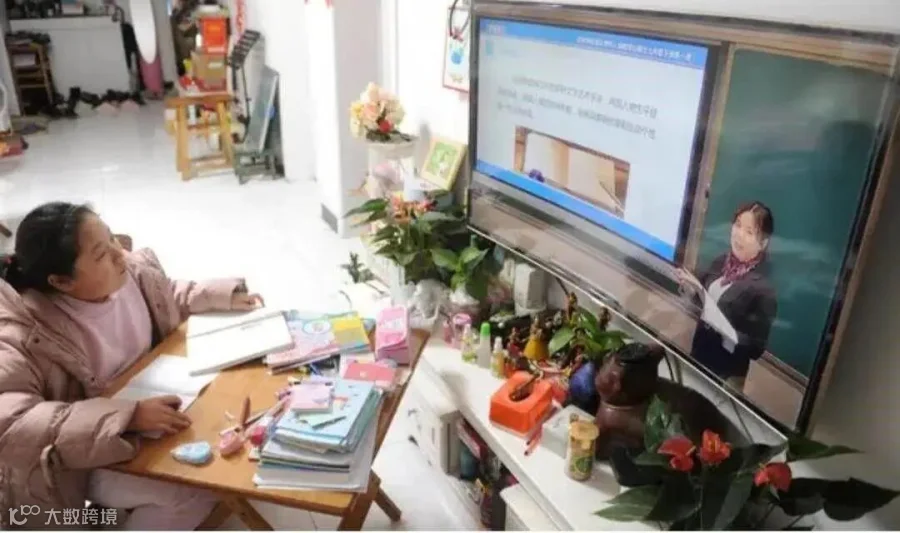
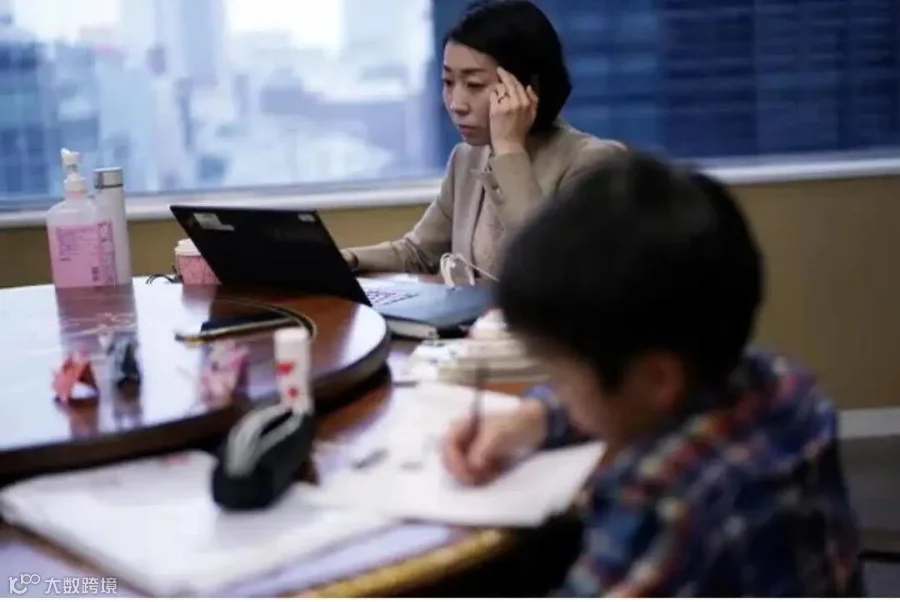
Furthermore, the epidemic has shaken entire industries that rely on the rituals of students in school and parents at work.
此外,疫情还动摇了整个依靠“孩子上学,父母上班”模式而生存的产业群体。
School administrators in Japan, surprised by the abrupt decision to close schools, have rushed to cancel orders for cafeteria lunches, stranding suppliers with unwanted groceries and temporarily unneeded employees.
突然下达的停课决定使日本的学校管理人员纷纷取消学校食堂午餐的订单。供应商们陷入困境——他们的食材无处可去,员工无活可干。
Kazuo Tanaka, deputy director of the Yachimata School Lunch Center in central Japan, said it scrapped orders for ingredients to make about 5,000 lunches for 13 schools. It would cost the center about 20 million yen, nearly $200,000, each month that school was out, he said.
日本中部八街市学校午餐中心的副主任田中一雄表示,该中心已经取消了为13所学校供应的5000份午餐的食材订单。然而,在学校停课期间,中心每个月要亏损约2,000万日元(约合20万美元)。
To blunt the effects, Japan’s government is offering financial help to parents, small businesses and health care providers. But school lunch officials said they had not heard about compensation for their workers.
为了减轻疫情给产业带来的影响,日本政府正在为父母,小型企业和医疗服务企业提供经济援助。但是学校午餐中心的员工却并未听到任何补偿措施。
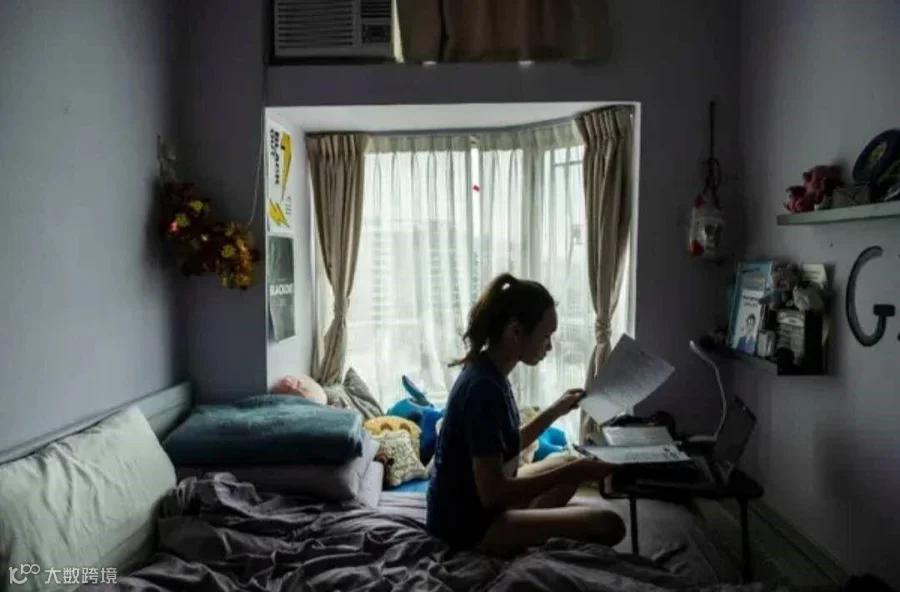
In Hong Kong, many among its sizable population of domestic helpers have been jobless as affluent parents have enrolled children overseas.
在香港,许多富裕的父母在停课后送孩子们到海外读书,香港有相当一部分佣工因此失业。
Demand for nannies had already dropped by a third when the outbreak began, because many companies allowed parents to work from home, said Felix Choi, the director of Babysitter. hk, a nanny service. Now some expatriate families have left the city rather than wait out the closings.
“疫情的突然爆发迫使许多公司让父母在家办公,儿童保姆的需求迅速下降了三分之一。”香港的一家保姆服务公司,寻保网的主管菲力克斯·蔡说道。现在一些侨居香港的家庭都已经在封城前离开了香港。
“Over 30 percent of our client base is Western expat families, and I'm not seeing many of them coming back to Hong Kong at this moment," Mr. Choi said. “Most of them informed us they will only come back after school restarts.”
“我们超过百分之三十的客户群体都是西方外籍家庭,而目前我并没有看到大部分人回到香港,”蔡先生说,“大多数人都告知我们他们仅会在学校重新开学后才回来。”