科学家说未来疾病爆发不可避免,能够应对疾病流行的社会正在成型。我们能从这次疫情获取哪些教训呢?和小Q一起来看看吧!
People keep saying it: everything has changed.人们总在说:一切都已改变。
As the days spent in our homes blur together and become indistinguishable, outside in the world huge shifts in consciousness are happening.
随着我们在家中度过的日子一天天逐渐模糊融合,世界上人们的意识正在发生巨大的改变。
Just as it was unimaginable that things could go back to normal after the 9/11 terrorist attacks in the US, so it is that policy, investments and our collective imaginations over the coming years will be overshadowed by a virus that took fewer than 100 days to shut the world down.
这次的新型冠状病毒在不到100天的时间内就让世界进入了封锁状态,而就像美国911恐怖袭击事件之后,一切都再不能回归往常一样,我们接下来数年的政策、投资和共同的预想也都将笼罩在病毒的阴影之下。
These strange months may be the first of an era defined by hyper-awareness of the threat posed by pandemics. It is too soon to say what that will look like. Each day brings shocks and possibilities, illuminates a little more of our new reality. Epidemiologists will study the past five months for decades; historians even longer.
过去的这几个月不同寻常,可能开启了未来一个对流行病保持高度警觉的时代,尽管描述这个时代是什么样子还为时尚早。每一天都带来新的冲击和可能,一点点的照亮我们的新现实。传染病学家们会在未来数十年里持续研究过去五个月发生的事件,历史学家甚至会比他们研究得更久。
But already we can see the rough contours forming. We are learning what works against Covid-19. And, surveying the wreckage of the third coronavirus to become an epidemic this century – along with two animal influenzas and several waves of Ebola – lessons are emerging about the kinds of societies that will be required to withstand the future outbreaks that scientists tell us are inevitable, and increasing.
但我们已经可以看到未来大致的轮廓出现了。我们在发现对抗新冠病毒的方法。同时,研究本世纪第三次引起流行的冠状病毒造成的破坏,还有两次动物流感病毒和几波埃博拉病毒的侵袭,我们正在学会建立应对未来疾病爆发的社会。科学家们告诉我们,这些爆发无法避免,而且将逐渐增加。
1.You must move fast
闻风而动,及早应对

Officials use thermal scanners to screen passengers arriving in Taiwan on a flight from Wuhan in January.
Photograph: Chen Chi-Chuan/AFP/Getty Images
今年1月,工作人员使用体温检测仪对武汉飞往台湾航班上的乘客进行筛查。
摄影:陈迟川/法新社/盖蒂图片社
China announced the discovery of a “pneumonia of unknown origin” on the afternoon of 31 December. The announcement barely registered in a world preparing to celebrate the end of the decade.
12月31日下午,中国宣布发现“不明原因肺炎”。恰逢举国欢庆2010年代的结束,这则声明几乎没有掀起任何波澜。
But that same day in Taiwan, the government in Taipei ordered any planes arriving from Wuhan to remain on the tarmac so airport staff could inspect the health of all those onboard.
而同一天,台北市政府即刻命令所有从武汉启程的飞机停留在停机坪上,以便机场工作人员对机上所有人员的健康状况进行检查。
China resisted implementing country-wide health screenings or taking temperature readings in Hubei province, where Wuhan is located, for the next fortnight, even as doctors in the city were reporting floods of patients struggling to breathe, and as leaders in Beijing became aware they were confronting “the most severe challenge” since Sars.
在接下来的两周内, 尽管武汉医生报告称有大量患者呼吸困难,国家领导人也意识到他们正面临“非典”以来“最严峻的挑战”,中国却仍未实施全国范围内的健康筛查,也没有在湖北省进行体温监测。
In the meantime, Taiwan’s Centers for Disease Control was monitoring arrivals from Wuhan, quarantining any person with a fever or cough and urging its citizens to avoid any unnecessary travel to Hubei.
与此同时,台湾疾病防控中心正在监控武汉入台人员,隔离任何出现发烧或咳嗽症状的人,并敦促台湾公民尽可能避免前往湖北。
A study released in March underlined the importance of acting fast. Had China implemented widespread testing, a cordon sanitaire around Hubei and other measures a week earlier, it would have reduced China’s caseload by 66%, the researchers argued. Acting three weeks earlier would have cut cases by 95%.
三月发布的一项研究强调了快速响应的重要性。研究人员指出,如果中国能早一星期在湖北一带实施大范围检测、设立防疫封锁线等措施,中国的确诊病例将会减少66%,如果提早三周采取行动的话,确诊病例将能减少95%。
As of this week, Taiwan has confirmed 429 positive coronavirus cases and six deaths.
而做到了这一点的台湾截至本周确诊429例,死亡仅6例。
The lesson for governments was underlined by Michael Ryan, a surgeon and the executive director of the World Health Organization’s health emergencies programme, in a press conference in March. “Be fast. Have no regrets. You must be the first mover. The virus will always get you if you don’t move quickly,” he said. “If you need to be right before you move, you will never win … Speed trumps perfection.”
世卫组织卫生紧急项目负责人迈克尔·瑞安医生在三月的新闻发布会上强调了这次疫情给各国政府的教训:“快才没有遗憾,必须要第一个行动起来。如果你不迅速采取行动,病毒就会找上门来。如果行动前一直在纠结对错,那你永远也赢不了。速度比完美更重要。”
2.We know what works to contain it
抗疫工作,越早越好
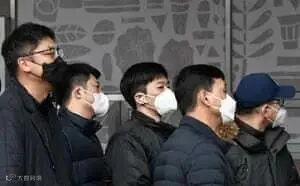
Workers queue for coronavirus tests at a temporary facility in Seoul in South Korea.
Photograph: Jung Yeon-Je/AFP/Getty Images
职工们在韩国首尔一处临时检测点排队进行新冠病毒测试
摄影:Jung Yeon-Je/法新社/盖蒂图片社
Months into this epidemic, even basic information about the coronavirus is still unclear. How infectious is it? How deadly? Leaders make life-and-death decisions based on best guesses. “We are flying the plane as it’s being built,” says Ashley Arabasadi, a policy adviser at the US-based institute Management Sciences for Health.
虽然疫情已经持续数月,很多关于新冠病毒的基本信息仍不清楚。比如,病毒的感染性有多强?病毒有多致命?各国领导人也只是凭借对疫情的主观判断做出那些事关生死的决定。“我们好比一边造飞机一边开飞机。”美国卫生管理中心政策顾问阿什利说。
Yet the basic principles for containing a disease, developed and refined with reference to hundreds of previous epidemics, have held true for Covid-19.
不过,从此前上百次流行病中总结出来,用于控制疾病的基本原则,也同样适用于此次新冠疫情。
“The successful examples and failed examples in containing the spread of the virus have something in common,” says Yanzhong Huang, the director of the Centre for Global Health Studies at Seton Hall University in the US.
美国西顿霍尔大学全球健康研究中心主任黄严忠称:“遏制病毒蔓延的成功案例和失败案例有一些共同之处。”
The countries that have implemented early and extensive testing, such as South Korea and Iceland, have been able to keep their societies relatively open, without loosing the virus into their populations.
疫情爆发初期就已经实施大量检测的国家,例如南韩和冰岛,已经可以保持社会相对开放,不用担心病毒蔓延到人群中去。
Singapore kept a lid on its initial wave by diligently retracing the steps of people who tested positive for Covid-19. Those they came into sustained contact with were often put in home isolation, with harsh penalties for breaking it. The sick were quarantined in hospitals, even if their symptoms were mild.
新加坡通过积极追踪那些在新冠病毒检测中呈阳性的人,抑制了疫情初期的爆发。那些和患者有过密切接触的人需要在家进行自我隔离,违反者将受到高额的罚款。患者们被隔离在医院里,即使他们并未出现急性症状。
When containing cases is no longer possible, early evidence from Europe shows that physical distancing measures, implemented early, “flatten the curve” and reduce the overall size of a country’s outbreak.
欧洲早期证据表明,当疫情不再可控时,疫情初期采取物理距离隔离的措施能够使新冠肺炎感染人数曲线趋于平缓,并能缩减国家疫情规模。
“Irrespective of the society, the level of development, the preparedness of the health system, early lockdown worked in containing the epidemic, whereas a late lockdown led to a massive outbreak,” says Joel Ruet, the president of the Bridge Tank thinktank, which conducted the research.
法国桥智库目前正在进行该项研究。主席若埃尔·吕埃表示,“不管社会类型、发展水平、医疗体系的准备情况如何,早期封锁都有助于控制疫情,而晚期封锁则会导致疫情的大规模爆发。”
3.The hard part is implementing it
犹豫不决,行胜于言

Police patrol a roadblock in Guardamiglio in northern Italy. Guardamiglio was placed under lockdown after infections spread throughout the Lombardy region.
Photograph: Emanuele Cremaschi/Getty Images
警察在意大利北部瓜尔达米格利奥的一个路障旁巡查。疫情扩散到整个伦巴第地区之后,瓜尔达米格利奥进入了封锁期。图源:盖蒂图片社
In 2014, as Ebola was spreading in west Africa, Rebecca Katz remembers hearing frustrations from some of the countries helping to fund the response.
丽贝卡·卡茨还记得,在2014年埃博拉病毒蔓延西非的时期,她听到了一些来自捐助国的懊恼声音。
“They would be asking things like: ‘How dare Sierra Leone not close schools during an Ebola outbreak?’” says the director of the Center for Global Health Science and Security at Georgetown University Medical Center. “For a long time it’s been easy for donor countries to cast judgment on recipient countries for their behaviour in disease transmission.”
“他们可能会这么问:‘埃博拉病毒爆发,塞拉利昂哪来的胆子不去关闭学校?’” 乔治敦大学医学中心全球健康科学和安全中心主任说,“长时间以来,捐助国总会轻易对受援国的疾病防控措施加以评判。”
The coronavirus outbreak has made clear that it is a universal problem: even countries that know what works, and have the capacity to act, still hesitate.
显然,此次疫情的爆发暴露出了一个全球性的普遍问题:即使有些国家知道疫情防控的有效措施,并且有能力去实施,却还是在犹豫不决。
Some with strong liberal traditions, such as Britain, balked initially at the prospect of drastically curbing civil rights. Italian industry groups are reported to have strongly resisted the idea of shutting down Lombardy, one of the engines of the country’s economy. Developing countries such as Pakistan have had to balance slowing the spread of the disease with the disastrous consequences of closing the farms and construction sites where the poorest work.
对于大幅减少公民权益(例如外出自由)一事,一些有着强烈的自由传统的国家起初犹豫不前,比如英国。在意大利,有报道称,工业集团强烈反对关闭伦巴第省工厂,因为它是意大利一大经济引擎。像巴基斯坦等发展中国家,既要减缓病毒扩散,又要考虑关闭农场和建筑工地后,底层人民失业带来的后果。政府需要在这二者间做出平衡。
“It’s really easy for me to say, hey, we should institute social distancing measures and close schools and cut the link between those susceptible to the disease and the infectious,” says Katz. “Knowing what the larger societal impact is makes it harder to pull the trigger.”
卡茨表示:“我们应该实施保持社交距离的措施,关闭学校,切断易感人群和感染者之间的接触。这些说起来很轻松,但巨大的社会影响让这些政策很难执行。”
There were blind spots in the way countries prepared. A global index released in October concluded the US was more ready than anywhere else to fight a pandemic. But the scorecard, based on WHO methodology, focused more on technical capacity than government processes, says Alexandra Phelan, an adjunct professor at Georgetown University Law Center.
各国的抗疫准备中都存在盲区。一份于十月份发布的全球数据表显示,美国是最能率先做好抗疫准备的国家。但乔治城大学法律中心副教授亚历山德拉·费兰称,这种评分规则是基于世卫组织的评估方法制定的,它更注重科技能力而非政府的实施程序。
Official figures show the US has had the largest and most deadly outbreak, exacerbated by a slow initial response, mismanagement of testing and poor coordination between states and the federal government.
官方数据显示,美国疫情的规模最大,死亡人数最多。最初反应的迟缓、检测管理的不当、以及各州和联邦政府间协调不力,加剧了疫情的爆发。
“As this outbreak has demonstrated, you can have the best labs in the world, the best notification systems and software, but if you don’t have the appropriate governance of when to use these powers … they don’t function,” Phelan says.
“这次疫情告诉我们,就算你拥有世界上最好的实验室,最好的预警系统和软件,但如果没有一个能够适时利用这些优势的管理者……它们不会起任何作用。”费兰说。
4.Civil liberties face their greatest test in a generation
公民自由,时代挑战

A drone used by Indian police for surveillance in Bhopal during lockdown.
Photograph: Sanjeev Gupta/EPA
印度封城期间,博帕尔市警方使用无人机进行监管。
图片:桑耶夫·古普塔/美国国家环境保护局
Digital surveillance tools that might have been closely scrutinised in normal times have been urgently rolled out over recent weeks. More than 40 countries have implemented some form of surveillance or censorship in the name of fighting the coronavirus, according to one estimate.
正常情况下,电子监管工具的使用需要接受严格的审查,但近几周它却被紧急铺开使用。据统计,超过40个国家以抗击新冠病毒的名义实施了各种形式的监控和审查。
These tools have created a world that might have appeared dystopian a few months ago. In Hong Kong and Bahrain, people in quarantine are being issued with electronic bracelets that track their movements. Drones equipped with cameras hover over some Indian neighbourhoods warning residents they are being watched. Israel has revealed it has secretly been amassing people’s phone data and is tapping that database to find potential coronavirus cases.
这些监管工具创造出的世界,在几个月前来看,或许是反乌托邦的:香港和巴林为处于隔离期的人们配备电子手环以追踪他们的行动;装有摄像头的无人机在印度社区上空盘旋,警告居民,他们正处于监控之中;以色列透露,他们近期秘密收集了人们的电话数据,并利用这个数据库寻找潜在的冠状病毒病例。
【Bahrain】巴林,濒临波斯湾,是一个由低矮多沙的群岛组成的国家, 位于卡塔尔和沙特阿拉伯之间。
South Korea credited its advanced use of technology with helping to uncover clusters of cases that would otherwise have gone undetected. About 81% of Koreans approve of the surveillance measures there, according to one poll.
韩国认为,之所以他们能大范围检测,从而发现大量潜伏病例,是因为他们采用了先进的科技。一项民调显示,约81%的韩国人支持本国的疫情监管措施。
Human rights advocates acknowledge we are living through an emergency, but worry governments will use fears of future outbreaks to justify keeping many of these tools in place – whether or not they help.
人权拥护者也承认,我们确实是在经历一场紧急事件,但他们担心政府会利用人们对未来疫情爆发的恐惧,使继续采用这些监管工具的行为正当化(不管它们是否真的有效)。
“We are facing an immense challenge, but necessity is the question,” says Akshaya Kumar, the director of crisis advocacy at Human Rights Watch. “Some of these measures are just peering into people’s lives and taking power without a clear sunset clause, and without a sense that they’re really needed to combat the virus.”
人权观察组织的危机倡导主任阿克沙亚·库马尔表示:“我们正面临着巨大的挑战,但实施监管措施的必要性才是问题关键所在。有一些监管措施没有明确的终止日期,且我们并不觉得需要采取这些措施才能对抗疫情,反而它们只是在窥探人们的生活、攫取权力。”
【日落条款】又称落日条款,指的是法律或合约中订定部份或全部条文的终止生效日期。
【人权观察组织】1978年在美国纽约成立的一个非政府的国际组织,以调查、促进人权问题为主旨。(2019年12月2日,外交部发言人华春莹宣布:对“人权观察”在香港修例风波中表现恶劣的非政府组织实施制裁。)
“The potential for abuse is high,” the UN warned in a report last week. “What is justified during an emergency now may become normalised once the crisis has passed.”
上周,联合国在一份报告中提出警告:“滥用权力以侵犯人权的可能性很高。当危机过去之后,那些在紧急情况下才被认为是正当的措施,也可能会变得常态化。”
5. Public trust is a government’s most valuable asset. The next months will strain it
公众信任 危机四伏

Suspects are arrested for defying the lockdown during an operation in Johannesburg in South Africa.
Photograph: Michele Spatari/AFP /Getty Images
在一次南非约翰内斯堡的行动中,嫌疑人因无视封城而被捕。摄影:米歇尔·斯帕塔里/法新社/盖蒂图片社
There is no precedent for half the world’s population living under some kind of lockdown. It might just be the single largest collective act undertaken by humanity.
史无前例的,目前世界上一半的人口生活在封锁之下,这可能是人类采取过的最大规模集体行动。
Its successful execution requires extraordinary public trust in their governments, says Lars Trägårdh, a Swedish historian who studies trust in institutions over time. “If you trust the government is working for your good, and you trust other citizens to follow the rules, you have huge advantages for collective action,” he says.
瑞典历史学家拉尔斯•特拉加尔德表示,要想成功执行封锁法案,政府就必须获得公众的极大信任。他表示:“如果你相信政府是为公民利益服务的,而且相信其他公民会遵守规则,那么集体行动就有巨大的优势。”
In places where trust in government is weak, fear has worked to clear the streets. In South Africa, police used whips to enforce a national curfew. Indian migrant labourers walking home were made to squat and crawl as punishment for being outside, while in Jordan, more than 1,600 people were imprisoned in the first three days of quarantine.
在那些公民对政府缺乏信任的地方,恐惧在街巷蔓延。在南非,警察甚至要使用鞭子来实施宵禁。需要步行回家的印度移民劳工因其外出而被迫蹲下和爬行,而在约旦,超过1600人在隔离的头三天被监禁。
But restrictions implemented in low-trust societies could engender a backlash, says Trägårdh. “And that’s what happening in Southern Europe and the US right now where you see a lot of disobedience.”
但特瑞表示,在低信任度的社会实施的限制外出可能会引起反抗。“这就是现在在南欧和美国正发生的事情,在那里你会看到很多的不服从。”
Over the next months, governments are going to allow people to resume their lives amid the worst economic conditions since the Great Depression. Should new waves of the virus be detected, states may again ask their citizens to return home.
在接下来的几个月里,政府将允许人们在自大萧条以来最糟糕的经济状况下恢复生活。如果新一轮的病毒被确认,各州可能会再次要求公民居家隔离。
Managing this is going to require significant stores of public trust, that in some places are quickly eroding. “If people agree to do something in the long term, without a threat hanging over their heads, they are more likely to keep doing it,” Trägårdh says. “The alternative is fear, distrust, and chaos, and that isn’t good, no matter what the policy might be.”
做到这一点需要极大程度上的公众信任度,而在某些地方,这种信任正在迅速流失。特瑞表示:“如果人们认同一件事情将要长期进行,此间威胁不会笼罩在他们的头上,他们就更有可能继续做下去。这种选择带来的是恐惧、猜忌和混乱。无论政策是什么,结局都不会很美好。”
6. Leaders who deny science are a liability
科学抗疫 愚昧误国

Slogans denouncing Jair Bolsonaro’s response to the pandemic are projected on to a building in São Paulo in Brazil. Photograph: Amanda Perobelli/Reuters
在巴西圣保罗,一栋楼房被挂上了谴责雅伊尔·博索纳罗疫情应对措施的横幅。
Many leaders have enjoyed what may be a temporary surge in popularity as frightened citizens rally around them in a crisis. Two notable exceptions have been the US president, Donald Trump, and his Brazilian counterpart, Jair Bolsonaro, whose ratings have declined sharply.
许多领导人在此次疫情中被惊慌的民众包围,从而享受到了暂时性的人气飙升。而两个值得注意的例外是美国总统特朗普和巴西总统雅伊尔·博索纳罗,他们两人的支持率在此期间急剧下降。
Both men, rightwing populists who frame their presidencies as revolts against the elites, including scientific authorities, have been highly skilled at influencing the media environment. But the coronavirus is a unique test. It spreads and kills regardless of how it is being framed online or in the media.
他们都是右翼民粹主义者,并将自己的总统执政框架定义为反精英主义,包括反科学权威。而且他们都非常善于引导舆论环境。但是新冠病毒是一项特殊的考验,无论网络和媒体如何污蔑它,它只会一味地塑造框架并带去杀戮。
It emphasises the importance of experts. Success depends on rallying the country together.
这就更强调了专家意见的重要性。战胜疫情必须靠举国之力。
“Leaders such as Trump deploy simple messages: insider versus outsider, us versus them,” says Sanjoy Chakravorty, a professor at Temple University in the US, who studies the politics of information. “And they are having an ideological crisis in how to manage the message here. This is a very complicated information sphere, which you can’t put into ‘us and them’ boxes … because in this case everybody is the ‘us’.”Rather than rewarding bravado, the moment appears to favour leaders who can be honest about the uncertainty inherent in fighting a virus, says Kathleen Bachynski, an assistant professor of public health at Muhlenberg College. “If leaders are not willing or able to be honest about these limitations, there will be this loss of credibility – and it won’t be because they are wrong, it’s because information is changing.”
“像特朗普这样的领导人只是把信息简单地一分为二:国内的和国外的,我们和他们。"美国坦普尔大学的政治传播学教授桑乔·查克拉沃蒂说:"他们在如何管理疫情相关的信息方面存在着意识形态上的危机。这是一个非常复杂的信息传播领域,不能简单把信息放入;'我们'和'他们'的盒子里……因为在这种情况下,每个人都是'我们'"。"此时,领导者不虚张声势,而是勇于承认在对抗疫情时遇到的诸多不确定性会获得更多支持。"穆伦贝格学院公共卫生学助理教授凯瑟琳•巴金斯基说,“如果领导者不愿意或不能承认自己所掌握情况有限,就会失去可信度。相反地,民众不会只因你说错了就不再相信你,因为他们理解情况一直在变化。”
Those overseeing some of the more successful responses, such as Germany’s Angela Merkel or Jacinda Ardern of New Zealand, have been praised for their ability to project empathy and communicate complex ideas.
德国总理安格拉·默克尔和新西兰总理杰辛达•阿德恩在疫情期间作出了较为成功和有效的回应,他们表现出了(对民众的)共情,也能够向大众传达较为复杂的想法,因而受到了赞扬。
Asked to explain Germany’s metrics for deciding when to ease the lockdown, Merkel fluently explained the need to bring down the “reproducibility number” of the virus so that the health system can cope with its continued spread.
当被问及判定德国何时能够放开封锁措施的标准时,默克尔流畅地解释了降低病毒“可繁殖数量”的必要性,这使医疗体系能够更好地应对病毒的持续扩散。
In a press conference a few days earlier, Trump answered the same question by pointing to his head. “The metrics right here,” he said. “That’s my metrics.”
几天前的一次新闻发布会上,特朗普回答了同样的问题。他指着自己的头说:“我的标准在这里,这就是我的衡量标准。”
The responses to the virus in both Brazil and the US are increasingly being led by state leaders, who are bypassing the federal government and coordinating directly with each other.
巴西和美国抗击新冠病毒疫情的行动越来越多地由各州领导人领导,他们绕开联邦政府,直接在各州之间相互协调。
7. Self-sufficiency matters again
自给自足,尤为重要
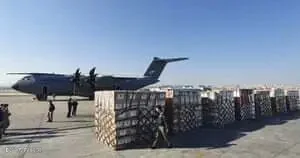
Soldiers prepare to load a military cargo plane with personal protective equipment donated by Turkey to help the US.
Photograph: AP
士兵们准备将土耳其捐赠给美国的个人防护用品装上一架军用运输机。
摄影:美联社
Governments will not soon forget the desperate global scramble for personal protective equipment and medical supplies they have engaged in these past months. Nor the sight of doctors and nurses forced to guard against infection using bin bags and homemade masks.
各国政府都不会轻易忘记发生在过去几个月里的一场令人绝望的“全球争夺战”,所有人都忙着抢购个人防护用品和医疗用品。医护人员只能被迫用垃圾袋和自制口罩来防止感染。
Several countries have already restricted the exporting of some pharmaceuticals and more than a dozen have imposed bans on selling some food abroad. The UN has warned that if quarantines persist, food supply chains in some places might start to be disrupted from this month.
一些国家已经限制了某些药品的出口,同时,也已经有十几个国家禁止了一些食品的出口。联合国(因此)发出警告:如果继续隔离,一些地方的食品供应链可能从本月开始中断。
The message is being received. EU countries are emphasising the importance of increasing the “strategic autonomy” of the bloc and ensuring it produces its own essential goods.
各国都逐渐意识到这一点。欧盟国家正在强调关于加强欧盟“战略自主权”和确保欧盟能在必要物资上自给自足(这两方面)的重要性。
Narendra Modi, the Indian prime minister, told village leaders last week the most important lesson from the pandemic was the need for self-reliance. “We should not look to other countries to satisfy our needs,” he said.
印度总理纳伦德拉•莫迪在上周与村干部们沟通时表示,从新冠病毒大流行中汲取的最重要的教训就是:印度必须要自力更生。他说:“我们不应该指望其他国家来满足我们的需求。”
Australia is one of several countries said to be re-examining the exposure of food, fuel and medical supplies in particular to global supply chains, the fragility of which have been exposed.
疫情期间,全球供应链的脆弱性已经暴露出来。据称,澳大利亚等国在重新审查食品、燃料和医疗用品,特别是全球供应链。
8.The world cannot beat the virus without cooperating
全球合力,才能抗疫
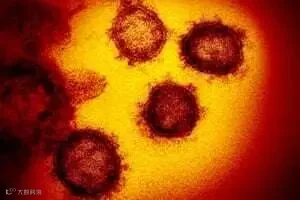
A transmission electron microscope image of the coronavirus.
Photograph: NIAID-RML/Reuters
冠状病毒的透射电镜图像。
摄影:美国国家过敏和传染病研究所落基山实验室/路透社
The coronavirus got lucky: it emerged at a low point for global cooperation.
新型冠状病毒是“幸运的”,它在全球合作陷入低谷时乘虚而入(才得以快速蔓延)。
Countries recognised after Sars that sharing information, coordinating responses and pooling resources such as protective gear, medicine and was vital. A set of international regulations that came into force in 2007 laid the groundwork for this cooperation.
各国在非典后认识到,共享信息、协调应对行动和汇集防护装备、药品等资源至关重要。2007年生效的一套国际规则为这次(国际间)合作奠定了基础。
此处的国际规则指《国际卫生条例(2005)》(International Health Regulation,IHR)。第一次国际卫生会议从而于1851年在巴黎召开,制定了世界第一个地区性《国际卫生公约》,随着全球化也在不断地修改。2003年以来SARS和人禽流感疫情的暴发流行增加了修订《国际卫生条例》的紧迫性,国际社会也因此呼吁扩大《国际卫生条例》的使用范围。2005年5月,第58届世界卫生大会通过了IHR的修订。新的IHR于2007年6月15日生效。
As Covid-19 started to spread, the regulations were virtually ignored. “The biggest surprise was how quickly the plans were not at all consulted,” Katz says. “The world was quick to throw out the global governance tools we had so carefully negotiated.”
随着新型冠状病毒的传播,这些条例实际上被忽视了。卡茨说:“最让人惊讶的是,这些计划竟然这么快就无人问津了。整个世界都很快就遗忘了我们曾精心商定的全球治理工具。”
The lack of cooperation has weakened the world’s response, public health experts argue. A global stimulus package might have put a floor under the economic catastrophe unfolding in many countries. Coordinated shutdowns and reopenings would have slowed the spread of the virus and could speed up the recovery.
公共卫生专家认为,缺乏合作削弱了全球的应对能力。全球经济刺激计划可能会为许多国家正在上演的经济灾难埋下伏笔。公共场所适当地关闭等待重新开放,不仅可以减缓病毒的传播,也可以加速疫情之后(经济)的恢复。
We might have avoided chaos in the global market for medical and protective equipment, with reports of the US waving wads of cash to re-divert planeloads of masks bound for France, and Israel running clandestine spy operations to source testing kits.
据报道称,美国用大笔现金截胡了运往法国的口罩,以色列也秘密开展了间谍活动以获取检测试剂盒——而我们本可以避免全球医疗和防护设备市场的混乱。
“The last four years have seen a profound shift to governments that are protectionist and nationalistic and who argue the multilateral system doesn’t benefit them,” Phelan says. “Those of us who work in global health or other international problems know we’re interconnected. That global problems required global solutions.”
“过去四年,那些支持保护主义和民族主义的政府发生了深刻的转变——他们曾经认为多边体制对他们没有好处。”费兰说,“我们这些从事全球卫生或其他国际问题工作的人知道,各国是相互联系的共同体。全球性问题需要全球性的解决方案。”
9. Austerity and inequality make us less resilient
政策隐患,保障不利

A worker makes scrubs for frontline NHS staff in O’Neills sportswear factory in Strabane in Northern Ireland. Photograph: Paul Faith/AFP/Getty Images
在北爱尔兰斯特拉班的奥尼尔运动服装工厂,一位工人正在制作为英国国家医疗服务体系的前线工作人员准备的手术服。
摄影:保罗·费思/法新社/盖蒂图片社
No economy could withstand the shock of a large slice of the workforce suddenly ordered home. But the virus has irradiated weaknesses that have made the outbreak deadlier, and will make its aftermath hurt more.
没有哪个经济体能够在大批劳动力被迫留在家里的情况下毫发无损。但新冠病毒仍在冲击我们的薄弱点,这使得疫情造成的后果,更为致命。
The problems with tying health insurance to employment in the US have become even more obvious: the 26 million Americans who have filed for benefits over the past month did not just lose their jobs, many also lost their medical coverage.
美国将医疗保险与工作挂钩的问题也在这时暴露了出来:这几个月来申请失业津贴的2600万美国人不仅失去了工作,也失去了医疗保险。
Britain has the NHS, but a decade of austerity had weakened the system and left the country in demonstrably worse health when the virus struck.
英国有国民健康保险制度,但十年的紧缩政策削弱了该制度的作用,当病毒来袭时,英国国民的健康状况明显恶化。
The rise of precarious gig-economy jobs and zero-hours contracts has created a mass of workers without access to sick and paid leave, incentivising some to keep working when the entire community needs them to stay home. Insecure work and barriers to healthcare disproportionately burden people from ethnic minorities and poor people: both are dying from Covid-19 at a higher rate in the US and Britain.
零工经济工作和临时工合同的增加,导致大量工人无法获得病假和带薪假期,这迫使一些人不得不继续工作,即使现在全社会都希望他们待在家里。不安全的工作和医保障碍加重了少数民族和穷人的负担:在美国和英国,这两类人死于新冠肺炎的比例更高。
Governments that have spent decades scaling back social welfare systems are now scrambling to build new ones on the fly. “The world is realising that there are many millions of workers who have fallen through the cracks of the existing social protection systems,” says Luca Pellerano, a senior social protection specialist with the International Labour Organisation.
那些花费了几十年时间缩减社会福利体系的政府,现在正忙着建立新的社会福利体系。国际劳工组织高级社会保护专家卢卡·佩莱拉诺说:“全世界都意识到现有的社会保护体系遗漏了数百万工人。”
“They are not in forms of protected employment, yet they are not poor enough to fall into the often quite narrow and shallow [existing] anti-poverty programmes. Countries with very fragile systems, with big coverage gaps, are scrambling to find solutions and are clearly behind the curve.”
“他们的就业工作不受保护,但贫穷程度还不足够到达实施现有的反贫困方案的标准,这个标准一般非常狭隘和肤浅。保护机制非常脆弱、覆盖率差距很大的国家正争先恐后地寻找解决方案,但是这显然是落后于局势的。”
10.The poor and migrants cannot be invisible
底层人民,不可忽视

Foreign workers wait to be transferred from their dormitory in Singapore after an outbreak among migrant workers. Photograph: Suhaimi Abdullah/Getty Images
外来工爆发疫情后,外国工人等待从新加坡宿舍被转移。
摄影:苏海米·阿卜杜拉/盖蒂图片社
Singapore’s response has been lauded as a model. Its government moved fast, utilising technology, exemplary public communication and the traditional tools of outbreak control to corral its first wave of cases to about 200.
新加坡的反应堪称楷模。该国政府迅速采取行动,利用科技、典范的大众传播和传统的疫情控制工具把第一批感染者数量控制在两百人左右。
Then last week, it announced it had discovered thousands of new infections, almost all of them among migrant workers living in dormitories on industrial estates on the outskirts of the sleek city-state. Rights groups say little attention was paid to the more than 1 million migrant workers, even as restrictions on crowding and movement were rolled out.
上周,新加坡政府发现了数千例新增病例。几乎所有病例都是住在这个时尚国家郊区、工业区宿舍里的农民工。人权组织说,尽管国家已经出台法律限制人员聚集和流动,但超过一百万的农民工却很少受到关注。
Viruses can see the people who are usually invisible to policymakers and the public. The conditions in which they work and live are everyone’s problem.
病毒会盯上这些被决策者和公众忽视的人。他们堪忧的工作条件和生活条件是每个人的问题。
The same is true of the residents of Dharavi, a Mumbai slum where almost 1 million people are crammed together within sight of the skyscrapers and penthouses apartments of some of the wealthiest people in Asia. More than 200 cases have been discovered so far. City authorities acknowledge it will be virtually impossible to halt the spread of the disease among these communities.
同样的情况也发生在达拉维的居民身上。达拉维是孟买的一个贫民窟,近100万人聚集于此,这里可以看到亚洲一些最富有的人的摩天大楼和顶层公寓。达拉维迄今已发现200多例新冠患者。市政府承认,要阻止这种疾病在这些社区的传播几乎是不可能的。
“Ten to 15 people stay in one room,” one official, Kiran Dighavkar, told New Delhi Television last week. “How is it possible to enforce social distancing?”
一位官员Kiran Dighavkar上周告诉新德里电视台:“10到15个人住在一个房间里,怎么可能保持社会距离?”
原文链接:
https://www.theguardian.com/world/2020/may/01/10-key-lessons-for-future-learned-fighting-covid-19-coronavirus-society?CMP=share_btn_tw&from=singlemessage&isappinstalled=0
编译|李旻艺 黄思谊 祖芃芃 韩旭 陈晓 向千 杨岚 罗清婳 靳晓乐 周冰倩 戴怡安 王夏雯 金殊羽 黄紫玲 周雨旸 穆沁阳 马林 杨林姗 郭诗萌 陆风后 于沛欣 王姝 刘宇航 赵寒旭 归亦辰 祝清 李汪悦 吕适言
排版|靳晓乐
指导老师|刘佳