
难民照相馆——每个人都值得被记录
As a well-traveled photographer, Pieter ten Hoopen is no stranger to refugee camps. But he never experienced any like the Mayo camp, which is outside the Sudanese capital of Khartoum.
作为一名周游各地的摄影师,Pieter ten Hoopen对难民营并不陌生。但是位于苏丹首都喀土穆外的梅奥难民营却使他耳目一新。
Ten Hoopen was at the camp to photograph a new medical clinic for Emergency, a humanitarian group from Italy. He also hoped to document what life was like for refugees there.
Ten Hoopen来到难民营拍摄一个来自意大利的人道主义组织的诊所。他还希望记录下那里的难民的生活。
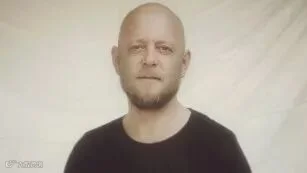
Photographer Pieter ten Hoopen
His hopes were dashed, however, when he was told he couldn't photograph outside the hospital compound. "I had very, very hard restrictions from the Sudanese government. ... " ten Hoopen said.
但是,当被告知他不能在医院外拍照时,他的希望破灭了。Ten Hoopen说:“我受到苏丹政府非常严格的限制……”
With no freedom of movement, much like the refugees themselves, ten Hoopen resorted to an old trick he had used before while traveling in Africa. With the help of refugee hospital workers, he built a makeshift photo studio using hospital bed sheets and other materials available.
由于Ten Hoopen就像难民一样被限制了行动自由,他用了他在非洲旅行时用过的方法。在难民医院工作人员的帮助下,他用医院的床单和其他材料建造了一个临时摄影工作室。
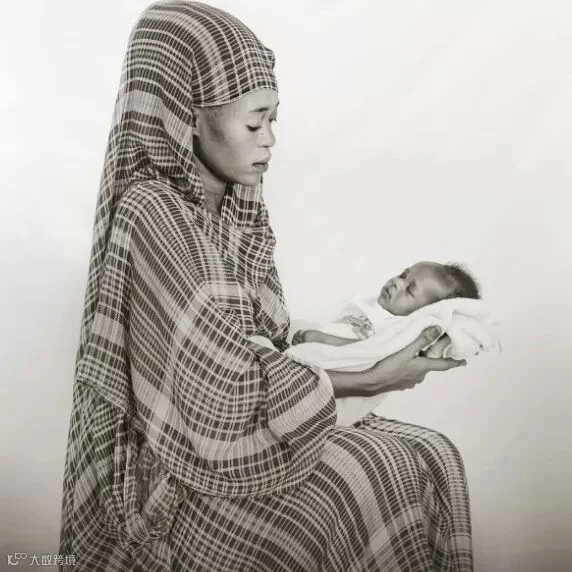
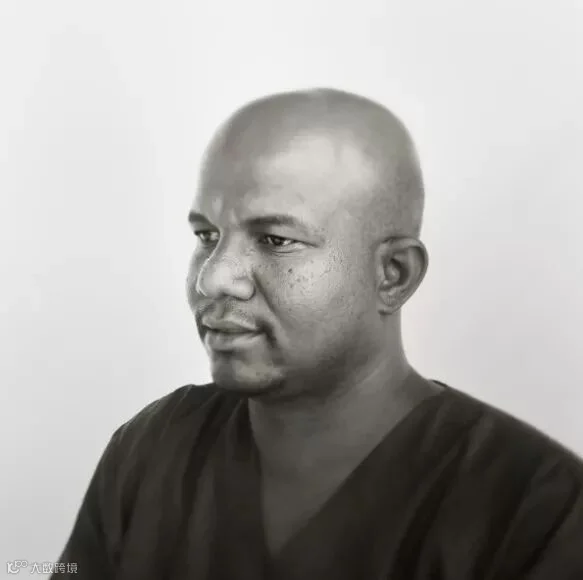
滑动查看更多图片
The studio quickly became a sensation. Once hospital employees volunteered to have their photo taken, lines of refugees began snaking around the hospital grounds waiting to have their portraits taken.
工作室很快引起了轰动。当医院的员工们自发前去拍照后,许多难民们也开始在医院的场地上徘徊着等待拍照。
One by one, these people sat solemnly to be photographed. It was their time to be acknowledged. There was gravity, earnestness to the way they posed. This was the moment their story would be registered.
难民们静穆地坐着,一个接着一个的等待拍照。这是他们被承认的时刻。他们的拍照姿势庄重而诚挚。他们的故事就在此刻被记录下来。
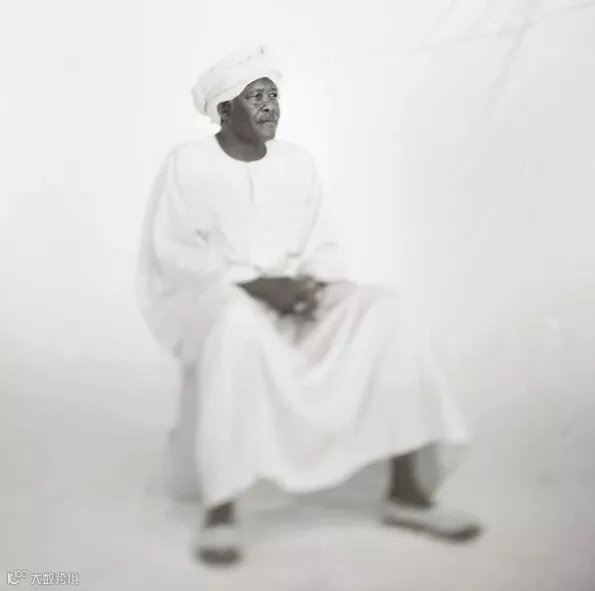
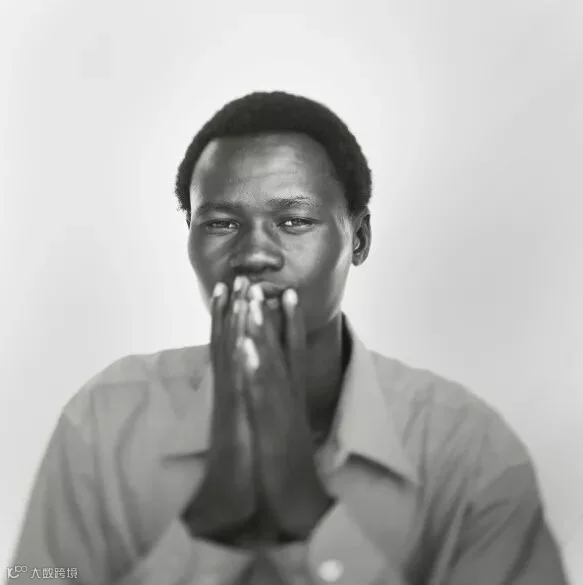
"This was one of the reasons why I built the studio: to get more material and more narratives from the people," ten Hoopen said.
“这是我建立这个工作室的重要原因之一:我想从这些难民身上获得更多的素材和故事。” ten Hoopen说。
The project quickly became a catalog of the history and identity of the refugees.
这个拍摄项目很快成为了难民历史和身份的目录。
The photos span several generations -- some of the subjects were born at the refugee camp, some have been there for decades. Women wearing the traditional Sudanese tobe spell out their class and origin by the way it is wrapped.
这些照片跨越了几代人——有的出生在难民营中,有的已经在这生活了数十年。戴着传统苏丹头巾的妇女通过头巾的包裹方式来阐明自己的阶级和出身。
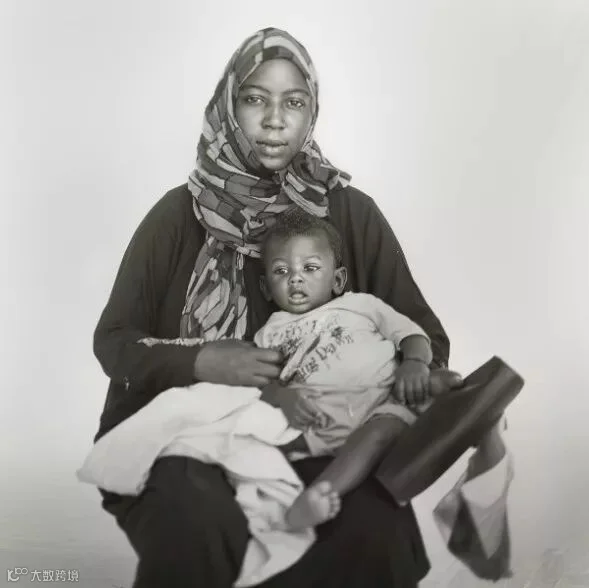
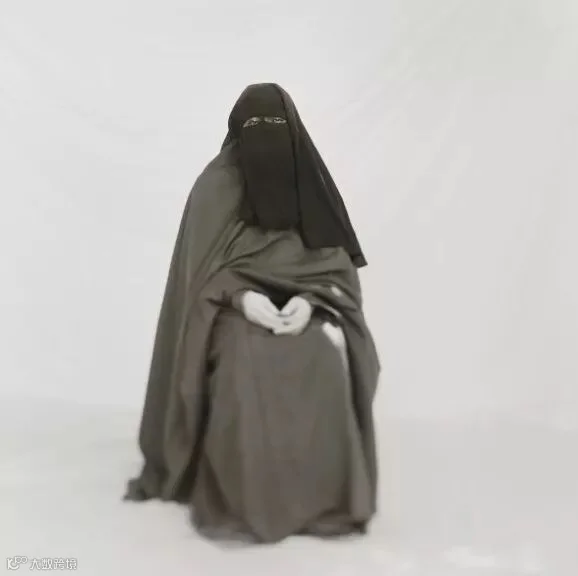
The word refugee often conjures up images of faceless crowds fleeing conflict, their existence only registered in terms of statistics and graphs. Ten Hoopen wanted to give his subjects the ability to express themselves freely.
难民一词经常让人联想起拥挤的人群匆忙逃离战火的画面,他们的存在只在统计数据和图表中得到了记录。Ten Hoopen希望让这些难民们能够自由地表达自己。
"They got very serious, they sat down upright. ... I tried to say as little as possible," he said. "I do believe in their own expressions, their own narrative ... and their unique perspective."
“他们庄重而认真,他们端正地坐着……我试图说的越少越好。”他说, “我相信他们自己的表达方式,他们自己的叙述……以及他们独特的观点。”
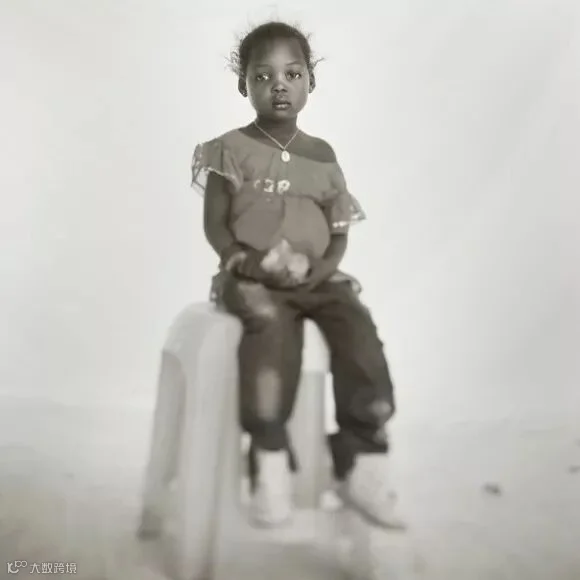
The studio had a comforting effect. It was a haven from the hustling and bustling of the camp hospital. It gave the photographer an opportunity to meet his subject matter eye to eye, giving each person their deserved attention. Aesthetically, it created an aura around each person, beaming light on his or her personal narrative.
工作室起到了抚慰人心的作用,使难民们能够远离营地医院的熙攘喧嚣,聊以慰藉。摄影师与难民们四目相对,让每一个人都能得到应有的关注。从美学上讲,它给每个人都创造了光环,将光线投射到了他或她的个人叙事上。
" I build classic photo studios like they have in any small towns in the African continent or in Europe ... just to give people a little bit of the feeling they are special and that someone really photographs them in an official way," said.
“我建立了和非洲或欧洲任何小镇上一样的典型照相馆……只是想让他们感觉到,他们是特别的,真的有人以正式的方式给他们照相。” ten Hoopen说。
He said some patients at the hospital "had being laying there for months in their room. ... Then you take them out, it's a little treat to get them out of their own misery. ... That's why you see the line growing, because they see people laughing when they come out of the studio."
他说,医院的一些患者“已经在他们的房间里躺了几个月。...你把他们带出去,使他们能够暂时忘记痛苦...人们从工作室出来时总是带着笑容,这也使越来越多的人加入了排队的行列。”
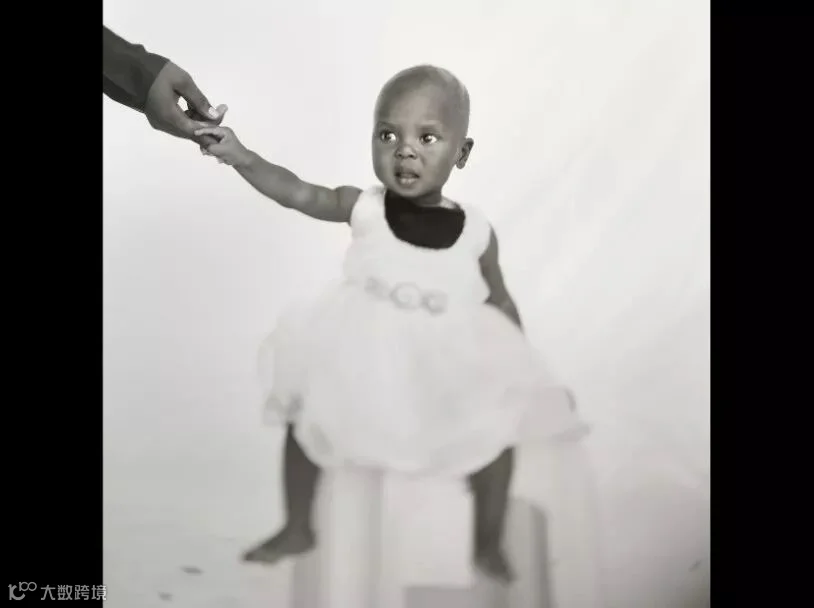
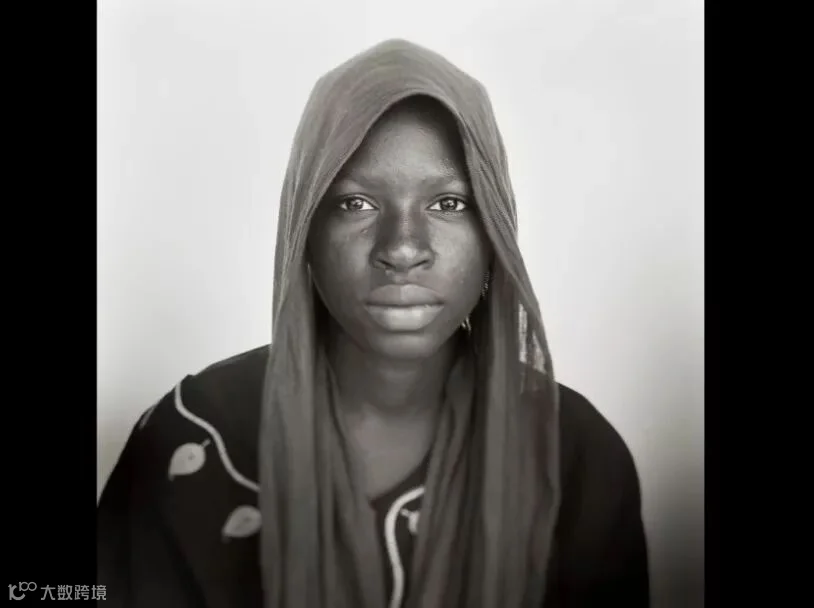
Ten Hoopen used tilt-shift lenses, which are normally used with the large-format cameras used in classic photography.
Ten Hoopen使用了在经典摄影中通常和大画幅相机一起使用的移轴镜头。
"I really can appreciate old portraiture ... when people got their portrait taken in a way that was loaded, I think, with respect and it was a very serious moment," he said. "It's a slow way of working where you have to put all your focus into one person sitting in front of you."
“我非常喜欢这种老式的人像摄影……当用胶卷给人们拍摄肖像时,我认为这是非常庄重的时刻。”他说, “这是一种缓慢的工作方式,你必须把所有的注意力都放在那个坐在你面前的人。”
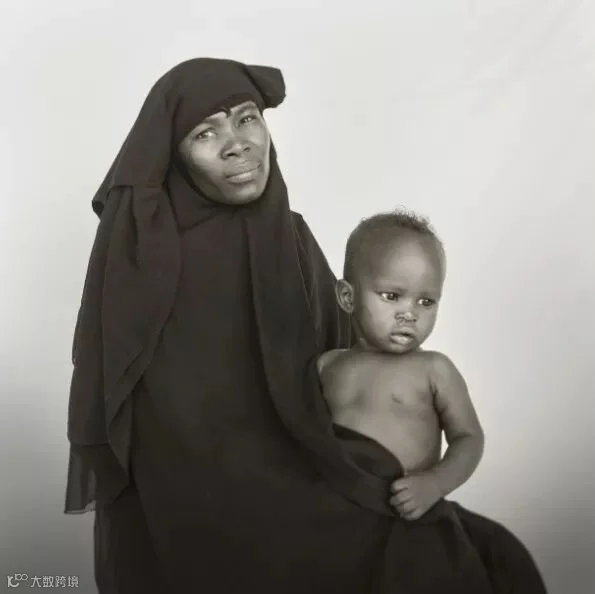
How did ten Hoopen gain the trust of so many uneasy refugees, some severely traumatized and living in fear?
Ten Hoopen是如何获得这么多惴惴不安的难民们的信任,包括一些受到严重创伤、生活在恐惧中的人的呢?
"It wasn't hard," he said. "I just told them to relax and have fun.
“这并不难,”他说, “我只是告诉他们放松并且享受这个时刻。”
"Kids sometimes got nervous, and I don't blame them. I am a tall, bald European guy. ... I am not only funny to look at, but it is hot in that country so I am usually very red when I am photographing. ... I have tattoos everywhere. ... They thought I was a quite interesting creature."
“孩子们有时会感到紧张,我不怪他们。我是个身材高大,谢了顶的欧洲人。...这让我看上去很滑稽,而且拍照时我的脸总是很红,因为那的天气很热……我身上到处都是纹身……他们认为我是个非常有趣的生物。”
编译 | 郦丹萍
排版 | 郦丹萍
原文链接:https://edition.cnn.com/2015/03/24/world/cnnphotos-sudan-refugees-portraits/index.html